

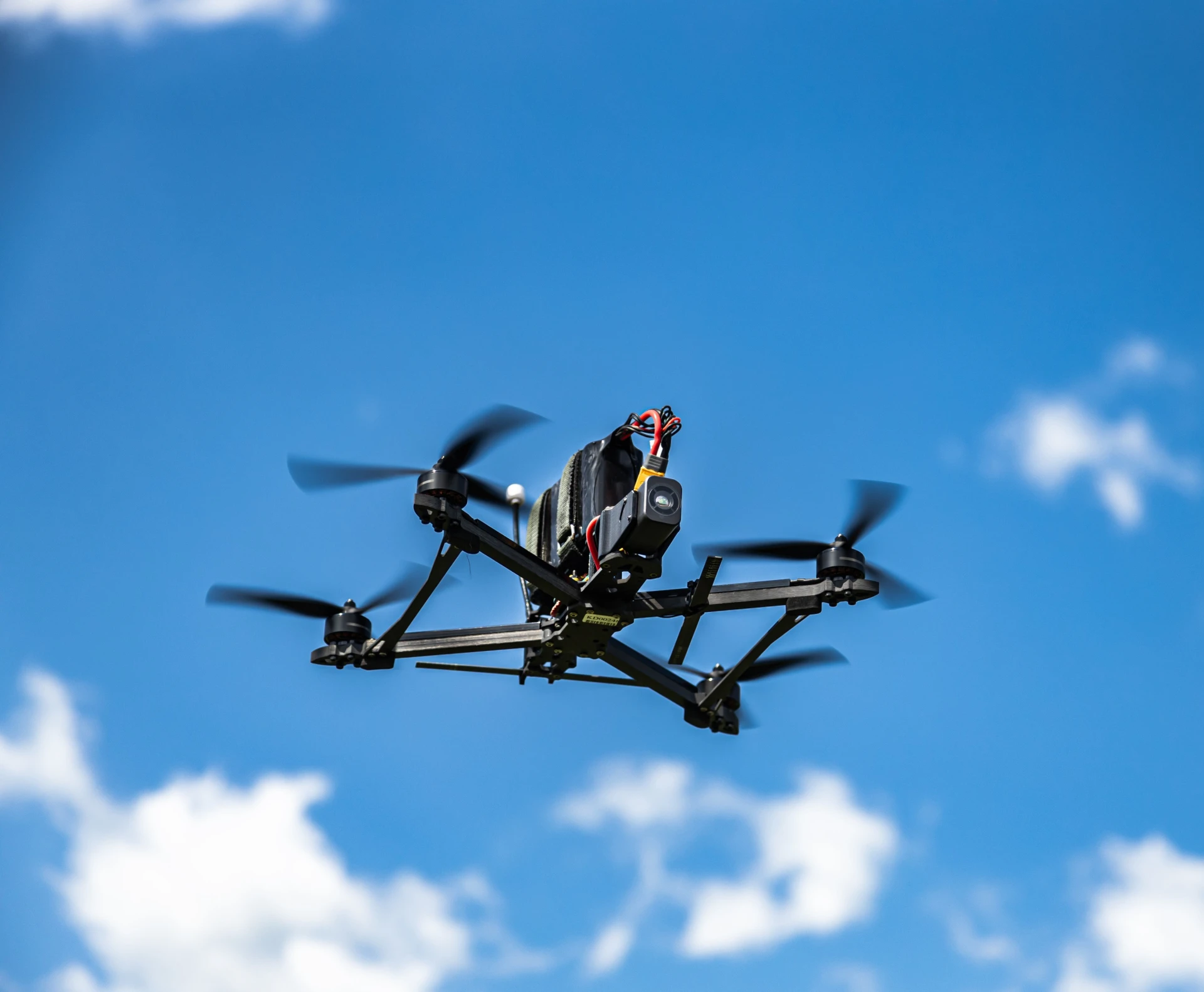



















The most dangerous cease-fires are the ones under which missiles keep flying. That is where the Persian Gulf now finds itself. Formally, a pause has been declared between the United States and Iran. In practice, Kuwait, the United Arab Emirates and Saudi Arabia are still reporting drones, missile threats and direct danger to oil and energy infrastructure. From the outside, this looks like an unstable truce. For the Gulf states themselves, it looks like proof that the core danger has not gone away.
That is the central paradox of the moment. The arrangement between Washington and Tehran was supposed to symbolize de-escalation. Instead, it exposed a new asymmetry: major powers can agree to pause, while their regional partners continue living under pressure. Gulf security is no longer defined simply by the fact of American presence. It now depends on how long Iran is willing — or able — to sustain pressure through missiles, drones and other asymmetric tools.
What makes this especially painful is that, for the Arab monarchies, this is not only a military crisis. It is an existential one. Their development model was built for decades on the image of secure oases — places where capital, tourism, trade and energy logistics could thrive without war entering airports, ports, hotels and power grids. That model is now under direct strain. As Daycom has argued before, in the modern Middle East real defeat often begins not with the loss of territory, but with the loss of a reputation for safety.
The attacks that continued after the cease-fire revealed another critical fact: even a weakened Iran retains the ability to keep the region in a state of nervous anticipation. It does not need to destroy everything at once. It only needs to sustain instability — to hit selected targets, keep air defenses activated, raise insurance costs, disrupt logistics and increase the price of normal economic life. This is no longer war in the classical sense. It is a strategy of attrition through permanent threat.
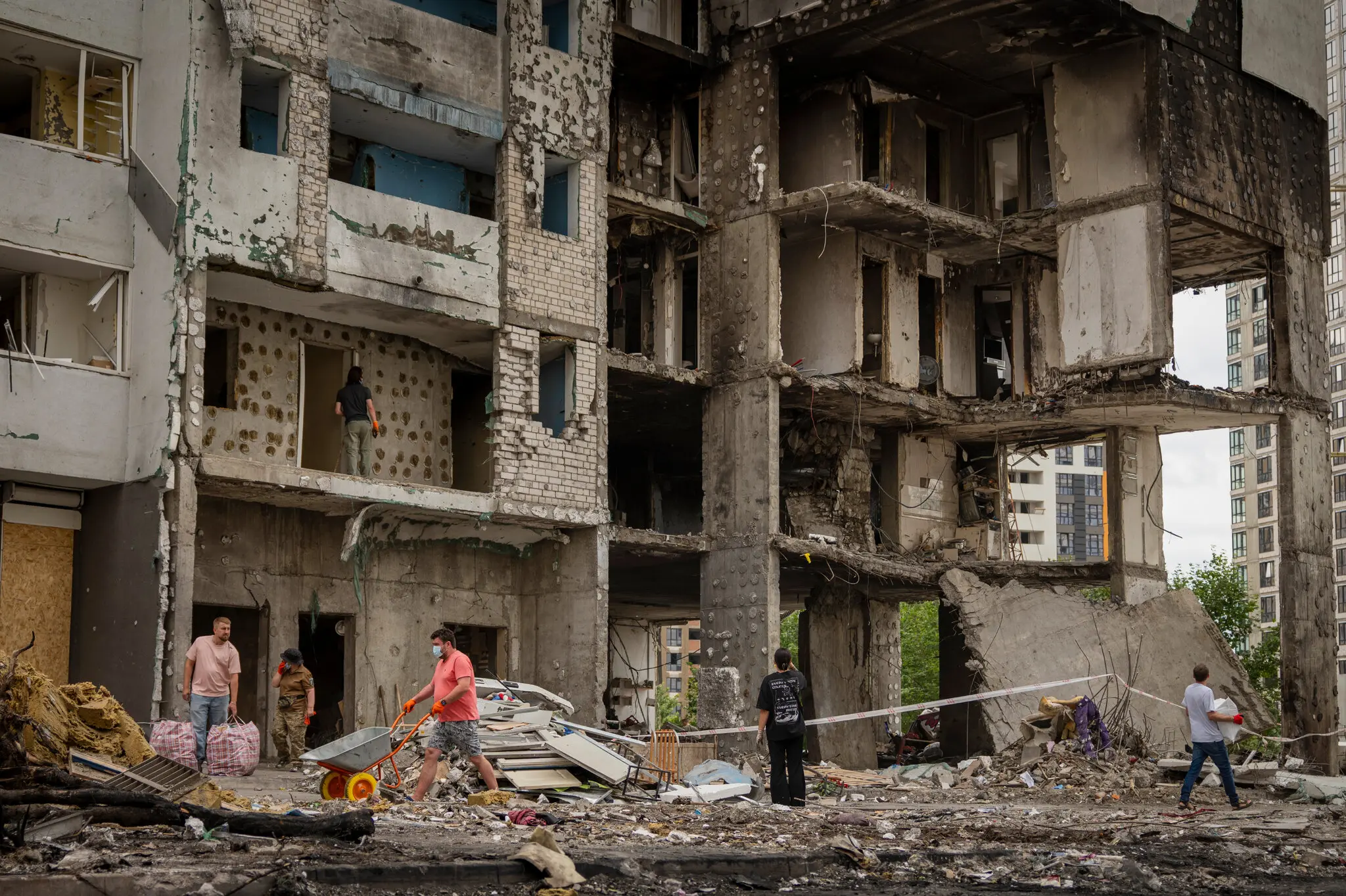
That is why the post-truce strikes land so heavily on the Gulf states. The issue is no longer only damaged infrastructure or civilian casualties. It is the breakdown of the development logic itself. When a state has spent years investing in its status as an international hub, only to discover that its oil facilities, energy systems and civilian networks are all exposed, the blow lands not only on the budget. It lands on the future.
The timing makes the shock even sharper. Saudi Arabia, the UAE, Qatar and others had spent recent years trying not so much to eliminate tension with Iran as to manage it — through diplomacy, commerce and cautious coexistence. The restoration of Saudi-Iranian ties, Doha’s repeated mediation roles, the region’s broader turn toward pragmatic de-escalation — all of it rested on one assumption: risk could be softened if confrontation was kept below the breaking point. After this war, that assumption looks badly damaged.
It is especially telling that even Qatar, which long prided itself on serving as a communication channel between adversaries, is now speaking in the language of broken trust. That matters. If even the region’s most agile intermediary concludes that normal relations with Iran may be beyond repair for a long time, then the problem has already moved beyond ordinary rivalry. It has become a crisis of the very possibility of managing conflict through dialogue.
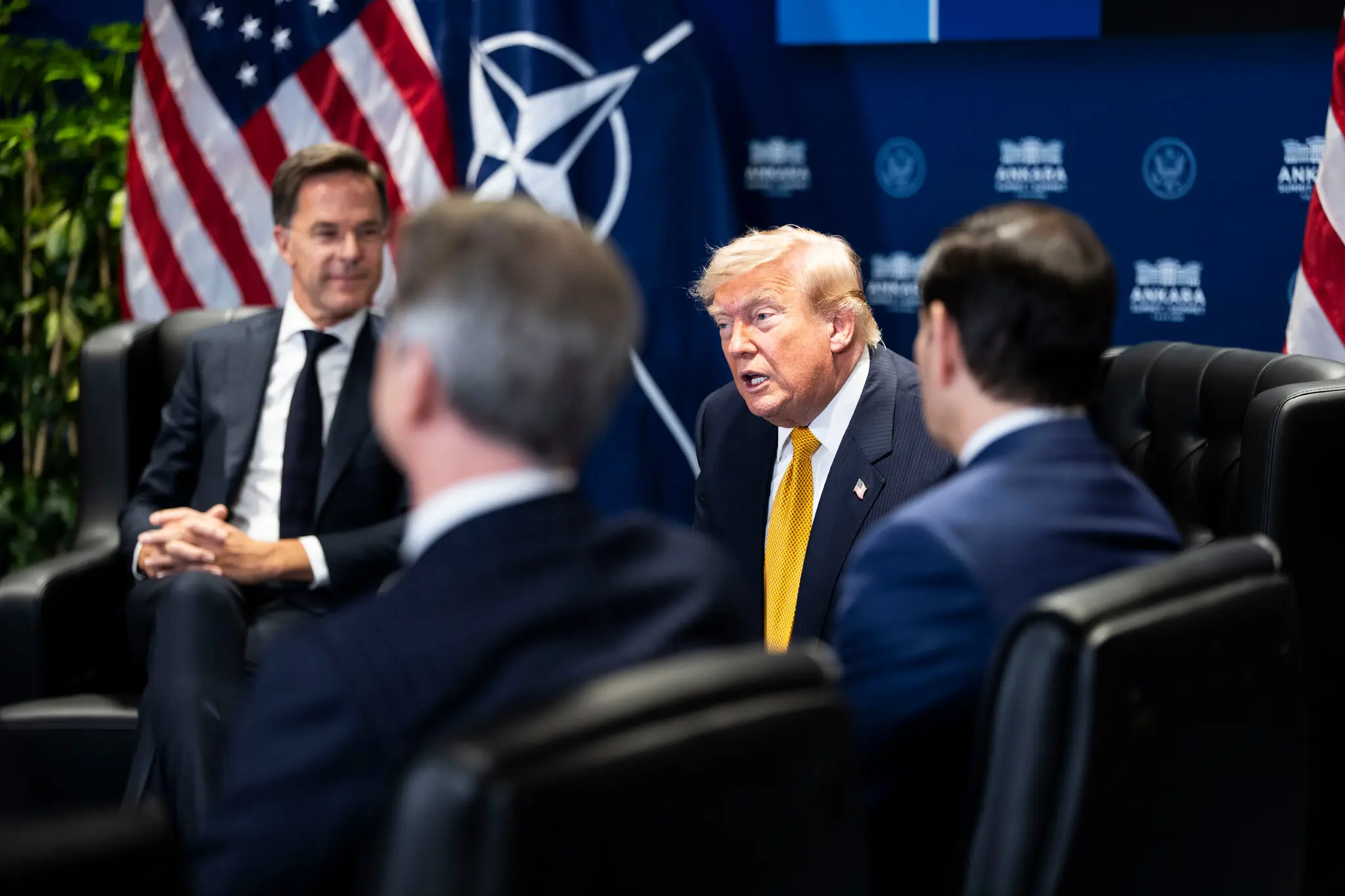
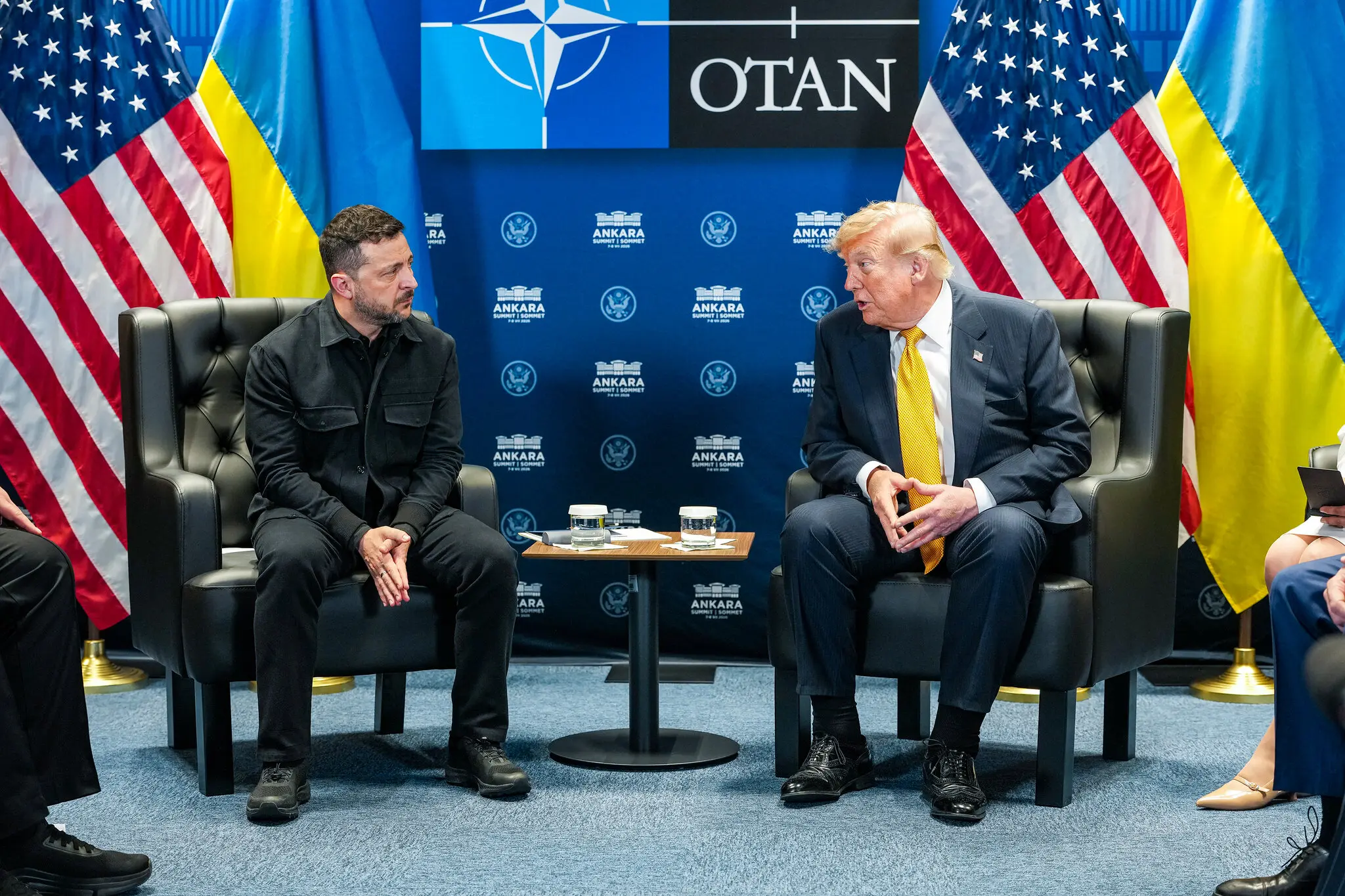
The American factor has been no less destabilizing. For decades, Gulf defense thinking rested on a basic axiom: the United States was the ultimate security guarantor. Weapons purchases, military basing, political bargains and the psychological confidence of ruling elites were all built on that assumption. Now the structure looks far less secure.
The problem is not only that Washington failed to fully protect its partners from Iranian attacks. The deeper issue is that the United States can begin a war, negotiate a pause or reduce escalation, while the consequences remain inside the region. For the Gulf monarchies, that creates a harsh new truth: the principal ally may change the phase of the conflict, but it does not necessarily remove the shadow the conflict leaves behind.
That is the real turning point. The Arab monarchies can no longer imagine security as something guaranteed from outside. They will either have to search for a new model of deterrence against Iran or prepare to live under chronic fragility. Both paths are expensive. Both imply a reassessment of everything from military doctrine to economic strategy.
That is why anxiety around infrastructure is now so intense. Oil, electricity, ports, airports, tourism assets — everything that once symbolized prosperity now also appears as a target. In that sense, Iran has already achieved part of its strategic effect without total destruction. It has shown that it can undermine not only defense systems, but the psychology of prosperity itself.
The current cease-fire, then, should not be read as a return to stability. It is better understood as the transition into a new phase of regional uncertainty, one in which a formal pause between the United States and Iran can coexist with real fear in Riyadh, Doha, Kuwait City and Abu Dhabi. That duality is what makes the moment so dangerous: on paper, the war has slowed. In the air above the Gulf, it is still present.
In the end, the most important consequence of these attacks is not the number of drones or missiles. It is that the Gulf states have lost their remaining illusions about the old order. They can no longer assume that diplomatic warming with Iran automatically lowers the threat. They can no longer fully rely on the American shield. And they can no longer pretend that war is something happening elsewhere. It is now inside the architecture of their security — and may remain there for a long time.