



















Financial markets always like the word cease-fire more than war itself likes a pause. That is why oil prices fell sharply after the announcement of a two-week truce between Washington and Tehran. For traders, that alone was enough to reduce immediate fear: the risk of a sudden escalation appeared to ease, and with it some of the anxiety over global supply. But on the ground — and more precisely at sea and at the wellhead — very little returned to normal.
Tanker traffic through the Strait of Hormuz remains tense. Producers are not rushing to restore full output. And the path back to anything resembling prewar routine is proving far more complex than a simple shift in investor mood. What looks like relief on a screen does not yet look like recovery in the physical energy system.
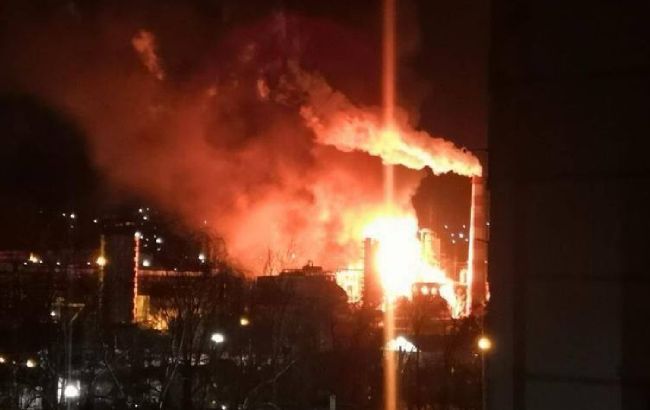
That is the central divide between political time and energy time. Politics can change tone overnight. Energy cannot. Even if large-scale strikes pause for a few days, that does not suddenly make shipowners feel safe or producers ready to reopen wells. Drones and missiles have continued to shape behavior across the region even after the truce announcement. For operators, the signal therefore remains contradictory: paper de-escalation is not the same thing as real security.
At this point, it becomes essential to note something Daycom has emphasized before: modern energy security is determined not only by the existence of resources, but by trust in the route. In this crisis, the route is the real nerve center. And until Hormuz becomes predictable again, the market will remain only conditionally reassured.
The core problem is not simply the existence of a blockade or disruption. It is the psychology of re-entry. For the Gulf energy system to function normally again, it is not enough for firing to stop for several days. Fully loaded tankers that have been trapped inside the Gulf need to move through the narrow waterway on Iran’s southern coast on a regular basis. Only then will buyers in Asia and elsewhere begin receiving fuel again, and only then will shipowners start to believe that the risk of renewed attack or closure is truly receding.
Until that happens, producers have little reason to rush into full restoration of output. They are not just waiting for a diplomatic signal. They are waiting for a navigational pattern that proves the signal means something.
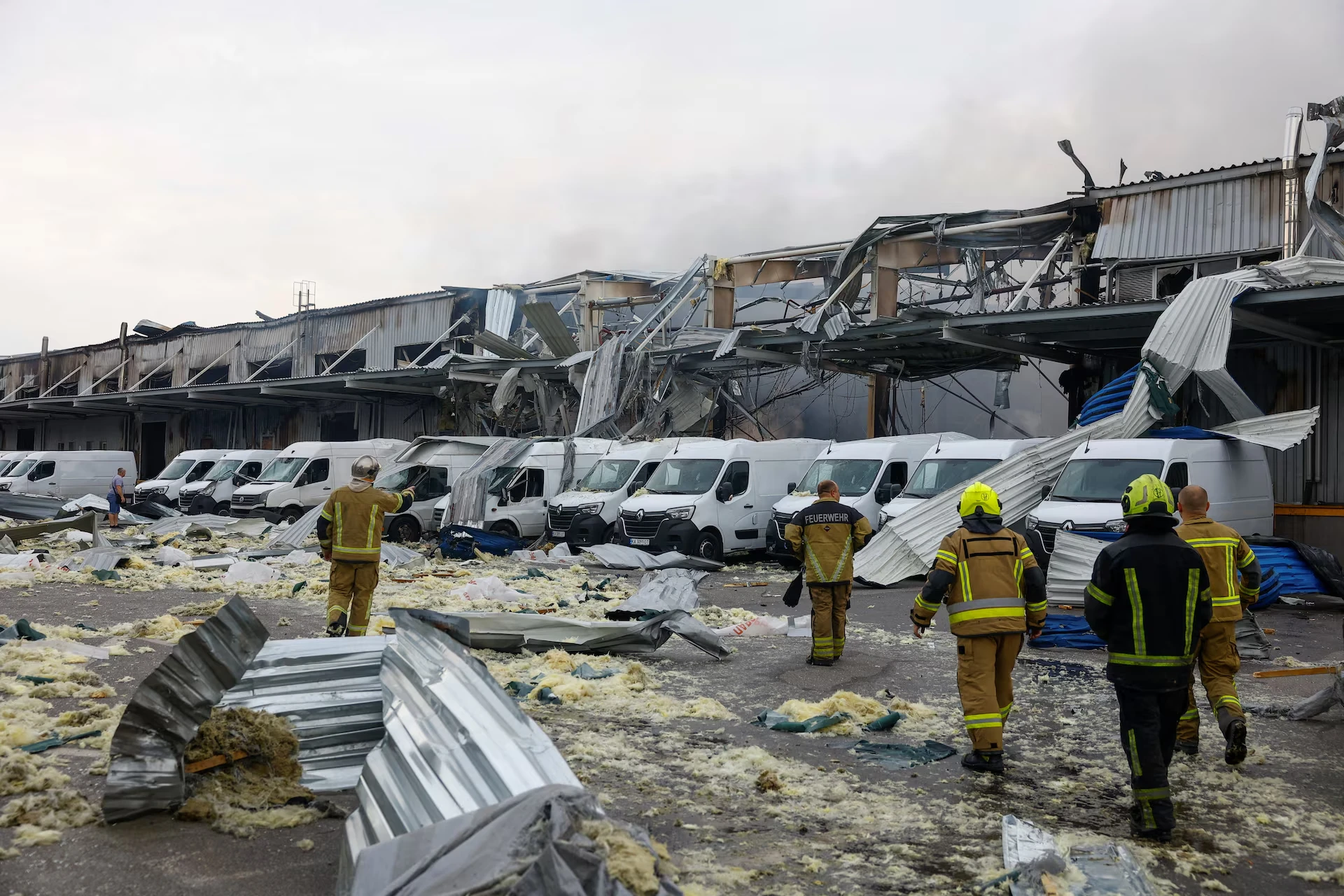
There is another structural reality here. Oil is not a tap that can be turned off and back on without consequence. When exports stop, storage fills. When storage fills, production has to be curtailed or shut in. And once wells are shut in, returning to prior output levels takes time. It requires stabilizing reservoir pressure, checking infrastructure and, in many cases, repairing damaged equipment or logistics links. That is why the sharp decline in oil prices after the cease-fire creates a misleading impression that the system is already moving back toward normal. In reality, even under the best scenario, this is only the beginning of a long recovery process.
Analysts have estimated that roughly a tenth of global oil supply was switched off after the war began. That is an enormous share. But the more important fact is that not all of that supply will come back at the same speed. Some wells will restart relatively easily. Others will face technical, logistical or infrastructural constraints, especially where storage sites, pumping systems, terminals or supporting facilities were damaged. In other words, the market can react to a political event within hours, while the physical system may take weeks or months to recover.
That is what makes the present moment so deceptive. On one level, falling oil prices signal relief and a temporary easing of panic. On another, actual production, actual shipping and actual infrastructure remain hostages to distrust. The Gulf energy system will not return to anything like its old rhythm until ships are moving in and out regularly, until storage tanks begin to clear and until operators are convinced that another round of strikes will not derail the entire process once again.
In that sense, the market is already living in the logic of respite, while producers remain stuck in the logic of threat. And those are not the same thing.
The wider lesson is just as important. This crisis shows how fragile the mechanism of global energy stability really is. The world had grown used to seeing the Persian Gulf as a region of high geopolitical risk but reliable supply. What this war has demonstrated is that even a short conflict can do more than lift prices. It can freeze the production logic of an entire region. If the threat to Hormuz once seemed like an extreme hypothetical, it has now become a lived operational reality for companies, insurers and shipowners.
That is why the fall in oil prices after the cease-fire should be read as an emotional reaction by the financial system, not as proof of actual normalization. The real indicator will not appear on a trading screen. It will appear in the strait itself: when tankers move regularly, when storage begins to empty and when wells can be reopened without fear that the next strike will shut everything down again.
Until then, Gulf energy remains frozen — even if politics has already begun speaking the language of peace.