




















The two-week pause between Washington and Tehran revealed the central fact of this conflict: the United States still has the capacity to resume combat quickly, but it no longer has the same political ease in deciding to do so. The war has moved beyond the phase of raw demonstration and into the far more difficult phase of consequence.
Formally, the American position remains hard-edged. Military commanders continue to signal that U.S. forces in the Middle East are prepared, and that diplomacy does not remove the option of renewed strikes. But the language itself has changed. It now sounds less like a confident promise of another campaign and more like leverage designed to shape the negotiations.
That distinction matters. In the early stage of the conflict, the White House could present the operation as a precise act of coercion, a sharp display of force with a contained objective. Now every additional move would have to justify not only its military logic, but also its economic, electoral and international price.
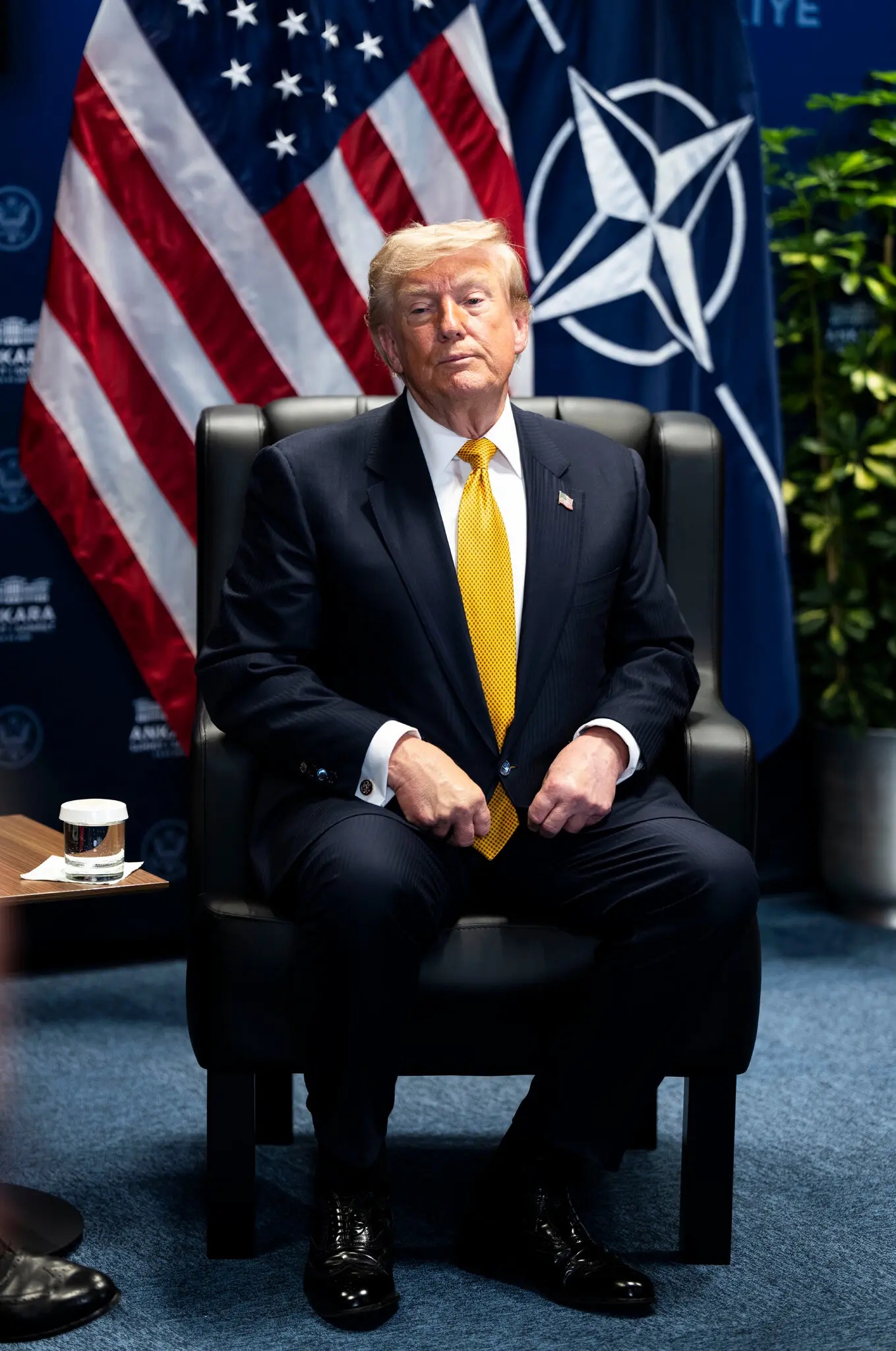
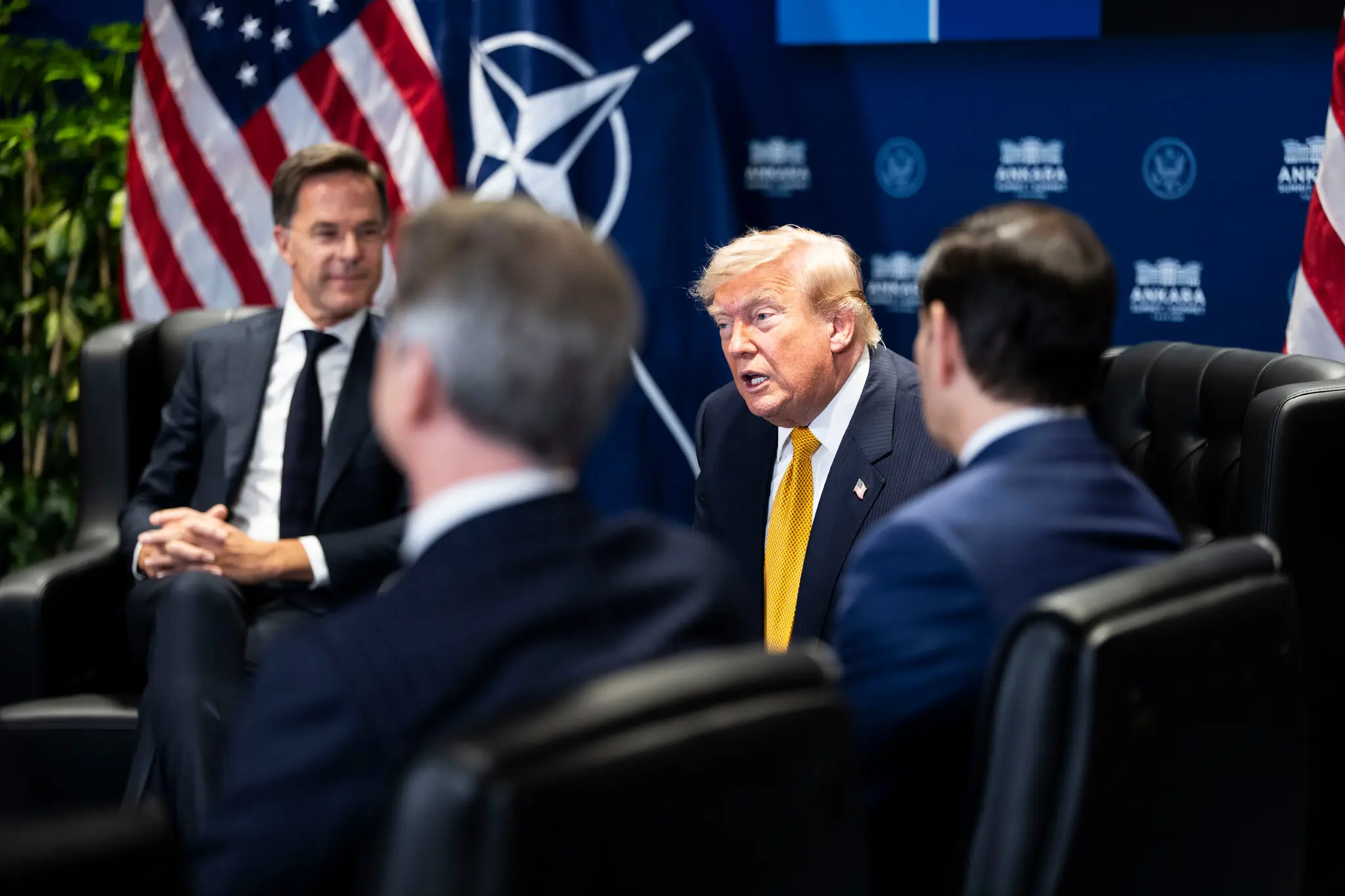
It is here, according to Daycom’s earlier analysis, that the true tension of the moment becomes visible. For Donald Trump, the Iran campaign is no longer simply a matter of pressuring Tehran. It has become a test of whether military superiority can be converted into a manageable political outcome, without sliding into a prolonged war, a market shock or a deeper domestic split.
The market has already shown the White House what success looks like in practical terms. Once the pause in hostilities took hold, oil retreated from its peak, equities climbed, and the prospect of safer shipping through the Strait of Hormuz eased fears around fuel, logistics and inflation. For a president who measures outcomes through visible and immediate effect, those signals matter far more than any carefully worded briefing.
That creates a new vulnerability for Washington. If de-escalation produces quick relief—lower oil pressure, calmer markets, less anxiety among allies—then a return to military action automatically begins to look like a choice made against the very benefits the White House has just secured. Politically, that is far harder to sell.
All the more so because the opening phase of the campaign left too many uncomfortable questions behind it. Allies were not fully aligned with the pace of escalation, regional partners were exposed to the risk of retaliation, and within the United States the operation failed to become an uncontested national cause even among many who traditionally favor a hard line on Iran.
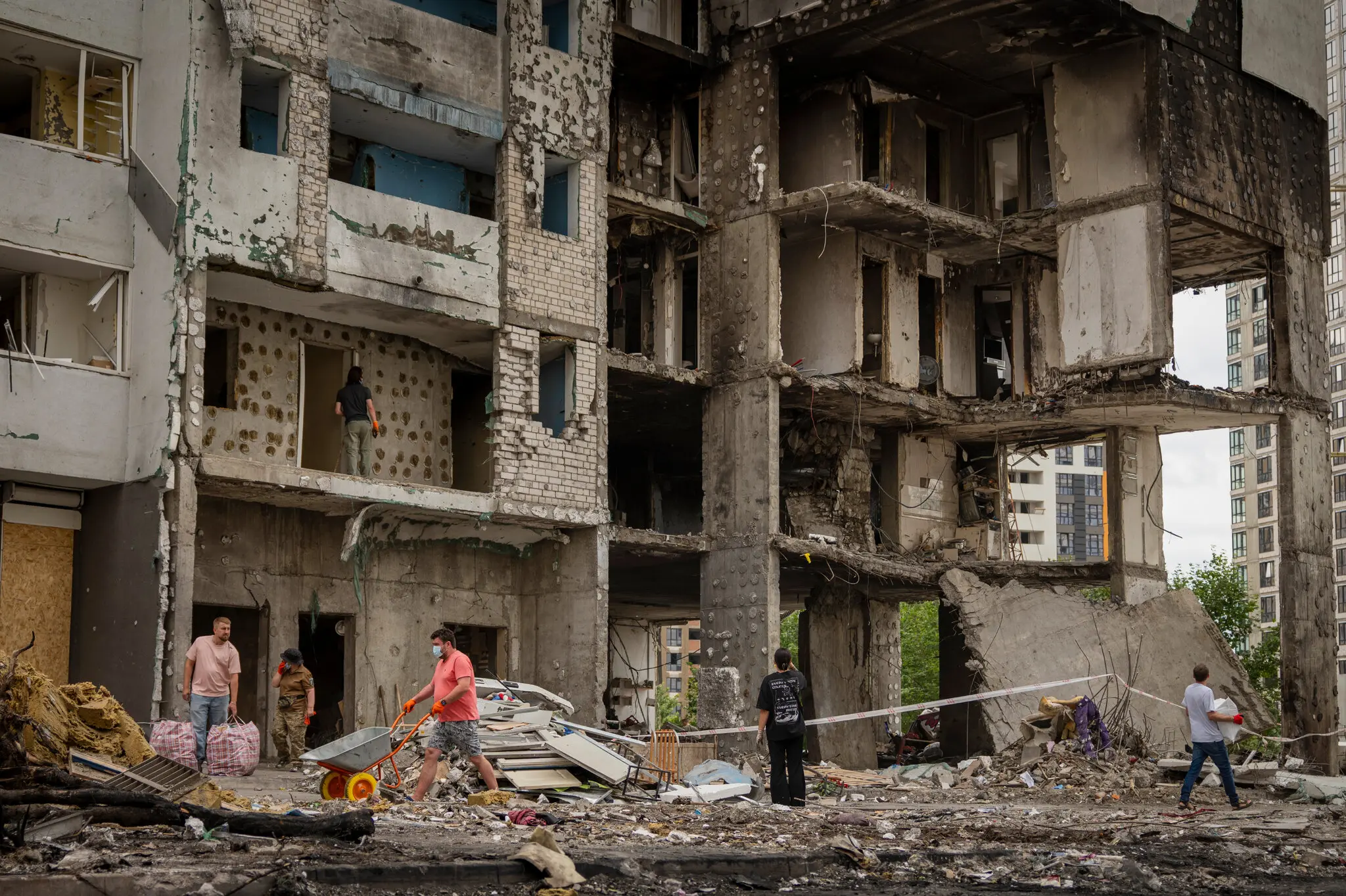
A war launched as a display of resolve quickly ran into an old American problem: military power is far easier to employ than to conclude. A strike can be ordered quickly. It is much harder to define in advance where the campaign ends, what counts as a sufficient result, and how much strategic ambiguity the political system is willing to tolerate.
Iran, for its part, has understood the new balance as well. Even weakened, it retains its key asymmetric lever: the ability to turn the Strait of Hormuz back into a source of global nervousness. That means Tehran still has a way to raise the cost of American decision-making without matching U.S. power on the battlefield.
This is the present equilibrium of fear. The United States can resume operations rapidly. Iran can just as quickly restore a sense of crisis to the market through threats to shipping, oil prices, insurance, transport and investor sentiment. On paper, the two sides are unequal. But politically, the price of the next step has become uncomfortably high for both.
That is why the talks matter not only as diplomacy, but as a mechanism for buying time. For the White House, they preserve the image of control without requiring an immediate return to bombing. For Iran, they offer a chance to shift the confrontation from direct military pressure into a bargaining space where even the weaker side can exploit the fear of a larger war.
Yet the pause does not solve the core problem. Washington’s original objectives were framed so broadly that almost any interim outcome now risks looking incomplete. If the White House insists on a maximal result, the danger of renewed escalation remains high. If it settles for a partial outcome, it will have to admit the limits of its own coercive strategy.
The question of Iran’s nuclear stockpiles remains especially sensitive. That issue may well define the line along which the next rupture occurs. For the moment, diplomacy allows the hard choice to be delayed. But if negotiations reach an impasse over control, removal or neutralization of critical material, Washington will have to decide whether it is prepared to move into a more dangerous phase of the conflict at a far higher possible cost.
Against that backdrop, the personal political dimension becomes impossible to ignore. For Trump, war is never only war. It must also fit into the logic of ratings, visual impact, economic signaling and electoral manageability. A prolonged conflict accompanied by higher gasoline prices sits poorly with the image of a leader who promises strength without long and visible costs.
That is the paradox of the moment. The U.S. military may indeed be fully capable of returning to combat with speed and force. But the more credible that military readiness appears, the more visible the White House’s political reluctance becomes if the next round of escalation cannot deliver an immediate and uncontested result.
The cease-fire therefore rests neither on trust nor on genuine settlement. It rests on a mutual understanding that the next phase of war may simply be too expensive for each side, even if for very different reasons. For Iran, it is a matter of regime survival and strategic endurance. For Washington, it is a matter of oil prices, allied stability and domestic politics.
If the two sides fail to move toward a credible framework in the coming days, the White House will face an unpleasant choice. It can return to war with a higher political stake than before, or it can accept an incomplete outcome and call it victory. That dilemma, more than the cease-fire itself, is what makes the present pause so fragile—and so revealing.