

















The fragile Middle East ceasefire gave traders exactly what they wanted most: a brief return to risk. Equities rebounded, appetite for volatility revived and the market did what it always tries to do first — buy relief before reality has had time to reject it.
Yet by the end of the week it was already clear that this was not a restoration of normalcy. It was only a pause inside a new and more dangerous framework. Markets may still rally on a diplomatic headline, but they no longer believe that a truce by itself can erase the economic damage the war has already done.
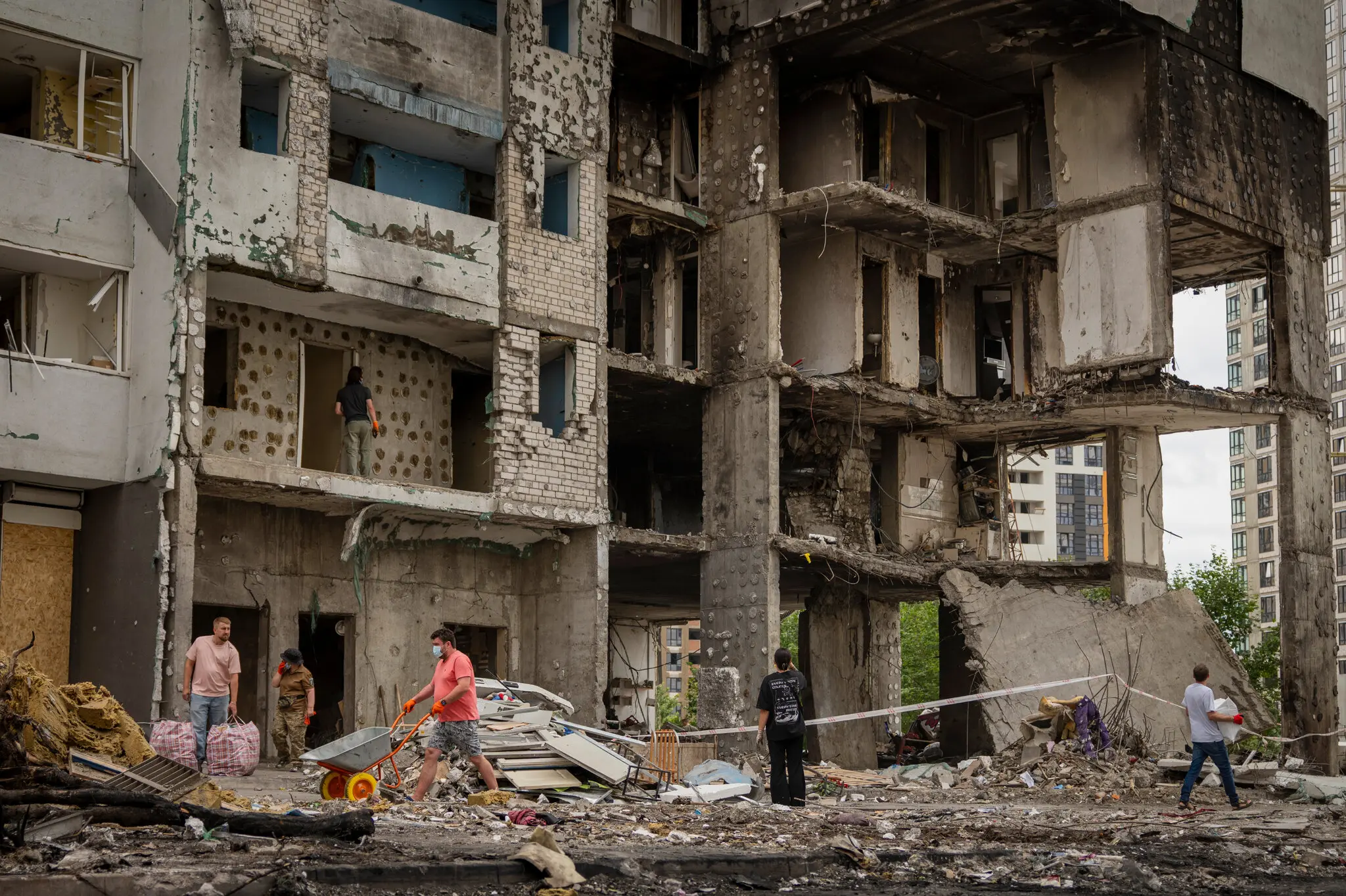
The crucial shift has taken place not on trading screens but in the macro data. The conflict has moved out of geopolitics and into the everyday economy: energy costs have surged, inflation has reaccelerated and consumers are once again feeling that a distant war is no longer distant at all.
As Daycom’s earlier analysis suggested, 2026 has stopped looking like a year of soft landing and started looking like a year of endurance under a supply shock. The market is no longer pricing only earnings, productivity and rate policy. It is pricing the duration of an expensive barrel of oil that can reshape the entire year.
That is why the baseline Wall Street story for 2026 has begun to fracture. At the start of the year, the framework was relatively comfortable: artificial intelligence would support corporate growth, inflation would continue cooling and the Federal Reserve would eventually resume easing. Now that same framework looks conditional at best. It depends, above all, on whether oil can settle down quickly enough to keep the damage contained.
The problem is not simply that energy has become more expensive. The deeper problem is that expensive energy changes expectations. A temporary oil shock is one thing. A shock that starts to alter the way households think about prices, spending and the cost of daily life is something else entirely. Once that happens, the central bank faces its least comfortable position: growth may weaken, but inflation remains too alive for policymakers to move with confidence.
That is why the war has done something more serious than interrupt a rally. It has changed the language of forecasting itself. Strategists who entered 2026 with relatively clean bullish scenarios are now operating in a different mode. They are no longer projecting straightforward upside. They are stress-testing assumptions.
This does not mean Wall Street has turned broadly bearish. Most of the major strategists still sound more cautious than panicked. Some continue to believe that AI-driven productivity will support the economy over time. Others see opportunity in bonds now that yields have reset higher. Some remain constructive on equities, but only under increasingly narrow conditions. The overall tone has not become apocalyptic. It has become conditional.
That distinction matters. Markets are not collapsing because investors suddenly believe a recession is inevitable. They are hesitating because the old optimism now requires more caveats than before. A market that once expected policy support and broadening gains now has to ask harder questions: how long can oil stay elevated, how much of that passes into inflation, how long does the Fed remain sidelined and what happens if growth slows before inflation does.
This is where the current relief rally becomes misleading. It suggests resilience, and in one sense that resilience is real. Corporate earnings have not collapsed. Bond yields, while elevated, have not yet become disorderly. Investors have not abandoned risk altogether. But none of that changes the central fact: the war has already begun to alter the economic terrain on which the rest of 2026 will be fought.
The damage is visible precisely because it is no longer theoretical. Inflation is no longer merely a policy debate. It is moving through energy and into household psychology. Consumer confidence is no longer just softening. It is reflecting the return of a familiar fear — that prices may remain painful even if the headlines calm down. The Fed, in turn, is no longer being discussed as the institution that will eventually rescue the cycle. It is increasingly being viewed as trapped between inflation pressure and weakening momentum.
That is the new market regime. The question is no longer whether a ceasefire can produce a short-term bounce. It clearly can. The question is whether the economy can absorb a geopolitical oil shock without sliding into a more uncomfortable mix of slower growth, sticky inflation and delayed monetary relief. That answer remains open, and because it remains open, every rebound now feels less like conviction than like a provisional trade.
In that sense, the war has already broken the original 2026 script. It has not destroyed the possibility of a good year for markets. But it has made that possibility far more dependent on one variable than investors had expected: the price of energy and the duration of the shock behind it.
That is why the current moment should be read with restraint. The ceasefire may hold, and diplomacy may yet reduce the immediate danger. But market damage does not end with the first headline announcing calm. Once a conflict has begun to reshape inflation, consumer sentiment and central-bank expectations, the financial aftershock outlives the military pause.
So Wall Street is now operating under a different logic. Not the logic of uninterrupted upside, but the logic of resilience under stress. And as long as oil remains the hinge on which the whole outlook turns, every forecast for equities, rates and growth will look less like a confident target and more like a contingent wager with a very expensive barrel in the denominator.