






















A drone hit a residential high-rise in Moscow just as the Russian authorities were preparing the state’s most important ritual of the year: the Victory Day parade. The physical damage was limited, and no casualties were reported. But the symbolic effect was far larger. The capital, long presented as a protected center of imperial stability, saw the war return to its own sky.
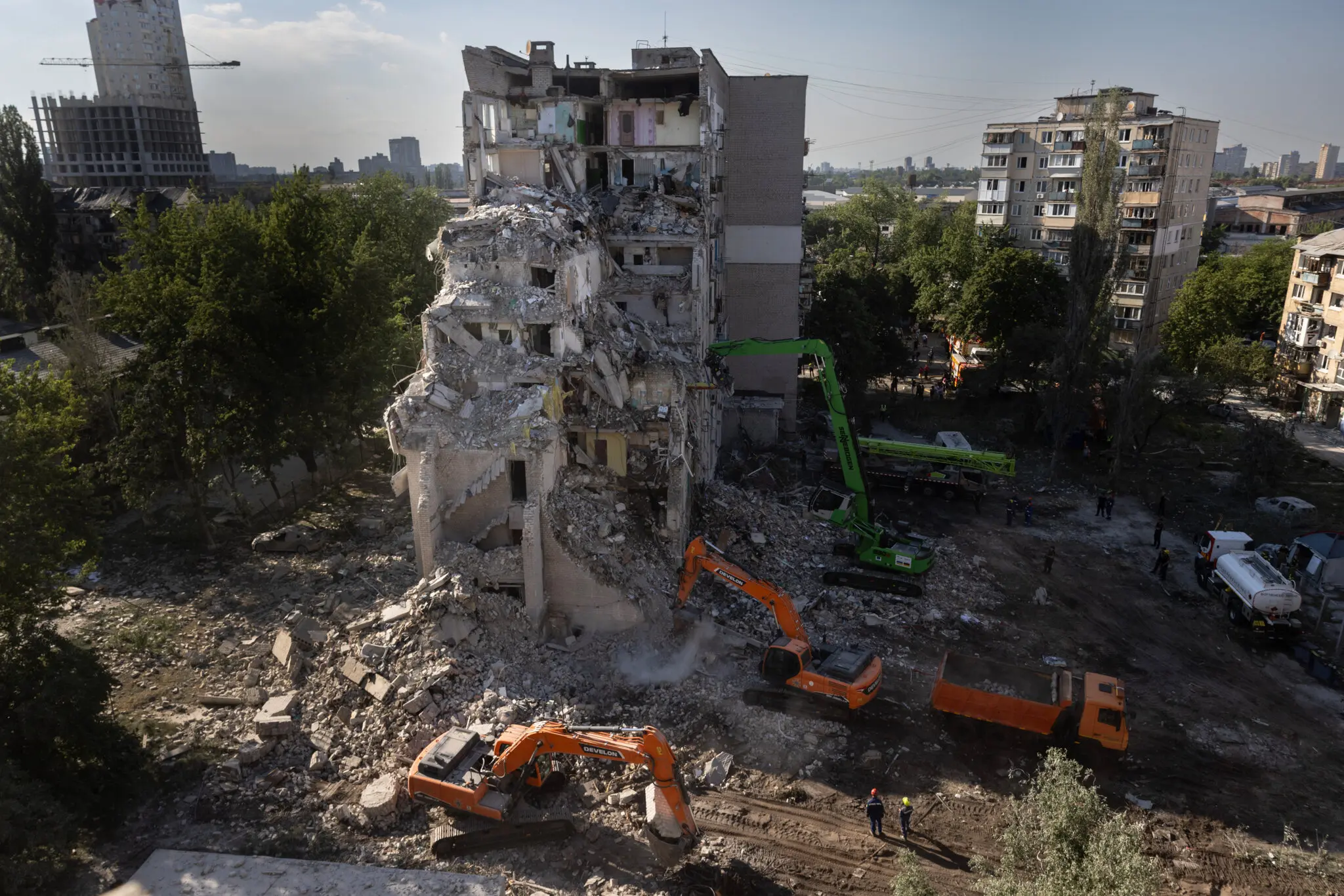
The strike occurred in the early hours of May 4, five days before the May 9 celebrations. One floor of a 54-story building in southwestern Moscow was damaged. The area near Mosfilm is not an industrial zone or front-line infrastructure, but a quiet urban landscape of Russian wealth. That made the very fact of the strike especially uncomfortable for the Kremlin.
Moscow did not directly name the perpetrator, and Kyiv did not comment on the attack. But the incident fits a broader pattern of recent weeks: Ukraine has been expanding long-range strikes inside Russia, particularly against oil, transport and military infrastructure. The war is increasingly returning to the country from which it was long presented as a distant operation.
According to Daycom’s earlier analysis, the main significance of this strike lies not in the damaged facade. It exposed the weakness of Russia’s air defenses at the very moment the Kremlin was preparing an event it has used for decades to project historical greatness, military continuity and control over the country.
For Vladimir Putin, the May 9 parade has long ceased to be merely a commemorative ceremony. It has become an instrument for politically legitimizing the war against Ukraine. The Kremlin has steadily fused the Soviet victory over Nazism with its current aggression, replacing historical memory with a mobilizing myth of an unfinished struggle.
That is why any vulnerability in Moscow on the eve of the parade strikes at the central image of Russian power. If drones can reach the capital, if heavy military equipment is removed from the parade, if Red Square must be protected not for spectacle but against attack, then the ritual of strength begins to speak not of confidence, but of fear.
Russia has already been forced to scale down the parade. For the first time in many years, it is expected to proceed without heavy military equipment, and the participation of cadets from military schools has also been canceled. Formally, this can be explained as a security measure. Politically, it looks like an admission that even in the capital, the Kremlin can no longer guarantee a flawless image.
Ukraine’s strategy of long-range strikes works on several levels. The first is economic: attacks on refineries, export facilities and the shadow fleet are meant to weaken the revenue streams that finance Russia’s military. The second is military: forcing Moscow to stretch its air defenses, protect deep rear areas and spend resources far from the front.
The third level is psychological. Russian society long lived with a model in which the war was a television story, a mobilization campaign or news from occupied territories. A drone striking a Moscow high-rise breaks that distance. It does not alter the balance of power by itself, but it changes the feeling of safe remoteness.
For the Kremlin, this creates a dilemma. To acknowledge the seriousness of the threat is to admit that the war has returned to Russian cities. To minimize the strike is to leave unexplained why the parade is being scaled back and why capital security is being reinforced. The authorities are forced to project calm while preparing for the worst-case scenario.
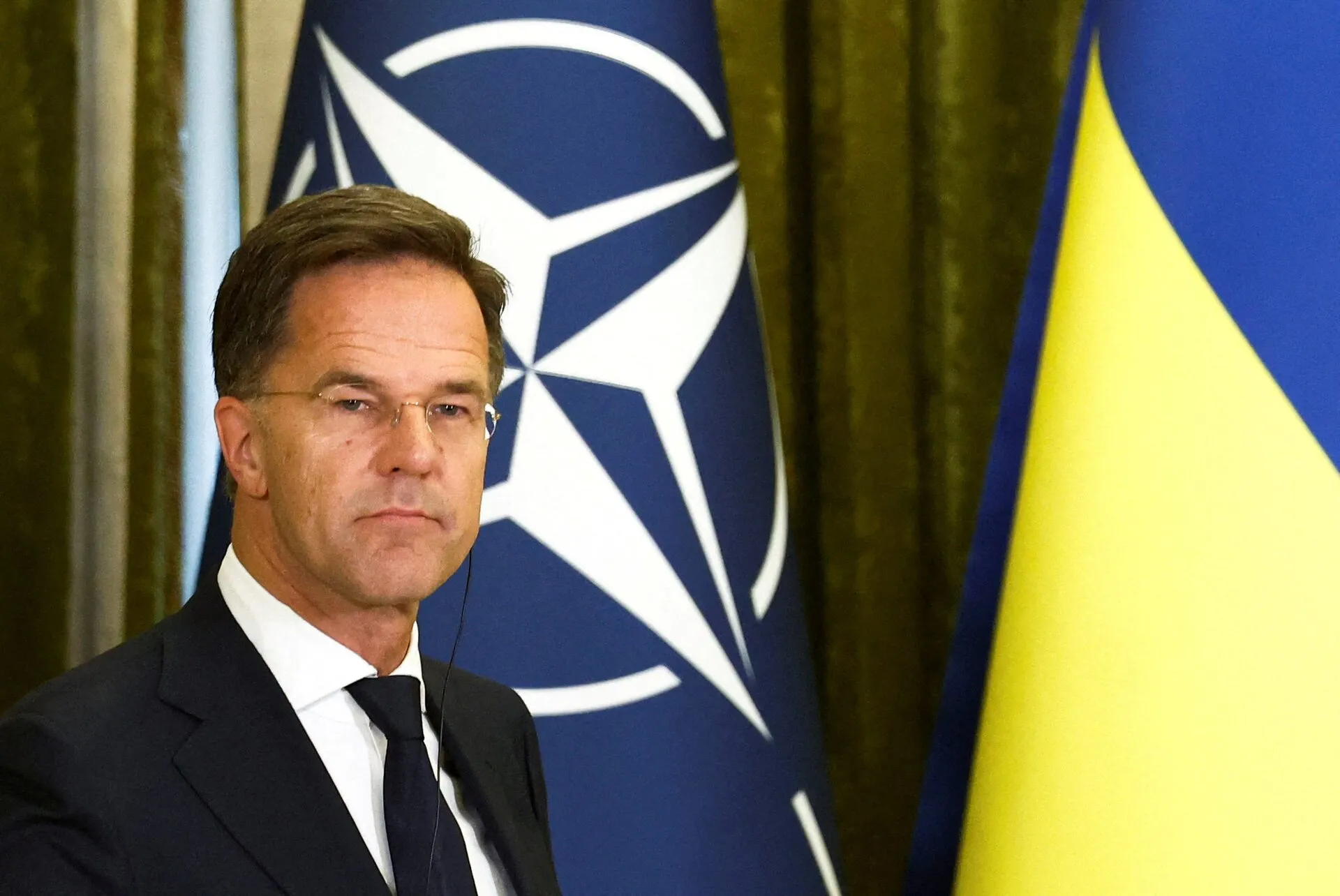
The announced cease-fire proposals only underline this nervousness. Putin proposed a pause for May 8 and 9, precisely around Russia’s calendar of celebration. Zelensky answered differently: Ukraine was ready for a real cease-fire, not a short pause that would allow Moscow to hold a parade undisturbed. Kyiv separately signaled readiness for a cease-fire beginning May 6, shifting the focus from symbolism to human lives.
This exchange of dates reveals two different political logics. The Kremlin needs a cease-fire as scenery for a ritual. Ukraine needs one as a tool to reduce losses and test the intentions of the aggressor. That is why a brief pause around May 9 looks less like a peace initiative than an attempt to shield a ceremony from the war Moscow itself unleashed.
The threat of a massive strike on central Kyiv if Moscow is attacked during the parade also exposes a weak point in Russian rhetoric. The Kremlin presents the war as a controlled process, yet reacts with maximum emotion when the symbolic space of the capital is threatened. In this logic, Red Square matters more than any formula of de-escalation.
The international timing is also poor for Moscow. Zelensky was in Yerevan as Armenia hosted European leaders. For Russia, this is a painful sign: a country long treated by the Kremlin as part of its sphere of influence is moving more visibly away from Moscow after Russia’s security umbrella failed during Armenia’s crisis with Azerbaijan.
That is why the drone over Moscow and Zelensky’s appearance in Armenia belong to the same political story. Russia’s imperial vertical is losing its aura of invulnerability not only in the air, but also in diplomacy. Where Moscow once expected silent loyalty, it now sees independent decisions, new partners and public gestures that unsettle the Kremlin.
This does not mean Russia has lost the ability to inflict devastating strikes. On the contrary, the threat of large-scale attacks on Ukrainian cities remains high. But the war has changed: Moscow can no longer unilaterally decide where danger exists and where it does not. Ukrainian drones are gradually turning Russia’s rear into a space of military risk.
For Ukraine, such strikes remain a tool of asymmetric pressure. Kyiv does not have parity with Russia in missiles, aviation or resources. But it can impose a new cost of war on its opponent — economic, military, psychological and symbolic. The strike on the Moscow high-rise was exactly that kind of signal.
The May 9 parade will most likely take place. The Kremlin will not abandon a ritual that forms part of its political architecture. But this year it will unfold in a different atmosphere: with less confidence, heavier security, reduced military display and visible anxiety about the sky.
That is the main conclusion. The drone did not destroy Moscow, but it punctured its image. It showed that the war Russia brought to Ukraine no longer fits inside the televised frame of victorious parades. It is returning to the capital as anxiety, restrictions and a damaged floor high above the city — a reminder that imperial rituals cannot cancel reality.