



















Ukraine and Poland remain allies not because there is no painful past between them. They are allies because the Russian threat has made their mutual security more obvious than any diplomatic formula.
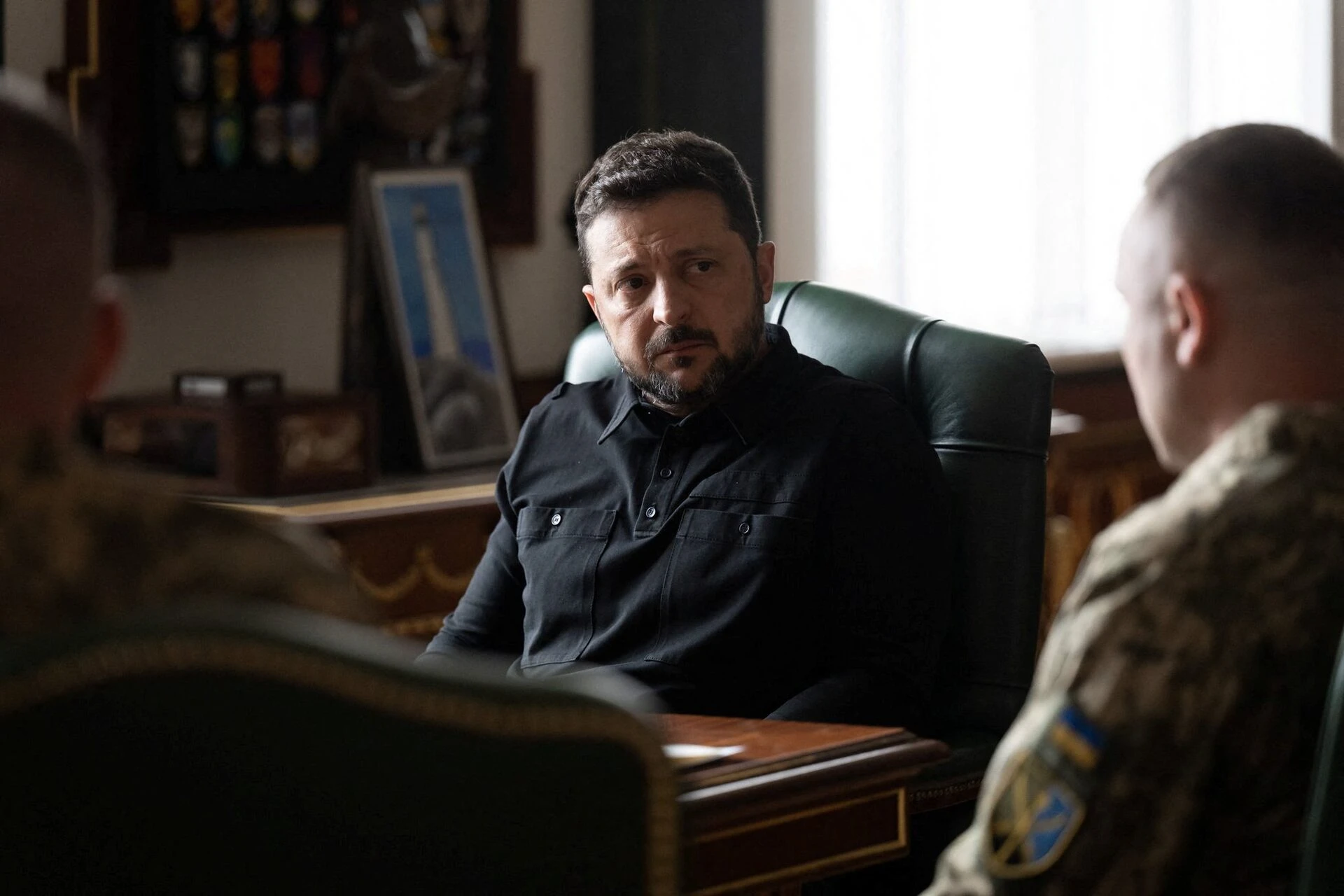
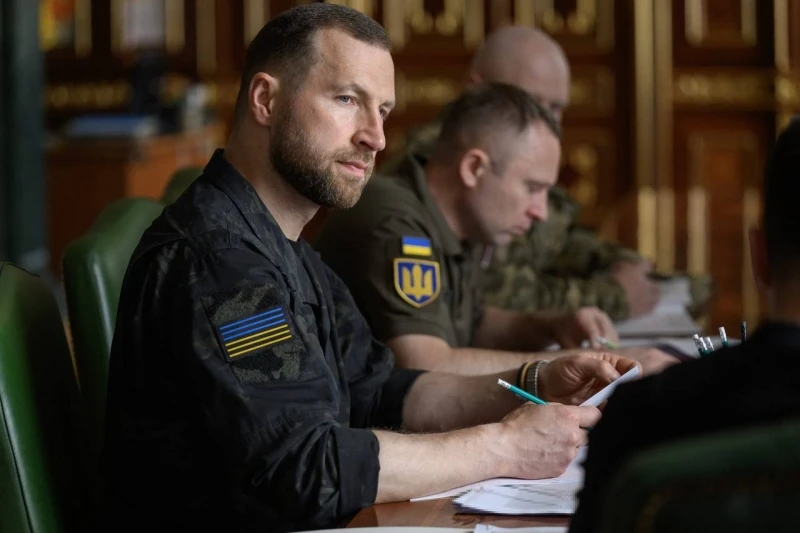
But history has once again intervened in politics. Volodymyr Zelensky’s decision to grant one of Ukraine’s Special Operations Forces units an honorary name linked to the heroes of the Ukrainian Insurgent Army provoked a sharp reaction in Warsaw and quickly turned into a crisis over state honors.
Polish President Karol Nawrocki moved to revoke Zelensky’s Order of the White Eagle, Poland’s highest state award, which the Ukrainian president received in 2023. Zelensky responded by saying he would return it himself. Other Ukrainian officials and former presidents then began handing back their Polish decorations as well.
According to Daycom’s assessment, this dispute is dangerous not because historical disagreement exists, but because of its timing. The war continues, Russia is looking for every crack in the Western coalition, and the Polish-Ukrainian alliance remains one of the main corridors for military, humanitarian and political support to Kyiv.
At the center of the conflict is the UPA, one of the most complicated and painful subjects in the two countries’ shared history. For many Ukrainians, it symbolizes anti-Soviet resistance and the struggle for statehood. For many Poles, the name is inseparable from the killing of Polish civilians in Volhynia and Eastern Galicia in the 1940s.
That difference in memory makes the issue explosive. The Ukrainian view sees the insurgents primarily through their fight against Moscow. The Polish view sees massacres of villages, families and civilians. Both memories contain real trauma, but politics often uses them not for reconciliation, but for mobilization.
In 2016, the Polish parliament recognized the Volhynia events as genocide against the Polish population. In Ukrainian public language, the more common formulation is the Polish-Ukrainian conflict, or war, within the broader violence of World War II. That difference in terms often becomes the starting point for a new cycle of mistrust.
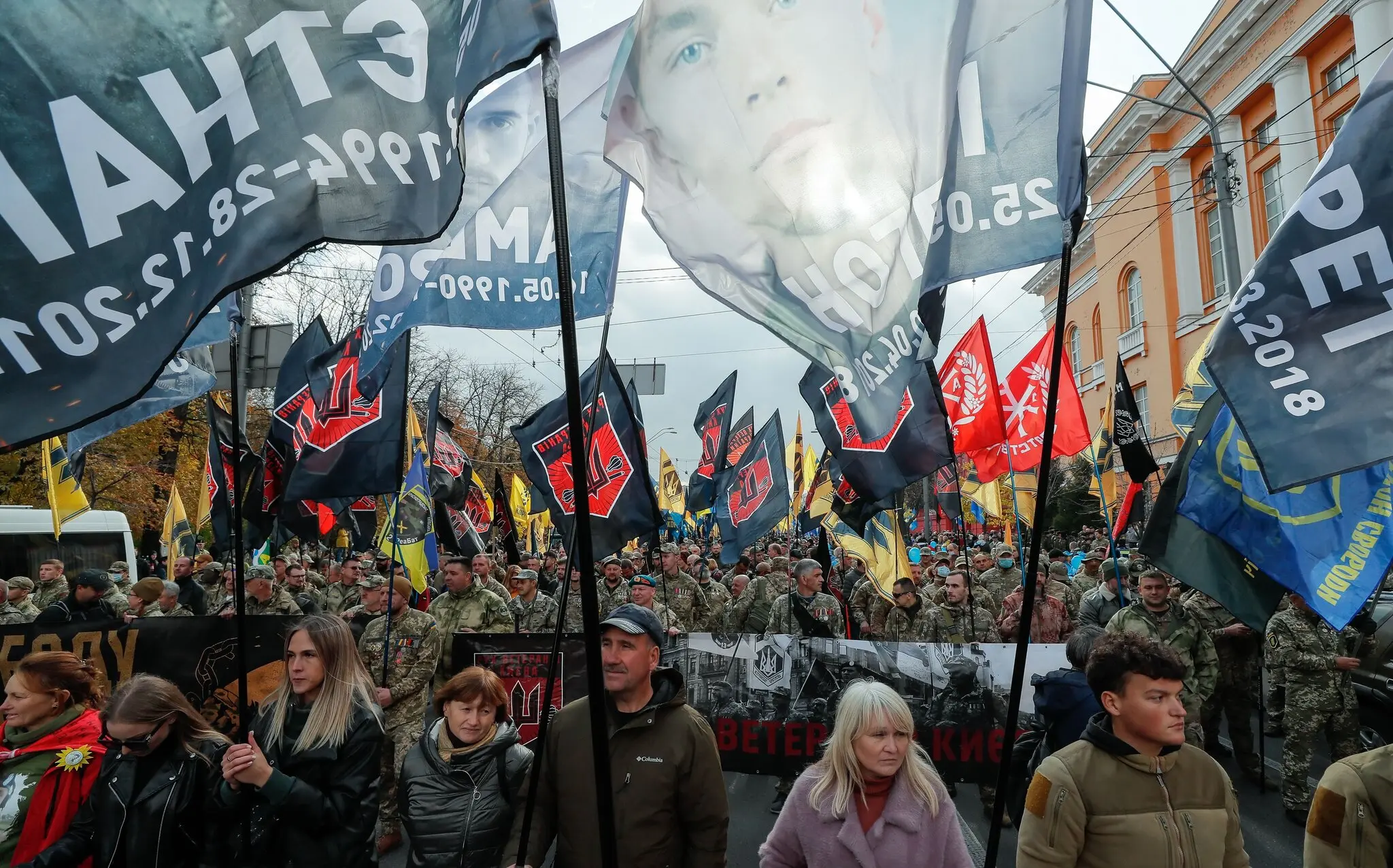 Члени націоналістичних організацій у Києві, Україна, у 2021 році відзначають створення Української повстанської армії — Сергій Долженко/EPA, через Shutterstock
The numbers of victims remain part of the wounded memory as well. Historians speak of tens of thousands of Polish civilians killed and thousands of Ukrainian victims in the reciprocal violence of that period. But in the political consciousness of both societies, these numbers have long ceased to be only the subject of archival work.
For Poland, honoring the UPA by state decree sounds like insensitivity toward a Polish wound. For Ukraine, which is now fighting Russia, invoking anti-Soviet resistance looks like part of its own wartime mobilization, not a gesture against Poland. That clash of meanings is the core of the current rupture.
Nawrocki turned the issue into a sharp political gesture. For a Polish president who relies on a national-conservative electorate and understands the power of historical memory in domestic politics, revoking Zelensky’s award became a way to show that Warsaw would not remain silent for the sake of wartime alliance.
Zelensky’s response was no less symbolic. Returning the Order of the White Eagle was meant to show that Ukraine would not accept humiliation over its own memory and would not allow another state to decide whom it may include in its national history. In that logic, the award stopped being a sign of gratitude and became a battlefield.
The problem is that both gestures work for domestic audiences while damaging external trust. Polish voters sensitive to Volhynia see Nawrocki as a defender of memory. Ukrainians exhausted by war see Zelensky’s response as a defense of dignity. Strategically, however, both sides narrow the space for calm dialogue.
That is why Donald Tusk has tried to halt the escalation. The Polish prime minister, a consistent supporter of Ukraine, warned that the conflict between Kyiv and Warsaw pleases Putin and shocks allies. His reminder that the front line lies elsewhere is not merely a diplomatic phrase, but a statement of the real hierarchy of threats.

Poland remains critical for Ukraine. A substantial share of Western military aid, logistics, humanitarian flows and political coordination passes through Polish territory. Since the start of Russia’s full-scale invasion, Poland has served as one of Ukraine’s most important rear spaces.
At the same time, Polish society has changed. The first wave of solidarity with Ukrainians has gradually mixed with fatigue, economic anxiety, disputes over agricultural imports, labor-market competition and the feeling among some Poles that Ukraine has not shown enough gratitude for Polish support.
The Polish right works effectively with that mood. For its politicians, historical memory, Ukrainian refugees, agricultural competition and aid to Kyiv merge into one narrative: Poland has supposedly given too much, while Ukraine supposedly fails to respect Polish pain.
This is where history becomes a tool of present-day power struggles. Volhynia is no longer only about memorials, exhumations and textbooks. It becomes the language through which Polish politicians define the limits of solidarity with Ukraine.
The Ukrainian side is not without fault either. Under wartime pressure, Kyiv increasingly turns to symbols of anti-imperial resistance, but does not always account for how those symbols sound beyond Ukraine. What is read domestically as anti-Soviet mobilization may be perceived in Poland as disregard for the memory of the dead.
That does not mean Ukraine must give up its own history. But a mature politics of memory requires precision. It is possible to honor the struggle for independence and acknowledge crimes against civilians. It is possible to speak of anti-Soviet resistance without ignoring Polish graves. It is possible to defend statehood without romanticizing the entire past.
Poland, in turn, must avoid the temptation to turn historical trauma into an instrument for punishing contemporary Ukraine. Revoking the highest award from the president of a country that is holding back Russia every day may be emotionally understandable to part of Polish society, but strategically it strikes at trust between allies.
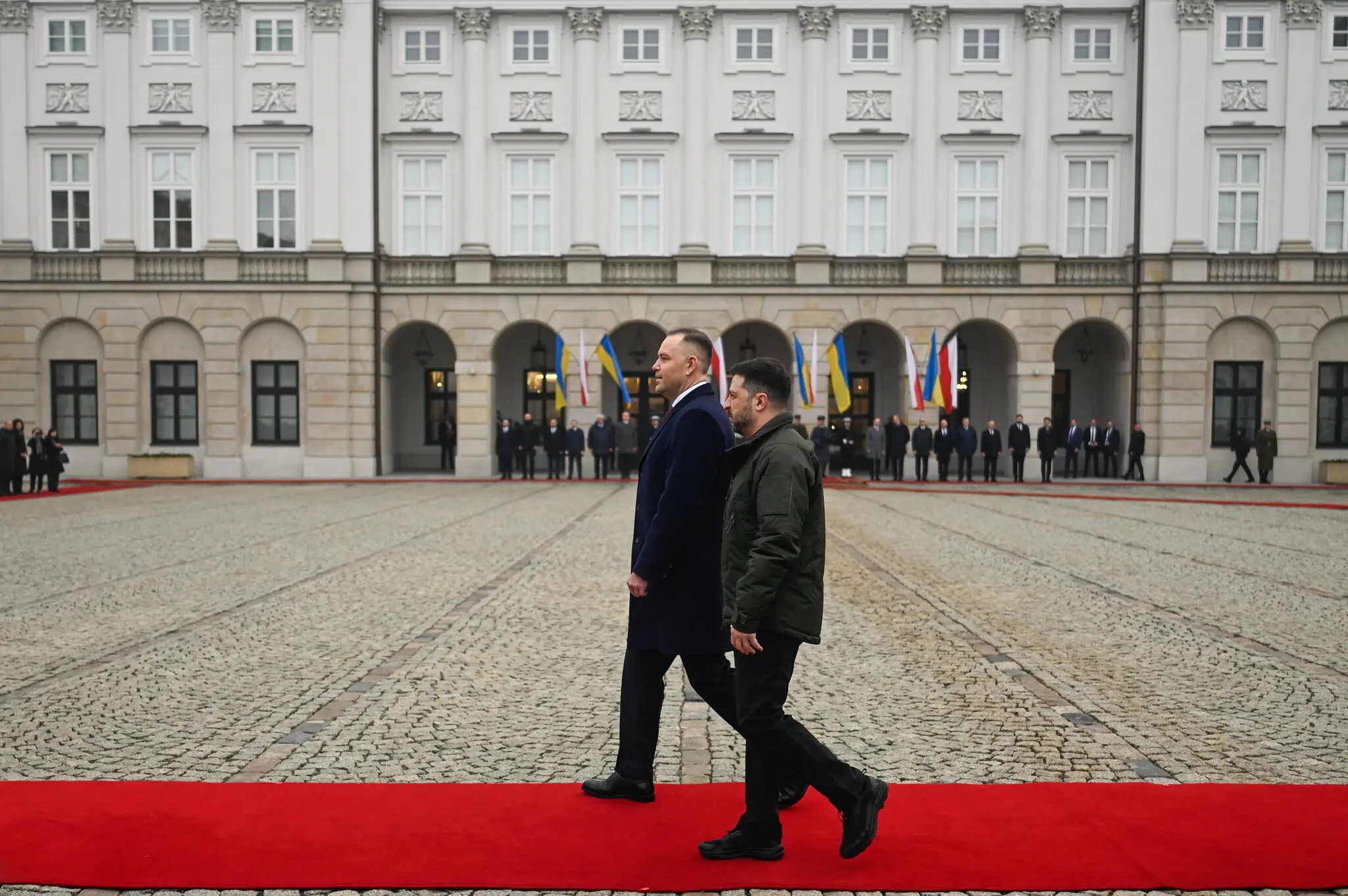 Президент Польщі Кароль Навроцький і президент України Володимир Зеленський у грудні у Варшаві — Омар Маркес
The worst thing about such conflicts is that they almost always give Russia what it cannot achieve by force: division between countries that share a fundamental interest in containing Moscow. The Kremlin does not need to invent historical wounds. It only needs to push both sides to speak through grievance rather than responsibility.
Polish-Ukrainian reconciliation was never complete. It rested on powerful gestures, shared fear of Russia, the work of historians, churches, local communities and political will. Each new generation of politicians must decide whether to exploit that incompleteness for approval ratings or carry it toward a more mature dialogue.
What is needed now is not mutual demonstrations of injury, but hard institutional work. Exhumations, joint commissions of historians, access to archives, dignified remembrance of all civilian victims, a shared language of memory and a refusal to glorify crime matter more than the exchange of returned medals.
This is difficult because both societies have the right to pain. Poland’s wound over Volhynia is real. Ukraine’s wound of centuries without statehood, Soviet terror and today’s Russian aggression is also real. Allies cannot demand forgetting from one another. They can demand only honesty.
The current crisis has shown that the Polish-Ukrainian alliance is strong in military necessity, but vulnerable in memory. It will not be destroyed by one decree or one award. But if politicians continue to speak to the past in the language of internal mobilization, trust will erode faster than it can be restored.
Ukraine and Poland are bound to proximity by geography, security and history. That is precisely why they do not have the luxury of behaving like accidental neighbors. They must learn to hold two truths at once: Russia is the main contemporary threat, and unhealed crimes of the past do not disappear simply because an alliance is needed today.
The central question now is not who returned which medal. It is whether Kyiv and Warsaw can emerge from this crisis more mature. If the past again becomes a weapon against the future, historical justice will not win. Moscow will — because it has long waited for allies to start fighting each other with their own memories.