
















The May 9 parade in Moscow has long been more than a ceremony of remembrance. For Vladimir Putin, it has served as the central political stage where Soviet sacrifice, modern military power, nuclear deterrence and the myth of historical invincibility merge into one state performance.
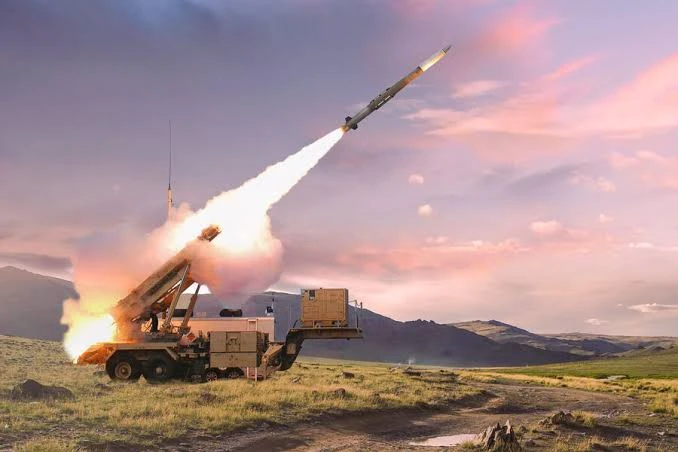
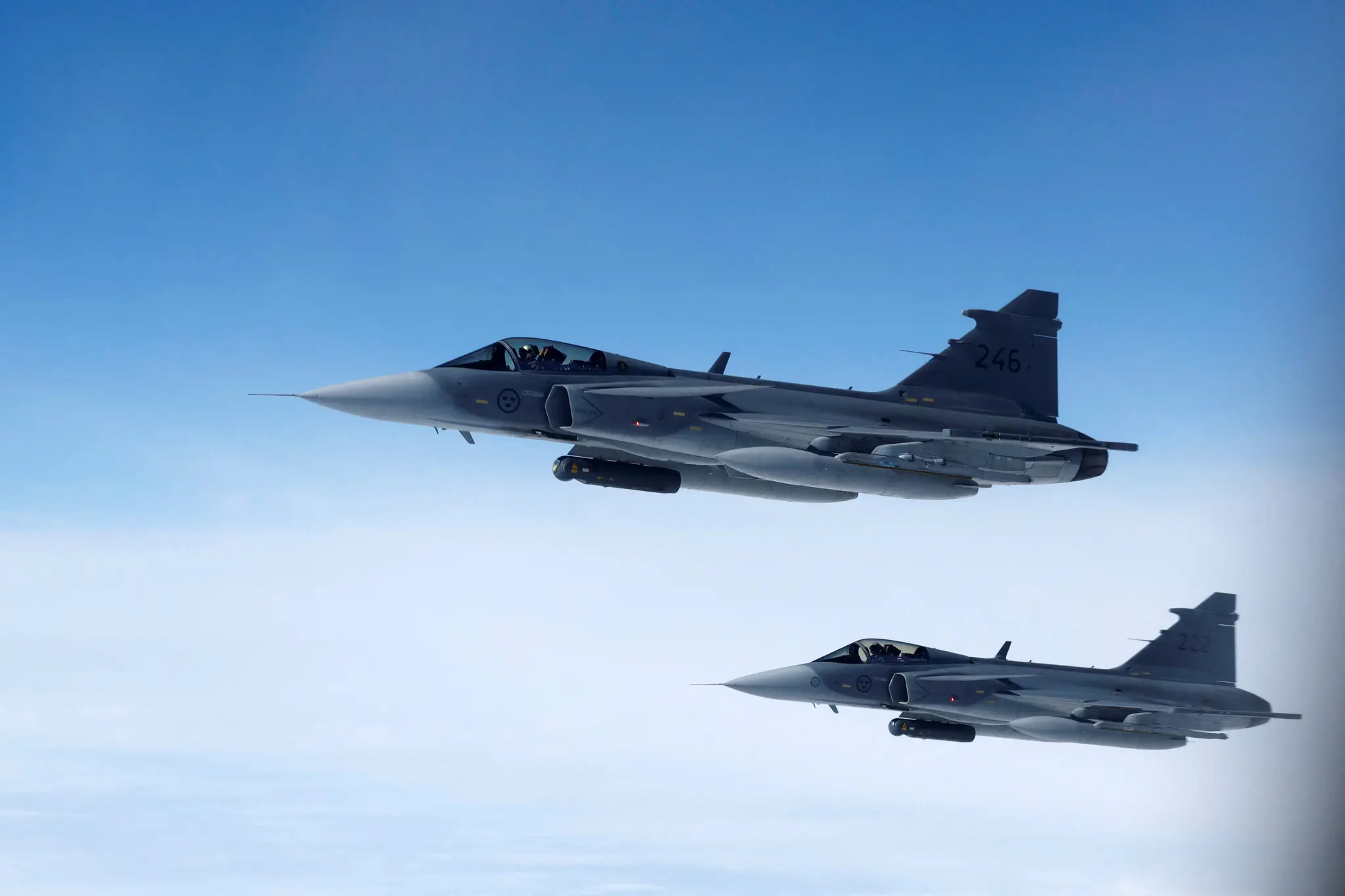
This year, that performance looked shorter, thinner and more anxious. The armored columns that once rolled across the cobblestones as symbols of Russian strength were absent. Instead, missiles, submarines, laser systems, fighter jets, air-defense platforms, drones and artillery appeared on giant screens.
For the Kremlin, this was a forced compromise between the need to project control and the fear of exposing vulnerability. According to Daycom’s earlier analysis, such symbolic shifts often reveal more than official speeches: when a state replaces the display of power with an image of power, it is not concealing triumph, but uncertainty.
Putin sat beside veterans in the shadow of Lenin’s Mausoleum as troops marched before him, including soldiers who had served in the war against Ukraine. The appearance of North Korean units linked to fighting in Russia’s Kursk region added another telling detail. Moscow is finding it harder to present the war as an exclusively Russian historical mission.
In his speech, Putin again framed the war against Ukraine as a confrontation with NATO. That language now performs two functions for the Kremlin. It explains the length of the fighting and shifts attention away from the failure of the swift victory that Russian society was once led to expect.
Victory Day holds an almost sacred place in Russia’s political culture. It is tied to the memory of 27 million Soviet citizens killed in the war against Nazi Germany, including millions of Ukrainians. That is what makes the current war so corrosive for the Kremlin’s own narrative: Moscow invokes the legacy of antifascist sacrifice while destroying Ukrainian cities.
A parade once designed to embody imperial confidence now looked like a ceremony under armed protection. Roads were blocked across central Moscow, security was tightened, and the capital carried the visible strain of possible Ukrainian strikes. The center of Russian power was no longer presented as an unreachable fortress, but as a space that had to be defended.
That fear did not emerge from nowhere. Over the course of the full-scale war, Ukraine has turned long-range strikes, drones and asymmetric pressure into key instruments of deterrence. Russia may still possess a far larger arsenal, but it can no longer guarantee the inviolability of its own symbolic centers.
Against this backdrop, the three-day ceasefire from May 9 to 11 looked less like a breakthrough than a pause between two phases of exhaustion. Donald Trump called for a broader halt to the fighting, while Moscow and Kyiv agreed to exchange 1,000 prisoners from each side. For families on both sides of the front, that matters deeply. For the war as a system, however, it does not yet change the underlying logic.
Volodymyr Zelensky responded to Moscow’s anxiety with pointed irony, effectively “allowing” Russia to hold its parade and saying Ukrainian weapons would not target Red Square. It was more than a joke. It inverted the roles: the country the Kremlin tried to cast as an object of coercion was demonstrating its ability to influence Moscow’s own behavior.
The war is reshaping the Russian state from within. It drains the economy, deepens dependence on the security apparatus, narrows the space for public politics and turns every major state ritual into part of the psychology of the front. Even Victory Day, once placed beyond question, now unfolds in a mood of defensive alertness.
The Kremlin is trying to preserve its central myth: that Russia is once again fighting a great historical war and will inevitably prevail. But the scale of the parade, the absence of armored vehicles, the screens instead of columns and the heavy security told a different story. A symbol of victory has become an indicator of a long war in which Moscow no longer controls the tempo as confidently as it claims.
That is why this year’s parade mattered less for what was said from the podium than for what was missing from the square. The usual certainty was missing. So was the theatrical excess. So was the sense that Russia still commands both its war and its historical narrative.
Red Square was again a stage. This time, however, it exposed the limits of Kremlin power. For a state that spent years cultivating the image of an unbreakable military machine, its most important holiday ended not as a parade of victory, but as a parade of caution.