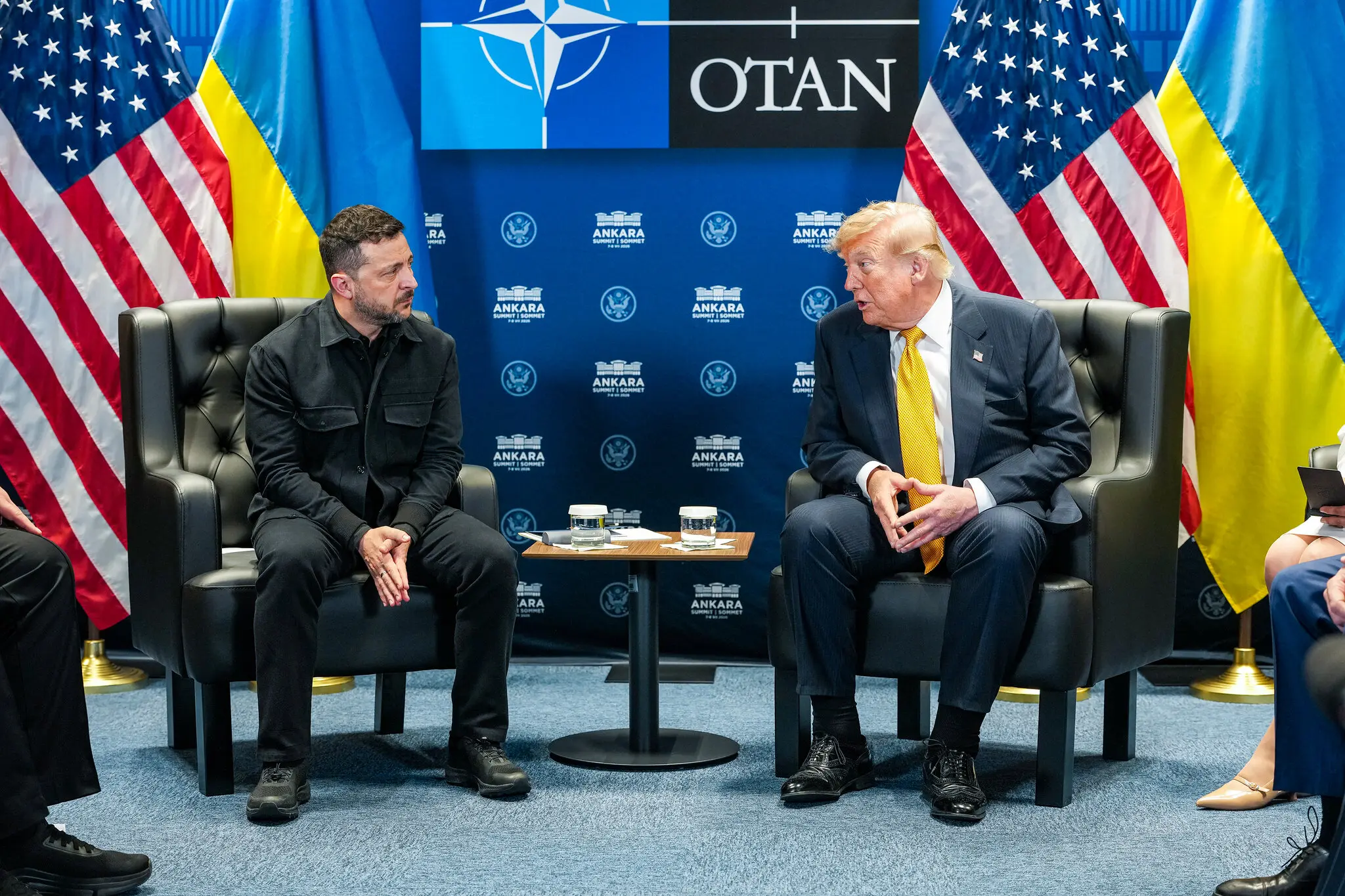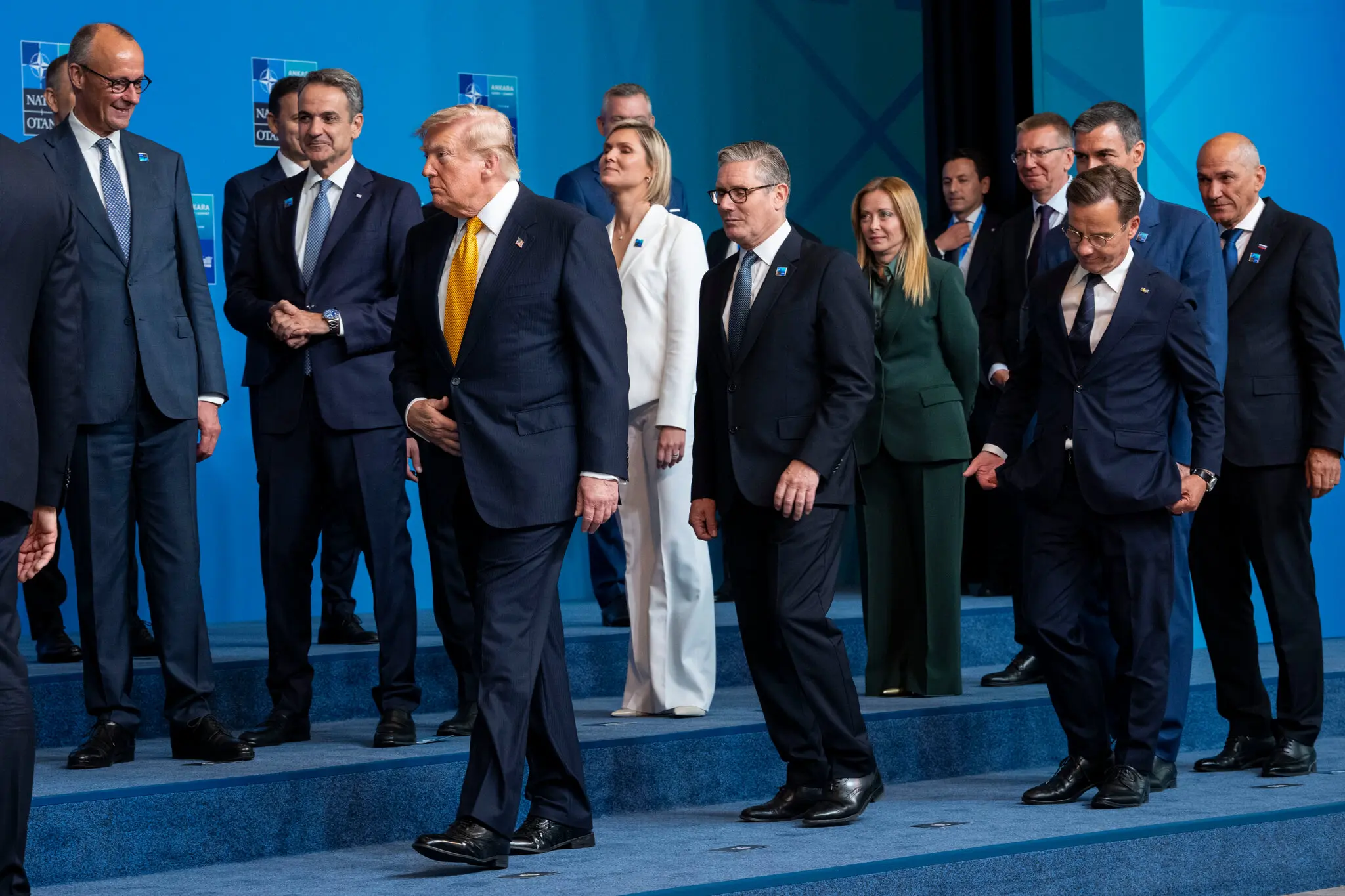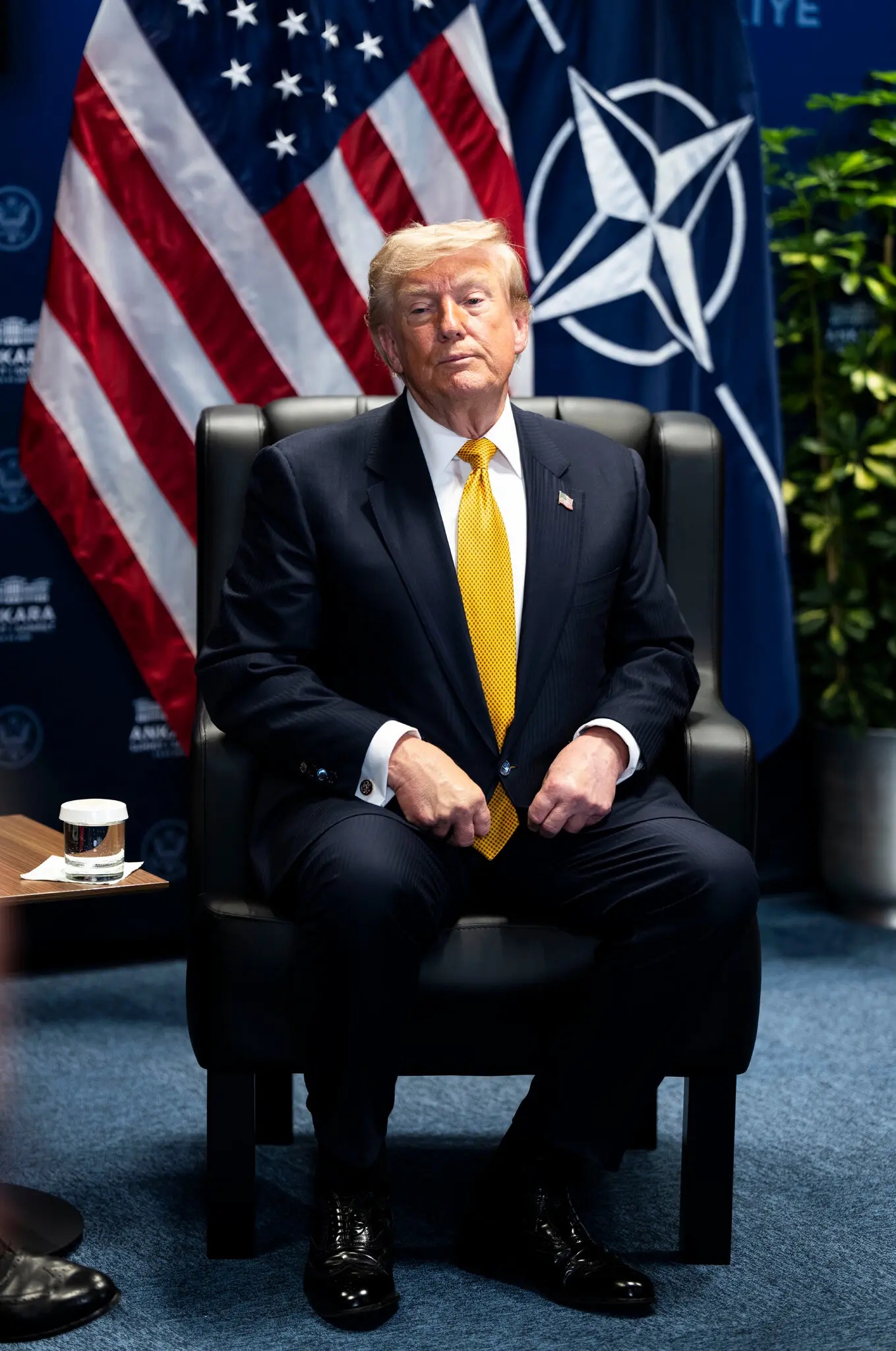
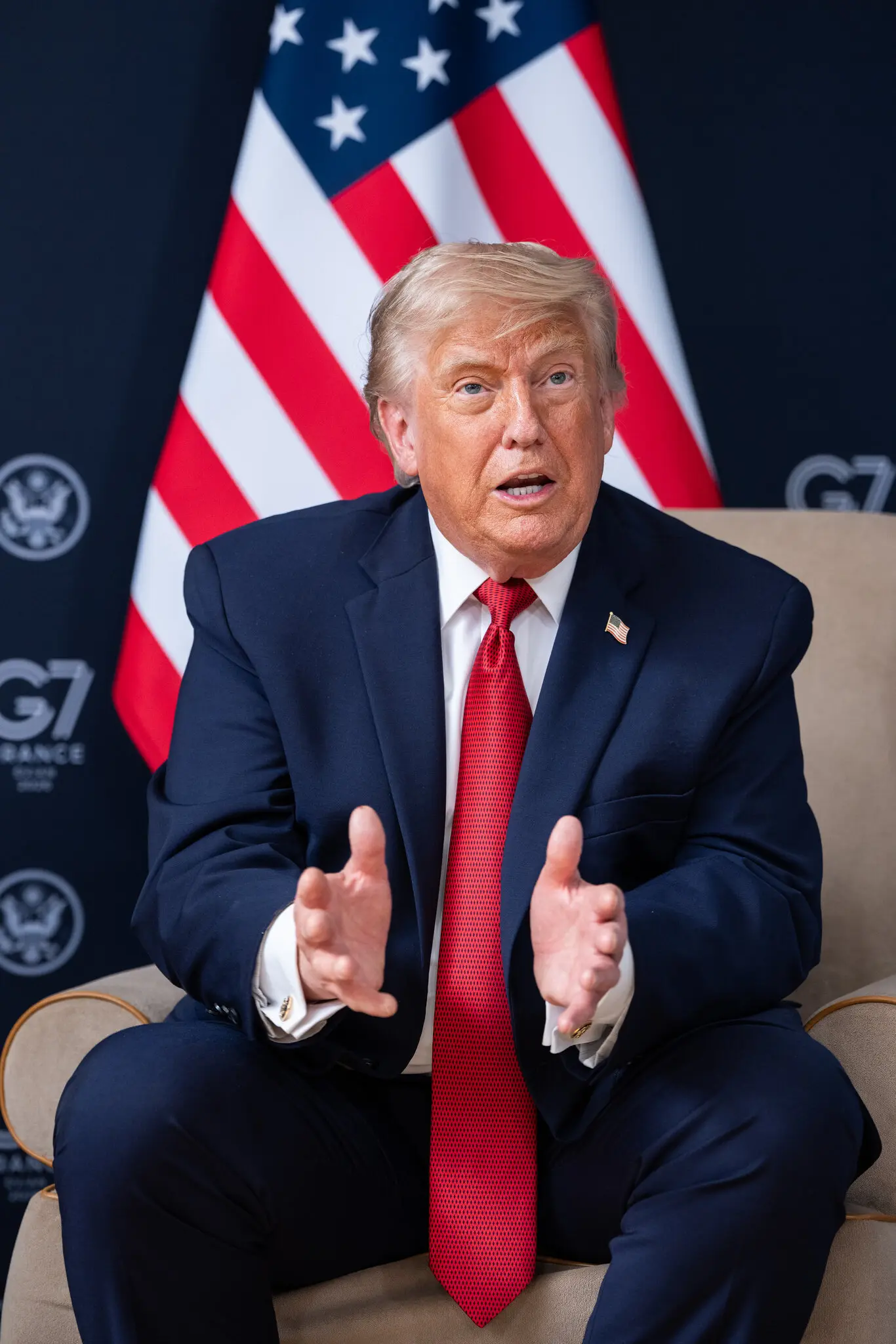





















During his meeting with Volodymyr Zelenskyy in Ankara, Donald Trump effectively voiced a decision Ukraine had been seeking for months: the United States may grant Kyiv the right to manufacture Patriot systems. For a country living every night between air-raid sirens and ballistic strikes, that sounds like a strategic breakthrough.
But the announcement contains two realities. The first is political: Washington is acknowledging that Ukraine can no longer remain only a recipient of ready-made weapons. The second is industrial: even a Patriot license does not turn into batteries, radars and interceptor missiles within weeks. Systems of this complexity do not appear with a single signature.
That is why a possible U.S. license is not an immediate answer to Russian strikes, but the beginning of a long transition. Ukraine may gain a chance to become part of Western defense production, yet its nearest nights will still depend on existing systems, stocks of interceptors and the willingness of allies to transfer scarce weapons now.
According to Daycom’s analysis, the true weight of Trump’s statement is not that Ukraine will begin serial production of Patriot tomorrow. Its importance lies elsewhere: the United States is publicly opening the possibility of changing Ukraine’s status — from a country armed from allied stockpiles to a country allowed into the production of the most advanced anti-ballistic shield.
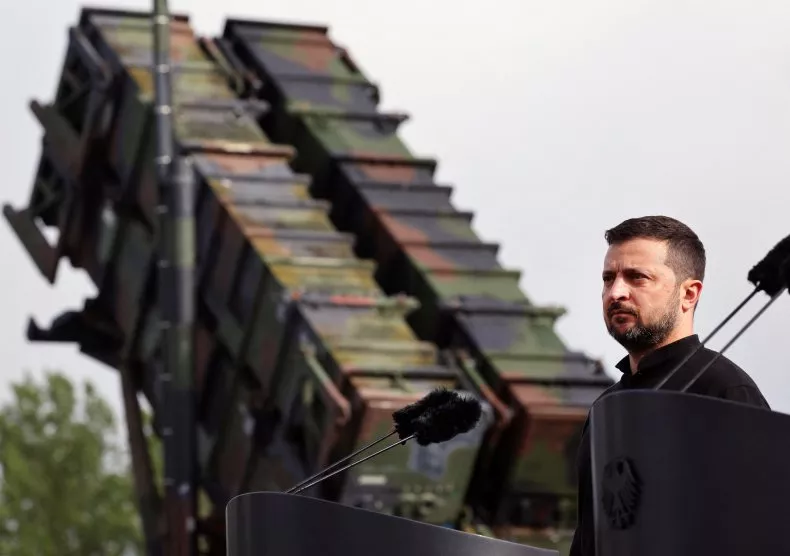
That is a high level of trust. Patriot is not an ordinary weapon and not just another air defense system. It is a complex architecture combining radar, a control station, launchers, software, integration with combat networks and interceptor missiles. It remains the key Western answer to Russian ballistic attacks.
For Ukraine, this is critical because Moscow is increasingly betting precisely on ballistic missiles. They fly faster, leave less time to react and pierce the layers of defense that work more effectively against drones or cruise missiles. Recent mass attacks have exposed this vulnerability without disguise.
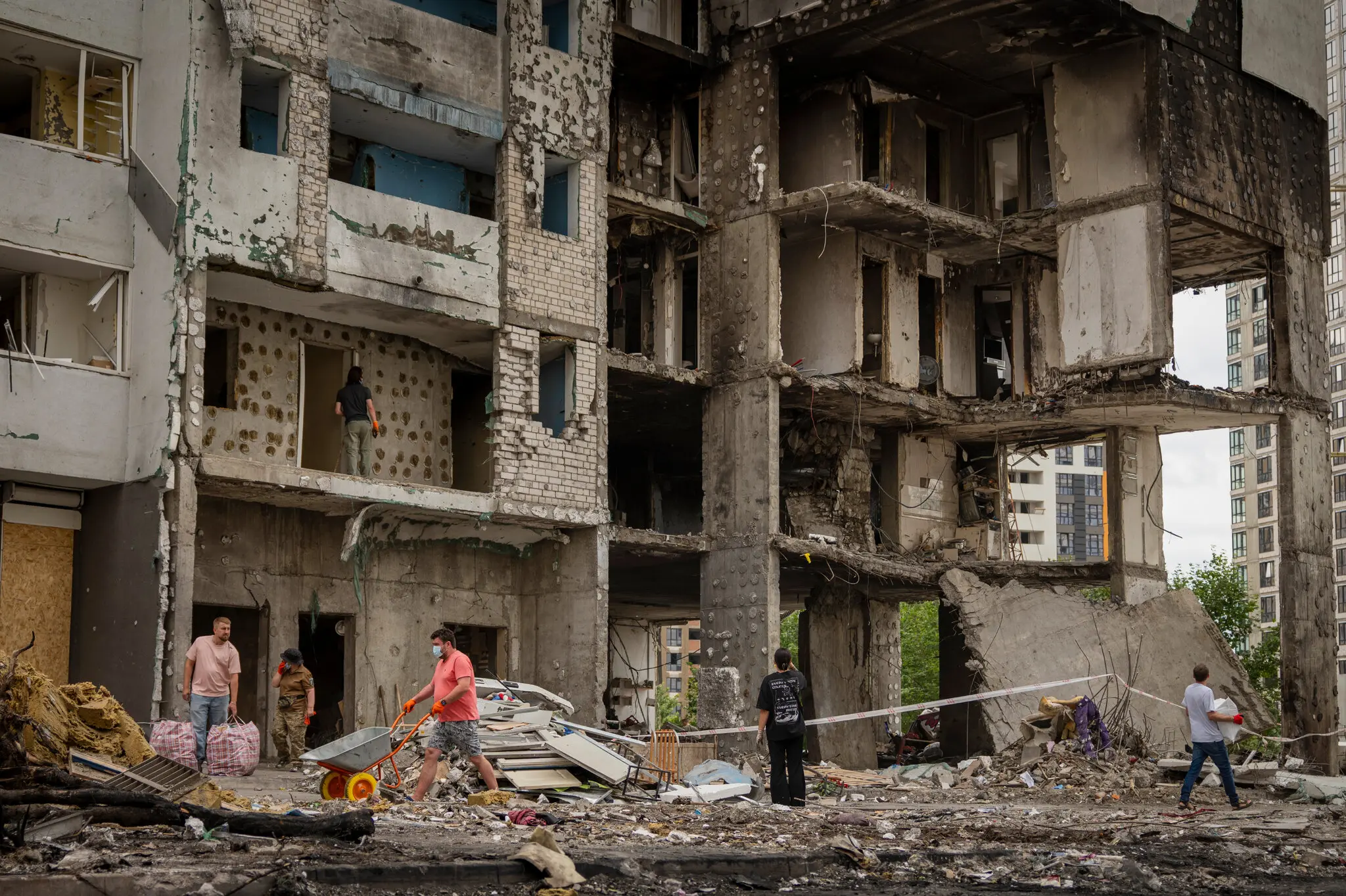
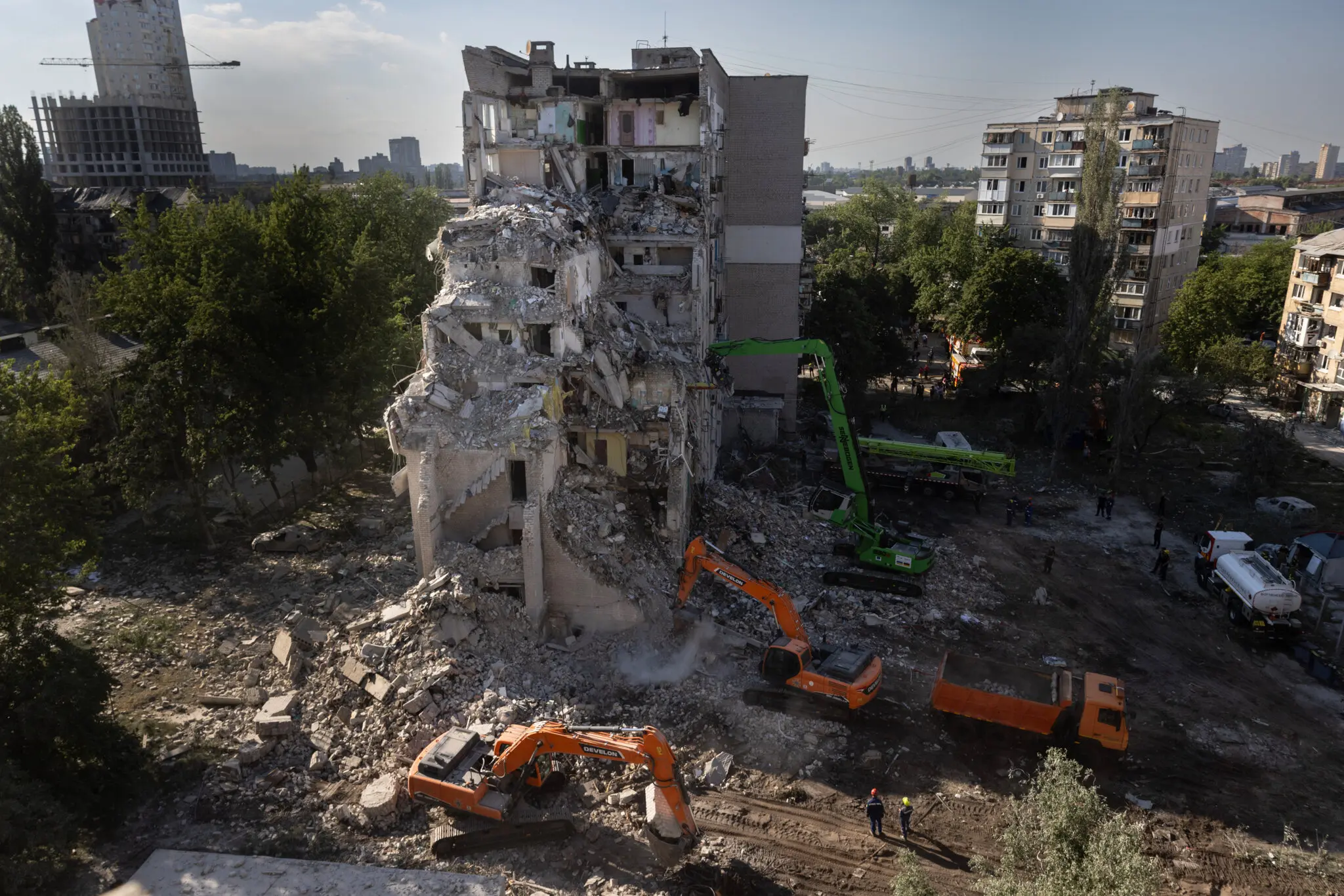
When Ukraine failed to intercept any of the 23 ballistic missiles in one of the latest Russian strikes, it was not merely a tragic episode. It was a strategic warning. Russia has found the segment where its weapons produce the heaviest consequences, and it will keep exploiting it until the price of such attacks rises for Moscow.
Patriot changes that price. Every intercepted ballistic missile does more than save a house, a substation or a hospital. It breaks Russia’s calculation that night terror can pressure Ukrainian society faster than allies can make decisions. The war for the sky has become a war over tempo.
Zelenskyy was asking not only for ready-made systems and missiles. He was asking for the right to produce them. That is a fundamentally different level of request. The transfer of a battery covers part of the need. A license, if fully implemented, creates a long-term resource — the ability to produce protection not once, but systematically.
This is where the hardest part begins. Licensed production of such a weapon makes sense only if a country can localize not merely final assembly, but a significant part of the supply chain. Otherwise, a plant in Ukraine would become a place where components are only put together, while the real dependency remains abroad.
With Patriot, the bottleneck is not only the launcher. The complexity lies in radar components, guidance systems, electronics, software, engines, warheads, quality control and production security. It is a network of subcontractors, standards and technologies that cannot be transferred by one political decision.
Trump acknowledged that Ukraine has the technical talent and defense-industrial base for such a task. That assessment matters. During the full-scale war, Ukraine’s defense sector has made a major leap in drones, naval systems, equipment repair, adaptation of Western weapons and the rapid creation of new solutions for real battlefield needs.
But Patriot belongs to a different class of complexity. Ukraine has proven that it can quickly invent and scale asymmetric solutions. Now the issue is integration into one of the most sensitive segments of American defense technology. That will require not only engineers, but security guarantees, protected production sites, technology controls and long training cycles.
There is another risk: time. Ukraine is asking for a license because interceptors are running short now. Russian missiles are flying now. Kyiv, Kharkiv, Odesa, Dnipro and other cities need protection now. Production of Patriot systems, or even individual components, could take years. This gap between strategic perspective and tactical need is the central problem.
That is why a license cannot replace urgent deliveries. If Washington truly wants to change the balance, it needs two parallel tracks. The first is immediate reinforcement of Ukraine with ready interceptors and batteries. The second is the launch of long-term production that reduces Kyiv’s dependence on political cycles in the United States and Europe.
This is especially important because of the global Patriot shortage. Demand for these systems has grown not only because of Ukraine. War in the Middle East, Iranian attacks, tensions in the Persian Gulf, the fears of regional states and the needs of U.S. allies are already straining stockpiles. The world has suddenly seen that missile defense is not an infinite resource.
Ukraine stands at the center of this shortage because its need is the most urgent. It is not accumulating systems for a hypothetical scenario. It is spending interceptors in a real war, where each launch can mean the difference between interception and the ruins of an apartment building. That is why the ordinary logic of queues and quotas does not work here.
A separate question is what exactly Ukraine would be allowed to produce. Older PAC-2 missiles and more advanced PAC-3 interceptors have different capabilities, different industrial bases and different value for Kyiv. Against ballistic missiles, the most modern interceptors are especially important because they are designed for complex and fast-moving targets.
If Ukraine receives access only to a simpler or older segment, the political effect will be significant, but the military answer may prove limited. If the agreement covers the most effective components of anti-ballistic defense, it will mark a qualitatively different level of Ukraine’s integration into the Western security system.
Washington must therefore decide what it really wants. If the goal is simply to demonstrate support, a strong statement is enough. If the goal is to change the balance of the war, a full production architecture is required: companies, licenses, financing, training, localization, plant security, delivery schedules and political oversight of implementation.
The weak point of Trump’s statement is that it appears to have come before the details were coordinated with manufacturers. The American defense industry does not operate by instant command. Patriot involves major companies, subcontractors, technological chains, export restrictions and contractual obligations. Without them, political permission will not become industrial launch.
Even so, the statement sends a serious signal to Moscow. For years, the Kremlin counted on the West to ration complex systems carefully, fear technology transfer and keep Ukraine in a state of controlled dependency. A Patriot license, if it becomes real, would mean the opposite: Ukraine is not merely being supported, but built into a long-term defense response.
It could also reshape the internal logic of Ukraine’s defense industry. The war has already created enormous demand for rapid development, private initiatives, drones and repair capacity. Entry into the production of Patriot systems or components would raise the bar: from an adaptive wartime economy to high-technology defense integration with the West.
For Europe, this is also a lesson. If Ukraine can become a production site for anti-ballistic systems, the question is no longer whether to “help Kyiv.” The question is how quickly to build a continental air defense network in which Ukrainian experience from real war is combined with American technology and European industrial capacity.
Russia’s war has shown that the old approach to defense no longer matches the threat. Expensive systems, small batches, slow production and political hesitation lose against mass attacks unless the scale changes. Europe needs not only individual batteries, but a layered air and missile defense architecture.
For Ukraine, a possible authorization to produce Patriot systems is a chance to escape the trap of permanent requests. But that chance does not remove today’s danger. A country building a future plant still needs missiles tonight. Any agreement must therefore be measured not only by its promise, but by whether it reduces the number of unchallenged ballistic missiles in the coming weeks.
Politically, Trump has an opportunity to take a step that connects his rhetoric about peace with real strength. Granting Ukraine a license means not just transferring weapons, but recognizing it as a long-term defense partner. Yet the real test will not be in the words spoken in Ankara, but in contracts, timelines and the first production lines.
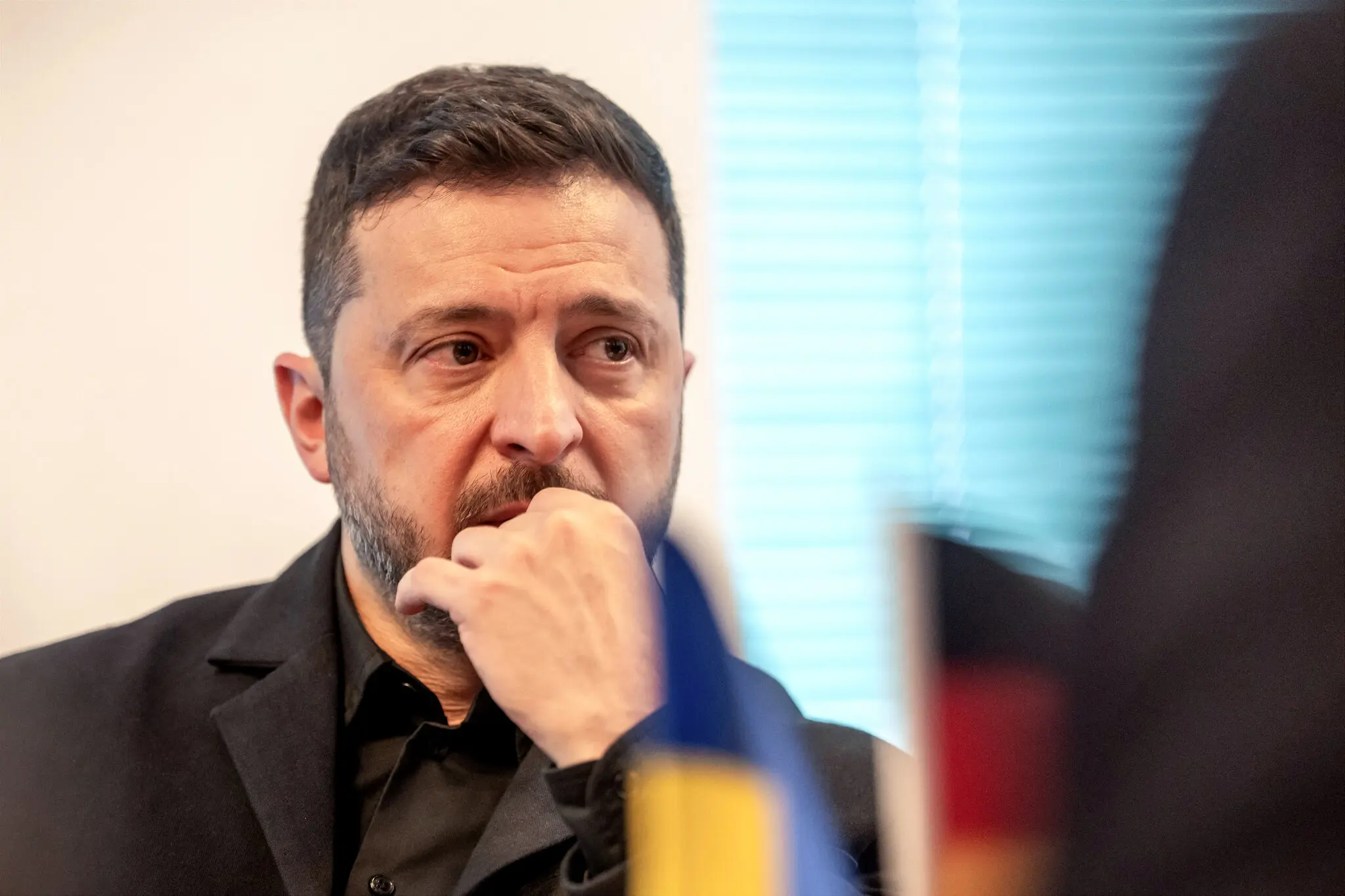
For Zelenskyy, such an agreement could become one of the most important outcomes of the summit. It matches his central logic: Ukraine should not endlessly wait for allies to release scarce interceptors from their stockpiles. It must gain the ability to produce what saves its cities.
But if this process stretches over years without parallel deliveries, the political breakthrough risks becoming postponed salvation. Ukraine does not have the luxury of waiting until a future production system matures. Its war is happening in real time, and Russian ballistic missiles will not wait for the legal completion of a license.
That is why the Patriot decision must be double: produce for the future and deliver now. A license could change the strategic trajectory of the war. But the nearest night is changed not by documents, but by interceptors in launchers. In that gap between the large perspective and the immediate need, it is now being decided whether Trump’s statement becomes a historic turn — or merely a powerful headline.