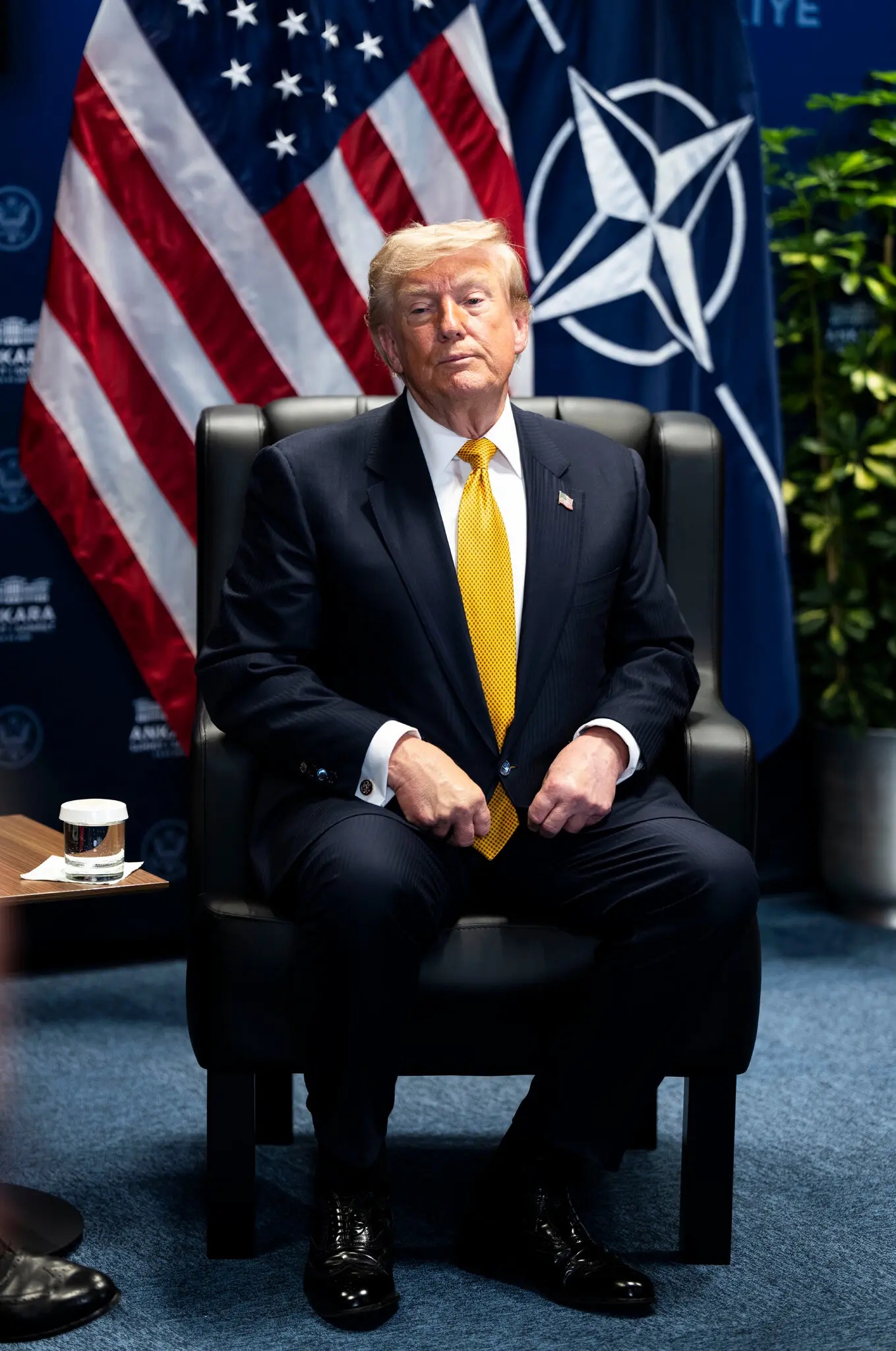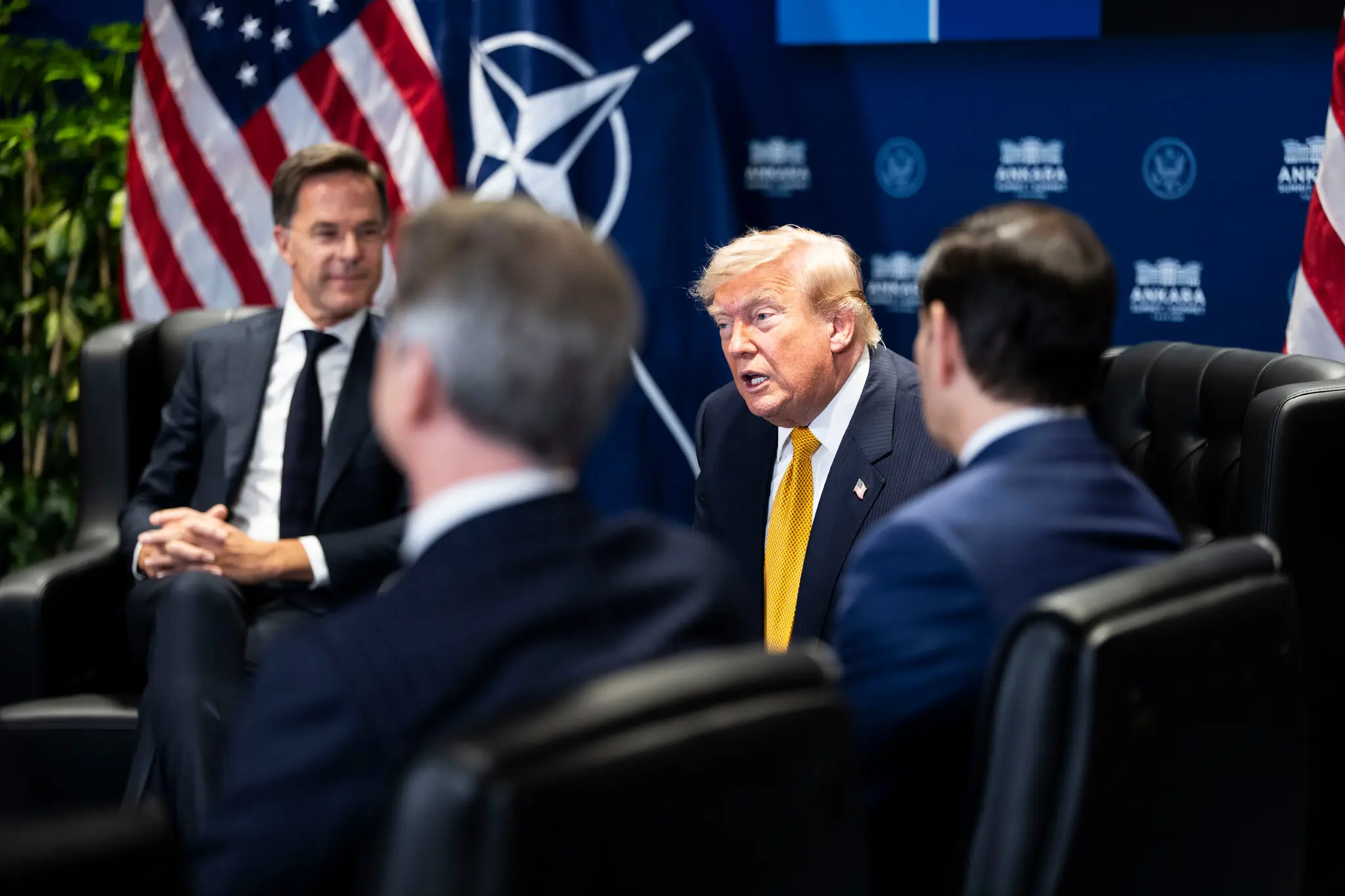

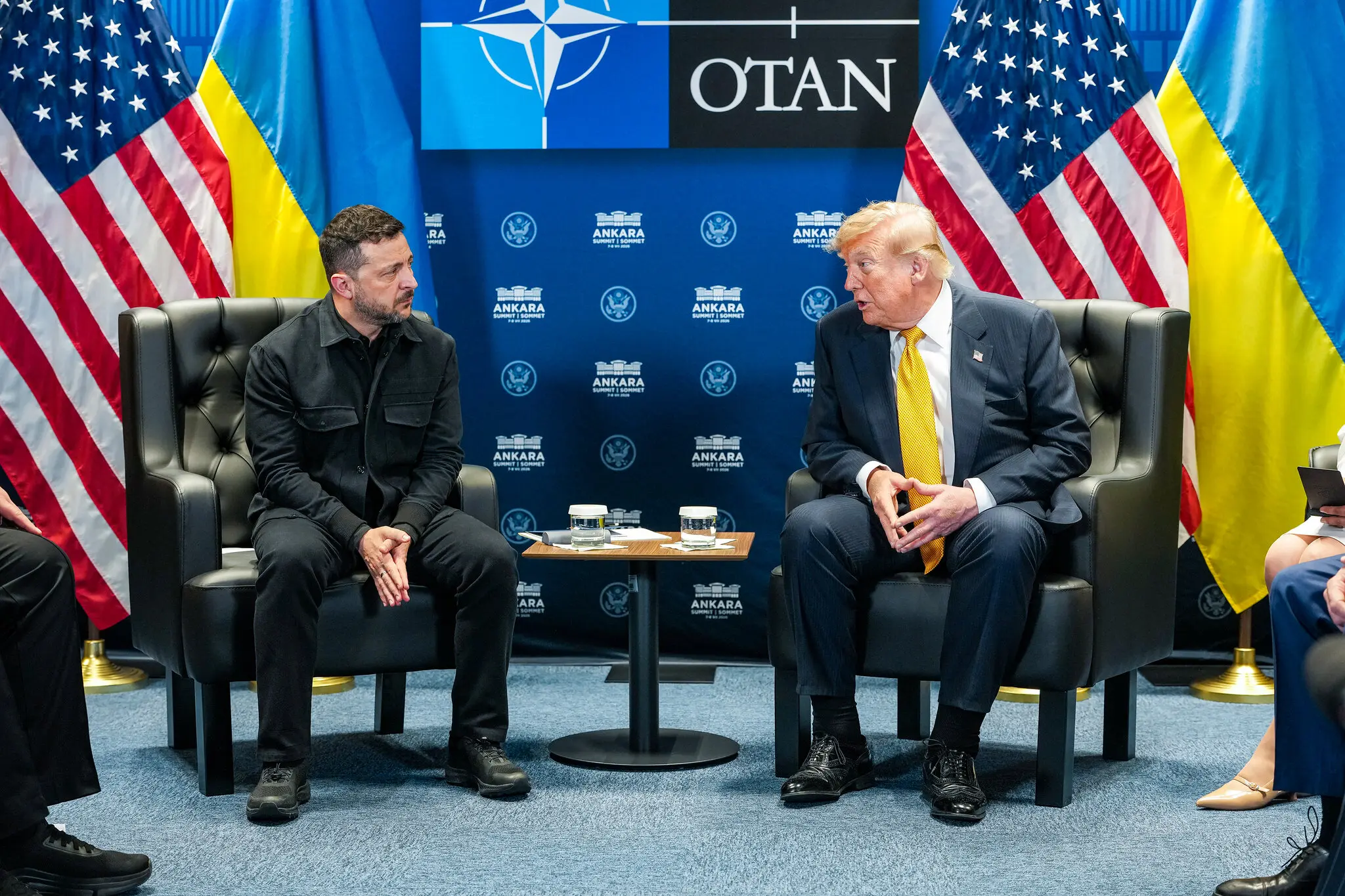






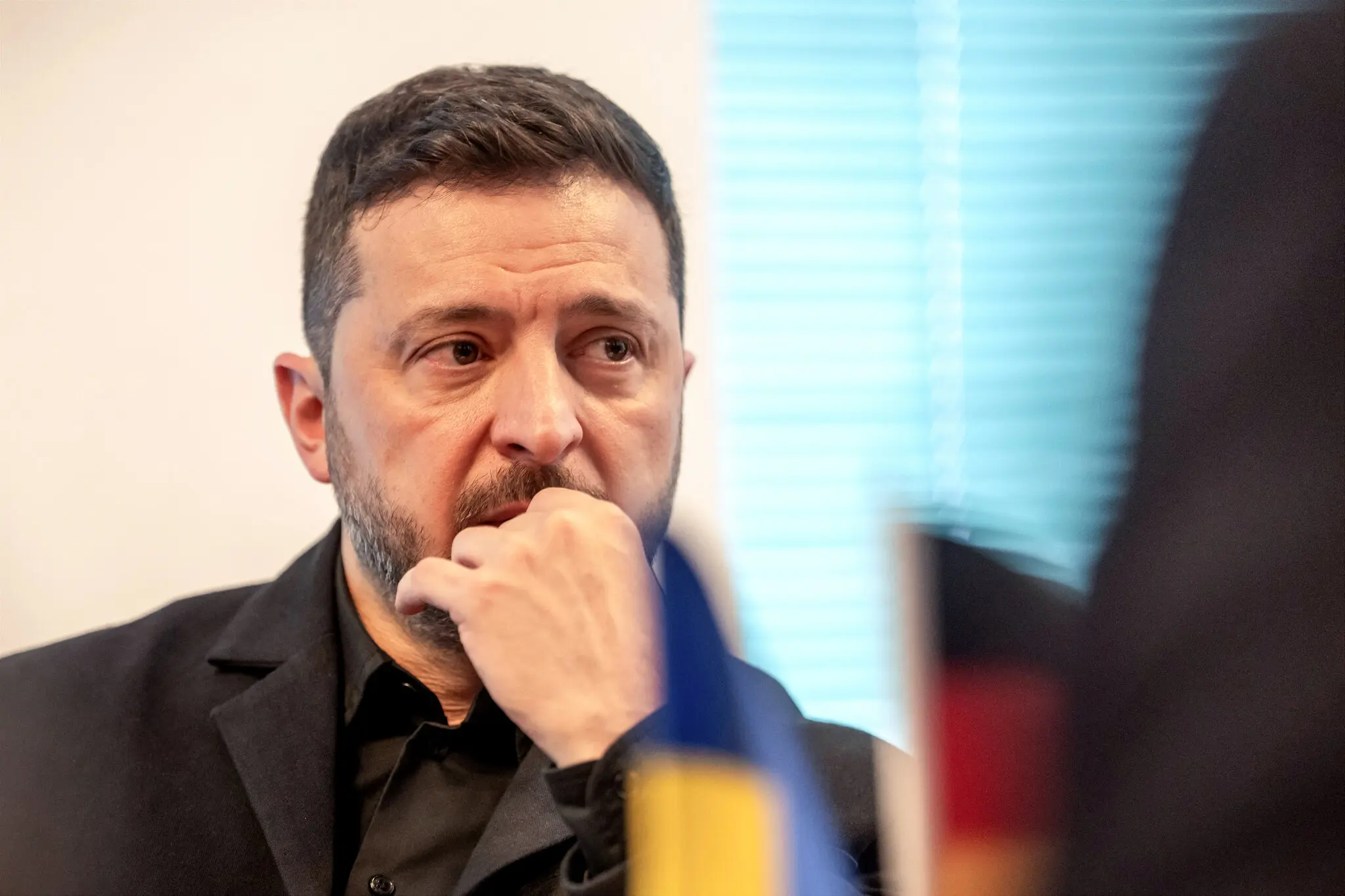













Volodymyr Zelenskyy came to his meeting with Donald Trump at the NATO summit in Ankara with an unusually precise request. Ukraine does not need another declaration of support. It needs Patriot systems, interceptor missiles and the right to produce the systems capable of stopping Russian ballistic attacks.
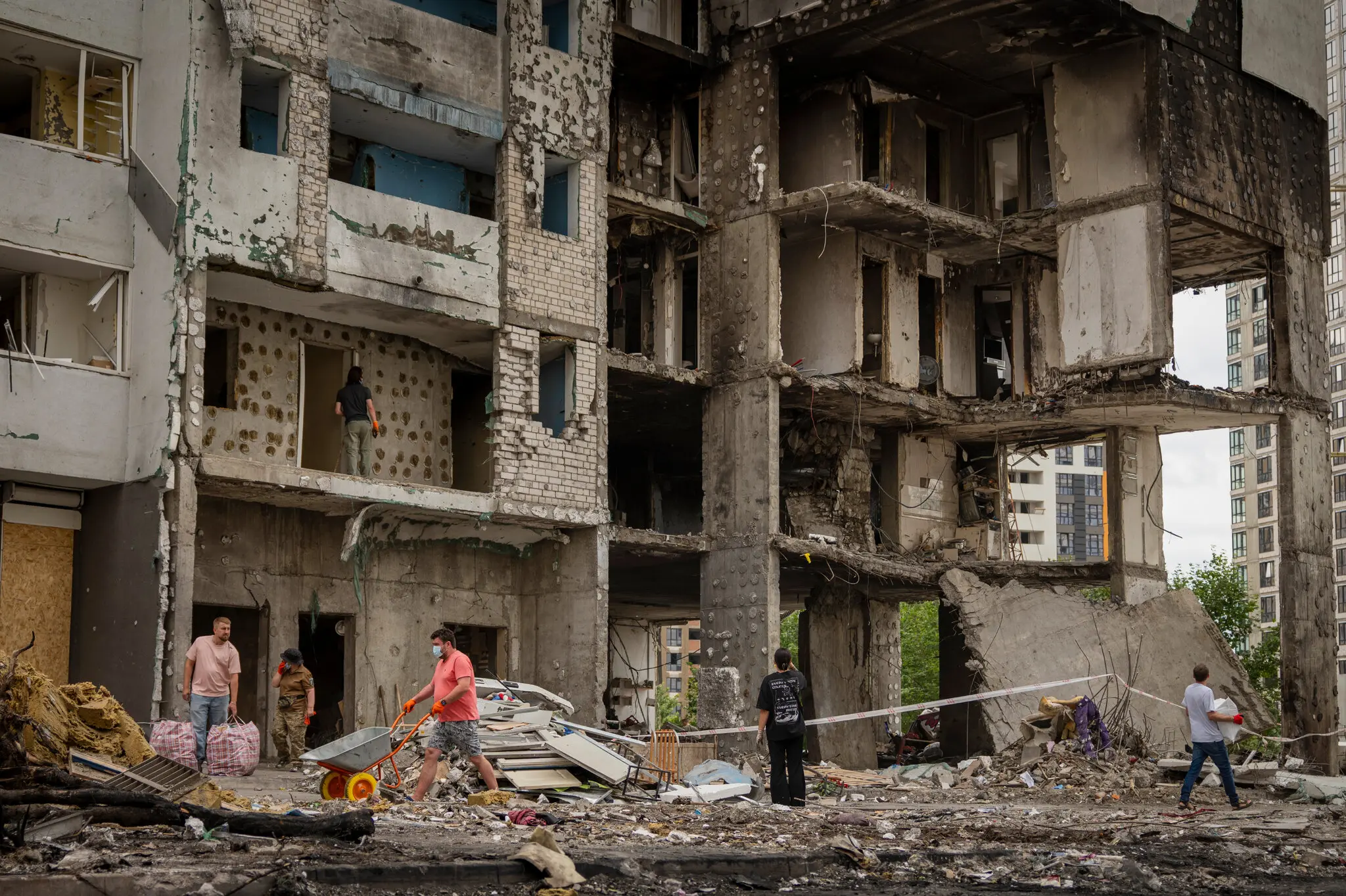
After a wave of strikes on Kyiv that killed more than 50 people in and around the capital, that request stopped being part of a routine military list. It became the central political question of the summit: whether the West is ready to protect Ukrainian cities from the weapon against which Ukraine has the fewest means of defense.
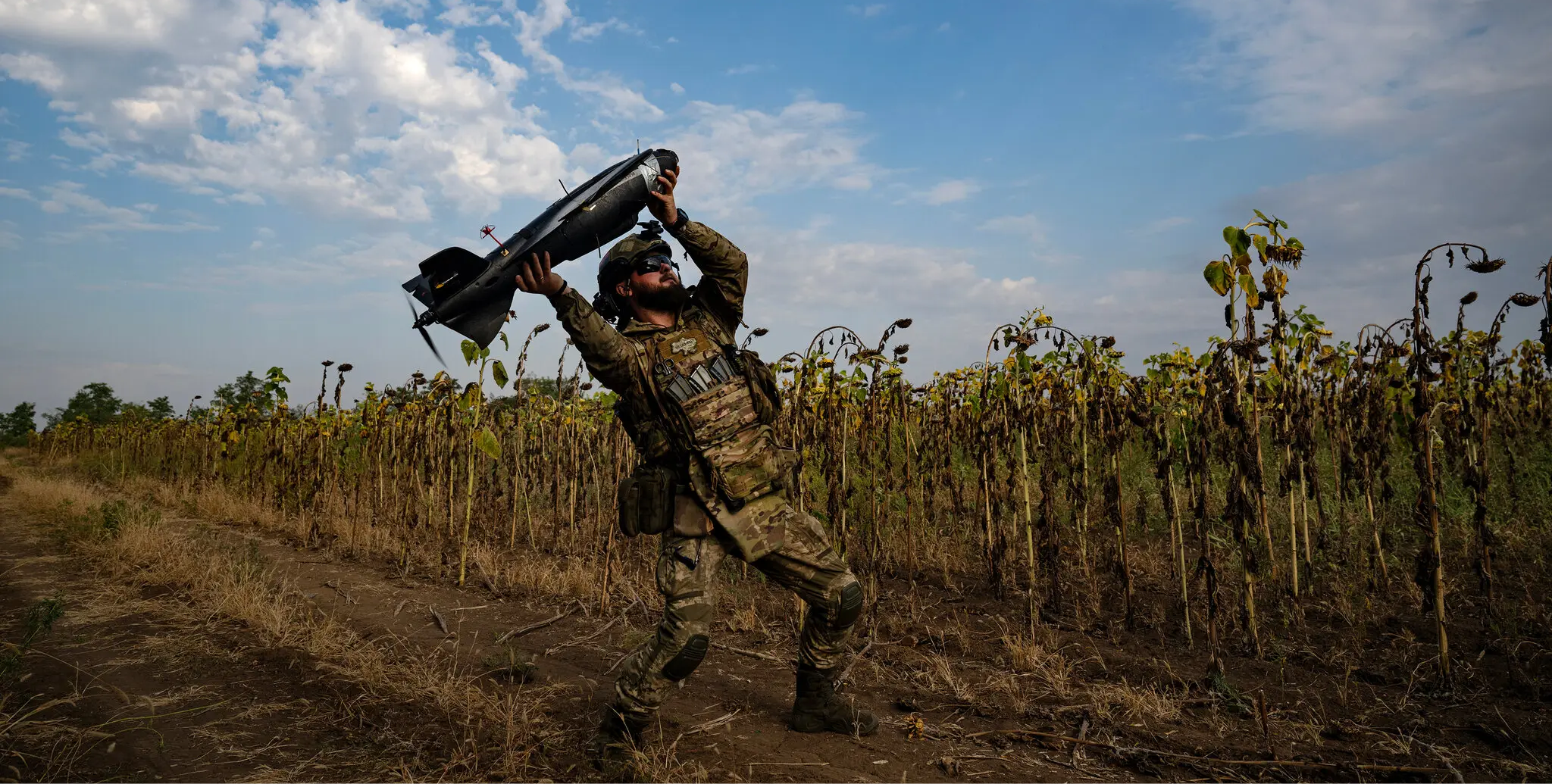
That is why Zelenskyy has called Patriot his top priority. Russia is increasingly betting on ballistic missiles because they travel fast, leave little time to react and require the most advanced interception systems. Ukraine has become much more effective at shooting down drones and cruise missiles. Ballistics remain the most dangerous gap.
According to Daycom’s analysis, Zelenskyy’s request in Ankara carries meaning beyond another appeal for assistance. Ukraine is effectively asking its allies to move from an emergency-supply model to a model of joint defense production. The question is no longer only how many Patriot batteries can be found today. It is whether the West can produce protection at the tempo of the war.
Patriot is not a single missile or a separate launch container. It is a complex mobile system built around radar, a control station, launchers and interceptor missiles. The interceptors are becoming the critical resource: even an existing system cannot protect the sky if the ammunition for it is limited.
Zelenskyy has put this plainly: the reason recent Russian strikes succeeded was the insufficient supply of interceptor missiles. Ukraine may have trained crews, combat experience and a deep understanding of Russian tactics, but without a stock of interceptors, even the best system becomes a resource that must be rationed between attacks.
That is the core of Russia’s strategy. Moscow is not simply firing missiles at cities. It is exhausting Ukrainian air defenses, forcing Kyiv to choose between directions, overloading radars and crews, and combining drones, cruise missiles and ballistic weapons. This is a war not only against buildings, but against stocks, logistics and decision-making time.
Ukraine needs additional systems for its major cities — from Odesa in the south to Kyiv in the center and Kharkiv in the east. Each of these cities carries its own strategic weight. Odesa is a maritime hub and a symbol of Ukraine’s access to the Black Sea. Kyiv is the political heart of the state. Kharkiv is a city under constant Russian pressure, where the time between launch and impact is especially short.
That is why the request for Patriot cannot be treated as a plea to protect only the capital. It is about the architecture of the country’s survival. If Russia sees that some regions remain exposed to ballistic missiles, it shifts pressure there. If Ukraine closes only one sector, Moscow searches for the next weak point.
From this comes Zelenskyy’s second, more strategic demand: U.S. permission to produce Patriot systems or their key components in Ukraine. This is a more politically complex request than the transfer of ready-made batteries. It involves licenses, technology, control, production security and Washington’s willingness to share part of its defense competence.
But this request also shows how the war has changed. Ukraine can no longer rely only on allied stockpiles. In a world where interceptors are scarce and Russian attacks come in repeated waves, the decisive question is not a one-time delivery, but production capacity. Whoever produces faster has a better chance to survive.
Zelenskyy is effectively offering the United States a different format of partnership: not simply “give us systems,” but “let us produce the protection that will be needed not only by Ukraine.” In this logic, Ukraine becomes not a passive recipient of aid, but part of the future defense industry of the West.
This is an important argument for Europe. The ballistic threat is not exclusively Ukrainian. If Russia learns how to break through Ukraine’s sky, it is testing a future model of pressure on NATO’s eastern flank. Poland, the Baltic states, Romania and other allies should see Ukrainian air defense not as someone else’s request, but as the forward line of their own security.
That is why Zelenskyy’s call for affordable, mass-produced anti-ballistic systems as soon as possible sounds like a diagnosis of Europe’s entire defense policy. For decades, Europe lived with limited armies, expensive technologies and slow production cycles. Russia’s war has shown that this is not enough for an era of mass missile and drone attacks.
The problem with Patriot is that it is effective, but expensive and scarce. It cannot be the only answer to every threat. Ukraine needs Patriot against ballistic missiles, but Europe also needs a broader air-defense ecosystem: cheaper interceptors, mass production, layered protection, and systems against drones, cruise missiles and high-speed targets.
In Ankara, Zelenskyy is speaking precisely about this transition. Russia is betting on ballistic missiles; those who want peace must bet on protection against ballistic attacks. Inside that sentence is a simple logic of deterrence: the aggressor moves toward weakness. If the weakness is closed, the price of aggression rises.
For Trump, this conversation carries a particular political weight. He wants to return attention to ending the war in Ukraine after months in which Iran absorbed much of American foreign policy. But quick peace is impossible if one side comes to negotiations with missiles over cities and the other with a limited supply of interceptors.
Zelenskyy is trying to move the conversation from intentions to real force. If the United States wants to influence the end of the war, it must strengthen Ukraine’s position before negotiations, not after them. Otherwise, diplomacy risks becoming a process in which Russia continues to strike while Ukraine asks for pauses to bury the dead.
Ukrainian representatives are increasingly framing the risk more broadly: delays in financial assistance and in the delivery of missiles for Patriot systems increase not only Ukrainian losses, but also the danger of a direct confrontation between Russia and NATO. The logic is clear. If Russia is not weakened on the battlefield and its aerial terror is not stopped, it may interpret hesitation as an invitation to the next escalation.
That argument is especially important for allies still afraid of “provoking” Moscow. In reality, what provokes the Kremlin most is not assistance to Ukraine, but weakness. When it sees delay, it reads doubt. When it sees a shortage of interceptors, it sees a route for the next strike. When it sees a divided Europe, it sees space for blackmail.
After the strikes on Kyiv, Zelenskyy has not only a moral argument, but a strategic one. The number of dead shows that air defense can no longer be postponed until the next aid package. Every day of waiting becomes part of Russia’s plan. Every night without sufficient cover is a chance for Moscow to prove that Ukrainian cities remain vulnerable.
In this sense, the NATO summit in Ankara became for Ukraine not a diplomatic stage, but a test of Western speed. European capitals may recognize the danger, but in modern war recognition without production does not save lives. Decisions are needed on sales, transfers, manufacturing, licenses and joint lines that function not in an abstract future, but now.
Zelenskyy is asking Trump for more than political permission. He is asking to change the logic of assistance itself. If Ukraine receives the ability to produce elements of Patriot, it will be a step toward defense self-sufficiency within the Western system. If not, Kyiv will remain dependent on how many scarce missiles allies can allocate after their own calculations.
For Ukraine, this is a question of survival. For the United States, it is a question of leadership. For Europe, it is a question of readiness to live in a new security reality. Russia has already made its choice: it is betting on ballistic missiles, night attacks and the exhaustion of civilian life. The Western answer must not be slower than the threat.
The meeting between Zelenskyy and Trump therefore comes down to one practical conclusion. Peace does not begin with a beautiful formula, but with a sky in which a missile fails to reach a home. If Ukraine receives Patriot systems, interceptors and the right to produce its own anti-ballistic defense, negotiations will have a foundation. If not, Russia will continue speaking the language it considers most persuasive — the language of strikes on cities.