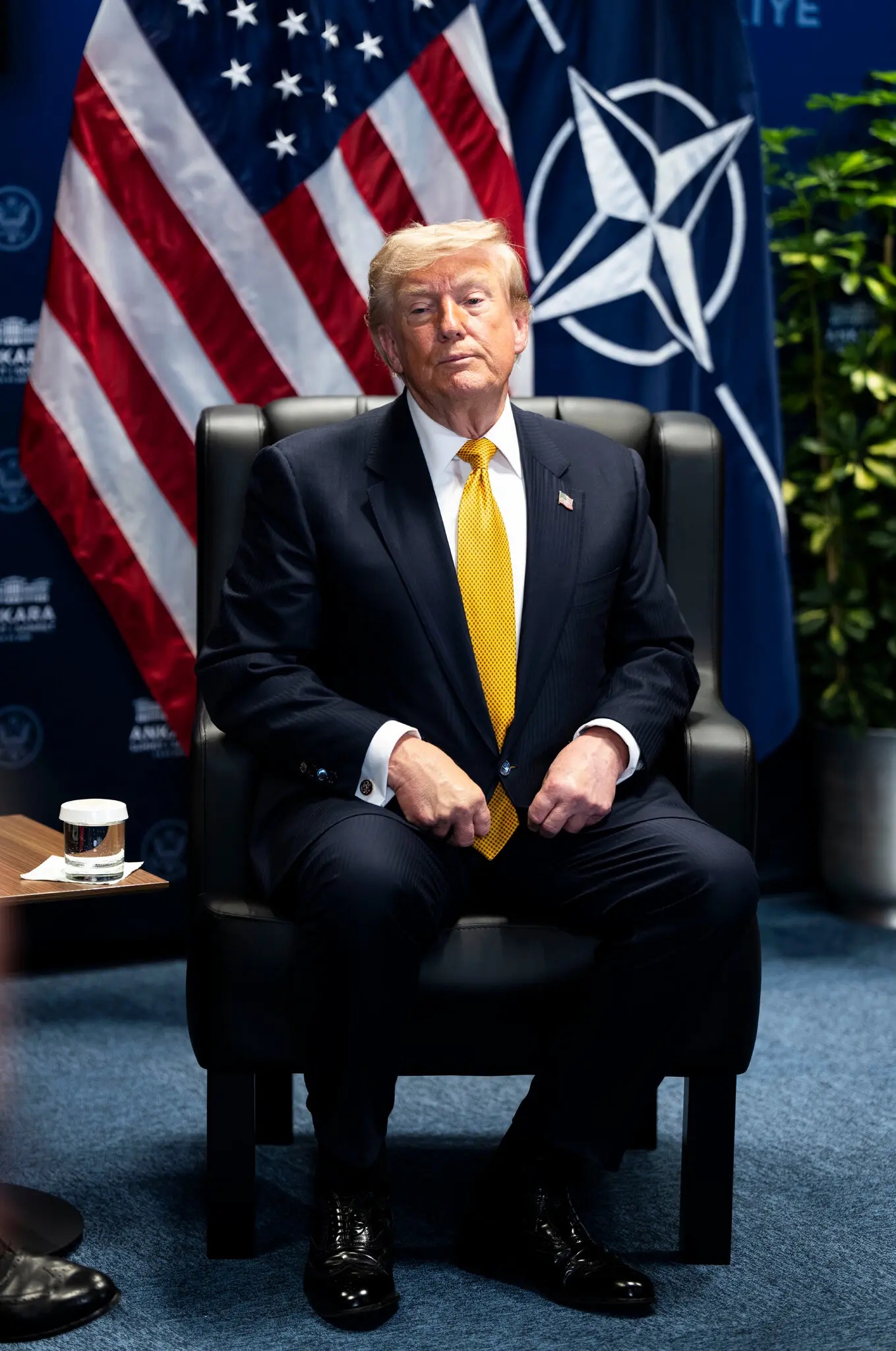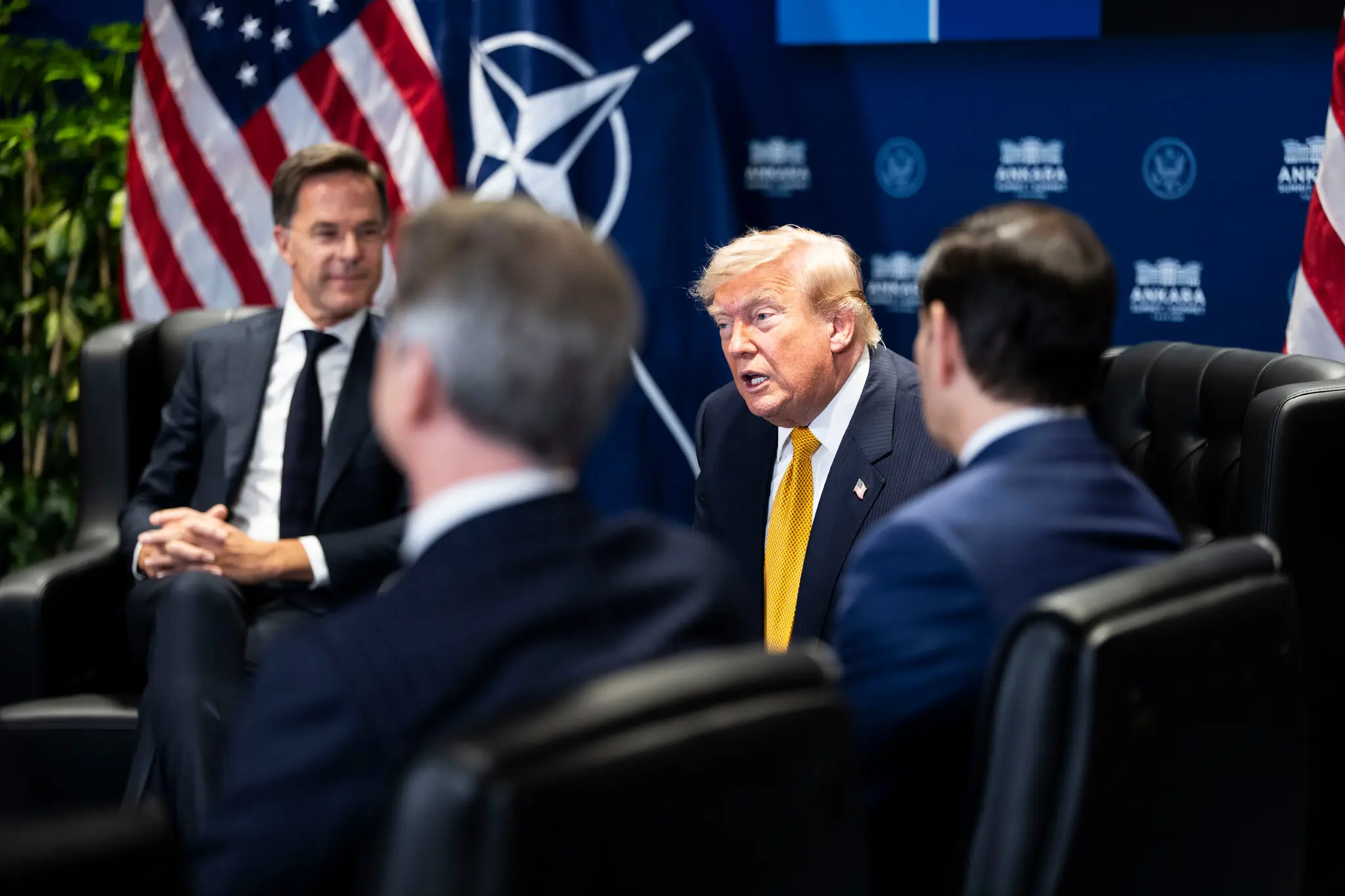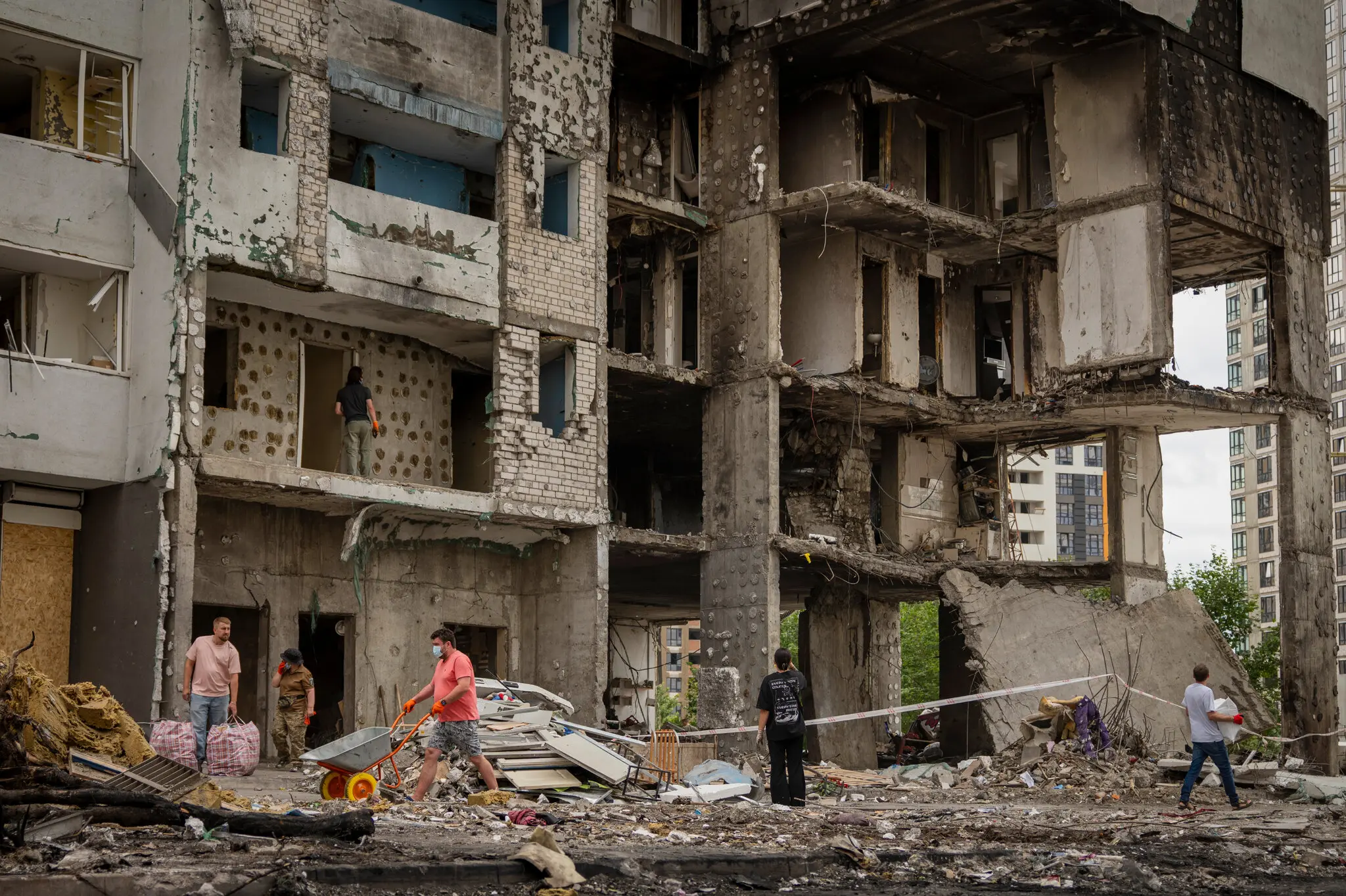



















In major wars, outcomes are shaped not only by maps, missiles and logistics, but by the way a leader interprets a single symbolic episode. The rescue of an American officer from Iranian territory could have served as a lesson in limits. For Donald Trump, it increasingly appears to have become proof of impunity.
Where colder judgment might have suggested caution, the White House now seems to see room for another move. That is how tactical success turns into strategic temptation: an operation that demonstrates capability also encourages the belief that the next risk, too, will remain manageable.
That logic is especially dangerous in a conflict with Iran, where the other side does not need to win in any classical sense. It only has to endure, stretch the timeline, raise the price of American involvement in the region and shift the war into a war of exhaustion, where every additional day begins to work against Washington.
In the preliminary assessment of Daycom, the central mistake of this moment lies in confusing episodic control over a single operation with control over the direction of the war itself. The two are not the same. At the campaign level, Iran still retains its most important asset: the ability to impose tempo and cost.
That is why the Strait of Hormuz has become more than a geographic chokepoint. It is the exposed nerve of the conflict. As long as tankers move through it freely, the global economy preserves an illusion of stability. The moment Tehran turns the strait into a bargaining lever, the confrontation between the United States and Iran stops being regional and becomes a question for the world energy market.
In that setting, Trump’s rhetoric no longer serves merely as political theater or domestic mobilization. When a president threatens power plants, bridges and critical infrastructure, he is raising not only the military stakes but the political ones. Strikes on the civilian fabric of a country rarely force a regime to yield. More often, they harden its response.
For Tehran, this is almost an ideal configuration. Internal fractures do not disappear, but pressure on this scale can turn even competing centers of power into a coalition of survival. The harsher the language of humiliation becomes, the easier it is for Iran’s security core to argue that negotiation is simply another word for surrender.
That is the paradox of the present war. The loudest demands for unconditional submission may produce the opposite of what they are meant to achieve. They may not accelerate a deal but foreclose one. They may not weaken the Islamic Revolutionary Guard Corps but enlarge its authority. They may not push Iran away from nuclear escalation but make a sprint toward it politically defensible inside the regime.
The longer the campaign lasts, the less room there is for presidential instinct and the more room there is for the friction of reality. The conduct of the war already shows how quickly control slips: machinery fails, air operations become more complex, extraction missions grow more vulnerable, and every lost aircraft can alter the political mood in the United States overnight.
This is the core contradiction in Trump’s approach. He speaks in the language of compressed timelines and rapid coercion. But every plausible path to the goals he hints at, from controlling the Strait of Hormuz to suppressing missile and drone threats along the Iranian coast, implies not weeks but months, and possibly years, of sustained presence.
Opening the strait by force is one task. Keeping it open is another altogether. That would require a permanent naval and air posture in the Persian Gulf, a sequence of costly operations, deepening international strain and the need to act in an environment where an adversary can use relatively cheap drones and missiles against an extraordinarily expensive security architecture.
The same is true of Kharg Island, the hub of Iranian oil exports. Seizing a site is easier than making it function under occupation. Any attempt to control an oil node immediately opens the far harder questions: sabotage, defense, repairs, maritime cover and political responsibility for everything that follows the seizure.
The most dangerous line runs through Isfahan and the question of near-bomb-grade uranium. Military logic may encourage not only airstrikes but the idea of physically removing the material. Yet this is precisely where the risk to American forces becomes disproportionate. Underground facilities, dense threat conditions and minimal room for error turn such an operation into something perilously close to an act of strategic overreach.
All of this also changes the internal structure of decision-making in Washington. Trump’s second term differs from his first in one crucial respect: fewer people around him appear willing to challenge presidential impulse in a systematic way. As successful coercive actions accumulate, they begin to form a personal theory of history: if it worked yesterday, it will work again tomorrow.
That is how one of the most dangerous illusions in contemporary foreign policy takes shape: the belief that military superiority automatically guarantees political results. The Middle East has spent decades disproving that idea. An army can destroy a target, open a corridor, enter a zone. It cannot, by command, create a stable political order afterward.
Iran, for its part, does not look like a state preparing to plead for mercy. The structure of the crisis suggests the opposite course: absorb the first blow, blur the timeline of the campaign, make each additional American move more expensive and gradually shift the conflict into the political arena, where Washington’s allies may begin to lose patience faster than Tehran does.
In that sense, Iran’s principal asset is not only missiles, drones or geography. It is an asymmetry of patience. The American president thinks in cycles of pressure and visible effect. The Iranian system knows how to think in cycles of endurance. That is why threats of “hell” may sound forceful in the information space while working, in practice, against the man delivering them.
The real turning point now is not whether Trump can raise the stakes further. He can. The more serious question is whether he can explain the political architecture of the day after: after bridges are destroyed, after energy networks are hit, after the Strait of Hormuz is contested, after an attempt is made to impose military control over Iran’s nuclear assets.
Until that answer exists, every new threat only increases the likelihood of a long war without a clear end state. And the louder the White House speaks in the language of coercion, the clearer the underlying risk becomes: Washington may win several more operations and still lose the logic of how this war ends.