

























The firing of Navy Secretary John Phelan looks like far more than another personnel change in Donald Trump’s administration. It opens a deeper fault line inside the Pentagon — a conflict over what American military power should look like in an era of prolonged crises, attritional wars and rapid technological change. In that sense, Phelan’s dismissal says more about the system than it does about his individual career.
Formally, the reasons were months of infighting, management disputes and disagreements over how to revive America’s troubled shipbuilding base, long regarded as one of the weakest points in U.S. military planning. But behind that explanation lies a more fundamental question: should the United States continue investing in large, expensive symbols of maritime power, or shift toward a more compact, less theatrical and far more technological model of war?
Phelan was closely identified with the ambitious “Golden Fleet” program, which called for major investment in new ships, including the highly publicized Trump-class battleship. The name itself captured the political style of the project: a fusion of defense planning, symbolic branding and the desire to fold military strategy into the president’s personal political narrative. Inside the Pentagon, however, that vision increasingly ran into resistance.
According to Daycom’s earlier analysis, Phelan’s removal reflects a broader shift in the internal balance of power within the American defense establishment. Influential figures in the Pentagon are moving more decisively toward submarines, stealth aircraft, unmanned platforms, cyber capabilities and electronic warfare rather than the revival of large legacy platforms. In other words, the conflict was not only about management style. It was about what should count as modern military strength in the first place.
In that context, Phelan increasingly looked like a man attached to a different logic. Not necessarily an obsolete one, but one that fit poorly with the new hierarchy of priorities. His push for large warships and a visibly expanded fleet clashed with the view of those who believe the wars of the future will be won less by tonnage than by software, concealment, reaction speed and systems integration. That is why the personnel dispute ultimately became a strategic one.
It also matters that this dismissal did not happen in a vacuum. The war with Iran, the strain on naval forces, the blockade of Iranian ports, operations around the Strait of Hormuz and the heavy use of expensive missile systems have all made questions of naval capacity intensely practical rather than theoretical. And while the Navy secretary does not direct combat operations, his office is responsible for what kind of fleet the United States will have tomorrow — and whether it can replace the material being consumed today.
That is why this personnel turbulence may matter less in the form of immediate operational disruption than as a source of long-term instability in planning. If the leadership of the naval department is fighting over the basic development model itself, that complicates not only shipbuilding, but missile replenishment, air-defense procurement, industrial modernization and budget allocation. For a country simultaneously fighting one war while preparing for others, that kind of uncertainty is more costly than it first appears.
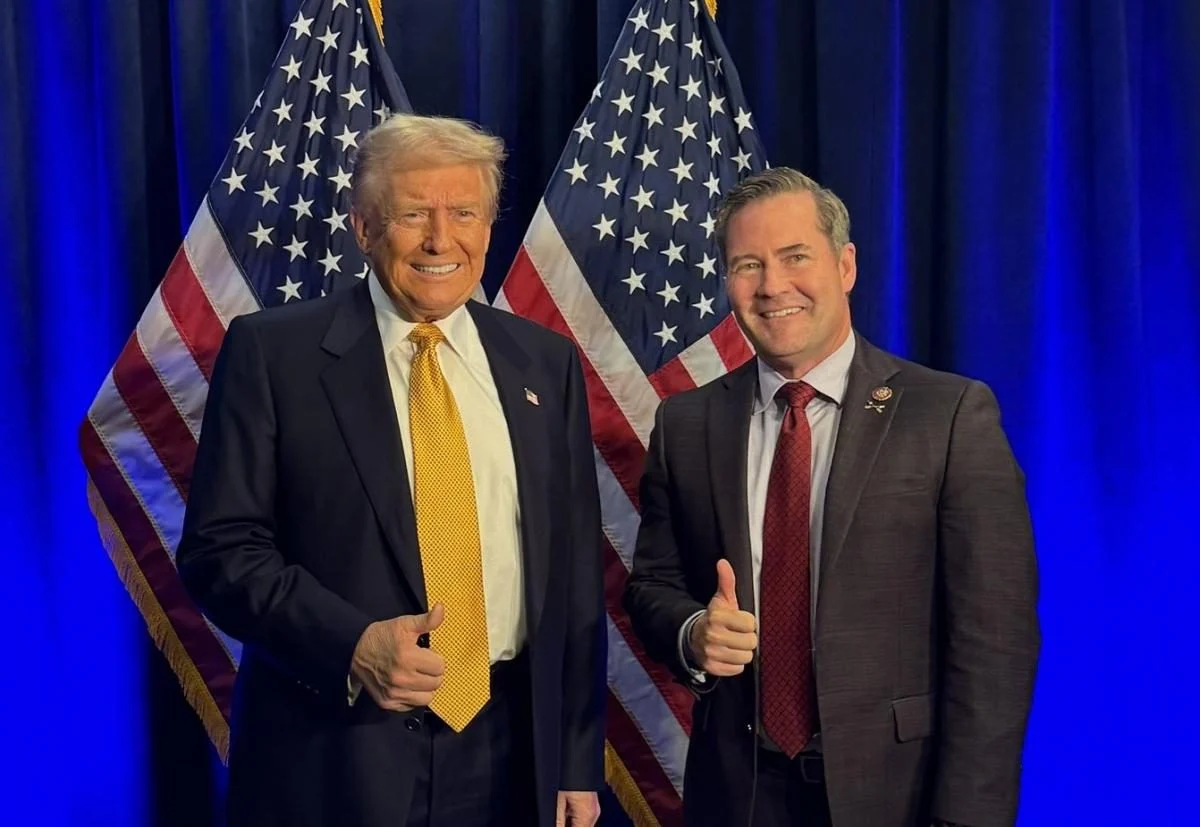
The domestic political dimension is no less revealing. Phelan was not an incidental bureaucrat, but someone Trump had publicly praised, stood beside and presented as a successful businessman capable of rebuilding the fleet. Yet even personal closeness to the president did not protect him from conflict with the real centers of power inside the Pentagon. That is another reminder that in Trump’s administration, personal loyalty matters, but is not always enough when it collides with bureaucratic rivalry and the ambitions of other actors.
Especially telling is that the conflict extended beyond force structure into personnel and cultural politics. Screening senior candidates for signs of being too “woke,” intervening in the logic of promotions and pressuring civilian service leaders have created an atmosphere in which strategic disputes are increasingly entangled with ideological ones. In such a system, a professional debate over the future of the Navy no longer exists separately from questions of political loyalty and internal culture war.
Phelan’s removal is therefore also a story about style of governance. It is not the story of a stable defense reform process, but of an administration in which major military decisions increasingly pass through narrow factional struggles, sudden removals and competition for access to the president. For the Pentagon, that is a dangerous pattern. A military institution can absorb shifts in priority. What it handles far less well is the destabilization of decision-making itself.
In the end, the departure of the Navy secretary matters not because it changes the battlefield map overnight. It matters because it shows that the American defense system is entering a period of hard internal reordering in which the struggle is not only over offices, but over the meaning of power itself. Between the battleship as a political symbol and the unmanned system as the quiet instrument of future war, the Pentagon appears to have made its choice. But the way that choice was imposed suggests something broader: even the world’s most powerful military machine is becoming increasingly shaped not only by strategy, but by the turbulence of its own political center.