


















The former Google executive takes over as director-general as the BBC faces Trump’s lawsuit, a charter rewrite, pressure on the licence fee, and a fight for younger digital audiences.
Matt Brittin’s appointment as the BBC’s next director-general, with a start date of May 18, 2026, is not simply a handover after Tim Davie’s departure. It comes at a moment when the broadcaster is simultaneously defending itself in a $10 billion lawsuit from President Trump, negotiating over its post-2027 future, and trying to adapt to a media environment shaped less by broadcast schedules than by platforms.
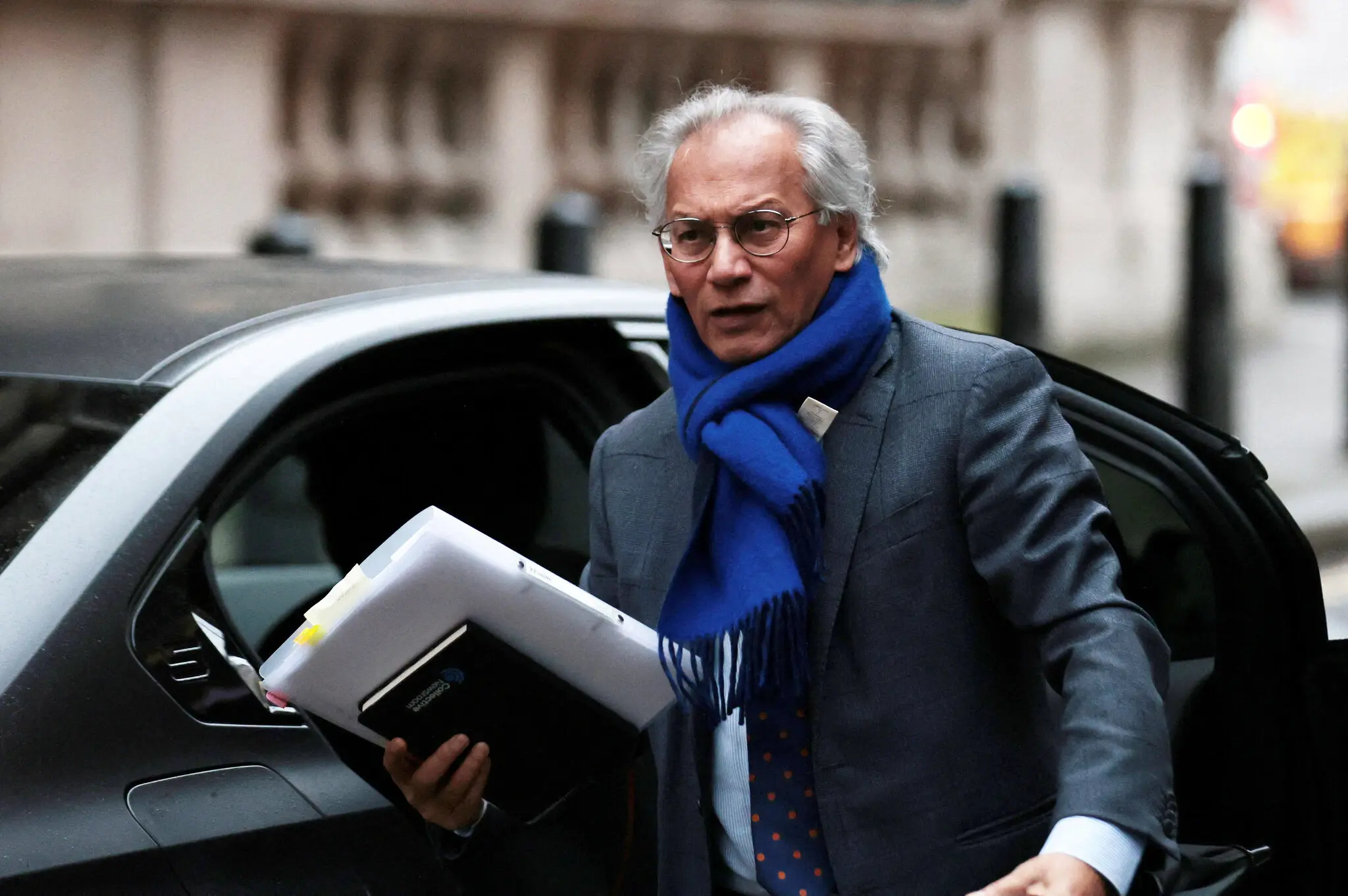
Brittin arrives from outside traditional broadcasting. He is 57, spent 18 years at Google, and previously served as president for Europe, the Middle East and Africa. Supporters see that as precisely the point: the BBC board appears to have chosen a leader with platform-era instincts, commercial fluency, and experience navigating regulation, scale, and political scrutiny. Critics, however, see a public-service newsroom being handed to a tech executive with no deep editorial track record.
That is why this is better understood as an institutional pivot than as a normal succession. The BBC is entering a charter review that will determine how it is governed, funded, and protected after the current Royal Charter expires on December 31, 2027. At the same time, it is trying to prove that a century-old public broadcaster can still command reach and relevance in a digital-first market.
As Deikom sees it, the BBC board did not hire another broadcaster; it hired a transition manager. The real bet behind Brittin is that the BBC’s next crisis will not be solved by programming judgment alone, but by someone who can defend public-service media while rebuilding it for the platform age. That is an inference from the combination of the charter review, the legal pressure, and the BBC’s own digital strategy.
The case for urgency is easy to see in the BBC’s own numbers. In its 2024/25 annual report, the corporation said 94% of UK adults use BBC services each month, 74% use BBC News in an average week, and BBC iPlayer reached 4.5 billion hours of viewing in 2024/25, up 883 million year on year. The BBC News app, it added, is now the number one news app in the UK by monthly reach.
Those figures show that the BBC is still large, trusted, and deeply embedded in British life. But they also explain why the coming charter debate is so consequential. The government formally launched its review in December 2025, saying the goal was to put the broadcaster on a sustainable financial footing and “future-proof” it in a rapidly changing media landscape. In other words, Brittin is taking charge while the BBC is effectively renegotiating the terms of its own existence.
The digital question is just as central. In January, the BBC announced a strategic partnership with YouTube focused on new programming, broader distribution of BBC content on the platform, and training for the next generation of creators and producers. The move reflects a blunt reality: younger audiences are increasingly formed on platforms the BBC does not own, which means a public broadcaster can no longer defend its mission by staying inside its own walls.
But that strategy carries a built-in contradiction. Every step the BBC takes toward YouTube may improve reach, discoverability, and relevance; it may also make the institution more dependent on the logic of a platform economy built around algorithms, fragmentation, and audience capture. For a public broadcaster, the danger is not merely commercial. It is constitutional: becoming highly efficient at distribution while gradually blurring the case for why it should remain a distinct public institution at all. That is an inference from the BBC’s platform strategy and the government’s charter review agenda.
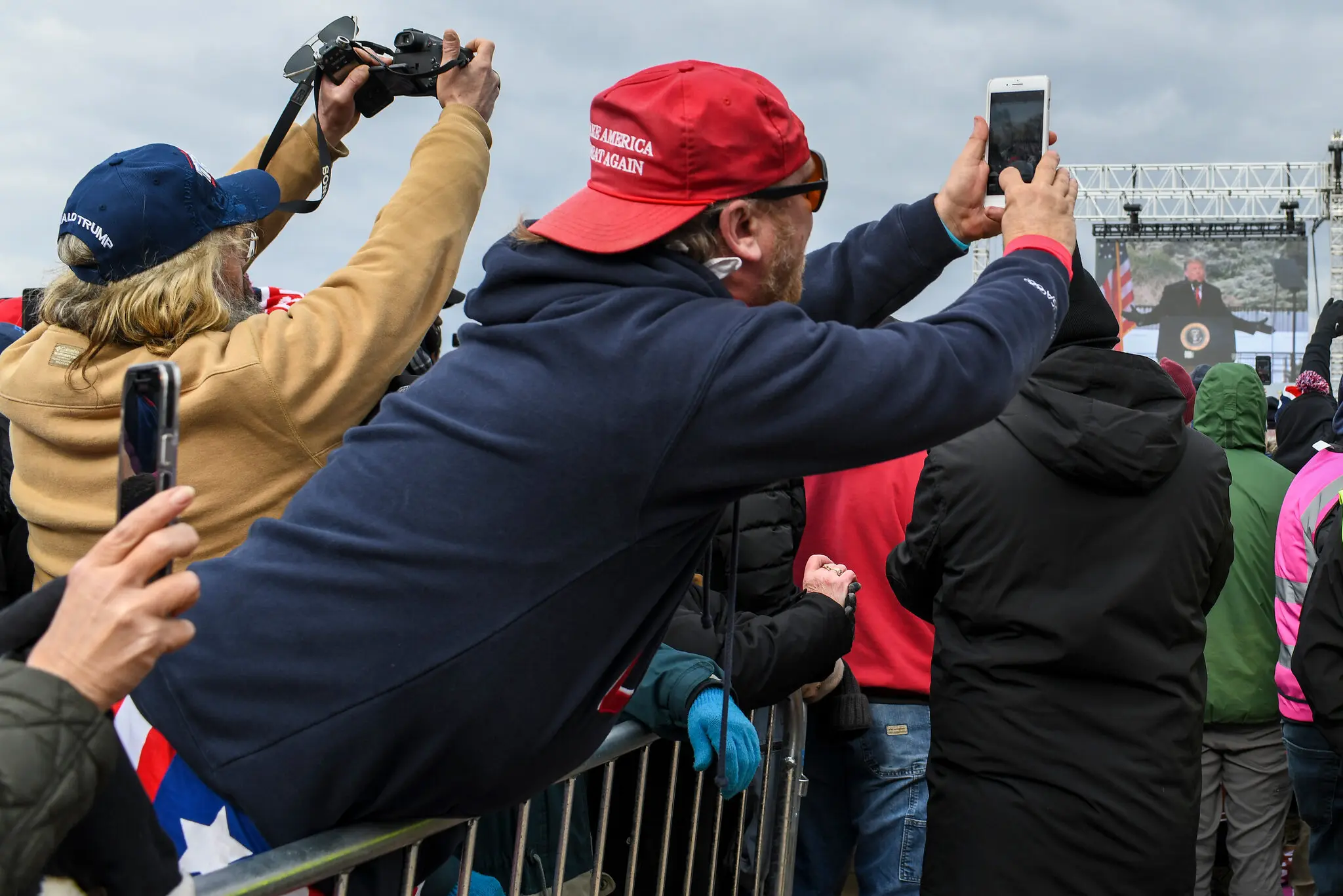
Then there is the Trump lawsuit, which will land early on Brittin’s desk. The BBC has acknowledged that the editing of a 2024 Panorama documentary created a mistaken impression about Trump’s words before the January 6 attack on the Capitol, but it rejects the defamation claim and has asked a Florida court to dismiss the case. AP reported that the suit seeks $10 billion; other reporting on the BBC’s dismissal motion says the broadcaster argues the case threatens a chilling effect on journalism and points out that the documentary did not air in the United States.
This matters for more than legal exposure. The charter review itself is being framed by government around questions of trust, accountability, and the broadcaster’s long-term legitimacy. So the Trump case is not just a lawsuit; it is a stress test of editorial authority at exactly the moment the BBC must persuade the public and politicians that its independence still deserves special protection.
Brittin’s lack of newsroom pedigree is therefore not a side issue. The Guardian reported that the BBC is expected to strengthen the top team around him, including with editorial firepower at deputy level and a new head of BBC News. That suggests even supporters of his appointment understand the underlying trade-off: a leader chosen for strategic transformation may still need visible editorial ballast to steady the institution.
He also inherits an organisation already under financial strain. The BBC’s 2024/25 annual report says it had delivered £564 million of savings since 2022/23 against a target of £700 million, while continuing a programme of workforce reduction in public service operations. So Brittin is not arriving with a blank slate or surplus resources; he is being asked to modernise a huge institution while it is already cutting costs and justifying every line of expenditure.
That is why this appointment could prove far more significant than the usual media-leadership shuffle. If Brittin can protect BBC News, navigate the charter rewrite, adapt the licence-fee model to political reality, and expand the broadcaster’s digital reach without dissolving its public-service identity, he will have done more than manage a transition. He will have helped refound the BBC for the next decade. If he fails, the BBC may remain a powerful content brand while becoming less persuasive as a public institution. That conclusion follows from the pressures documented by the government, the BBC’s own reporting, and coverage of his appointment.