














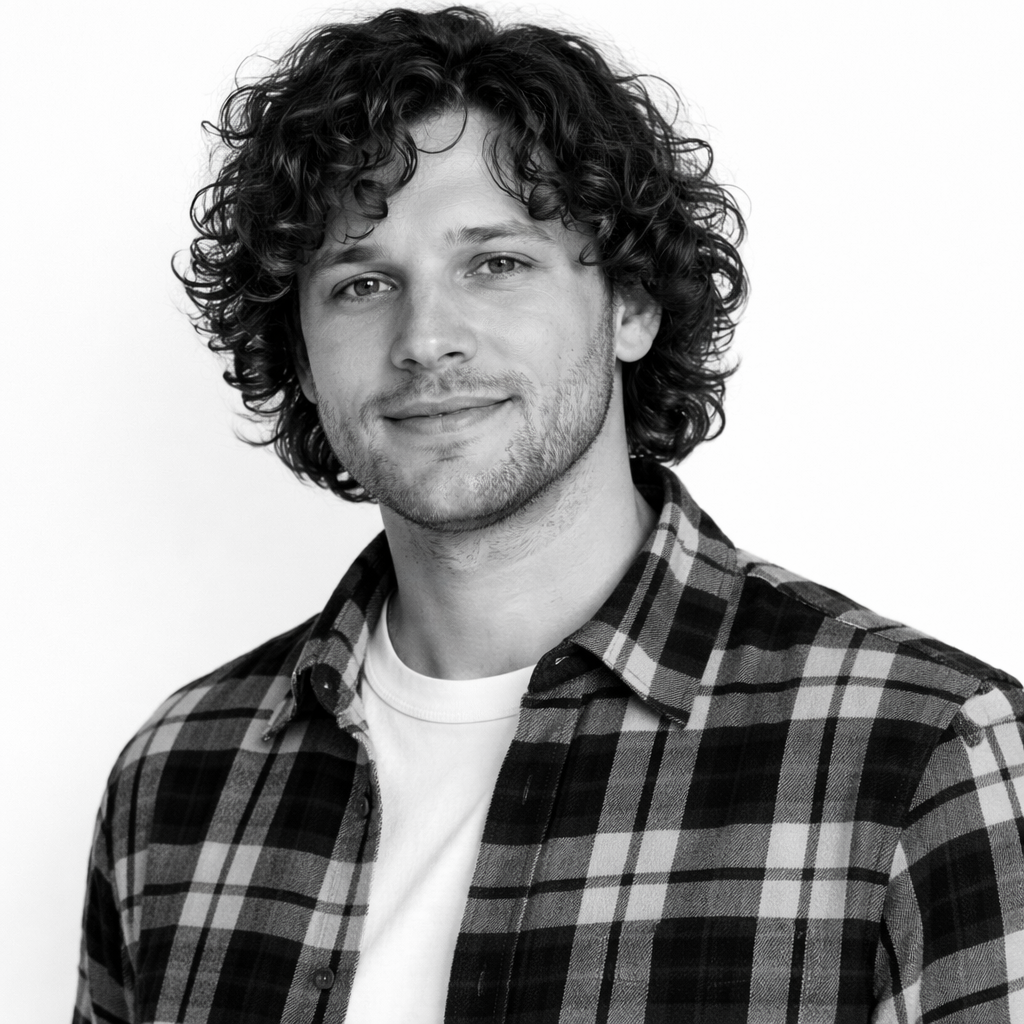
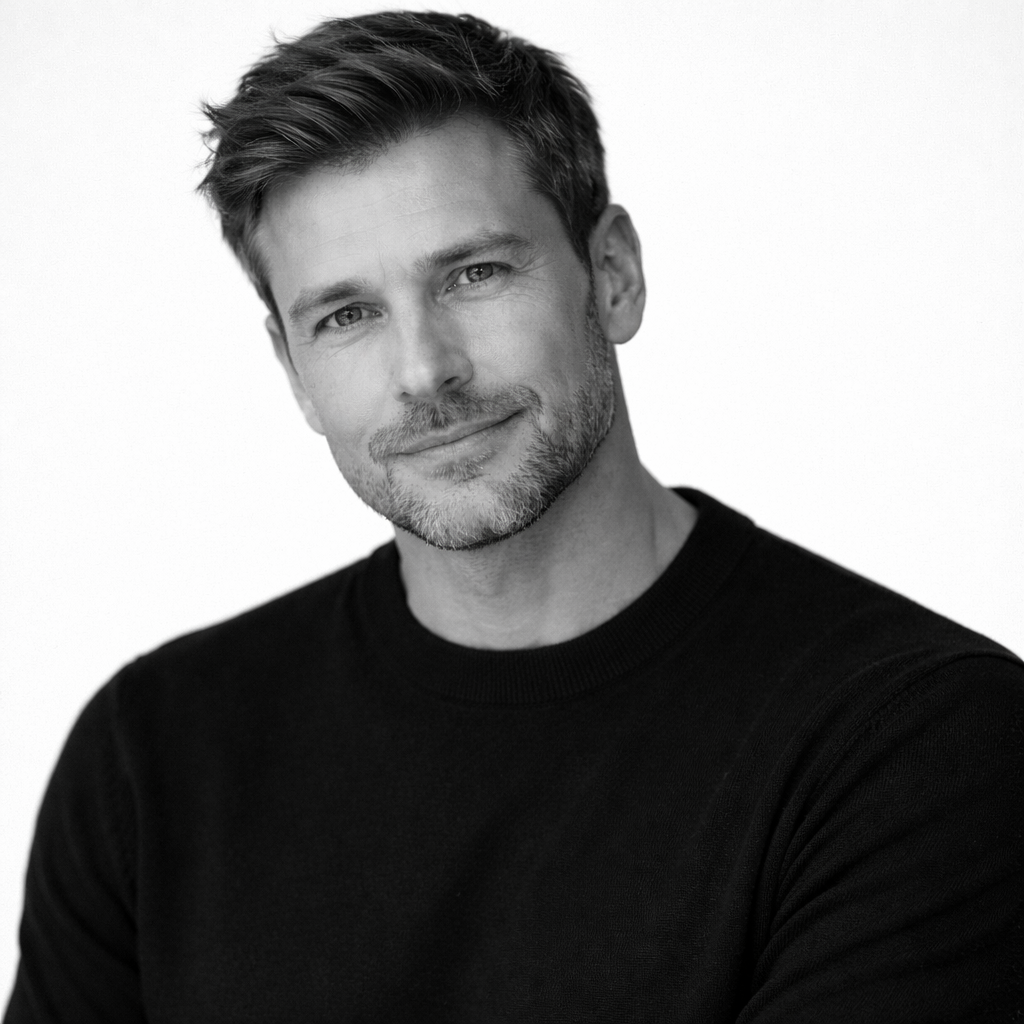

The St. Petersburg Economic Forum opens as a stage on which the Kremlin wants to prove that Russia is not isolated, that the West is not united, and that Americans still come to Moscow. But the composition of that American presence says less about the return of major business than about a different kind of diplomacy: cultural, marginal and propagandistic.
There was a time when Russia’s “Davos” was measured by energy executives, banks, deals, investments and negotiations over pipelines. Its Western façade is now made up of right-wing media personalities, a former Hollywood action star, an official from a cultural commission and possible guests whose reputations were built in the more toxic corners of the internet.
This shift in the guest list is not accidental. Since the full-scale invasion of Ukraine, Russia has lost much of its access to Western political and business elites. In their place, the Kremlin is trying to elevate figures who speak the language of anti-wokeness, traditional values, anti-globalism and hostility toward the liberal order.
According to Daycom’s earlier analysis, this substitution is the point. Moscow can no longer sell itself to the West as a great market of the future. So it sells itself to parts of the Western right as a civilizational alternative: a country of churches, strength, family, “sovereignty” and resistance to cultural change.
In that logic, Candace Owens matters to the forum not as an economic participant, but as a symbol of American polarization. She is scheduled to speak on balancing a large family with a successful career — a topic that fits neatly into the Kremlin’s language about traditional values, demographics and the contrast between a supposedly healthy Russia and a decaying West.
Her presence also shows how Russian propaganda works with American culture wars. The Kremlin does not need such guests to repeat its entire political line. It is enough for their arrival to suggest that there are Americans willing to see Russia not as an aggressor, but as a spiritual or ideological counterweight to their own society.

Steven Seagal is another version of the same prop. The former action star has long been part of Russia’s political theater: he received Russian citizenship, supported the annexation of Crimea, appeared alongside pro-Kremlin structures and accepted an official role as a humanitarian envoy in Moscow’s system.
His participation in a culture panel is almost ironic. In the Russian state’s hands, culture has long ceased to be a space of dialogue and has become an extension of geopolitics. Seagal is not needed for an artistic conversation. He is needed for an old myth: that Russia is supported by “real” Americans outside the Washington establishment.
Rodney Mims Cook Jr. gives the Kremlin a different kind of value. He is not a central political figure in Washington, but he carries the formal status of a U.S. official. That alone allows Moscow to speak of the first official American presence at the forum in years and present it as a sign of thaw.
In reality, the signal is far weaker than Russia wants it to appear. Cook does not represent the State Department, the Treasury, major business or a strategic negotiating channel. He speaks about cultural dialogue, church heritage and his own Christian motivation. Visually, however, that is enough for the Kremlin.
The Russian system has long been skilled at exploiting half-tones. One official becomes an “American delegation.” One panel becomes “dialogue with the United States.” One religious gesture becomes proof of civilizational understanding. In a country under sanctions, even a small crack in isolation is staged as a diplomatic breakthrough.
The possible appearance of the Tate brothers adds another layer. They are products of the online age, where provocation, misogyny, the cult of force and contempt for rules become a business model. Their interest in Moscow fits neatly into Russia’s narrative of “real masculinity” against a supposedly weak liberal West.
Yet this very cast of personalities exposes the limits of the Kremlin’s appeal. St. Petersburg’s forum once competed for the attention of global corporations. Now it celebrates influencers, scandal-driven media figures and symbolic guests. This is not an expansion of influence, but the replacement of influence with spectacle.
The economic part of the forum has not disappeared. Russia still matters in energy markets, has partners in Saudi Arabia, discusses OPEC+, sells resources and looks for technological and logistical workarounds. But the Western dimension of the event is no longer about capital. It is about a propaganda image.
Putin needs that image at a time when the war is placing growing pressure on Russia’s economy. Growth is slowing, budget constraints are tightening, defense spending is crowding out the civilian sector, and Ukrainian drones are hitting oil, fuel and port infrastructure. Against that backdrop, the forum is meant to create the impression of normality.
That is why the American guests are part of a broader operation. Their role is not to invest billions. It is to reassure the Russian audience that the world has not closed. That there are “other Americans.” That the West is divided. That sanctions have failed to make Russia lonely.
For the outside world, the message is less convincing. The guest list instead underlines how much the forum’s status has changed. When former CEOs and bankers are replaced by podcasters, politically loyal actors and second-tier cultural officials, it speaks not of Russia’s strength, but of its narrowing channels.
The Kremlin, however, does not need full credibility. It needs noise. In modern information warfare, presence often matters more than substance. A photo, a panel, a quote, a gifted icon, a video from an airport — all of it becomes material for domestic consumption and proof that Russia supposedly has friends where governments call it an aggressor.
That is the new nature of Russia’s Davos. It is no longer Russia’s window into the world economy. It has become a mirror in which the Kremlin shows itself the picture it wants to see: not a country paying for war with isolation, but the center of an alternative civilizational coalition.
But a mirror does not change reality. Russia can invite American right-wing influencers, Seagal, a cultural official or scandalous online personalities. It can speak about family, faith, culture and pragmatic dialogue. Behind the stage remain war, sanctions, economic stagnation and a shrinking ability to attract those who once came to St. Petersburg not for symbols, but for the future.