















The idea of an Easter pause in attacks on energy infrastructure did not emerge at a moment of diplomatic momentum. It emerged amid renewed escalation. That is precisely why it deserves to be read not as a hopeful appeal for sudden de-escalation, but as a calculated political move shaped by the realities of the war’s current phase.
Kyiv is not proposing a general ceasefire or a frozen front. It is advancing something narrower and more testable: a halt to strikes on the energy system. The distinction matters. A limited arrangement of this kind does not resolve the war, but it creates a measurable test of intent. If even such a minimal step proves impossible, that answer will be addressed not only to Ukraine, but also to Washington and to European capitals.
The significance of the proposal lies in the way it reframes the conversation. Instead of entering another abstract debate about peace, Kyiv is shifting attention toward civilian resilience, infrastructure and the practical conditions of survival. That gives the initiative both political sharpness and moral clarity at a moment when the wider negotiation track remains stalled and overloaded by larger strategic disputes.
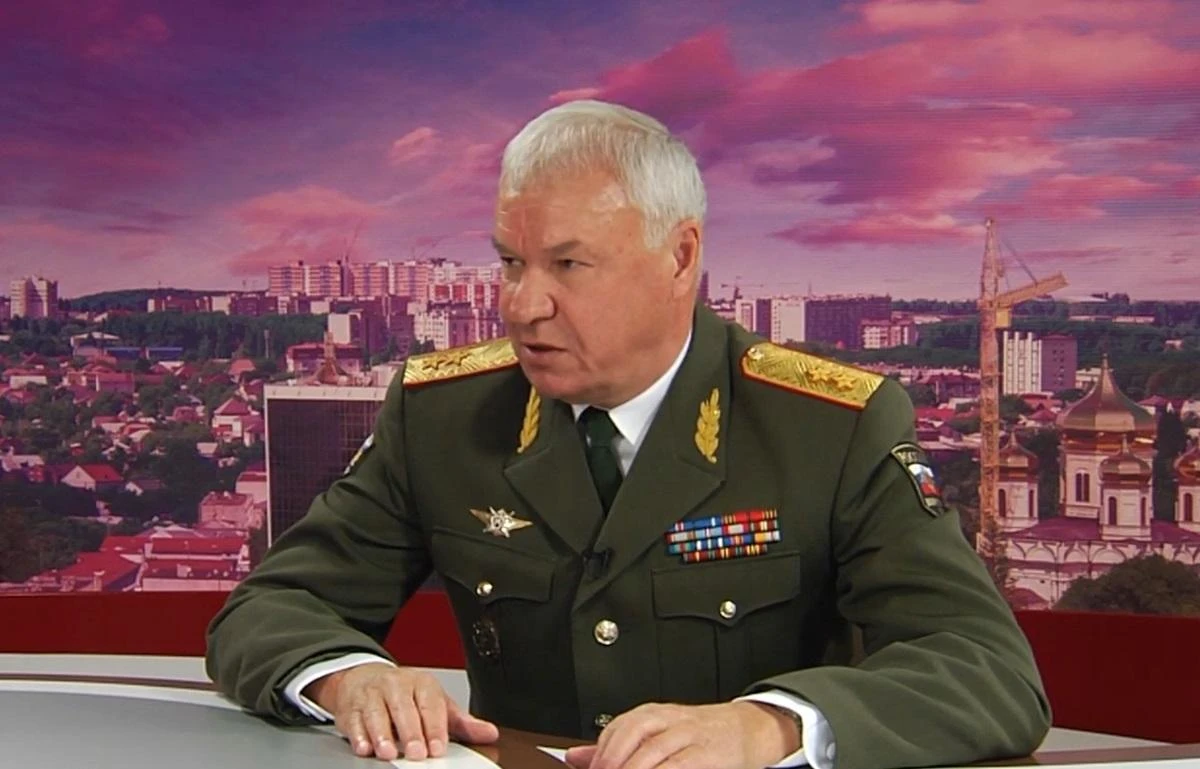
In Deykom’s assessment, Ukraine is trying to achieve three things at once. First, it wants to show the United States that Kyiv is not the side obstructing diplomacy. Second, it is seeking to keep Europe inside the architecture of any future settlement. Third, it is attempting to move the discussion away from Russia’s territorial demands and toward the protection of critical infrastructure, where Moscow’s position is far weaker both politically and morally.
That matters because the diplomatic landscape of 2026 no longer revolves around a single meeting or a single mediator. The negotiation process has become layered, unstable and increasingly vulnerable to outside shocks. Even limited proposals are now being folded into a larger struggle over guarantees, sequencing and the role of different power centers in shaping the endgame.
Another force is pressing on this process as well: the competition of crises. Washington and European capitals are being forced to divide their attention between Ukraine and the Middle East. For Kyiv, that creates a blunt strategic reality. It is no longer enough to fight for weapons and money. Ukraine must also fight to remain a priority. In that environment, even a narrowly defined Easter initiative becomes a way of pulling the war back toward the center of the Western agenda.
There is also a quieter layer to this move. Rising global energy prices have made some of Ukraine’s partners more sensitive to the consequences of strikes on Russian oil and energy assets. Under those conditions, the proposal for an energy truce can be read as an effort to seize the initiative before pressure for unilateral restraint begins to build. Kyiv is not offering self-limitation. It is demanding reciprocity: if Russia stops hitting Ukraine’s energy system, Ukraine will respond in kind.
That formula has an obvious diplomatic advantage. If Moscow refuses and continues attacking Ukrainian infrastructure, Kyiv can demonstrate to its partners that Russia is unwilling to accept even a narrow and practical reduction in violence. If Moscow agrees, Ukraine gains not peace, but a temporary opening to stabilize the grid, repair networks and test whether focused diplomacy can still produce a concrete result.
The Kremlin’s cold response only sharpens the contrast between the two positions. Moscow treats a sectoral proposal not as a practical confidence-building step, but as something subordinate to a much larger political bargain on its own terms. That suggests that for Russia even a limited pause is acceptable only if it is embedded in a broader settlement that advances its wider objectives.
For Kyiv, by contrast, the proposal matters precisely because it does not require surrender on first principles. It is a test of whether any limited de-escalation remains possible without territorial concessions, without accepting Russian coercive logic and without weakening Ukraine’s strategic position. In that sense, the question is no longer only about power stations and substations. It is about whether violence can be reduced in one area without opening the way to a larger political loss.
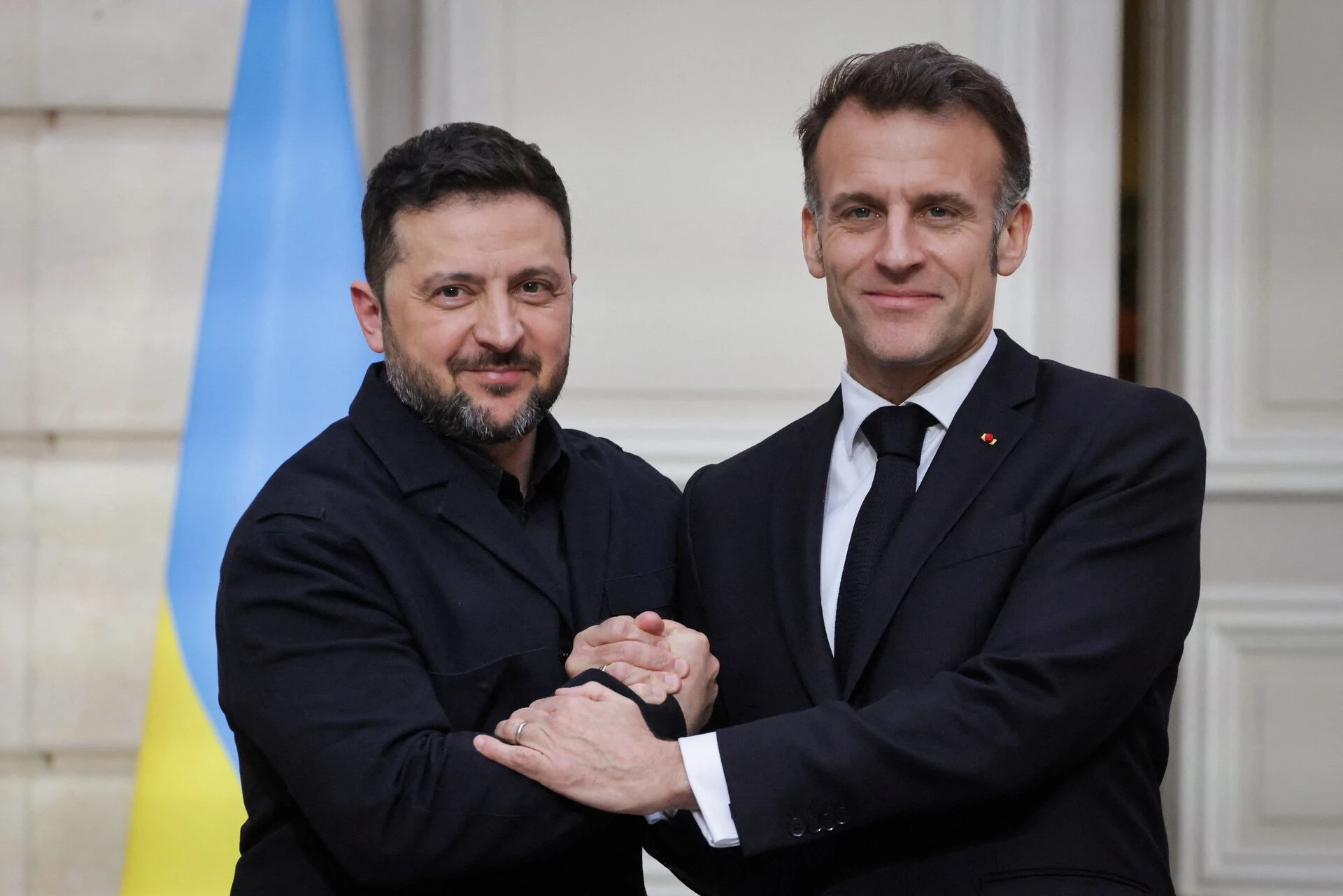
It is equally telling that Zelensky is pairing the truce idea with renewed emphasis on security guarantees and on Europe’s role in the process. In Ukraine’s reading, even a brief holiday pause has value only if it fits into a stronger architecture of deterrence. A reduction in strikes is meaningful only when it does not become a breathing space for a new Russian offensive, but rather a step toward a more durable framework in which Europe remains an active participant, not a spectator.
That is why Kyiv’s move should be understood not as a symbolic appeal, but as a struggle over the framework itself. Ukraine is not renouncing pressure on Russia’s energy sector, nor is it accepting the logic of one-sided restraint. It is trying to establish a different rule: any limitation must be mutual, verifiable, relayed through mediators and linked to a broader system of guarantees.
This is also why an Easter energy truce is unlikely to mark a turn toward peace. But it does reveal the underlying geometry of this stage of the war. In 2026, the fight is no longer only for towns, industrial belts and kilometers of front line. It is also a fight over the structure of negotiation, over who appears to be the side of diplomacy, over who sets the tempo of talks and over who can combine military pressure with political initiative.
In that new geometry, substations, oil terminals and negotiating tables are no longer separate arenas. They are parts of the same chain. And the side that succeeds in defining the relationship between them will gain an advantage not only in rhetoric, but in the shape of whatever future settlement eventually emerges.