




















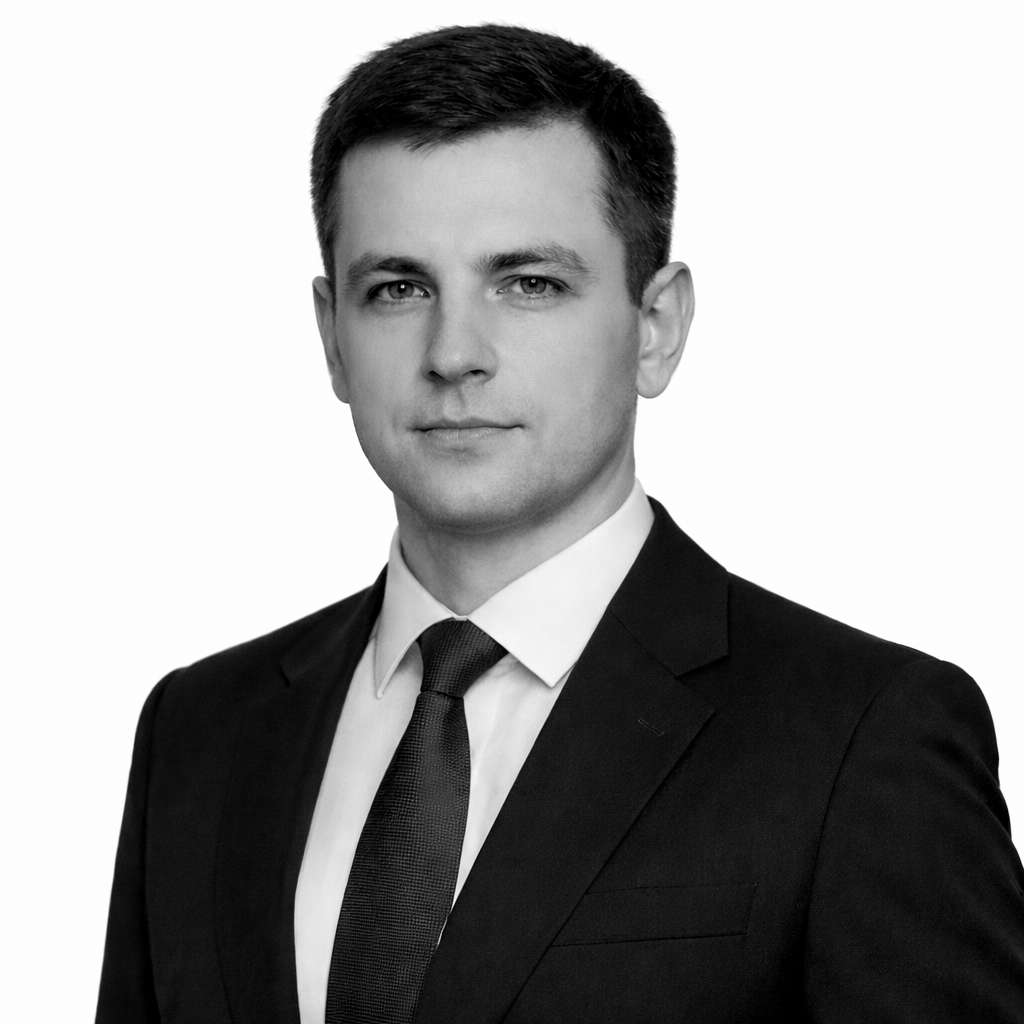

Andy Burnham has always looked like a politician too expansive for the role of technocrat. He does not speak like someone explaining a government memo. He sounds more like a mayor who has just come from a conversation with bus passengers, bereaved families or voters in a town long used to feeling unheard.
That is why his return to Parliament through the Makerfield seat is more than another Labour by-election victory. It gives Burnham a route toward the party leadership — and, under the current balance of power, toward Downing Street.
After years at the helm of Greater Manchester, he re-enters Westminster at a moment when Keir Starmer has lost much of his political momentum. A Labour majority in Parliament does not guarantee calm if voters begin to doubt that the government understands their frustration.
As Daycom has argued in earlier analysis, Burnham’s rise matters not only as a personal alternative to Starmer. It reflects a deeper fatigue in British politics with the London centre, the language of cautious administration and promises that fail to become visible change on the ground.
Burnham was born in Liverpool in 1970, the son of a telephone engineer and a doctor’s receptionist. He grew up in Cheshire, not far from the constituency that has now returned him to Parliament. That background has become part of his political identity: the North, work, football, Catholic memory and suspicion of metropolitan condescension.
His biography is both deeply British and unmistakably Labour. Catholic state schools, Cambridge, work as a researcher for Tessa Jowell, advisory roles in government and then Parliament. He did not enter politics from the street, but he learned to speak as if he had never lost contact with it.
In Westminster, Burnham passed through the classic New Labour school. He served as a junior minister under Tony Blair, entered the cabinet under Gordon Brown and worked across the Treasury, culture and health briefs. That gave him experience of the state machine, but also tied him to a political era many voters now view with suspicion.
A defining place in his career belongs to the Hillsborough disaster, in which 97 Liverpool supporters died. When Burnham was heckled at a memorial service, it became not a humiliation but a political lesson. He understood that the families were fighting not only for memory, but against a system that had spent years shifting blame onto the victims.
His pressure helped secure a new inquiry. That was where the later “king of the North” began to take shape: a politician who builds strength not by keeping emotion at a distance, but by turning a community’s grievance into an institutional demand.
He has already tried twice to lead the Labour Party. In 2010, he lost and came fourth. In 2015, he began as the early favourite but was defeated by Jeremy Corbyn, whose team he later joined. For critics, that became evidence of flexibility close to shapelessness.
Burnham has indeed worked with three very different Labour leaders — Blair, Brown and Corbyn. Opponents call that political chameleonism. Supporters call it an instinct to stay closer to voters than to doctrine. In British politics in 2026, that distinction may prove decisive.
In 2017, he left Parliament and became mayor of Greater Manchester. It was there that his image stopped being purely Westminster-made. The mayoralty gave him a stage on which politics was not an abstract struggle among factions, but transport, housing, jobs, homelessness and real power over urban services.
The clearest example was bus reform. Burnham pushed through greater public control of local transport and turned a dry regulatory issue into a story about public interest against private inertia. Where another politician might have offered a spreadsheet, he offered a conflict with legible sides.
During the pandemic, he deepened that image. His resistance to London’s decisions on restrictions and compensation for the regions made him a symbol of a North unwilling to remain the periphery of other people’s choices. The nickname “king of the North” stuck because it matched a mood, not merely a media pose.
That is his main contrast with Starmer. The prime minister built his career on control, legal precision and caution. Burnham sells something different: warmth, recognition, energy and the sense of a politician unembarrassed by politics itself. For Labour, that may be an antidote to its own coldness.
But charisma does not remove the limits of power. Britain remains a country of tight fiscal constraints, weak growth, strained public services and voters impatient for rapid results. In Downing Street, Burnham would no longer be able to choose only the battles that tell well.
Some of his economic language has already unsettled parts of the market and Labour’s centrist wing. Phrases about moving beyond dependence on bond markets can sound powerful on a political stage, but in government each such sentence may cost more than it does in a campaign speech.
At the same time, Burnham was never an anti-business romantic in Manchester. He sought investment, worked with developers, promoted the city economy and did not reduce regional justice to simple redistribution. His populism, if the word applies, is more stylistic than programmatically destructive.
That is what makes him a dangerous opponent for Reform UK and Nigel Farage. Burnham can speak to voters angry with London without handing that anger to the populist right. He offers not culture war, but regional dignity, transport, work and control over everyday life.
Still, his path to the top will not be a clean ascent. To become Labour leader, he needs support from a substantial part of the parliamentary party. MPs will judge not only his popularity, but whether he can avoid tearing Labour apart at a moment when it is already under pressure from the right and from within.
For Labour, Burnham is both opportunity and risk. He could return to the party a voice that sounds more human than a government instruction sheet. But he would also bring into the centre of power expectations he has spent years feeding: more North, more devolution, more directness, more tangible change.
The question now is not only whether Andy Burnham can become Britain’s next prime minister. It is whether a politician who built his strength at a distance from Westminster can preserve it once he enters its tightest room — the place where every day brings not symbols, but crises.