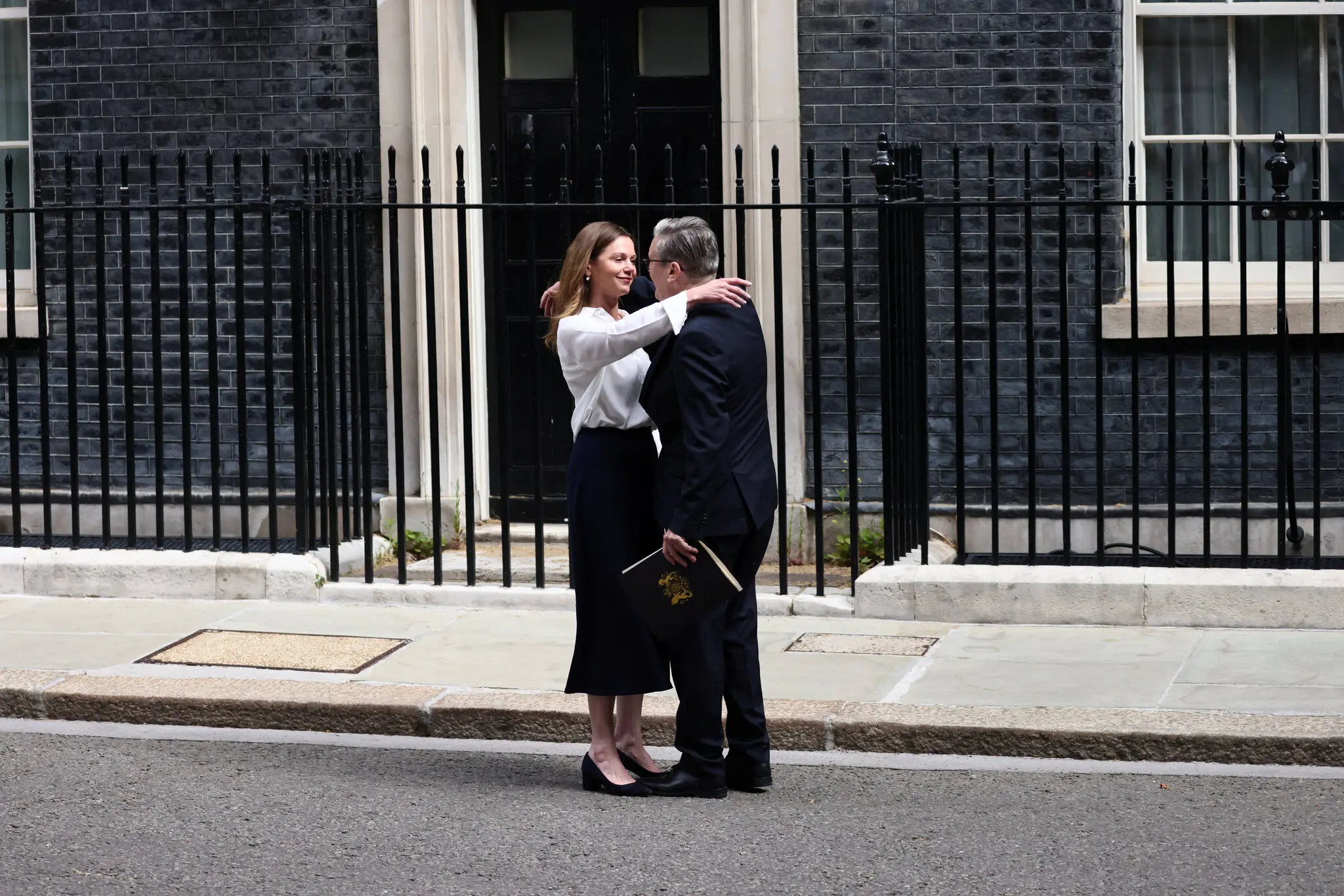






















After Keir Starmer’s resignation, the main question in London is not only who will become Britain’s next prime minister. More precisely, it is whether the country will see a real internal Labour contest or whether power will pass to Andy Burnham with almost no resistance, in something close to a political coronation.
Starmer will remain prime minister until Labour completes the process of choosing a new leader. Because the party holds a majority in the House of Commons, its next leader will become the person invited by the king to form a government. No general election is required.
In his resignation statement, Starmer set out the timetable for transition: nominations are to open on July 9, and a new leader is expected to be chosen before Parliament returns from its summer recess. If several candidates enter the race, the process could run until the end of summer. If Burnham is the only contender, it could be over much sooner.
According to Daycom’s earlier analysis, this fork in the road captures the state of British politics after Brexit. Formally, it is a party procedure. In reality, it is an attempt by the governing party to replace its leader without turning its own crisis into a deeper crisis of the state.
The first scenario is a full contest. To run, a candidate must secure the backing of 20 percent of Labour MPs, currently 81 lawmakers, as well as support from local party organisations or affiliated groups, including trade unions. The final decision would then pass to party members and affiliated union supporters.
That route would give the next prime minister a broader mandate. It would allow Labour to discuss the reasons for Starmer’s fall, divide responsibility for the government’s mistakes and define a new course through something more open than agreement among MPs. But it also risks a summer of attacks, factional division and a gift to Reform UK.
The second scenario is Burnham without rivals. If he is the only candidate when nominations close, no membership vote will be needed. He would become Labour leader by default. Starmer would then go to Buckingham Palace to formally resign, and Burnham would be invited to form a government.
That option now looks the most likely. Burnham has just returned to Parliament through a special election in Makerfield. Wes Streeting, who could have been his strongest rival, has endorsed him. Many Labour figures appear to want not a fight, but a quick end to uncertainty.
There is political logic in that. Labour does not want to repeat the Conservative experience after Brexit, when leadership changes became so frequent that the transfer of power itself looked like weakness. The party wants to project order: Starmer leaves, Burnham arrives, the government continues, and the country avoids another stage of chaos.
But a fast coronation has its own danger. It could leave unanswered the questions that brought Starmer down: why a large parliamentary majority did not produce the feeling of a strong government; why growth remained weak; why voters did not see rapid improvement in public services; and why Reform UK managed to turn frustration into sustained pressure.
Burnham enters this moment with the most useful biography Labour could want. He is not an outsider to the party, having served as an MP and minister. He does not look like a creature of the London centre, because his political strength grew in Manchester. He does not sound like a technocrat without emotional contact, because he speaks the language of regions, bills, transport, housing and work.
That is why his possible rise is not merely a personnel change. It would mark an attempt to change the tone of government: from Starmer’s legalistic restraint to a more social, northern and everyday political language. For a party that won power without deep public affection, that may matter as much as a new programme.
Yet Burnham will not inherit a clean slate. He will face the same economy, the same tight budgets, the same pressure to increase defence spending, the same tax fatigue and the same competition from right-wing populists. A new face outside Downing Street does not change the fact that Britain has been living for years in a prolonged post-crisis repair job.
Constitutionally, the path is simple. Politically, it is not. Once Labour chooses its new leader, Starmer will formally submit his resignation to King Charles III. The monarch will then invite the successor to form a government. In the British system, that is a ceremonial but decisive link: party will becomes state power.
That is why timing matters. If the process drags on, the opposition will speak of a government without a steering wheel. If Burnham enters too quickly, he may be accused of a closed-door takeover without open debate. Labour must find a balance between democratic legitimacy and the need not to look lost.
Starmer leaves as a prime minister who could not keep his own majority in a state of confidence. Burnham may arrive as the politician onto whom Labour transfers its hope of renewal. But the procedure of his arrival will be the first test. If it looks orderly, Labour may have a chance to change the story. If not, Britain will see not renewal, but another episode in its long post-Brexit instability.