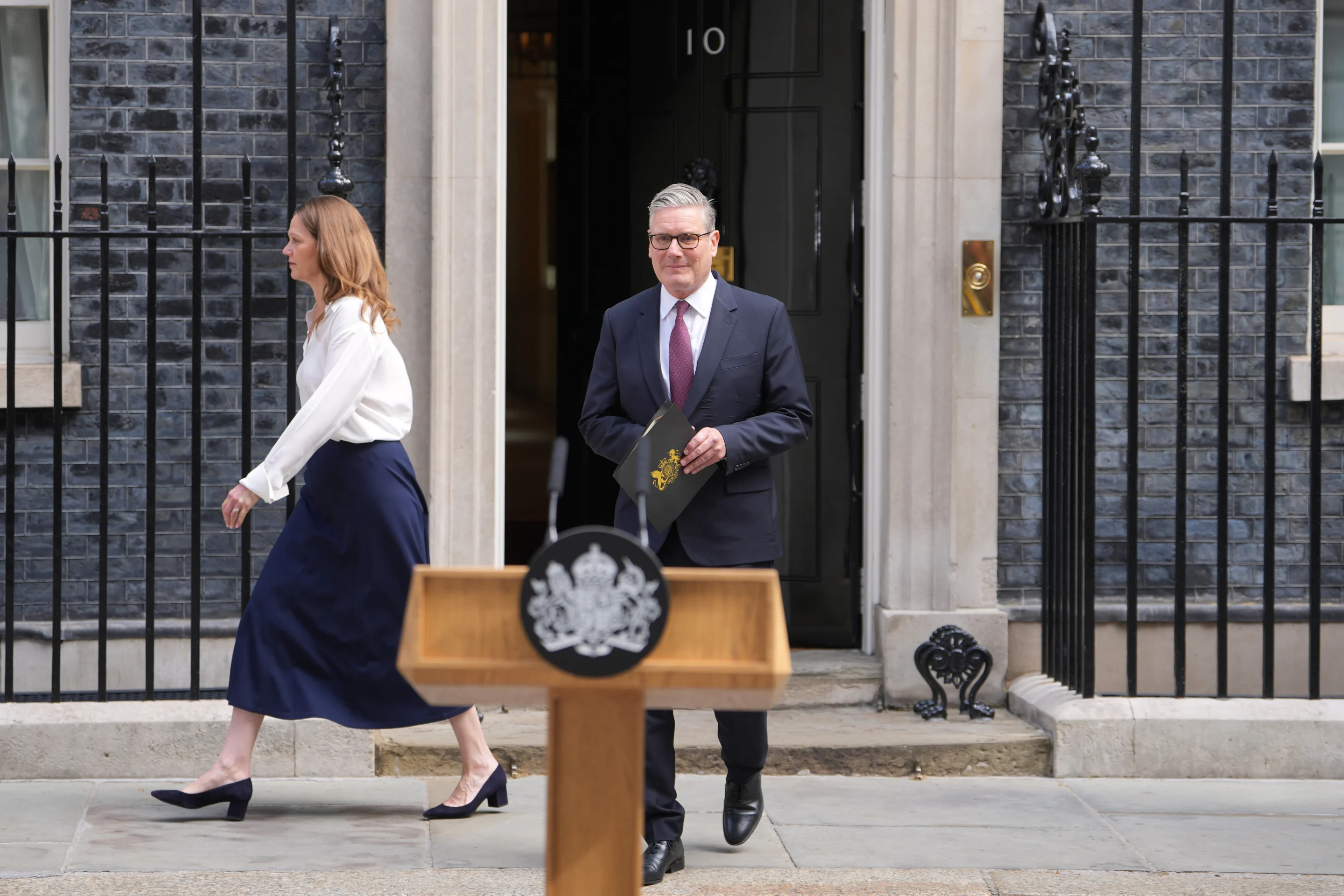



















Keir Starmer spent months trying to avoid this scene. As recently as the end of last week, he insisted he would not leave office. But on June 22, outside the door of Downing Street, the prime minister acknowledged what his party had already decided without him: his time at the head of government was ending.
Starmer announced that he would step down as leader of the Labour Party and leave government once a successor had been chosen. Until then, he will remain prime minister to ensure an orderly transfer of power. For Britain, this means a seventh prime minister in a decade — another symptom of a country that has not recovered its political balance since the Brexit referendum.
His resignation is a bitter ending to a story that began almost triumphantly. In 2024, Labour returned to power after 14 years of Conservative rule, secured a large parliamentary majority and promised the country calm after an era of scandals, austerity and exhausting instability.
According to Daycom’s earlier analysis, the weakness of that triumph was already present on the night of victory. Labour won a mandate, but not affection. Its 34 percent vote share was enough for a majority in Parliament, but too fragile to sustain long public trust. It was a victory over the Conservatives, not a national embrace of a new political idea.
Starmer came to power as a man of order. He promised competence, discipline and seriousness in government. But it quickly became clear that after chaos, voters wanted more than a calmer tone. They wanted cheaper lives, faster hospitals, a clearer economy, controlled migration and the sense that the government was moving the country forward.
In his first two years, Starmer did make consequential decisions. He increased defense spending, directed investment into the National Health Service and pointed to a reduction in illegal immigration. But those steps were lost in a broader feeling of uncertainty, tax pressure and repeated political retreats.
What damaged him most was not one mistake, but the image of indecision. Shifts on welfare, heating subsidies and tax policy created the impression of a prime minister who wanted to be a reformer while fearing his own party. In British politics, that kind of weakness quickly becomes a reason for removal in itself.
The Peter Mandelson affair dealt a separate blow. Starmer’s decision to appoint him ambassador to the United States despite his toxic associations with Jeffrey Epstein undermined the moral image of a government that had promised cleaner politics. For Starmer, this was especially dangerous: his strength depended on a reputation for caution and ethical seriousness.
After Labour’s municipal losses in May, patience inside the party ran out. MPs no longer saw a temporary slump, but a prime minister leading them toward disaster at the next general election. The party discipline Starmer had spent years building turned back against him as a mechanism of removal.
Andy Burnham had been waiting for this moment for some time. The former mayor of Greater Manchester had made little secret of his ambition to replace Starmer. His route back to Westminster opened when Josh Simons, the Labour MP for Makerfield, vacated his seat, effectively creating a parliamentary corridor for Burnham.
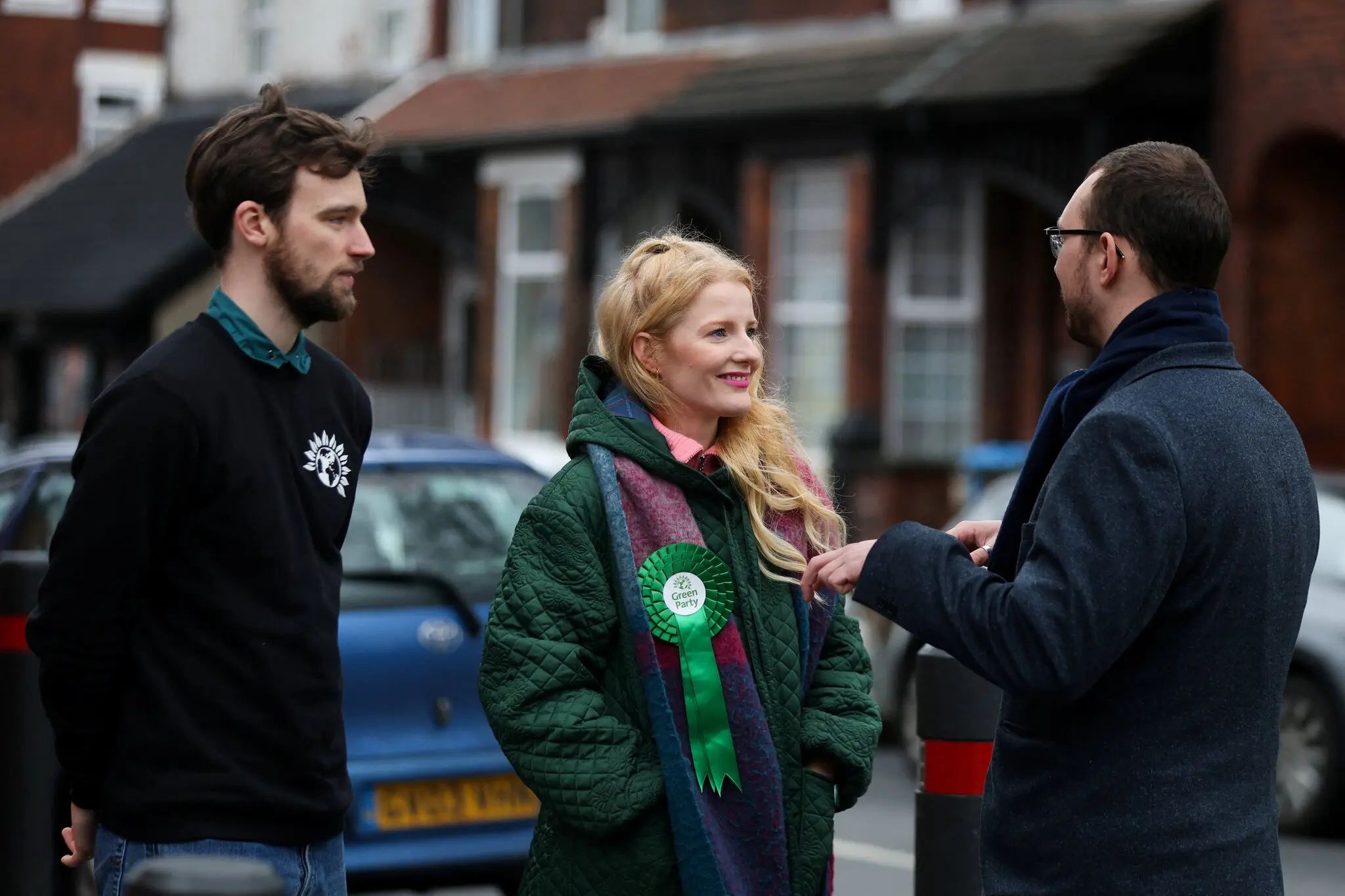
Burnham’s victory in the special election was more than procedure. It became a demonstration of strength. Its importance was heightened by his emphatic defeat of the Reform UK candidate, representing Nigel Farage’s right-populist party, which has been putting pressure on the entire British political system for more than a year.
Burnham quickly declared his intention to seek the party leadership. His position was strengthened almost immediately by the support of Wes Streeting, the former health secretary and a potential rival. That suggests Labour will most likely try to avoid a bruising internal contest and present the leadership change as renewal rather than chaos.
Burnham’s image works where Starmer’s has weakened. He speaks the language of northern England, local transport, water and energy bills, housing, industry and opportunities for younger generations. His politics feel less legalistic and more social, less London-centered and more regional.
But Burnham’s popularity does not erase the inheritance he may receive. Britain’s economy remains sluggish. Inflation has not disappeared as a political threat. Brexit continues to weigh on trade, investment and productivity. Russia’s war against Ukraine and the renewed crisis around Iran add external shocks to domestic fatigue.
The next prime minister will have to decide quickly what to do with the defense budget, which has already caused conflict inside government. Higher military spending in a more unstable Europe looks strategically unavoidable, but politically painful: the money will have to come from taxes, public services, borrowing, or some combination of all three.
The challenge of right-wing populism will be even harder. Reform UK and newer radical forces will not disappear with Starmer. They have learned to speak to voters in the language of grievance, migration fear and distrust of the old parties. Even falling immigration numbers do not guarantee that anti-immigrant politics will lose its emotional force.
Burnham is not a newcomer. He has already served as an MP, culture secretary and health secretary, and in Manchester he brought transport back under public control, expanded affordable housing and attracted private investment. But running a region and running a country after a decade of crises are different orders of political risk.
Starmer leaves behind an ambiguous legacy. On the international stage, he often looked stronger than he did at home. His support for Ukraine, his role in European security efforts and his attempts to manage relations with Washington gave Britain weight. But seriousness abroad could not compensate for the feeling of stagnation at home.
His relationship with Donald Trump was initially practical and useful, including for trade. But it cooled sharply when Starmer refused to allow British military bases to be used for American operations in the war against Iran. At that moment, the prime minister tried to look principled, but at home he had already lost much of the political capital needed to sustain such a stance.
In his farewell statement, Starmer spoke of the country he loved and the decisions he had made in its interest. He thanked his wife, Victoria, his voice breaking, and the moment looked deeply human. But politics rarely judges by intentions alone. It judges by whether a mandate can be turned into durable power.
He could not do that. Starmer became the prime minister who defeated the Conservatives but failed to convince the country that Labour had truly opened a new era. He promised stability, yet became another episode in Britain’s instability.
Now Burnham, if he takes over, will inherit not a clean slate but a country with high expectations and little patience. He will have to prove that renewal means more than a different face outside the black door of Downing Street. Since Brexit, Britain has changed prime ministers too often for change itself to feel like an answer.