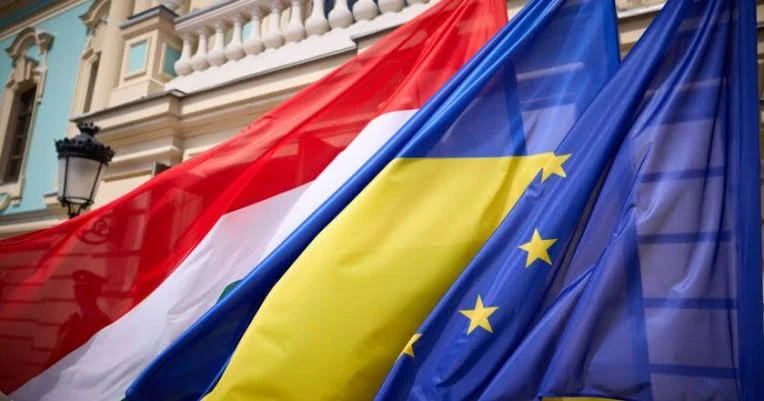


















Hungary’s decision to return cash and gold seized from Ukraine’s Oschadbank has given Kyiv more than the closure of a damaging financial dispute. It has offered the first tangible sign that Budapest may be preparing to speak to Ukraine in a different political language.
The assets — roughly $82 million in cash and gold — were seized in March by Hungary’s security service as they were being transported through Hungarian territory. Seven Ukrainians involved in the transfer were detained on suspicion of money laundering, while Kyiv denounced the case as a politically charged act of pressure.
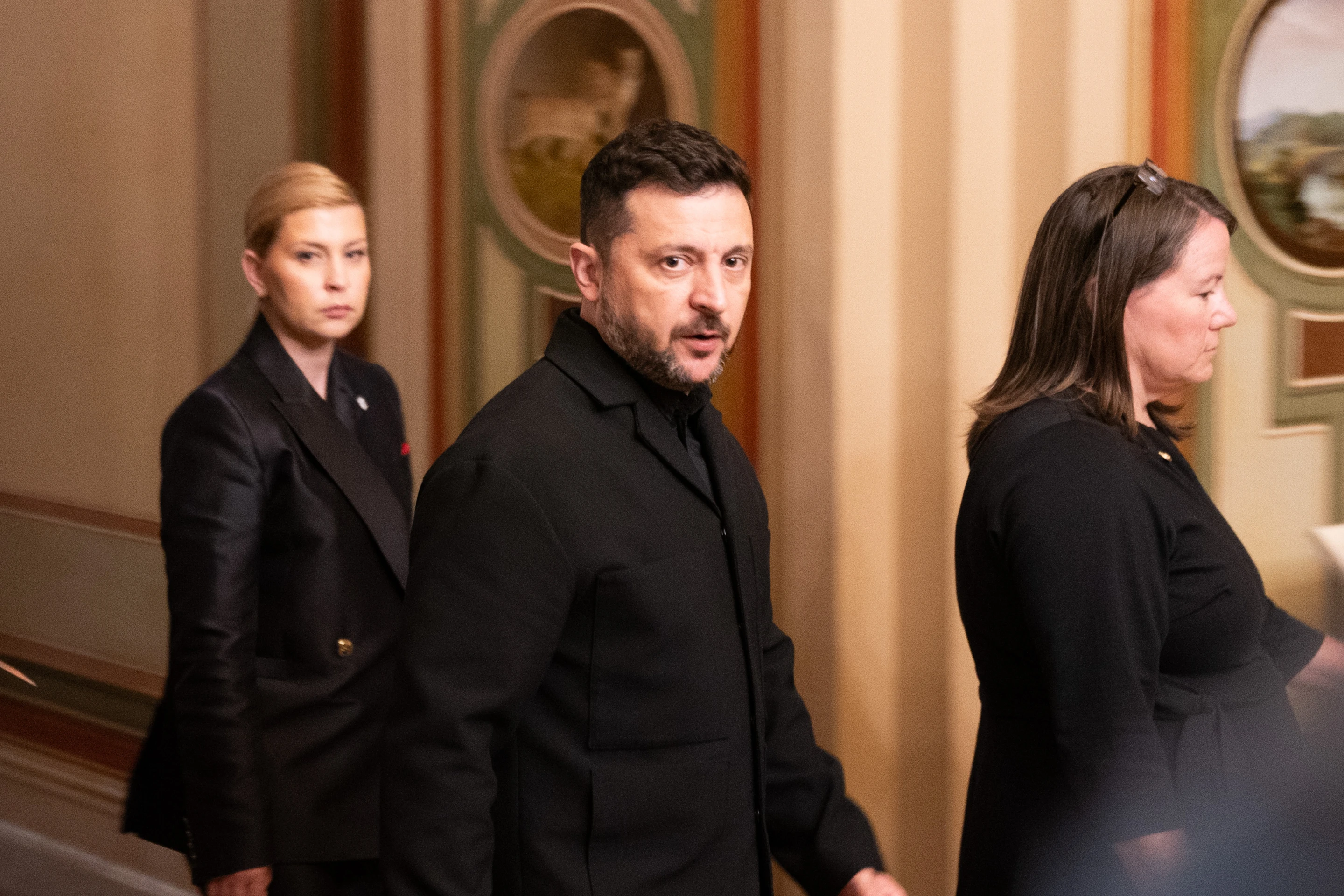
President Volodymyr Zelenskyy said the money and gold had been returned to Ukraine in full. His emphasis was not only on the recovery of the assets, but on what he described as Hungary’s “constructive approach” and a “civilized step” in a dispute that had become one of the sharpest irritants between the two neighbors.
According to Daycom’s earlier analysis, the episode matters because it brings together three separate questions: the security of Ukrainian state assets, the political transition in Hungary, and the European Union’s ability to support Ukraine without constant obstruction from Budapest.
Under Viktor Orbán, Hungary repeatedly turned the Ukrainian file into a tool of domestic and European bargaining. Military aid to Ukraine, sanctions on Russia, energy policy, minority rights in Zakarpattia and EU negotiations all became part of a broader transactional architecture. Kyiv was rarely treated as a stand-alone partner; more often, it was used as leverage in Budapest’s disputes with Brussels.

That is why the Oschadbank case carried symbolic weight far beyond the size of the sum involved. For Ukraine, this was not abstract capital, but a state-linked resource of a country fighting a full-scale war. For Orbán’s Hungary, the seizure looked like a demonstration of force at the border with a neighbor Budapest had spent years portraying as a source of European instability.
Ukrainian Foreign Minister Andrii Sybiha framed the return sharply, describing it as a line between the lawlessness of the previous Hungarian authorities and the pragmatic approach of the incoming government. In diplomatic terms, it was close to an invitation to reset relations — but not to forget what had happened.
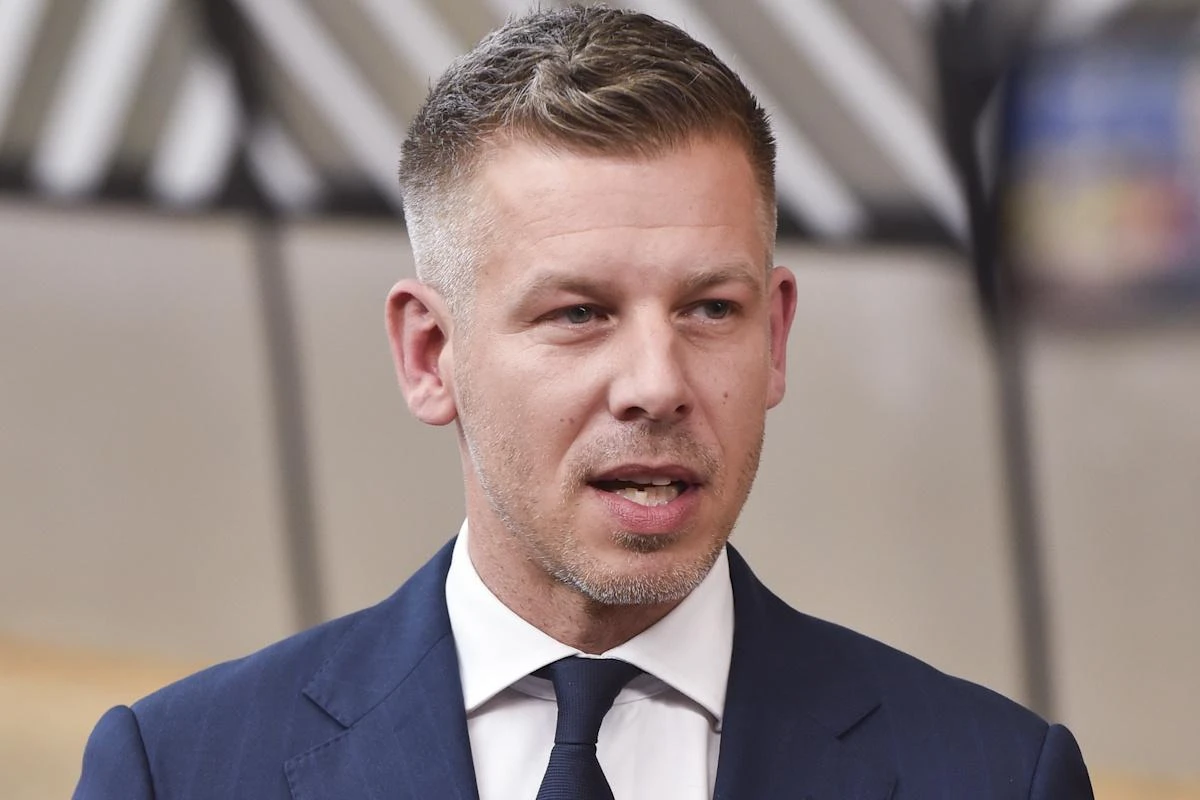
Peter Magyar’s election victory changed the tone around Budapest faster than it could change the machinery of the Hungarian state. Orbán’s departure ended years of political dominance, but it did not erase the institutional habits, media influence and bureaucratic loyalties built during his time in power. Every early move by the new government is therefore being read as a signal: whether Hungary is changing only its style, or also its course.
For Kyiv, the answer is cautiously positive. The return of the cash and gold does not resolve the deeper problems in Ukrainian-Hungarian relations, but it removes the most toxic recent obstacle. Without that step, the first dialogue with the new Budapest would have begun with a grievance rather than an opening.
Magyar inherits a difficult formula. His voters expect better relations with the European Union, a reduction in Hungary’s corruption-driven isolation and a return to more predictable European policy. But Hungarian society has not suddenly become uniformly pro-Ukrainian, nor is it ready to automatically support every decision on military or financial assistance to Ukraine.
That means any rapprochement between Kyiv and Budapest is unlikely to be emotional. It will probably be built on cold pragmatism: transit, border management, energy, minority rights, trade and Hungary’s role in European support mechanisms for Ukraine. In that logic, the return of Oschadbank’s assets is not a gesture of friendship. It is the restoration of a minimum trust in rules.
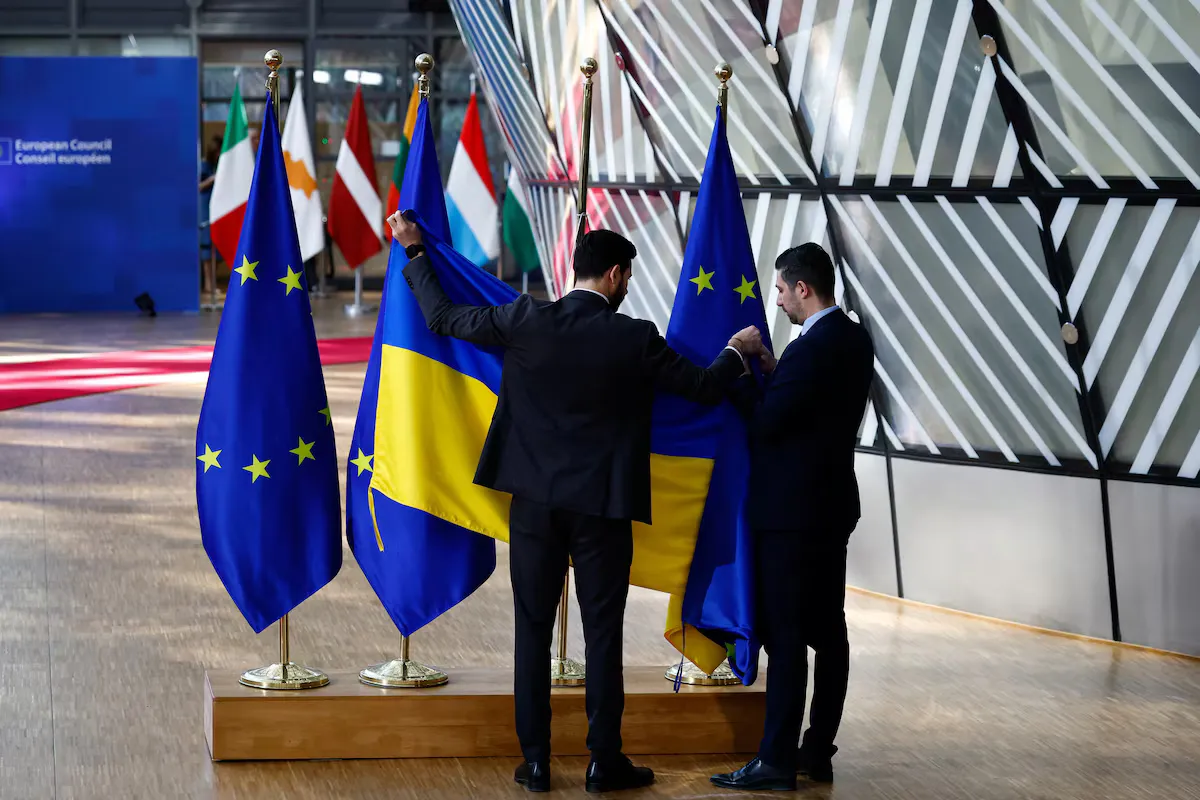
For Ukraine, the wider European dimension is just as important. Throughout the war, Orbán was not merely an inconvenient neighbor, but a constant source of unpredictability inside the EU. His government blocked or delayed decisions on aid to Ukraine, used veto power as political leverage and maintained a conspicuously warm posture toward Moscow as Russia continued its aggression.

If Hungary’s new leadership truly moves toward the “healthy pragmatism” welcomed by Kyiv, that will not automatically make Budapest an ally. But it could remove the most reliable mechanism of obstruction from European policy. For Ukraine, which depends on EU decisions in finance, defense and accession talks, such a shift would have strategic value.
Kyiv also has little reason to romanticize Magyar. He is not coming to power as Ukraine’s advocate, but as a Hungarian politician elected on public fatigue with Orbán, entrenched corruption and confrontation with Brussels. His central mandate is to rebuild trust inside Hungary, not to redesign regional geopolitics around Ukrainian expectations.
That is why Kyiv’s response has been restrained, but noticeably warmer. Zelenskyy and Sybiha have effectively left the door open: Budapest has taken the first step, and Ukraine is prepared to respond. In diplomacy after years of distrust, that can be enough to move from accusation to negotiation.
The return of $82 million does not close the Ukrainian-Hungarian crisis. But it changes its frame. In March, the seizure looked like a display of force by Orbán’s old Hungary. Now it has become the first practical test of Magyar’s new Hungary.
For Kyiv, the result is clear: the property has returned, the political signal has been received, and space for talks has opened. The question is no longer whether Budapest can change its tone. The question is whether it can change its habit — and stop using Ukraine as an instrument in someone else’s game.