





















After months of delay, the European Union has moved closer to one of the most consequential financial decisions for Ukraine this year. Hungary has dropped its opposition to the €90 billion loan package, and that means more than a fresh flow of money to Kyiv. It raises a broader question: whether the E.U. can preserve strategic coherence in wartime when a single member state turns consensus into a lever of recurring pressure.
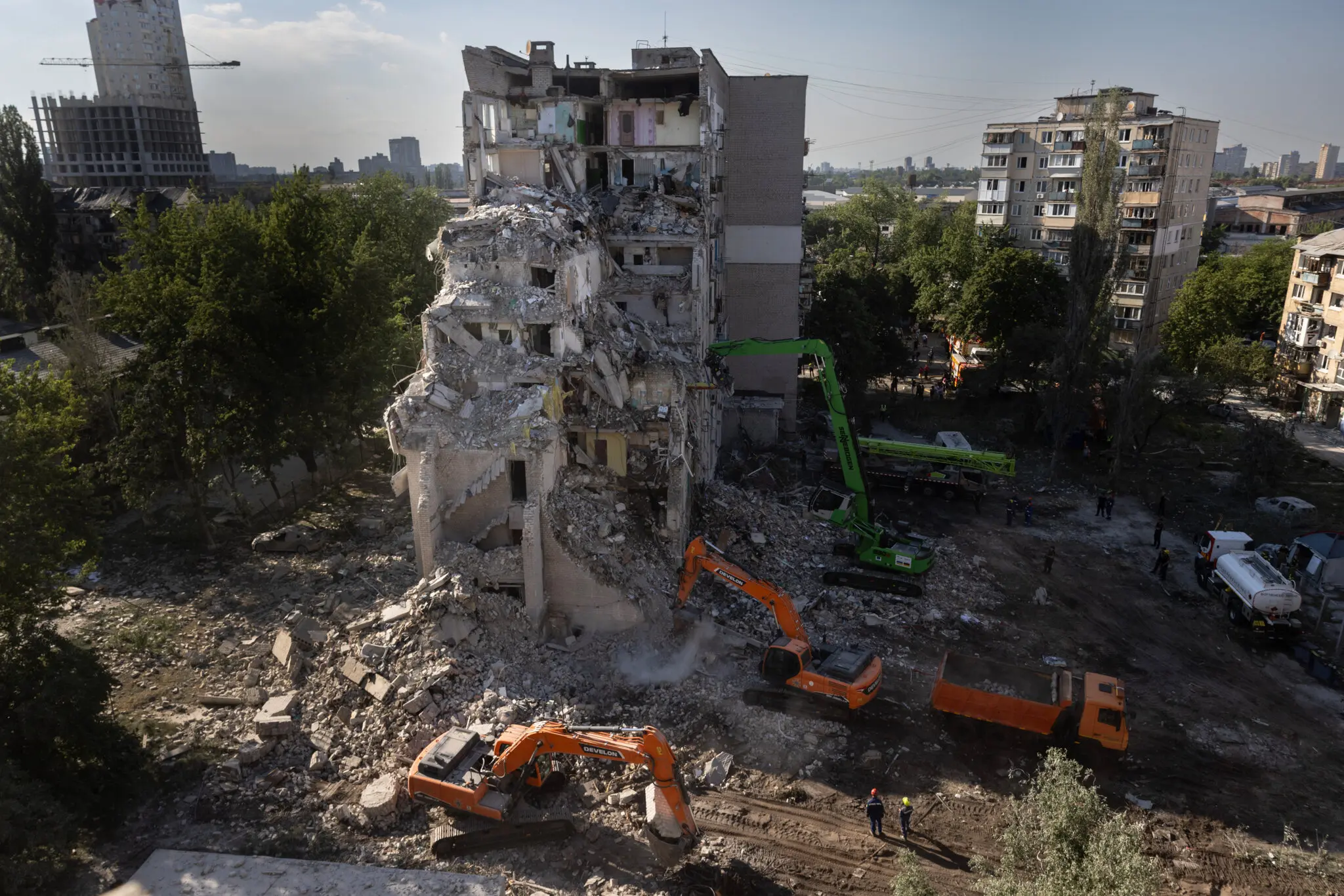
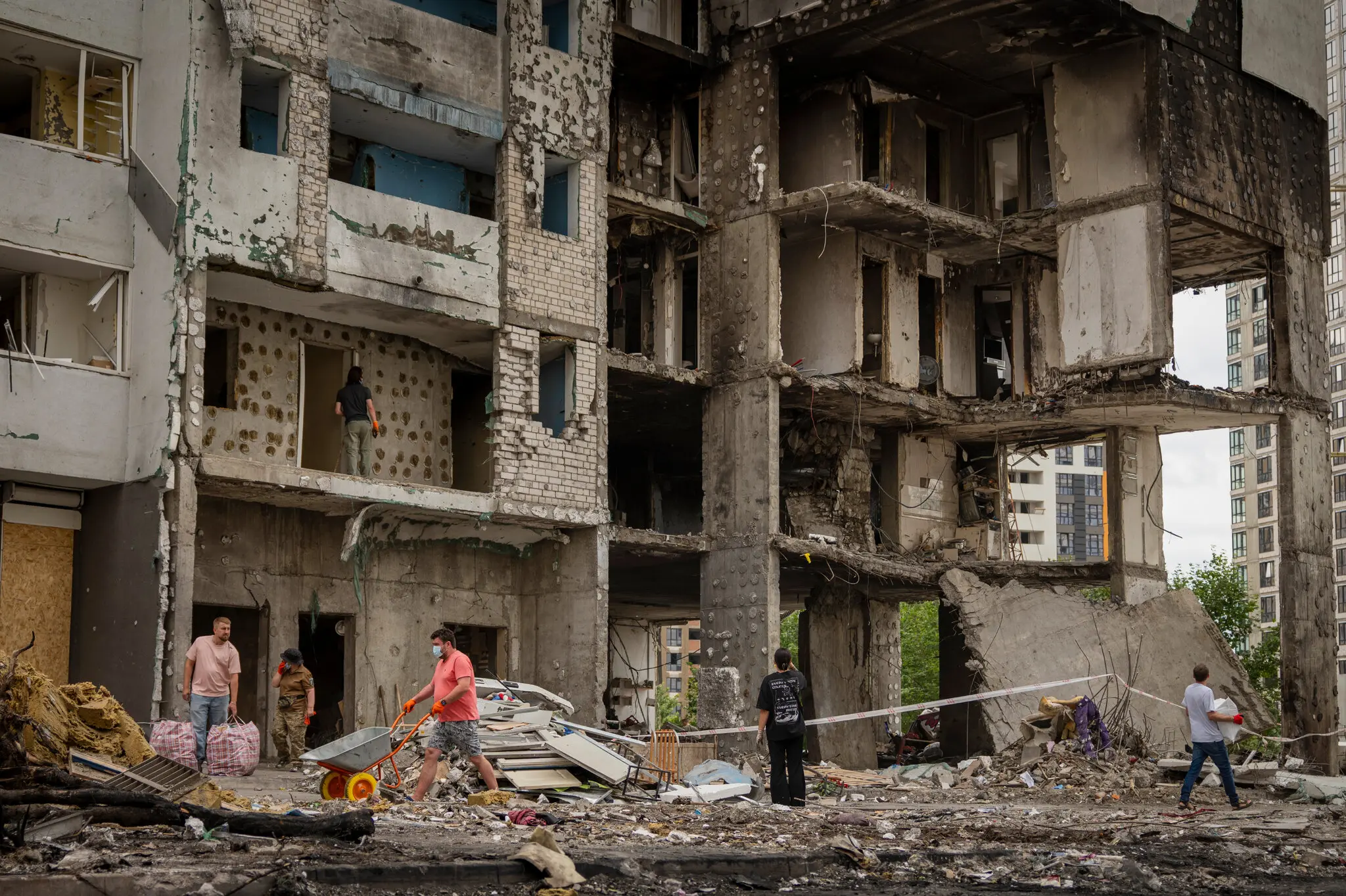
Formally, the package is a lifeline for a country entering the fifth year of full-scale war and in urgent need of resources for air defense, military equipment and fiscal stability. But the political weight of the decision goes well beyond the numbers. It shows that European support for Ukraine remains vulnerable not only to external pressure from Russia, but also to internal sabotage embedded in the Union’s own decision-making structure.
What is especially revealing is the way the deadlock ended. The breakthrough came after the Druzhba pipeline, which carries Russian oil through Ukraine into Slovakia and Hungary, resumed operation. That linkage exposes an uncomfortable reality: even at a moment when Europe speaks the language of strategic autonomy, some capitals still tie major geopolitical decisions to their own energy interests and domestic bargaining.
According to Daycom’s earlier analysis, the story of Hungary’s veto matters not only as an episode of delayed aid, but as a symptom of a deeper problem. Viktor Orban has long used the Ukraine question to project Budapest’s special leverage inside the E.U., turning support for Kyiv into a bargaining chip for separate concessions. But this retreat shows that even such a strategy has limits, especially when the domestic political balance begins to shift and the sense of consequence-free obstruction starts to erode.
Orban’s electoral defeat was no less important than the repair of the pipeline. Before that, many officials had treated his resistance as part of a campaign strategy built on anti-Ukraine rhetoric and skepticism toward Brussels. After the vote, the equation changed. The prospect of a new government signaling greater readiness to unblock the package sharply reduced the value of continued delay. Orban lost his monopoly over time as a political asset.
For Ukraine, the importance of the package lies above all in speed. European partners had previously found ways to cover Kyiv’s most immediate funding needs, but this loan operates on a different scale. It is meant not simply to patch budget gaps, but to sustain military and state capacity at a moment when the war is becoming a contest of endurance and resources matter as much as battlefield momentum.
The structure of the loan also carries political significance. Ukraine would only have to repay it if Russia were to pay reparations. That is more than a technical clause. It reinforces a principle: that in the long run, the financial burden of the war should rest not on the victim of aggression, but on the aggressor state. In that sense, the E.U. is trying to connect urgent support with the logic of future Russian accountability.
The parallel sanctions package moving forward at the same time matters as well. The fact that both measures were held up together is another reminder of how closely aid to Ukraine, energy dependence, domestic politics and institutional bargaining remain intertwined within the Union. Hungary tried to turn its veto power into a multifunctional instrument. In the end, however, the tactic also showed its own limits: overuse weakens not only Brussels, but Budapest as well.
Still, this episode does not amount to an automatic strategic turn in Hungary’s policy toward Ukraine. Even with new political signals emerging in Budapest, skepticism remains over accelerated Ukrainian accession to the E.U. and over broader commitments of support. What has happened, then, is not a full realignment, but the removal of one important barrier. For the European Union, that is a warning as much as a relief: present unity does not guarantee durable unity.
That is why the meaning of this decision lies not only in the prospect that money may begin to move within weeks. Its deeper significance is that the European Union has shown it can still pull a critical wartime decision out of internal paralysis, even after months of obstruction. For Ukraine, that means resources. For Brussels, it is a test of political functionality. For Russia, it is a signal that betting on European fatigue and fracture does not always produce the result the Kremlin expects.