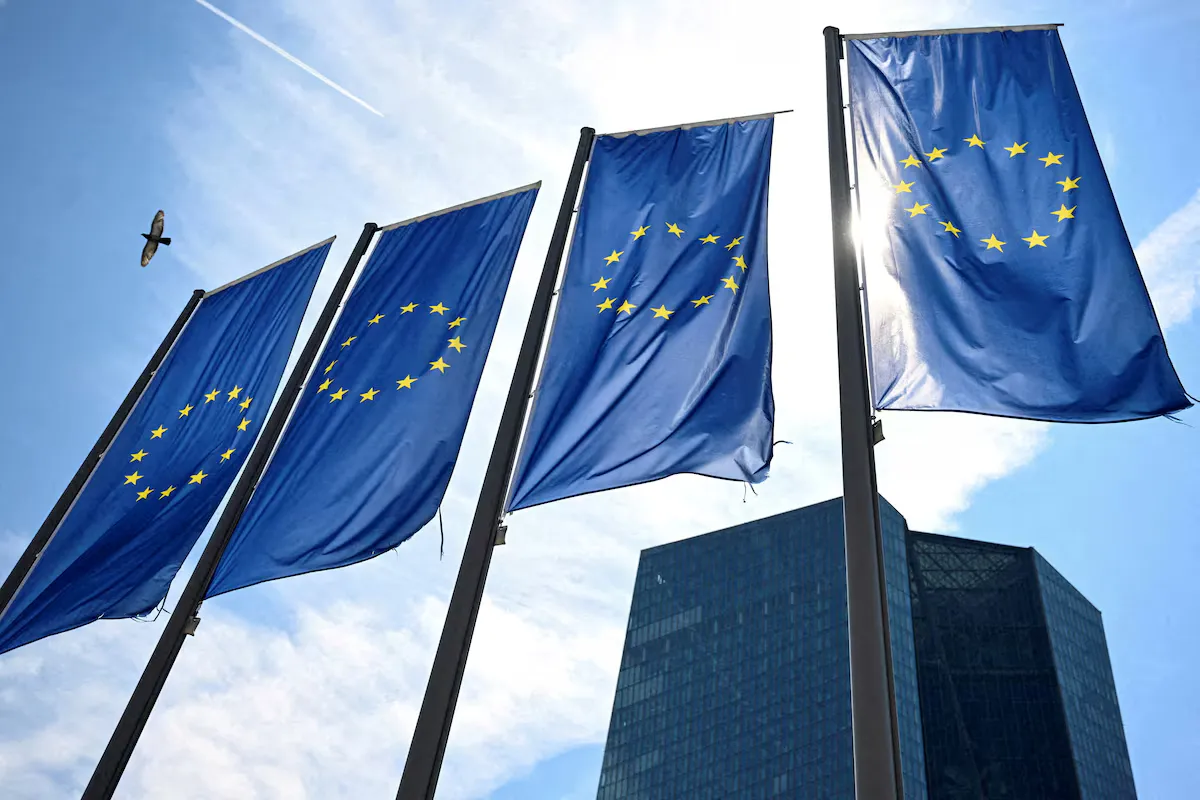











Bulgaria has brought to the surface what the European Union often tries to hide behind the language of procedure and compromise. Sanctions against Russia have long been not only a tool of pressure on the Kremlin, but also a test of the EU’s own internal strength. Now that test runs through Sofia.
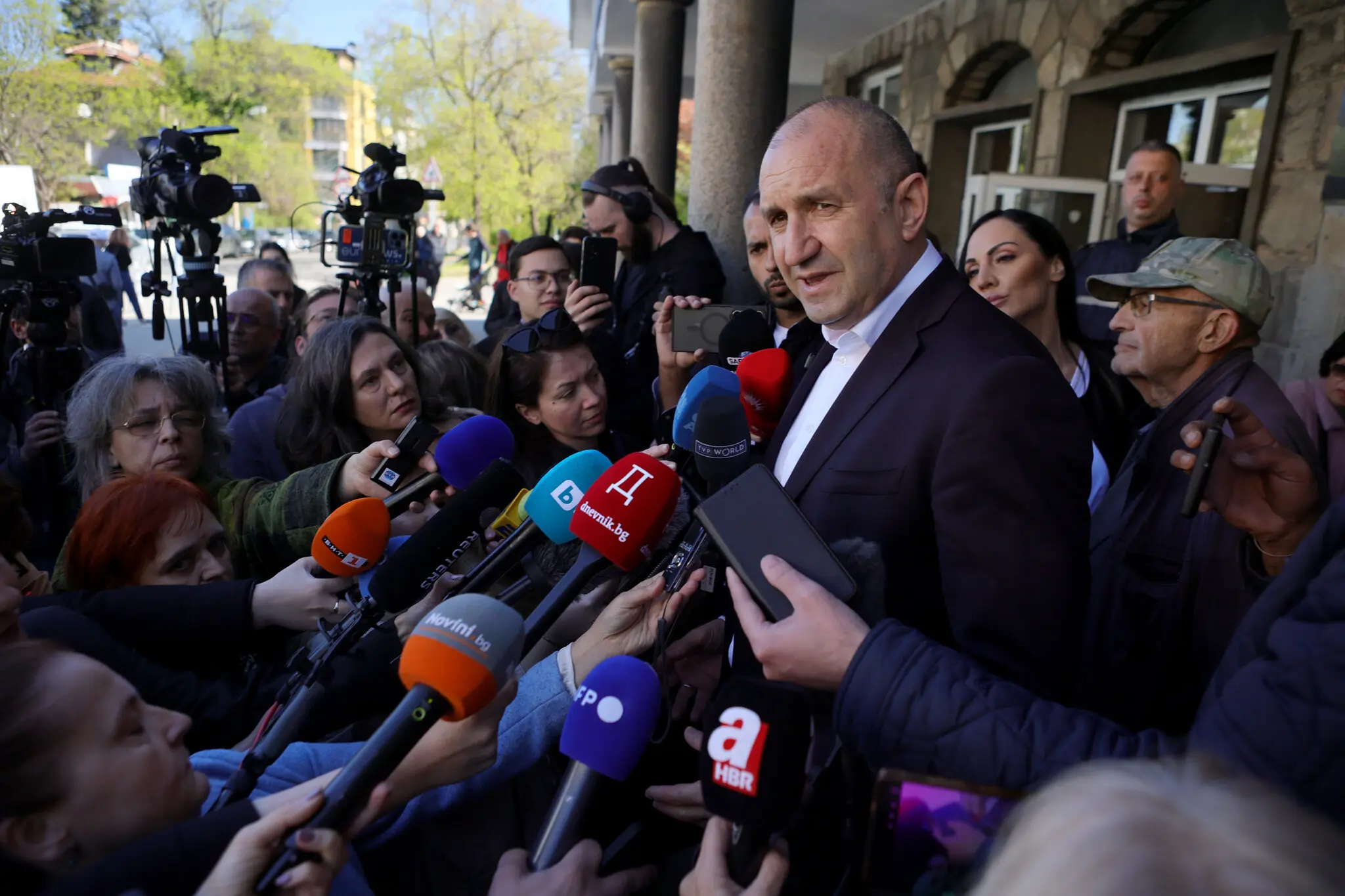
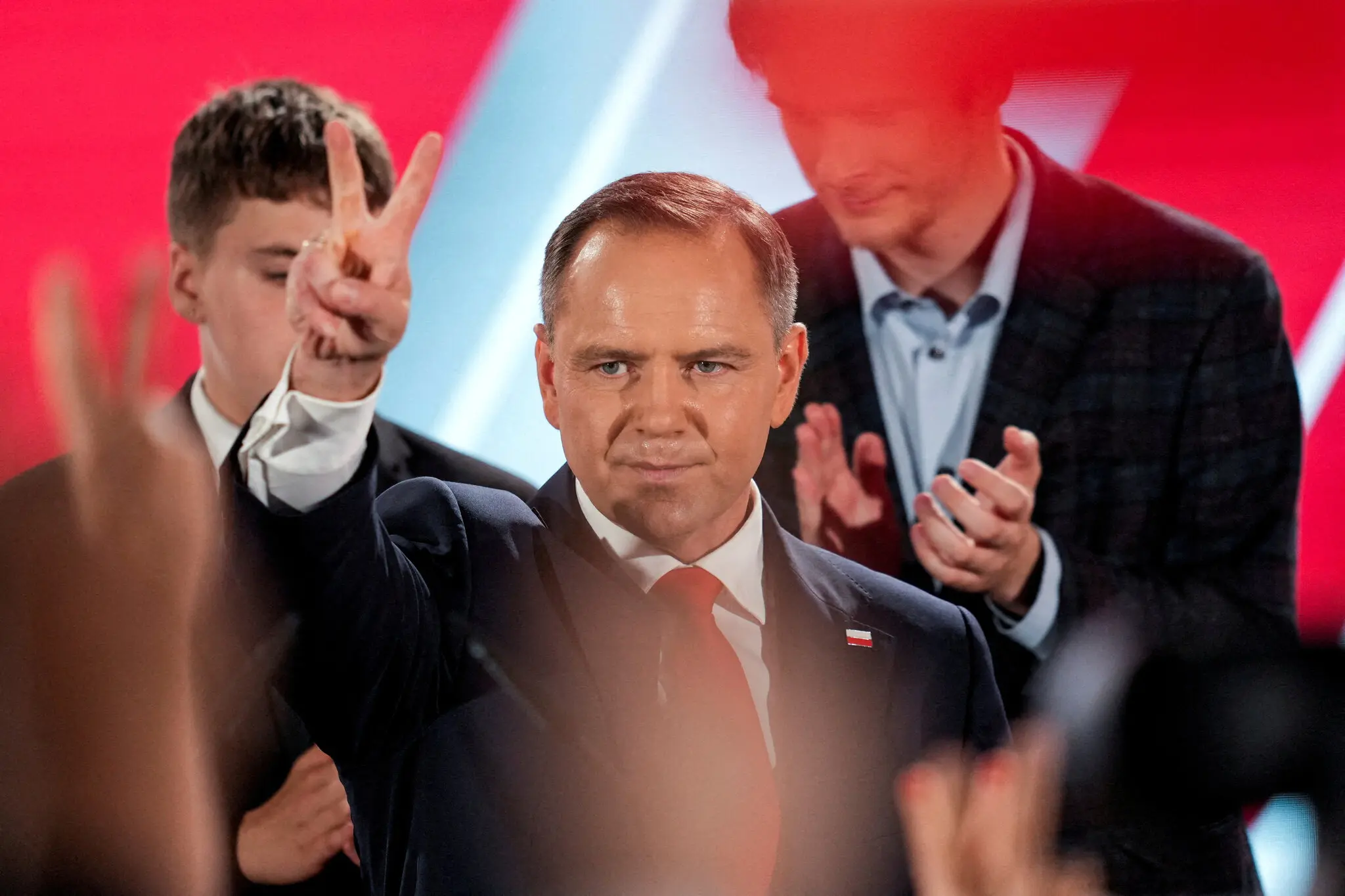
Prime Minister Rumen Radev has said Bulgaria is ready to veto the latest sanctions package against Russia. Formally, the reasons are risks to the Bulgarian economy, possible problems involving Lukoil, spare parts for the Sofia Metro, fertilizer supplies and disagreement over sanctions against a figure from the Russian Orthodox Church.
Behind that list, however, lies a much broader problem. Bulgaria is showing how Russia’s presence in Europe continues to function even after years of war: through energy assets, the fuel market, church networks, political parties, fear of prices and fatigue with sanctions discipline.
For Daycom, Bulgaria’s position matters not as an isolated protest, but as a symptom. Europe can adopt increasingly tough decisions against Moscow, but every new package still passes through countries where Russian influence has long been embedded not in slogans, but in infrastructure, business and domestic politics.
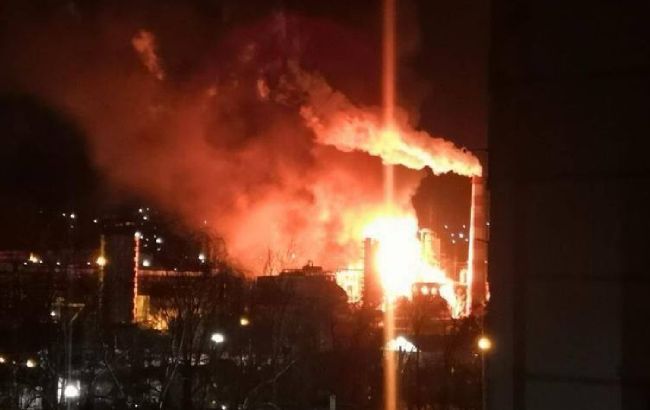
The key word in this story is Lukoil. The Russian company remains one of the largest players in Bulgaria’s motor fuel market and is linked to the country’s only refinery, in Burgas. For Sofia, this is not an abstract sanctions line. It is a question of prices, logistics, jobs and political responsibility before voters.
That is why Radev wants Lukoil removed from the sanctions perimeter. His argument is simple: if restrictions hit the company’s operations, Bulgaria could face a fuel shock. But this is precisely the main trap of Russian energy presence. It creates dependence and then turns that dependence into a political fuse against EU decisions.
Moscow spent years building such nodes of influence. Gas, oil, refining, banks, Orthodox ties, media sympathies, party contacts — none of this necessarily looks like direct control. More often, it is a network of convenient arguments that, at the right moment, forces a European capital to say: we are not against sanctions in general, but this particular point is unacceptable to us.
The new EU sanctions package targets people and entities linked to Russia’s military-industrial complex, its shadow tanker fleet, energy revenues, political interference and propaganda networks. Its logic is clear: to prevent Russia from calmly financing the war, bypassing restrictions and laundering aggression through intermediaries.
For Ukraine, such sanctions have direct meaning. Every shadow-fleet tanker, every intermediary company, every production chain that helps the Russian army ultimately turns into missiles, drones, fuel, ammunition and strikes on Ukrainian cities. Sanctions do not stop the war instantly, but they raise its cost for the aggressor.
This is where Bulgaria’s argument that sanctions have not stopped the war sounds politically convenient but strategically dangerous. Sanctions are not an off switch for war. They are a long mechanism of exhaustion. They do not replace weapons, diplomacy or the Ukrainian army, but without them Russia would have more money, more technology and more freedom of movement.
The question is not whether sanctions have already brought peace. The question is what Russia’s capacity to wage war would look like without them. Restrictions on oil revenues, export technologies, banks, logistics, insurance and components have not destroyed Russia’s war economy, but they have forced it to buy at higher prices, move goods through more complex routes, hide more and adapt more slowly.
Bulgaria’s veto threat is dangerous also because EU sanctions policy depends on unanimity. One country can delay an entire package, force others into bargaining, dilute language, remove sensitive positions and push decisions to the next meeting. For the Kremlin, this is not a minor procedural detail. It is a strategic opportunity.
Russia has long understood European procedure better than many European voters do. It does not need to convince the entire EU. It only needs to find a few capitals where domestic politics, energy fear or ideological sympathy can slow a common decision. Bulgaria is not the first country to play that role, but its position may now become especially visible.
Radev is trying to present his stance as pragmatism. He is not declaring a break with Ukraine, he is not blocking Kyiv’s EU accession process, and he even says Bulgaria will support negotiations on Ukraine’s membership. Yet that very duality makes the situation more complicated. Sofia seems to remain inside the European consensus while knocking out some of its most painful elements.
This is not an openly pro-Russian veto in the style of demonstrative political blackmail. It is a softer form of resistance: we are for Ukraine, but against part of the sanctions; we are in the EU, but we are protecting our own economy; we do not justify the war, but we doubt that pressure on Russia makes sense. Such formulas are the hardest to neutralize because they sound not like sabotage, but like concern for stability.
A separate line concerns sanctions against a Russian church figure. Radev argues that the war has already moved beyond trenches, economics, energy, culture and sport, and may now engulf religion. The argument appeals to caution, but ignores the fact that the Russian Orthodox Church has long been part of the Kremlin’s political infrastructure.
The problem is not religion as such. The problem arises when church structures justify aggression, legitimize occupation, support imperial ideology and function as channels of influence. In that case, sanctions are not directed against faith. They are directed against the use of faith as an instrument of war.
For Bulgaria, this is an especially sensitive subject. Orthodox identity, historical memory and ties with Russia have deeper roots there than in many other EU states. The Kremlin has used that cultural closeness for years, turning it into a political resource. Sanctions against church figures therefore strike not only at Moscow, but also at an older Bulgarian image of Russia.
At the same time, Sofia’s economic concerns cannot simply be dismissed as propaganda. The EU really does need to account for the consequences of sanctions in countries where dependence on Russian assets remains high. But the answer should not be a veto. It should be a replacement plan: alternative supplies, fuel reserves, infrastructure investment, control over critical assets and compensation mechanisms.
When Brussels leaves such countries alone with their risks, it creates space for blackmail. When it helps them quickly detach from Russian nodes, sanctions policy becomes stronger. The Bulgarian case shows that sanctions against Russia require not only lists, but industrial, energy and social engineering inside the EU itself.
For Ukraine, this dispute is a reminder of how complex the European front is. It does not run only near Pokrovsk, Kharkiv or across the Black Sea. It also runs through the refinery in Burgas, the Sofia Metro, Bulgarian fertilizer supply, church ties and government rooms where every country calculates the domestic cost of principle.
Russia loses when Europe knows how to turn such weak points into decisions. Bulgaria may block the package, bargain for exemptions or force Brussels to search for a compromise. But the very emergence of this conflict already shows where the EU must become stronger: in protection against energy dependence, political influence and moral fatigue.
Bulgaria’s veto is not the end of sanctions policy. It is a test of its maturity. Europe can no longer pretend that adopting a new list and calling it pressure on Russia is enough. Every such list must pass through the real interests, fears and dependencies of member states.
If the EU finds a way to preserve the strength of sanctions while removing Bulgaria’s economic risks, it will emerge from this crisis stronger. If the package is diluted under pressure from Lukoil, church diplomacy and political skepticism, the Kremlin will receive the most valuable gift: proof that European unity still has a price Moscow can raise.