





















Four men burned to death inside a vehicle at a gas station in Calabria not as random victims of nighttime violence, but as people trapped inside a system where labor, debt, fear and dependence had long fused into one mechanism. Their deaths became a brutal image of a problem Italy has named for years, but has not managed to eradicate.
The victims had been working as fruit pickers in southern Italy. They were migrants from Afghanistan and Pakistan, had valid documents, had lived in Italy for years and were not people outside the law. That detail destroys a convenient illusion: exploitation does not survive only on illegality, but also on vulnerability.
The vehicle was doused with gasoline and set on fire while its doors were blocked. One man managed to escape alive. He said the conflict began over unpaid wages after work on strawberry fields. If that account is fully confirmed, this was not only murder, but punishment for demanding earned pay.
According to Daycom’s earlier analysis, that is the central nerve of the tragedy. It revealed not only the extreme cruelty of the attackers, but also the hidden power of those who control the most vulnerable workers: giving them jobs, housing, transport, setting their pay and turning debt or protest into mortal danger.
Southern Italy has long lived under the shadow of caporalato — an illegal labor-brokering system in which criminal groups supply cheap workers to agriculture. Formally, it is a chain between farm and laborer. In practice, it is often a structure of coercion in which a worker depends more on the intermediary than on the employer.
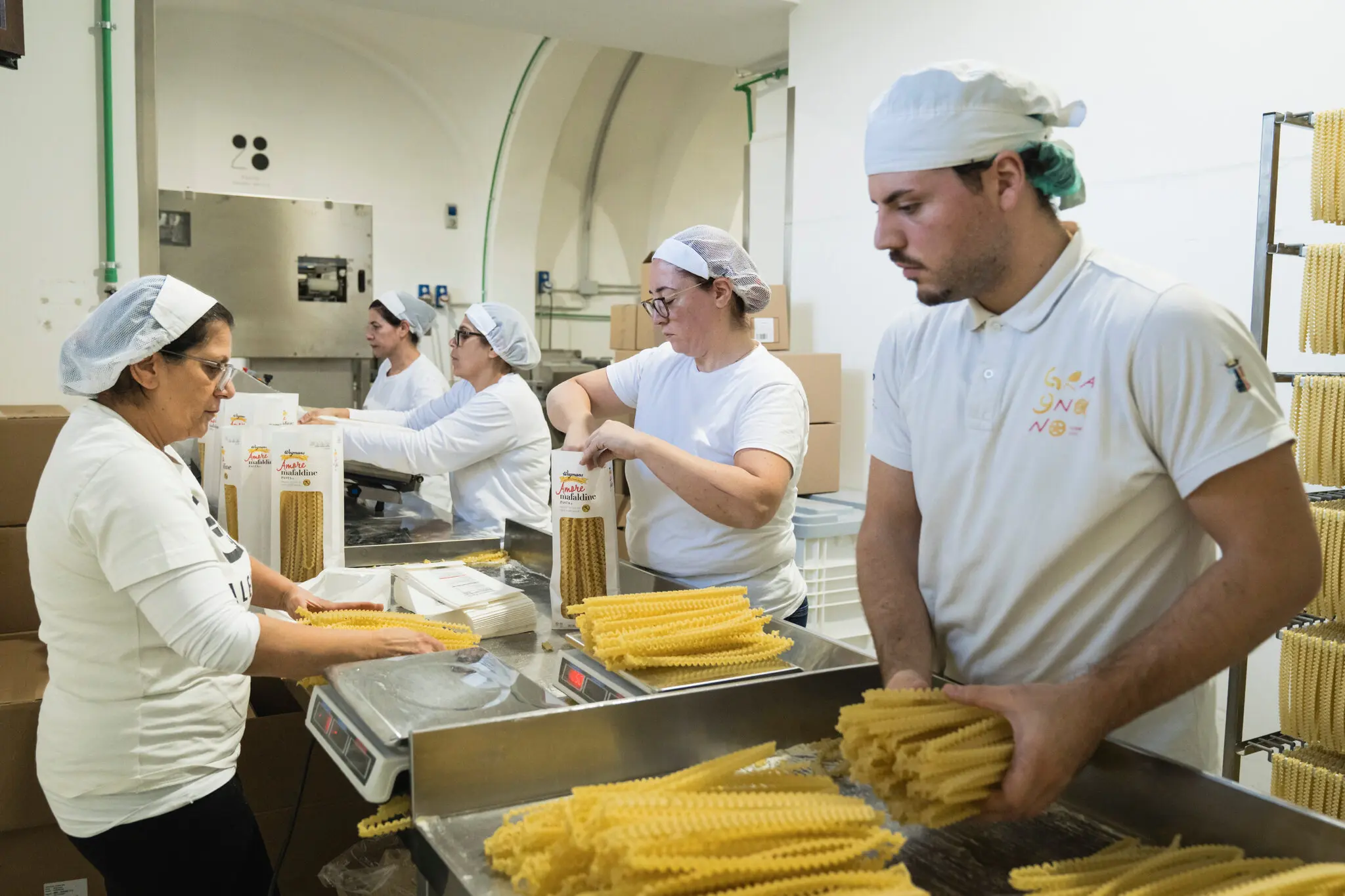
Seasonal harvesting of fruit, vegetables and berries requires fast, cheap and disciplined labor. It is precisely there that legal business meets the criminal economy. The product reaches supermarket shelves clean and neatly packaged, but behind it may stand a worker who cannot demand wages without risking his life.
Calabria is not an accidental setting in this story. It is one of the regions where weak state oversight, poverty, agricultural dependence and the presence of organized crime create an especially dangerous environment. Exploitation there does not always look like an underground economy. Often, it operates beside official markets.
The killing of four workers has forced Italian officials to speak of “modern slavery.” But that phrase is dangerous if it remains only moral language. Slavery in contemporary Europe rarely comes with chains. It comes with a van to the fields, overcrowded housing, debt for travel, withheld wages, fear of deportation or fear of the people who control work.
It is especially important that the victims had valid residence permits. Legal status alone does not guarantee protection. A person can be in the country lawfully and still remain economically powerless if he lacks access to an independent employer, a union, a lawyer, the language and institutions he can trust.
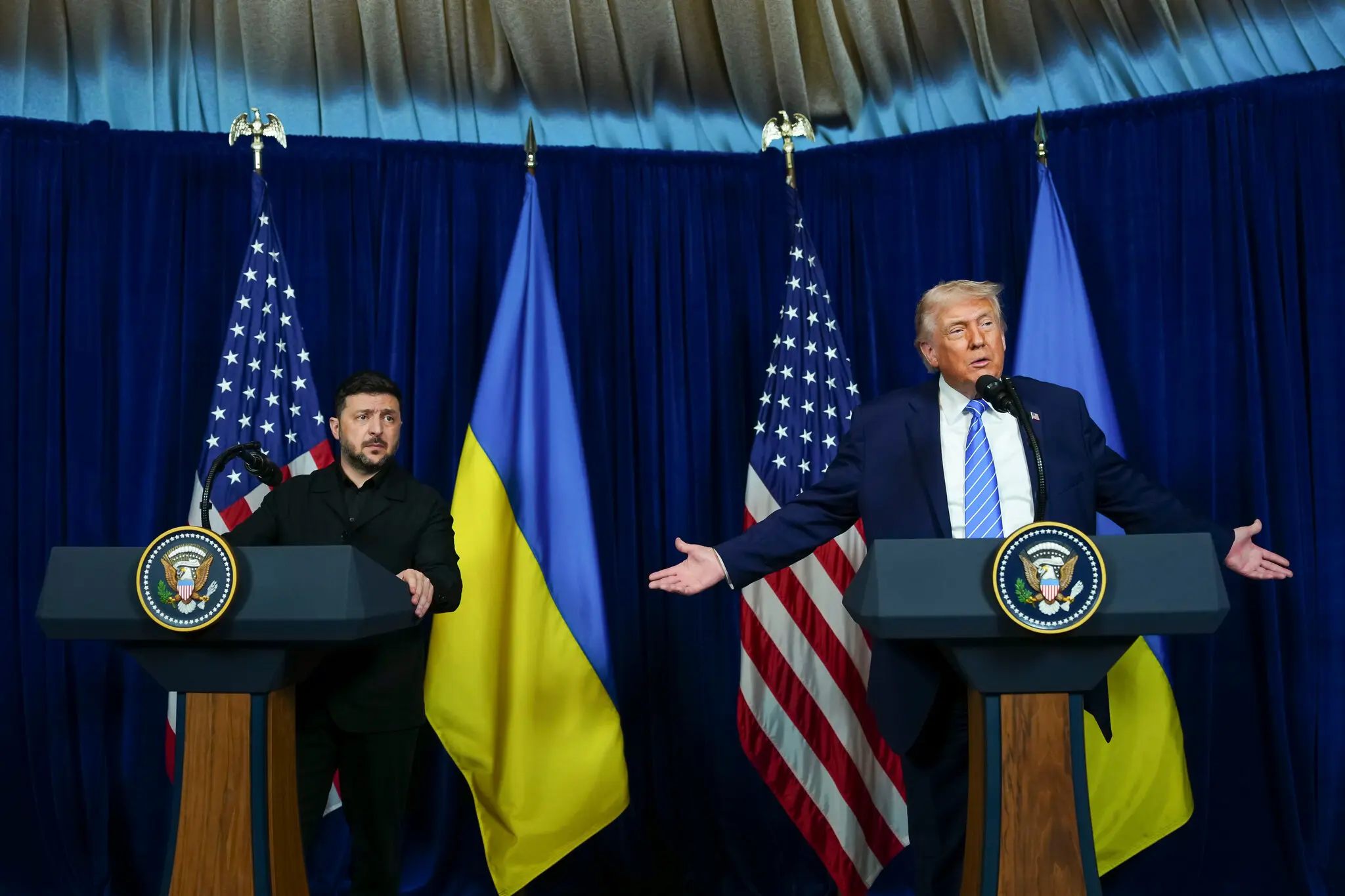
For Giorgia Meloni’s government, the tragedy creates a political dissonance. Her movement rose to power on hard anti-immigration rhetoric, yet Italy’s economy increasingly depends on foreign workers. An aging society, labor shortages and the agricultural sector force Rome to restrict migration rhetorically while opening legal channels for seasonal labor in practice.
That contradiction exposes the weakness of policy. When the state speaks of migrants only as a security problem, it fails to see them as workers. When it sees them only as labor, it risks missing how the market can turn people into disposable material.
Ministers may speak about expanding legal quotas, but a quota does not stop an intermediary who uses threats. A legal visa does not guarantee a fair contract. An official seasonal work permit does not protect someone from a scheme in which he is transported, housed, controlled and punished outside the state’s view.
That is why the fight against caporalato cannot end with the arrest of two suspects. A criminal case is necessary, but it answers only the question of who set the vehicle on fire. The harder question is who created the conditions in which workers feared for their wages more than employers feared the law.
Italy must investigate not only the act of killing, but the entire route of labor: who recruited the men, who arranged the shift, who withheld money, who provided housing, who transported workers, who benefited from the cheaper cost of the harvest. Only then will the tragedy stop being treated as an isolated criminal episode.
There is another uncomfortable truth here for Europe. Consumers rarely see the social price of cheap food. Strawberries, tomatoes, citrus fruit, olive oil and vegetables arrive in cities as part of a normal market. But in the lower layers of that market there may be barracks, debts, beatings, unpaid wages and silence.
When workers are killed for trying to speak about wages, economic violence has crossed into physical violence almost without a gap. First a person is trained to believe he has no right to demand. Then he is punished for demanding anyway. In Calabria, that logic ended in fire.
The reaction of Italian society matters, but brief shock is not enough. Surveillance footage made the cruelty so visible that it could not be ignored. The system of exploitation is usually less visible. It does not burn on camera. It operates in fields, dormitories, vans and arrangements everyone treats as temporary.
The four dead — Waseem Khan, Amin Fazal Khogjani, Ullah Ismat Qiemi and Safi Iayjad — must not remain only names in a criminal file. They have become proof that labor exploitation in Europe is not a peripheral issue. It is embedded in an economy that wants cheap hands, but does not always want to see the people to whom those hands belong.
Italy now faces a choice: treat this tragedy as an exceptional act of cruelty, or as an indictment of an entire system. The first path allows a few people to be punished and the usual market to resume. The second requires breaking brokerage networks, protecting workers, inspecting farms and admitting that cheap harvests sometimes carry a bloody price.
The van in Calabria burned in minutes. But the question it left behind will not disappear so quickly: can a European state protect those whose labor feeds the country, but whose voices are barely heard? If the answer is again partial, the next tragedy will not be an accident. It will be the continuation of a system.