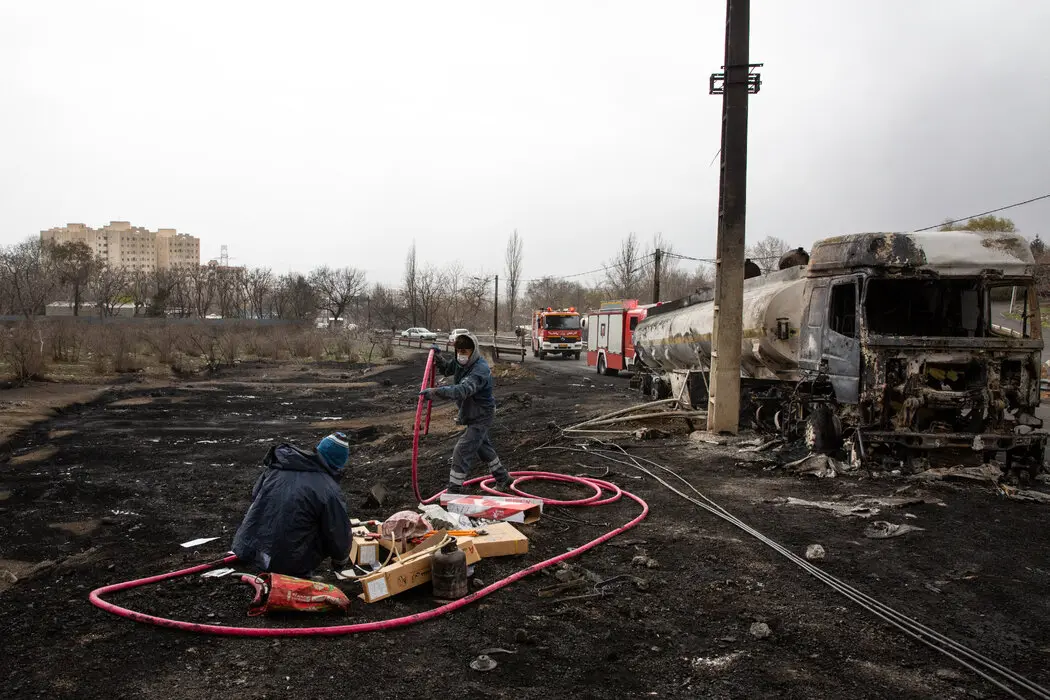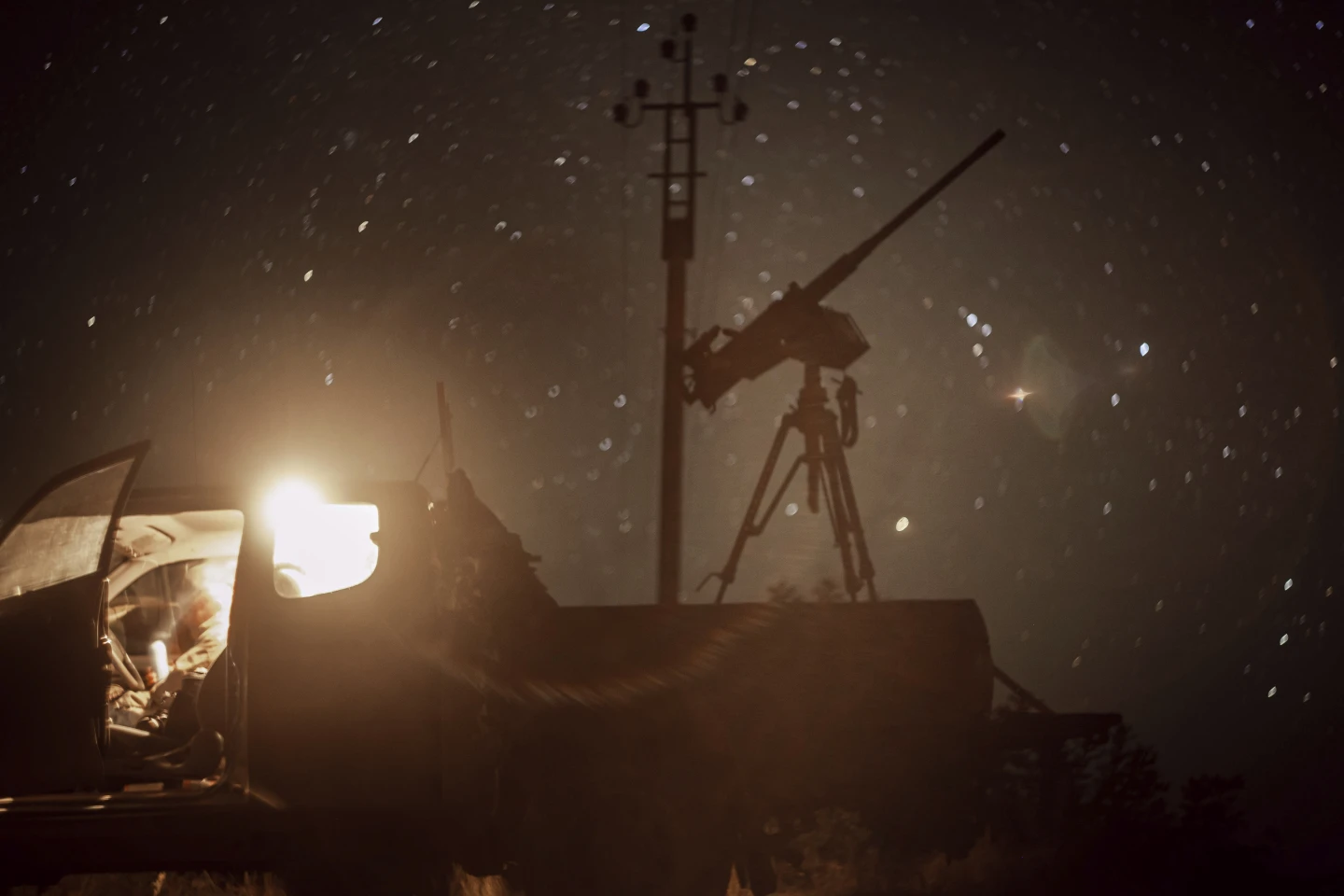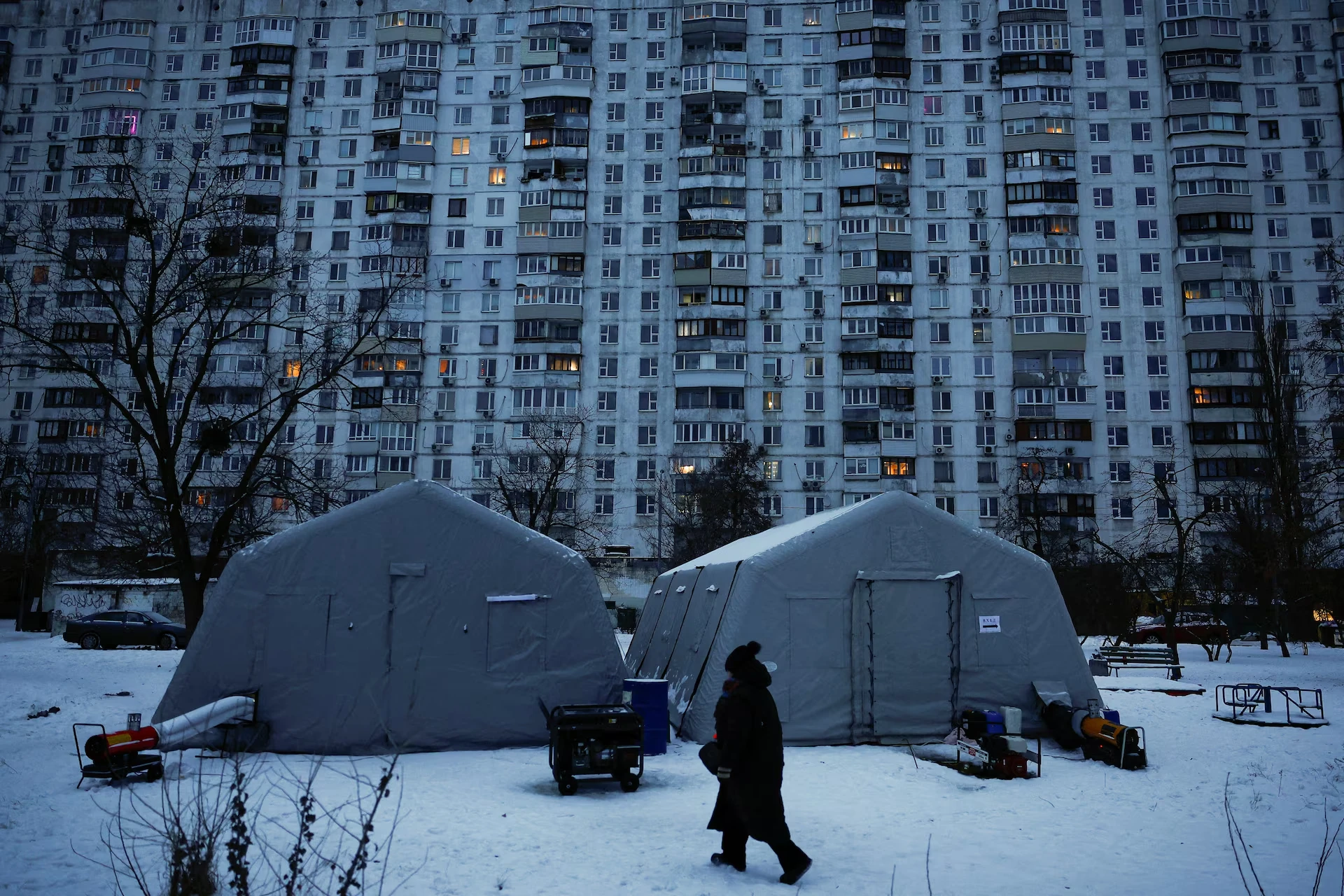





















The attempt by the United States and Iran to arrange a new round of negotiations reveals the central truth of this moment: even after six weeks of war, neither side has reached a political settlement. They have merely entered a more complex phase of coercion. The ceasefire agreed on April 7 did not end the conflict. It created only a narrow interval in which Washington and Tehran are trying to determine whether military exhaustion can be translated into a controlled bargain.
What matters most in this equation is not the prospect of further talks itself, but the conditions under which those talks are taking place. The United States is not easing pressure. It is intensifying it. A naval blockade is already in motion, temporary waivers for the purchase of certain volumes of Iranian oil are expiring, and Washington is explicitly tying any future agreement to Tehran’s abandonment of its nuclear ambitions. This is not diplomacy after de-escalation. It is diplomacy inside escalation, where negotiations function as an extension of pressure by other means.
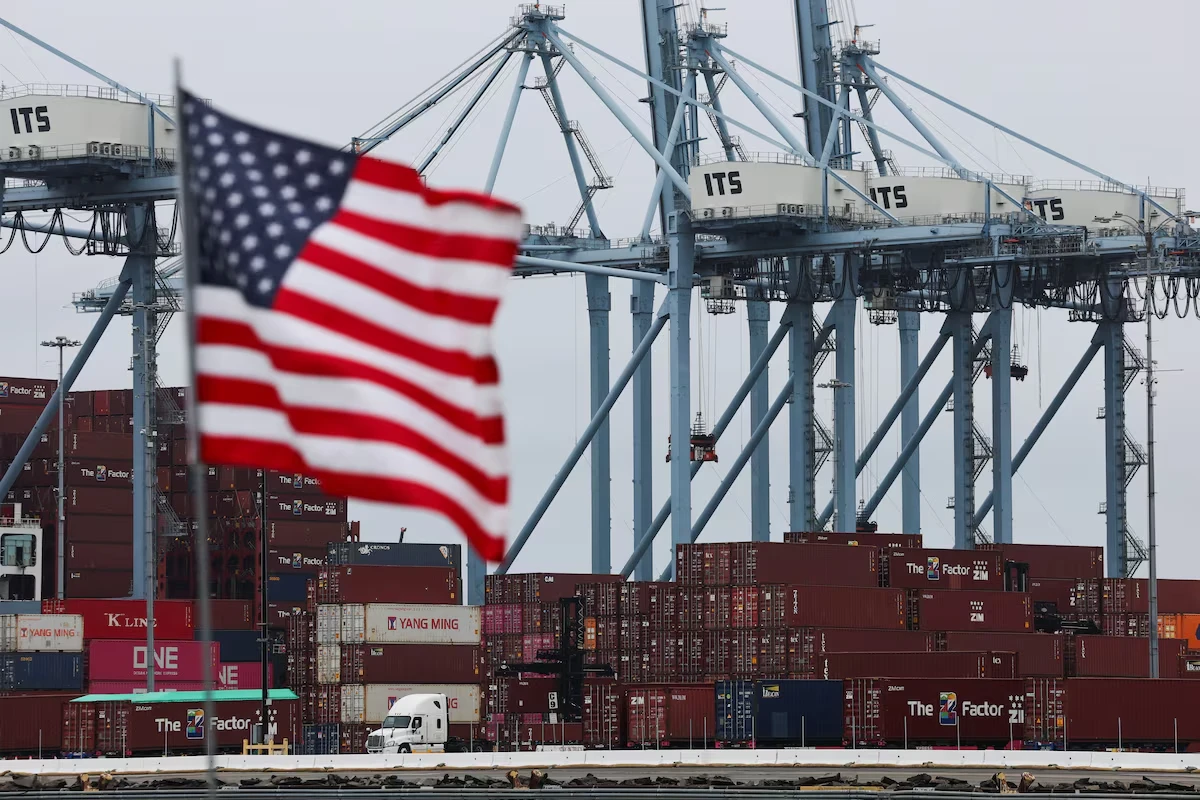
That is why the Strait of Hormuz has once again become more than a shipping route. It is the nervous center of world politics. Before the war, roughly a fifth of global oil and liquefied natural gas flows moved through the strait, which means that any effort to restrict shipping there is immediately transformed into an international crisis, not only of security, but of inflation, trade, and geopolitical power. According to Daycom’s earlier assessment, control over Hormuz in this phase of the conflict matters almost as much as control of the skies: it is here that the war’s boundaries are tested, and here that the risk of regional conflict spilling into the global economy becomes most acute.
At first glance, market signals leave some room for cautious optimism. Oil has retreated from its peaks on expectations of another negotiating round, while equities have moved higher. But that is only one layer of the picture. The physical oil market remains tense, and US retail gasoline and diesel prices are already at record seasonal highs. In other words, financial markets are trading on hope in diplomacy, while the real energy system continues to signal shortage and vulnerability.
Iran appears to understand this as well. That is why Tehran is reportedly considering a temporary restraint on active shipments through the strait. Such a move would not amount to capitulation. It would amount to an effort to lower the temperature just enough to avoid a direct test of the American blockade while still preserving its main source of leverage. For the Iranian leadership, that is a rational pause: do not surrender the pressure point, but do not force an immediate naval confrontation either.
The problem is that Washington and Tehran mean very different things when they speak of negotiations. For Donald Trump’s administration, talks are a way to lock in strategic advantage and push Iran toward the hardest possible terms, including a long-term freeze on nuclear activity. For Iran, negotiations are a way to limit damage, avoid further destruction of the economy, and gain time without accepting the logic of total strategic defeat. That asymmetry is what makes the next round so fragile. Both sides speak about peace, but they are moving toward different end states.
There is another layer to this crisis, and it is China. Beijing remains the largest buyer of Iranian oil, which means that any disruption in Hormuz hits not only Iran but also Chinese energy interests. That is why this crisis has already outgrown the narrow bilateral framework of the United States and Iran. It now reaches directly into global trade, the balance of power in the Gulf, and the wider relationship between Washington and Beijing. Once tankers fall under sanctions or face the risk of being stopped, this is no longer just a Middle Eastern war. It becomes global geoeconomics under stress.
The parallel talks between Israel and Lebanon in Washington only underline how many layers this conflict has acquired. Formally, that is a separate track linked to the war against Hezbollah. In practice, it forms part of the same American effort to loosen the regional knot not through one grand settlement, but through a chain of connected de-escalations. The difficulty is obvious: even if the US-Iran channel produces some result, that does not guarantee calm on the Lebanese front, where fighting continues and where Israel is openly signaling its intention to break the infrastructure of Iranian influence.
This leads to the central conclusion. The current ceasefire is not peace in any classical sense. It is a technical pause, necessary for both sides to regroup. The United States is testing whether economic and naval pressure can force Iranian concessions without another major strike. Iran is testing whether it can survive the blockade and preserve the essential elements of its security posture without crossing the threshold that would trigger a new phase of war. In such a framework, any failed meeting, any shipping incident, or any hard nuclear ultimatum could tear apart the fragile diplomatic floor overnight.
The global market, for its part, is already responding not simply to the price of a barrel, but to the scale of fear around prolonged instability. Even if the ceasefire is extended, the cost of the crisis will not disappear. It will only change form — from military to inflationary, from missile-driven to logistical, from regional to global. That is the deeper meaning of the current moment: the war may briefly cool at the front, yet continue radiating outward through supply chains, fuel prices, and strategic uncertainty.
That is why the next round of talks, if it takes place in the coming days, should not be read as a breakthrough. It should be read as a test of whether this conflict can still be managed. Can Washington and Tehran keep the war, at least temporarily, inside the boundaries of bargaining? Will that be enough to prevent a larger shock to the oil market? Or will it turn out that both sides are merely using the façade of diplomacy to prepare a harsher phase of confrontation? For now, the answer remains restrained: diplomacy has returned, but it has returned not above the battlefield, but directly inside it.