























King Charles III’s state visit to Washington was meant to be an exercise in historical irony: a British monarch arriving in the country that broke from the Crown 250 years ago. But the ceremony quickly acquired a different meaning. Behind the red carpet stood one of the deepest foreign-policy strains between the United States and Britain in decades.
President Donald Trump welcomed the king and Queen Camilla at the White House as allies, but the political background was far from festive unity. U.S.-British relations have deteriorated over the Iran war, the role of British bases, control of strategic territories and competing ideas of what allied loyalty should require.
The most painful point has been Keir Starmer’s refusal to give full support to Washington’s military line on Iran. London did not allow British bases to be used in the initial U.S. attack, angering Trump. The president has publicly belittled Starmer, saying he is “no Winston Churchill.”
According to Daycom’s analysis, that is why Charles’s visit has become more than a ceremony. The king, formally above politics, has been drawn into the role of a soft diplomatic instrument where government channels have lost warmth. Once again, the monarchy is being asked to do what it does best: cover conflict with form without naming it directly.
Trump has an obvious affection for the British Crown. He likes royal grandeur, military protocol, banquets, historical symbols and the feeling of personal stature that comes from meeting a king. London is trying to build restrained diplomacy on precisely that psychology at a moment when political relations with the White House have become abrasive.


Yet even royal ceremony cannot fully soften the disagreements. In Washington, officials have considered whether to stop supporting British sovereignty over the Falkland Islands, which Argentina also claims. For Britain, this is not a technical matter. It is a symbol of national memory, military sacrifice and post-imperial dignity.
Another line of tension runs through the Chagos Islands in the Indian Ocean. Britain had planned to give up sovereignty over the archipelago and then lease back the territory that hosts a strategically important British-American military base. Without Washington’s support, the plan has stalled, while Trump has called the idea a grave mistake.
These episodes reveal a change in the nature of the “special relationship.” London once assumed that history, intelligence sharing, defense, NATO and a common language created an almost automatic reserve of trust. Under Trump, that reserve has become conditional. The White House now judges allies less by tradition than by their immediate willingness to support its political and military decisions.
Trump’s rhetoric about Britain’s armed forces is especially uncomfortable for the king. The president has mocked British warships, said Britain does not have a navy and disparaged its aircraft carriers. For Charles III, this is sensitive not only as monarch and commander in chief of the British military, but also as a man who served in the Royal Navy.
Such remarks do not only wound Starmer’s government. They strike at the institutional memory of a country that lost soldiers in Afghanistan, fought alongside the United States and spent decades as one of Washington’s most reliable military partners. When Trump previously played down the role of NATO allies in Afghanistan, it caused particular anger in London.

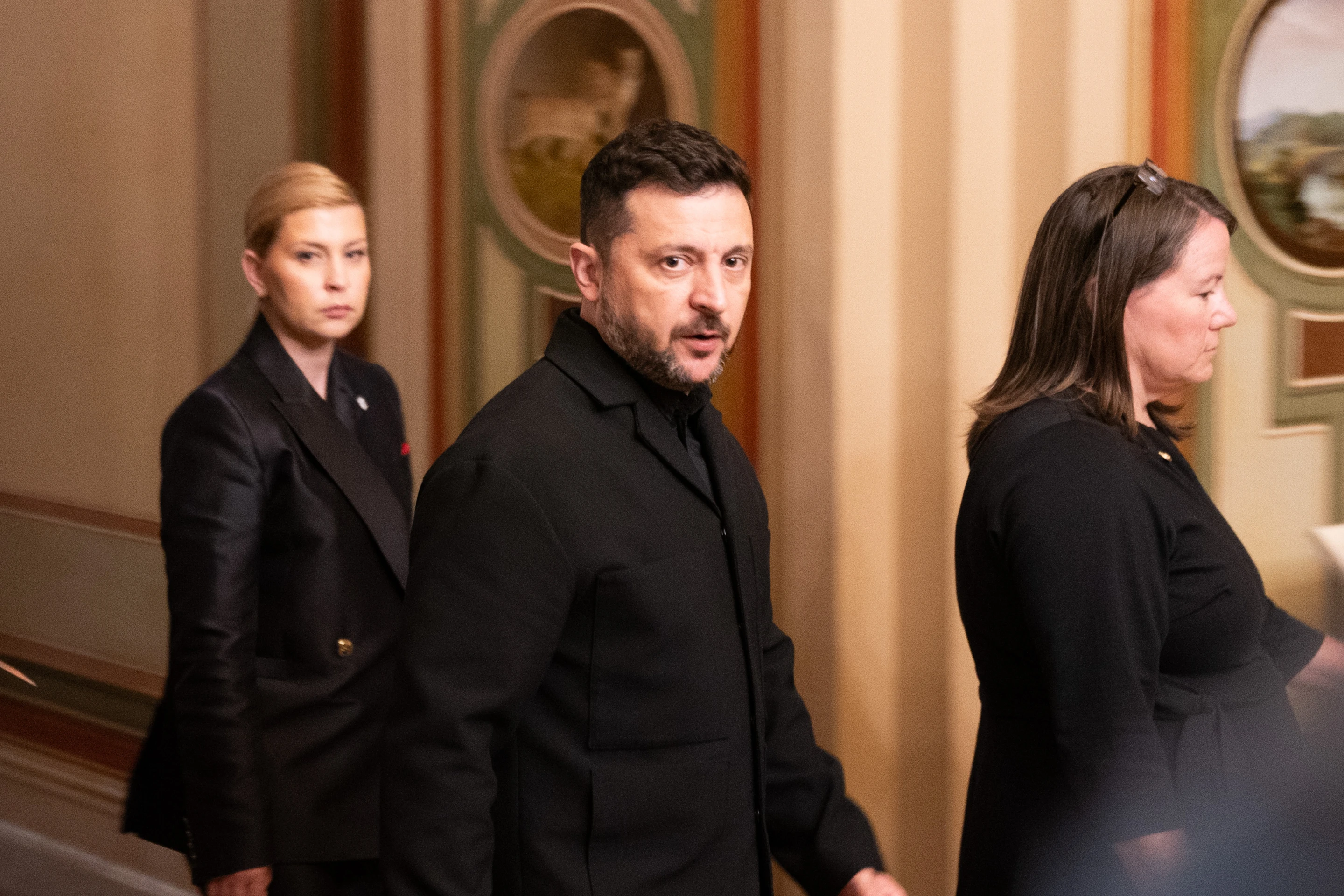
Ukraine has become another fracture. Charles III has met and hosted Volodymyr Zelensky several times, underscoring Britain’s support for Kyiv. The Trump administration, by contrast, has increasingly shown interest in a great-power conversation with Moscow in which Ukraine risks becoming an object of negotiation rather than a participant.
For London, this is a matter of principle. Britain sees support for Ukraine as part of European security and deterrence against Russia. If Washington begins treating Kyiv as an obstacle to a quick deal with the Kremlin, British strategy comes under pressure. The king cannot speak on this as a politician, but his past gestures toward Ukraine have spoken clearly enough.
Trump’s territorial ambitions add another layer. His threats toward Greenland, a self-governing territory of NATO ally Denmark, and his suggestion that the United States absorb Canada have alarmed allies. For Britain, the Canadian issue has special significance: Charles III is also Canada’s sovereign, and his recent presence there was read as a careful reminder of support for Canadian statehood.
All of this makes the current visit almost paradoxical. It is meant to celebrate a long alliance, but it comes at a time when allies are having to defend the very logic of alliance. London wants to remain Washington’s closest partner, but it is not prepared to sign on automatically to every American venture.
That is why the presence of Foreign Secretary Yvette Cooper in the delegation has practical importance. She is expected to discuss with Marco Rubio coordination over the Strait of Hormuz if the cease-fire with Iran becomes durable. Britain is trying to show that restraint in war does not mean passivity in diplomacy.


The royal visit functions here as a cover for harder work. Charles brings an atmosphere of respect. Camilla brings the softness of ceremony. Officials around them are trying to preserve the practical machinery of cooperation: maritime security, military coordination, strategic bases, Ukraine, NATO and territorial disputes.
This division of roles has long been one of the strengths of the British system. The monarch does not argue, answer insults, bargain in public or enter polemics. He creates a space in which politicians can step back from sharp statements without losing face. But the test is harder now, because Trump often treats diplomacy as personal loyalty.
Charles III cannot repair the relationship between Trump and Starmer in a single visit. He cannot force Washington to change course on Iran, the Falklands, Chagos, Ukraine or Greenland. But he can remind both sides that the United States and Britain share a deeper history than the current grievances of one president.
That is London’s central wager. If politics has become too abrasive, the alliance must be held through other channels: the Crown, memory, military history, ceremony, mutual interest and common security. In Trump’s world, such things do not guarantee results, but they may at least delay rupture.
Charles III’s visit looks ceremonial, but its real content is much harder than protocol. It is an attempt to prevent the “special relationship” from becoming an ordinary transaction in which each side counts only immediate advantage. The king has not come to Washington to direct policy. But his presence shows how much politics needs old symbols when new trust begins to crack.
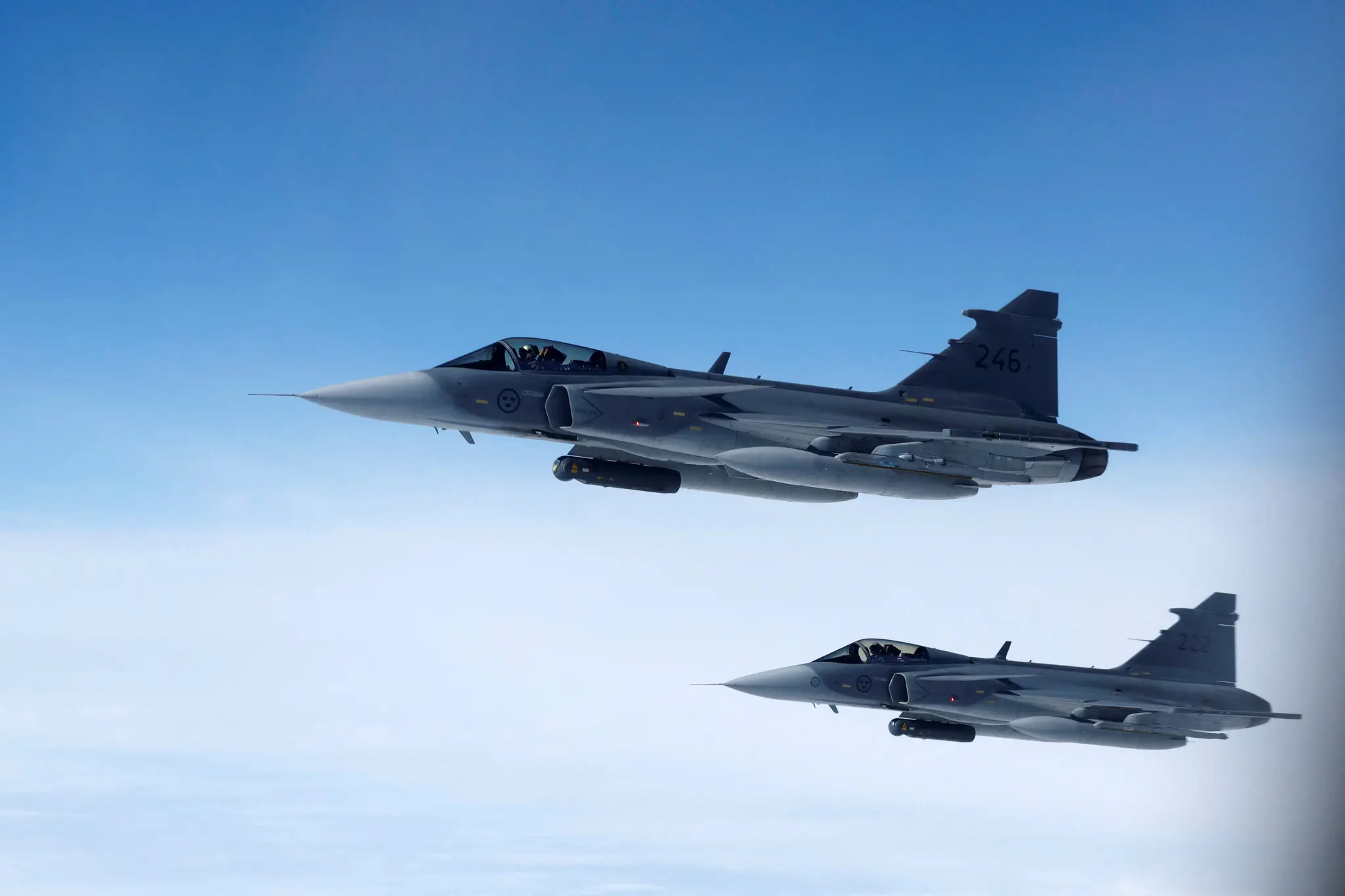
 Трамп розмахує кулаком з Південного портика, коли військові літаки виконують офіційний проліт. Чарльз стояв поруч із ним, спостерігаючи за демонстрацією. Вони вже залишили церемонію та увійшли до Білого дому — Трамп