















Fuel lines in occupied Crimea have become one of the clearest visible consequences of Ukraine’s campaign against Russian logistics. What once looked like a military problem involving rear supply routes has entered daily life on the peninsula through rationing, QR codes and the search for functioning gas stations.
In Sevastopol, a limit of 20 litres of fuel per person remains in place. Drivers are being advised to check availability before going to gas stations, while the act of buying gasoline increasingly resembles a system of controlled access rather than a normal market. This is not panic, but it is no longer normality either.
The reason is not only individual strikes on oil depots or transport hubs. Ukrainian drones are pressuring the two main arteries by which Russia supplies Crimea: the land route through occupied areas of southern Ukraine and the route across the Kerch Strait. These are precisely the points where Russian logistics has become most vulnerable.
According to Daycom’s earlier analysis, the fuel crisis in Crimea matters not only because of the size of the shortage, but because it damages Russia’s image of the peninsula as an integrated and protected space. Crimea is being pushed back toward its basic geography: a peninsula that can be isolated if its routes are cut, overloaded or made unsafe.
After the annexation, Moscow spent years building the symbolism of irreversibility around Crimea: the bridge, highways, military bases, tourism campaigns and new administrative links. But that construction depended on the constant movement of fuel, goods, military equipment and people. When that movement is disrupted, political declaration collides with the physics of distance.
Ukraine’s strikes on Russian oil infrastructure have a double effect. They reduce available fuel supplies and force Russia to spend more resources on protection, repairs, rerouting and transport security. For Crimea, which depends on external supply, even a partial disruption quickly becomes visible.
The shortage does not stop at gasoline. Reports of temporary gaps in some food products, including sugar, and limits on buckwheat purchases show that the fuel problem spreads further. When transport becomes unstable, the first to react are not only gas stations, but shops, warehouses, delivery services and passenger transport.
The absence of open panic is also telling. Shelves have not been emptied completely, products return, and the occupation administration tries to project control. This is what a slow narrowing of normal life looks like: a queue does not destroy the system immediately, but it reminds people every day of its weakness.
Russian authorities on the peninsula describe the situation as temporary and technical. But this is no longer only a matter of temporary logistics. If supply depends on routes that are regularly attacked, temporary measures become a mode of governance. Restrictions stop being exceptions and become tools of survival.
Crimea has special significance for Moscow in this war. It is not only territory Russia seized and politically sanctified after 2014. It is also a military hub in the Black Sea region, a fleet base, a platform for strikes and a complex logistics system meant to sustain Russian power in southern Ukraine.
That is why attacks on fuel have strategic meaning. An army does not move without diesel, aircraft do not fly without fuel, logistics do not function without tankers, and an occupation administration cannot preserve calm for long if civilians begin to feel shortages in their own routes and household budgets.
Strikes on Sevastopol sent a separate signal. Drones damaged a historic museum, and night train movements were reduced. Even when Ukraine’s campaign is aimed at military and fuel infrastructure, the density of the war turns the peninsula into a zone of constant risk for transport, facilities and urban life.
Moscow long presented Crimea as a secure rear area, distant from front-line instability. That distance is now shrinking. Ukrainian drones are carrying the war into places once thought protected by bridges, the strait, air defences and the Kremlin’s political confidence.
Western sanctions deepen this pressure. It is more expensive for Russia to export crude, harder to repair high-tech elements of refining infrastructure and more difficult to quickly compensate for losses after strikes. Each fire at a fuel facility becomes not only a local incident, but part of a broader process of exhaustion.
For Ukraine, this campaign is a way to change the balance without a direct assault on the peninsula. Kyiv cannot quickly retake Crimea through one military manoeuvre, but it can steadily make the territory more expensive for Moscow to hold. Logistics pressure becomes an instrument of political and military erosion.
That does not mean fuel queues alone will break the occupation system. Russia has resources, coercive power and experience in managing shortages. But every new limit changes the psychology of the peninsula: stability is no longer taken for granted, and dependence on Moscow begins to look like dependence on a vulnerable road, bridge and supply pipe.
The Crimean crisis also shows how the war itself has changed. The front line remains crucial, but strikes on oil depots, roads, railways, crossings and supply systems increasingly shape the ability of both sides to sustain a long fight. Victory is measured not only in kilometres of territory, but in whose rear can endure longer.
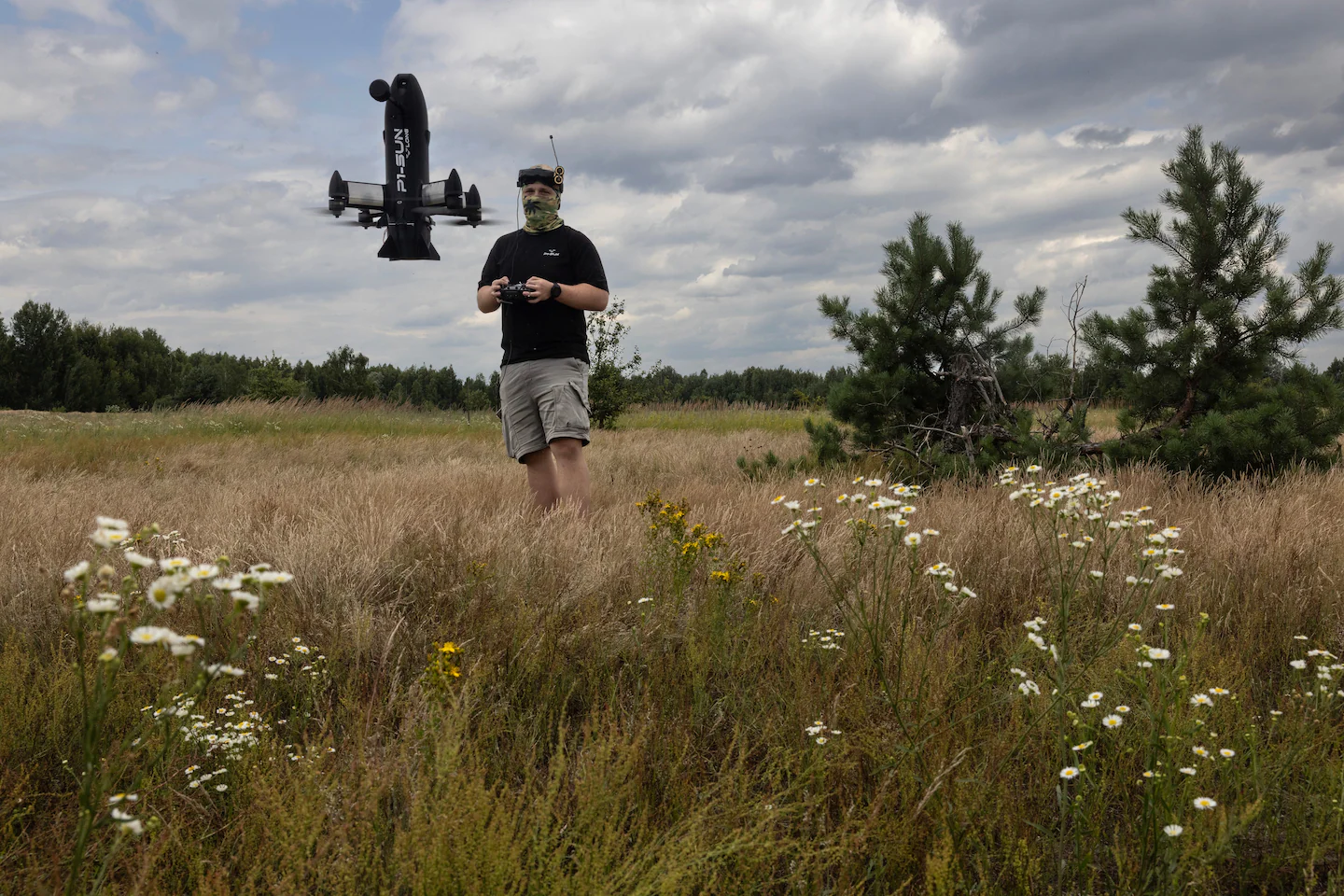
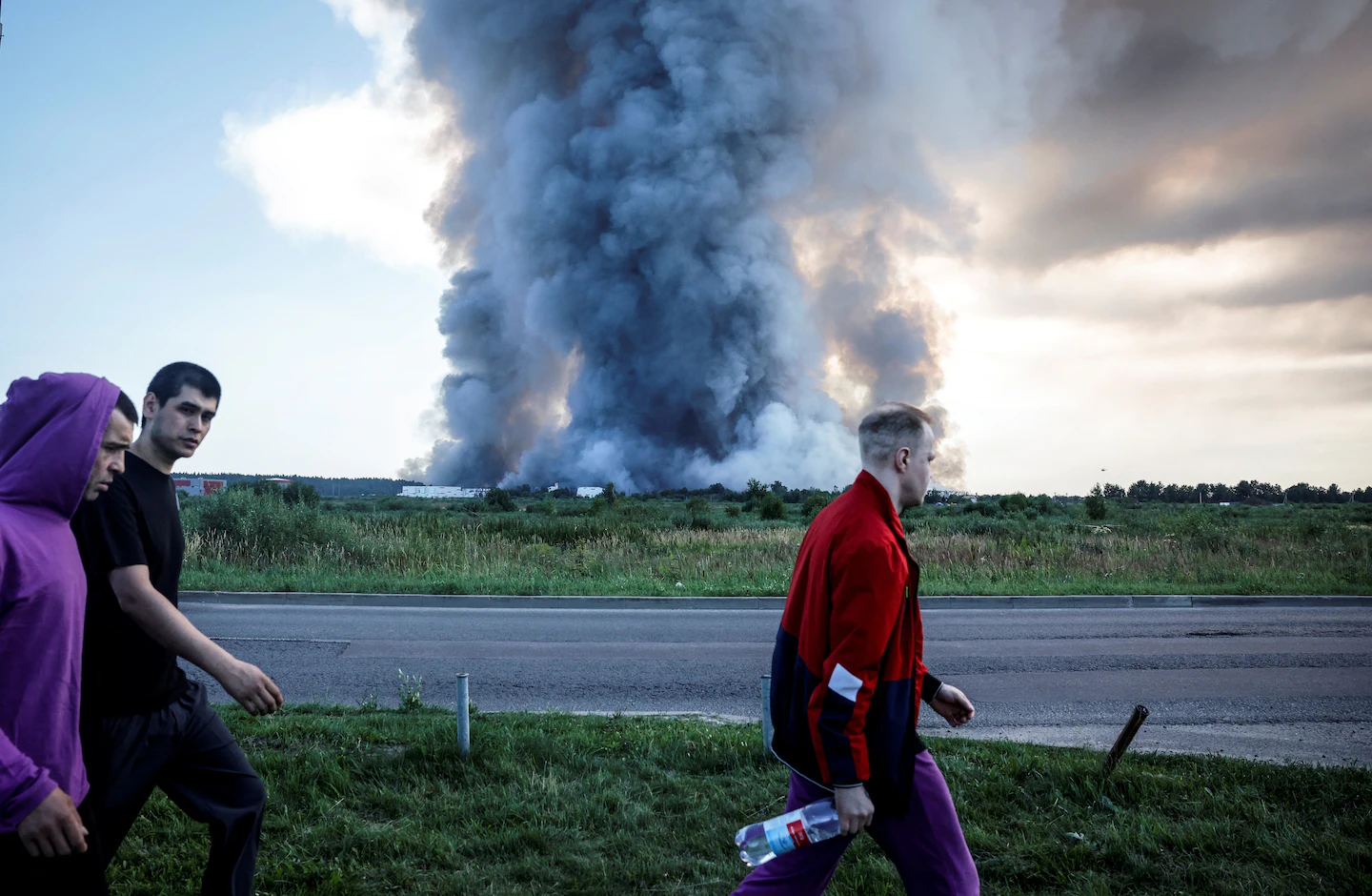
Russia continues to attack Ukrainian cities and energy infrastructure, but it now faces mirrored pressure on its own systems. The war is entering a phase in which drones can turn distant facilities into front-line nodes, while civilian lines at gas stations become visible consequences of strategic strikes.
The fuel shortage in Crimea is not a random household inconvenience. It is a symptom of the peninsula’s gradual loss of its status as a safe Russian rear area. Ukraine’s strategy is not cutting Crimea off with one blow; it is squeezing it slowly through fuel, roads, trains, oil depots and the nerves of the occupation system.
In that sense, the queue at a gas station has become a political image of the war. It shows that an annexed territory can be written into Russia’s Constitution, but it cannot escape its geography. Crimea remains dependent on routes that Ukraine is learning to make increasingly dangerous.