















The Democratic Republic of Congo is approaching its first World Cup in more than half a century with more than football on its mind. The team is preparing for the tournament under the pressure of health restrictions, diplomatic warnings and the risk that an Ebola outbreak could disrupt its route to the biggest stage in the sport.
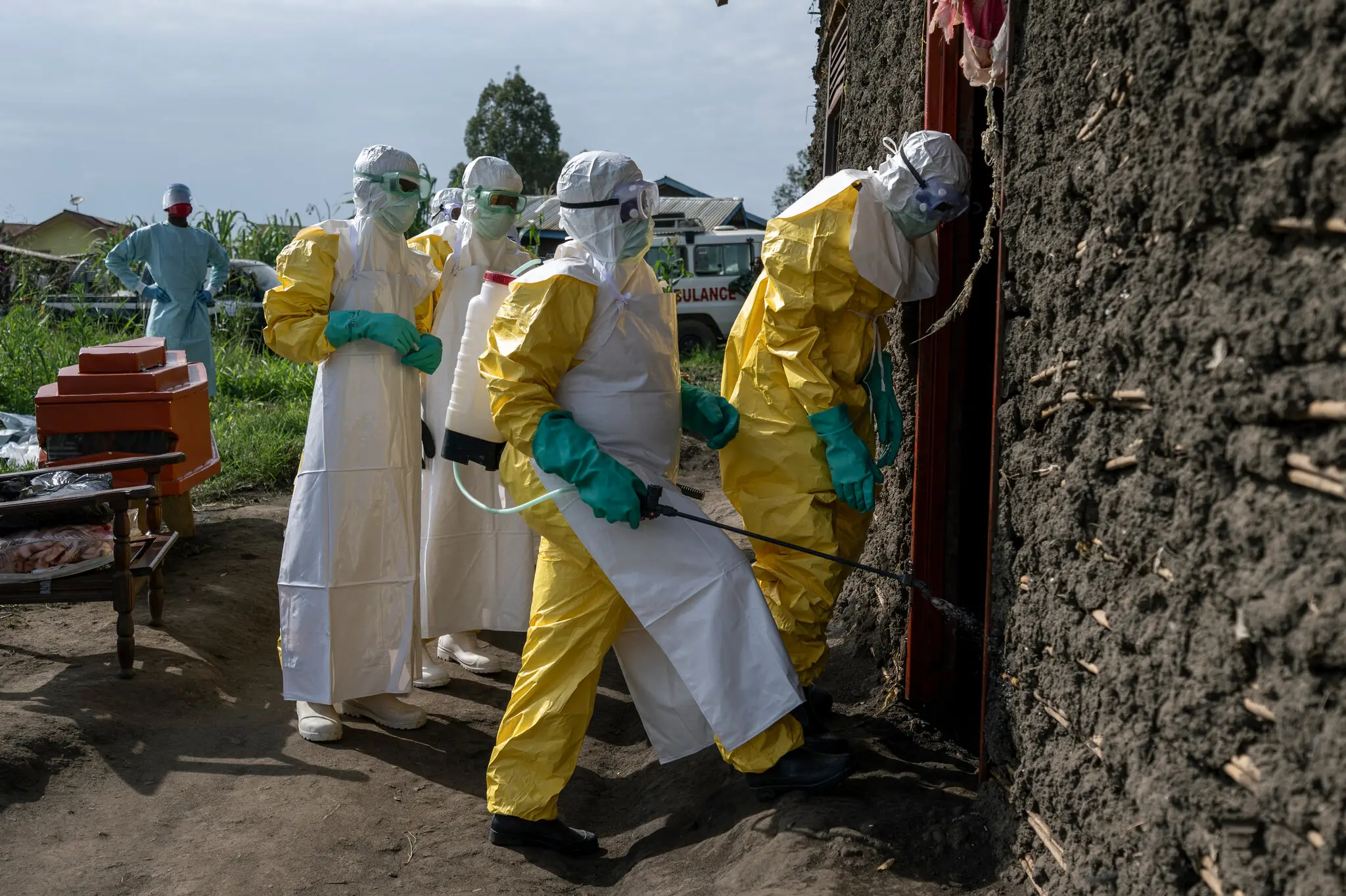
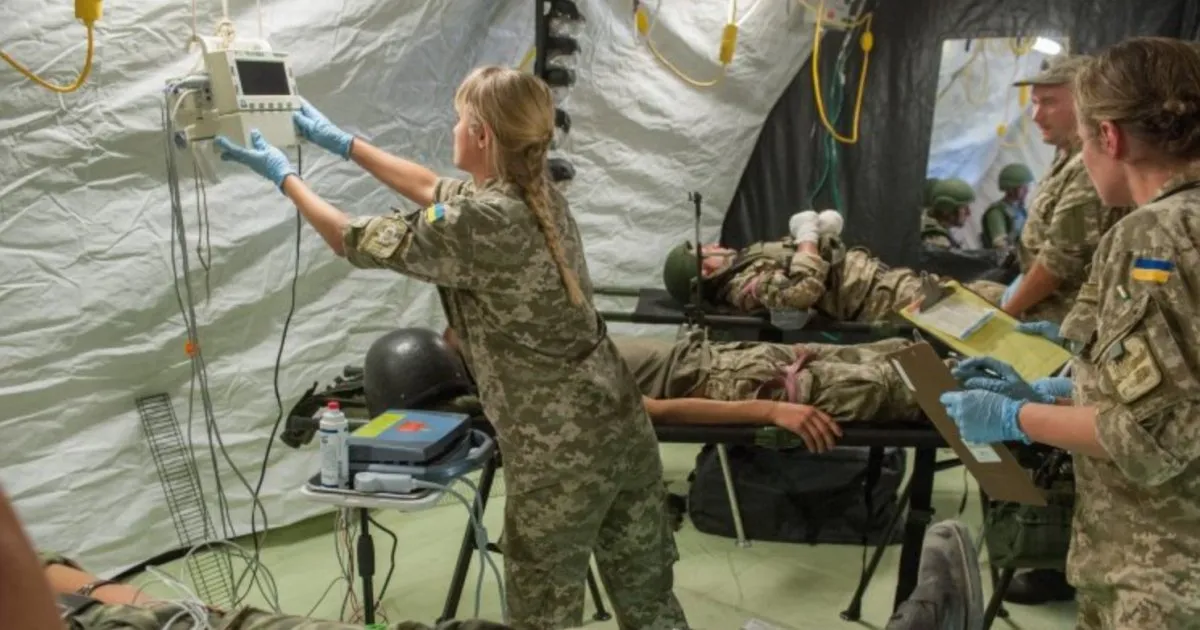
The United States has told the Congolese delegation to maintain a 21-day isolation bubble before arriving in Houston. The warning follows an outbreak of the rare Bundibugyo strain of Ebola in DR Congo and neighboring Uganda, which has been treated as a serious international public health concern.
Despite that pressure, the team does not plan to alter the sporting core of its preparations. A friendly against Denmark in Liège on June 3 and another against Chile in Cádiz six days later remain on the schedule. The only major change has been the cancellation of a planned trip to Kinshasa, where the squad had been due to receive a celebratory send-off.
According to Daycom’s assessment, this is not merely a problem of sports logistics. It shows how global football is increasingly colliding with a new reality of transnational risk: epidemics, border controls, political decisions and the unequal burdens carried by countries entering the same tournament under very different conditions.
The Congolese argument is direct: the players are not arriving from DR Congo. The full squad, including coach Sébastien Desabre, is based outside the country, mostly in Europe. Only some team officials had arrived at the training camp in Belgium from Congo earlier.
For the federation, that is an important line of defense. If the players themselves have not been in the outbreak zone, isolation rules should be based on actual epidemiological risk rather than nationality. For U.S. authorities, however, the calculation is different: the World Cup is a mass event, and one mistake could quickly become an international problem.
That is why Washington is speaking in the language of maximum caution. The 21-day period is not arbitrary; it reflects the incubation window for Ebola. For tournament organizers, it is a way to ensure that a delegation does not bring risk into a country where tens of thousands of fans will gather for matches.
But football does not live by medical protocols alone. For DR Congo, this World Cup carries enormous symbolic weight. The country has not appeared at the tournament since 1974, when it competed as Zaire. Returning after 52 years is more than a sporting achievement. It is an event of national memory.
That is why the cancellation of the Kinshasa visit is painful. The team was supposed to be sent off at home, in front of its own supporters, in a country where football often remains one of the few shared spaces of collective joy. The outbreak has taken even that moment away.
On the pitch, DR Congo faces a difficult group. It opens against Portugal in Houston on June 17, then plays Colombia in Guadalajara on June 23 and Uzbekistan in Atlanta on June 27. But before the team can think about opponents, it must pass an invisible qualification round: medical, administrative and political.
That places the squad in a delicate position. It cannot ignore U.S. requirements, since its first match will be on American soil. Yet changing the entire preparation plan just weeks before the tournament could damage rhythm, recovery, tactical work and the players’ psychological readiness.
In modern football, warm-up matches matter almost as much as training camps. They allow a coach to test partnerships, tempo, fitness and discipline. For a team returning to the World Cup after half a century, every such match is part of adapting to a higher level of intensity.
The risk for Congo also extends beyond the team. The question of supporters is even more complicated. If travel restrictions affect citizens from the outbreak zone, the national side may arrive at its historic tournament with fewer of its own fans in the stands. For football, that is its own form of loss.
In this story, Ebola becomes more than a medical term. It becomes a force that changes the geography of joy. It cuts the team off from a home farewell, raises questions over the movement of officials, tightens border controls and turns every contact into a matter for bureaucratic review.
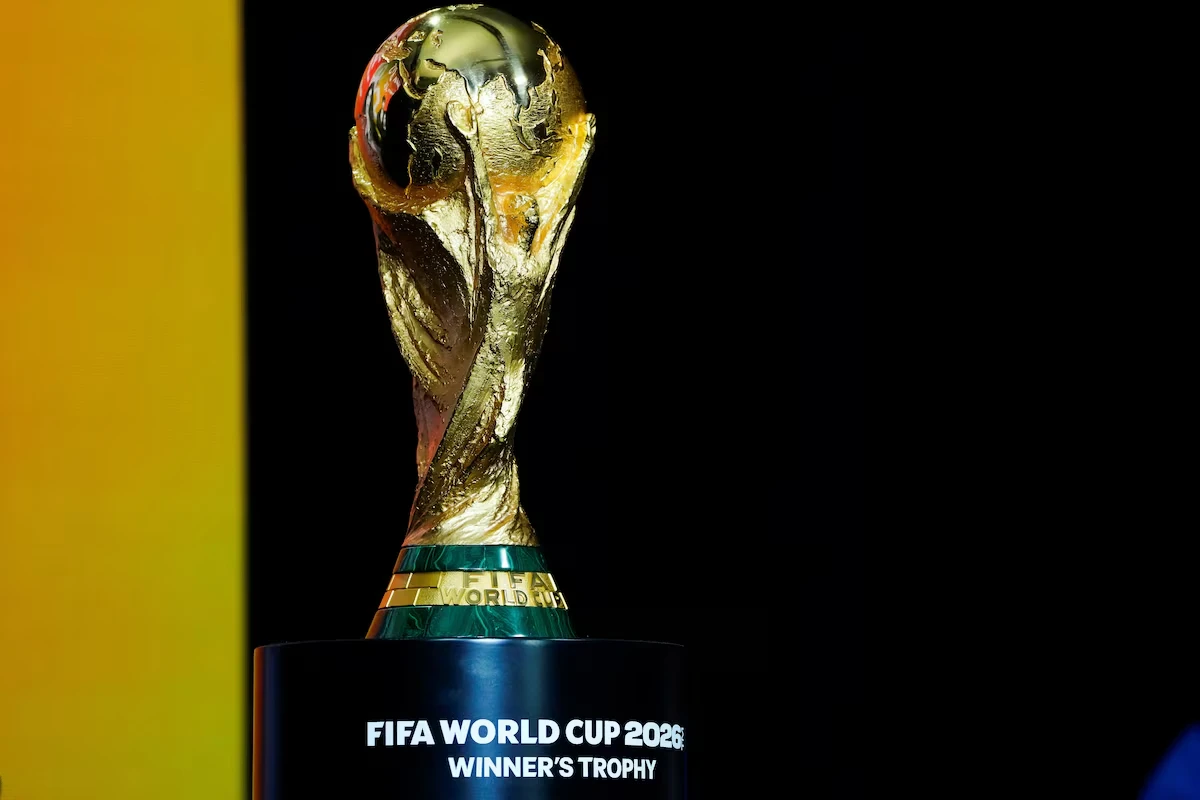
For FIFA and tournament organizers, this is an uncomfortable test. The 2026 World Cup was designed as a vast celebration across three countries, with more teams and maximum global reach. But global reach does not mean only more matches and markets. It also means greater exposure to crises that do not stop at borders.
The U.S. position may seem severe, but it has its own logic. After pandemics and dangerous disease outbreaks, states are less willing to take chances during mass events. The political cost of underestimating a health threat is always higher than the anger of a team or federation.
The Congolese position does not appear reckless either. If the squad is genuinely assembled outside DR Congo and the Kinshasa trip has been cancelled, the team is trying to preserve both its sporting plan and risk reduction. The question is whether U.S. authorities will accept that logic.
The worst scenario for Congo would be to complete its preparations, play the friendlies, assemble in Europe — and still face entry problems. That makes the coming days important not only for the coaching staff, but also for lawyers, diplomats and medical coordinators.
Football here has become an uncomfortable mirror. It shows that countries facing epidemic crises carry an extra burden even when their athletes are physically elsewhere. The reputation of risk can travel faster than the virus itself.
For DR Congo, that is especially painful. The country wants to be seen through football, talent, return and pride. Instead, on the eve of the World Cup, it is again being viewed through disease, danger and restrictions. That does not remove the need for safety, but it shows how unequal entry into a global celebration can be.
If the team meets the requirements and walks onto the field in Houston, its opening match against Portugal will mean more than the start of a group campaign. It will mark the end of a corridor of fear, control and suspicion as much as the beginning of a football tournament.
Congo wants to protect its preparation because, for the team, this is a matter of sporting dignity. The United States insists on isolation because, for authorities, this is a matter of public safety. The tension lies between these two truths.
The World Cup is often described as a place where nations meet as equals. DR Congo’s story shows that equality does not begin on the grass. First, a team has to reach it — through borders, protocols, epidemics, suspicion and the right to prove that it is not a risk, but a participant in the game.