






















In modern war, the border no longer ends at the front line. It flickers in radar signals, mobile alerts, GPS interference and drone routes designed for one target but capable of ending over another country. For Ukraine’s neighbors, this is no longer a theoretical security problem. It is a lived reality.
In recent weeks, air alerts, interceptions and drone crashes have affected Lithuania, Latvia, Estonia, Finland and Romania. These countries are NATO members or sit close to the war zone created by Russia’s invasion of Ukraine. Formally, they are not at war. Practically, they increasingly live beside its fragments.
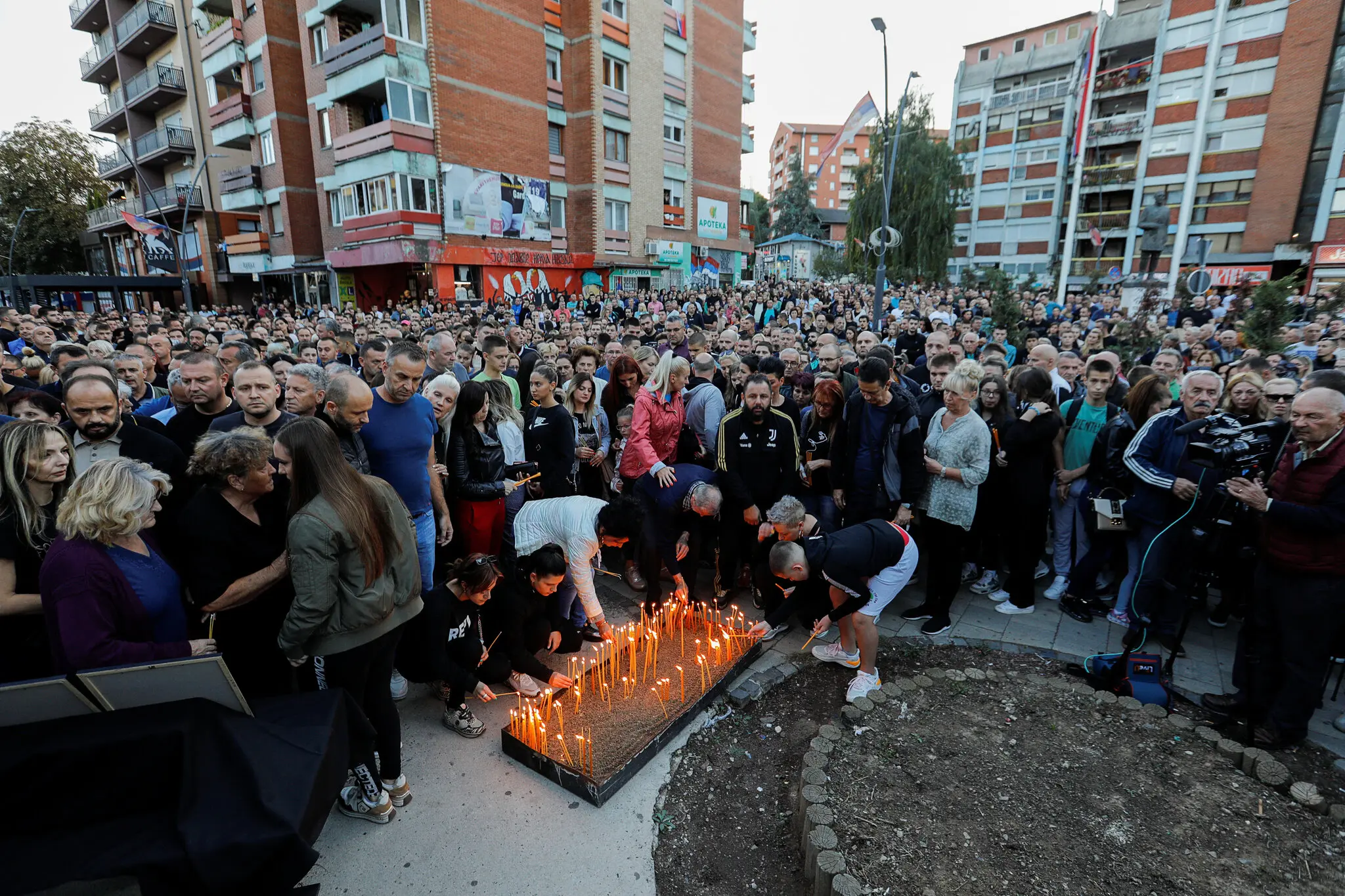
One of the most revealing episodes occurred in Vilnius. Lithuanian officials, lawmakers, schoolchildren and residents of the capital were ordered to seek shelter after reports of a suspicious drone. Parts of air and rail traffic were restricted, while schools and kindergartens began moving children into safer rooms.
For Daycom, this story matters not as an isolated incident, but as a symptom of a new phase of the war. Drones have turned the space between the Black Sea, the Baltic, Belarus, Russia and NATO countries into a zone of technical uncertainty, where intention, route and outcome no longer automatically coincide.
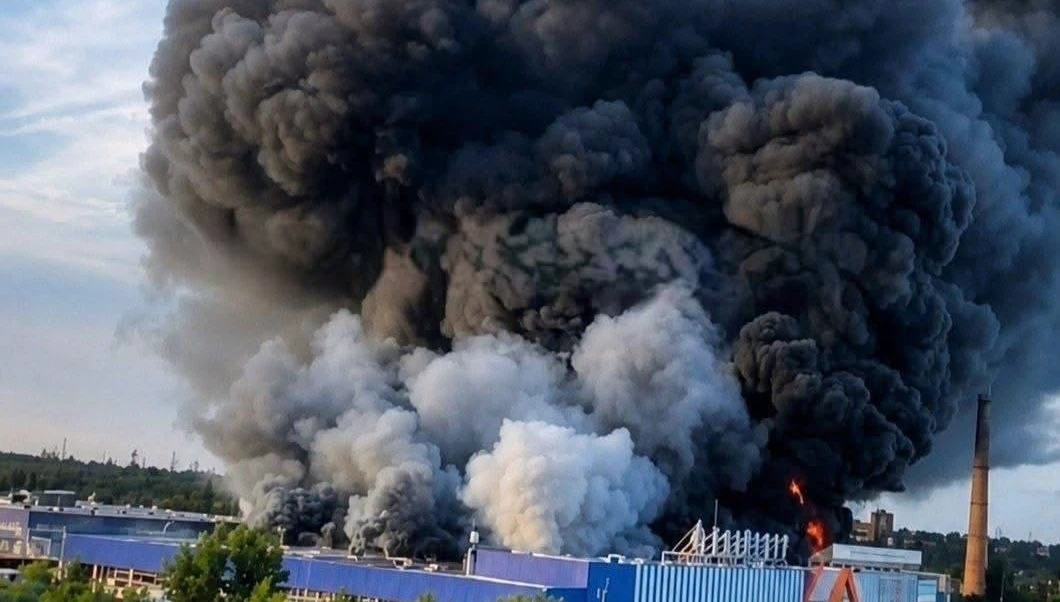
Ukraine is increasingly striking Russian ports, oil terminals, logistics hubs and industrial facilities far from the front. Russia, in response, is trying to jam navigation, spoof signals, disrupt flight paths and saturate the region with electronic warfare. In this struggle, GPS spoofing has become almost as important as explosives.
That is why some drones may change course before reaching their targets. Russian electronic warfare can divert them, air defenses can disrupt them, or programming errors can send them off track. As a result, a drone launched at a military or infrastructure target in Russia may become a threat to a school in Vilnius, the port of Constanța or Estonian airspace.
In May, a NATO aircraft shot down a suspected Ukrainian drone over Estonia. It was one of the clearest cases in which allied air policing had to act against a device from a country NATO supports in its war against Russia. The interception showed how thin the line has become between backing Ukraine and defending NATO’s own skies.
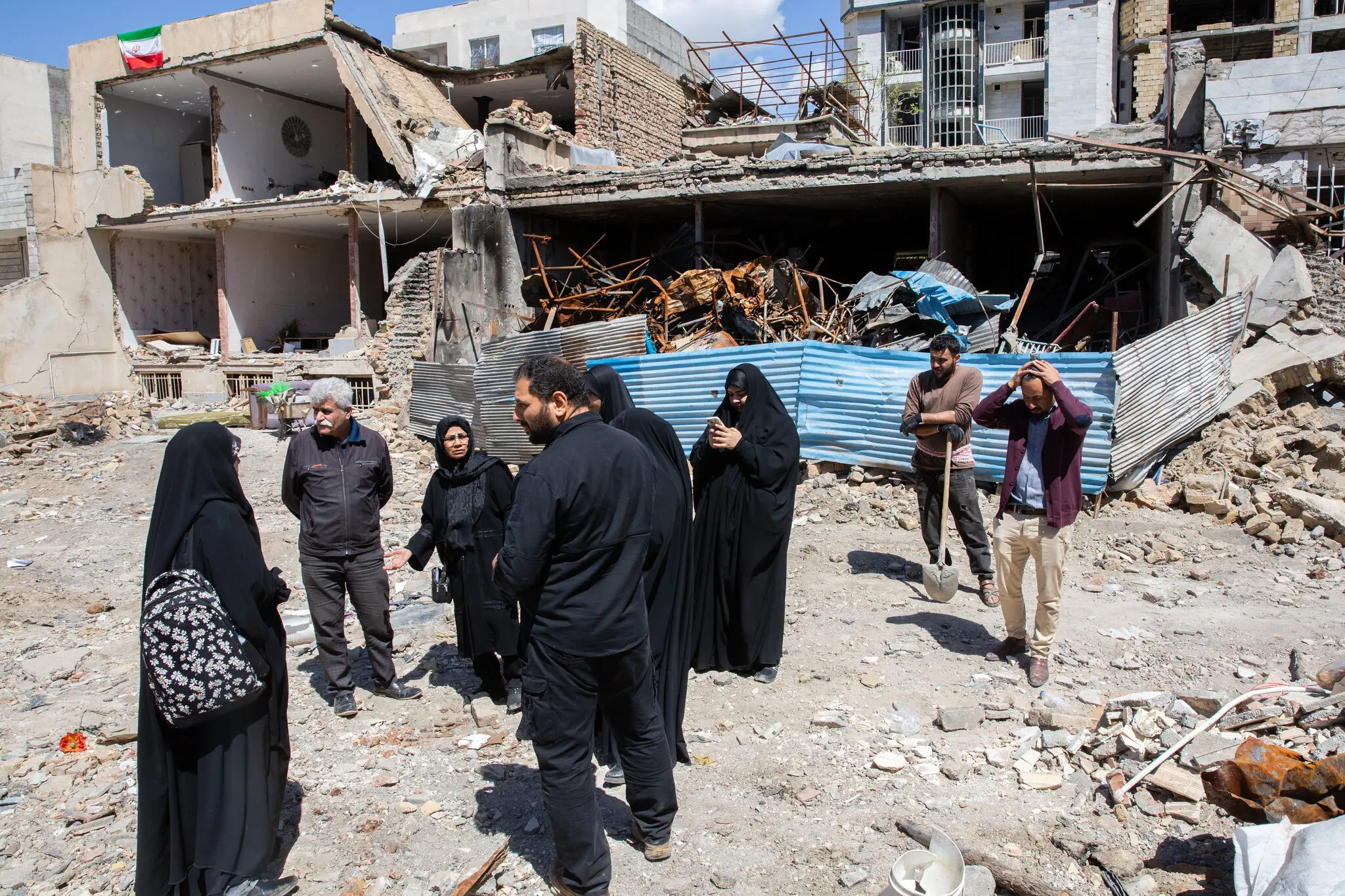
Romania has faced both kinds of risk. In late May, a Russian Geran-2 drone hit a residential building in Galați, injuring two people. Days later, a naval drone connected to the war in Ukraine self-detonated in the port of Constanța, while several others exploded outside the port. There were no deaths, but there was a political effect.
These episodes differ in nature, and that is precisely why they are dangerous. A Russian drone over Romania is a direct consequence of Moscow’s aggression and its strikes near Ukraine’s borders. Ukrainian naval drones near Constanța reflect a war in which Kyiv is trying to reach Russian targets, but faces electronic disruption and loss of control.
For societies on NATO’s eastern flank, this creates a difficult psychological trap. Citizens want to support Ukraine because they understand the nature of the Russian threat. But when an air alert sounds in their own city and children are taken into basements, the war stops being a televised image and becomes a domestic security issue.
Russia is trying to exploit exactly that gap. Its propaganda presents downed or wayward Ukrainian drones as proof that Kyiv is a “danger” to its allies. The goal is not to explain the incidents, but to drive a wedge between Ukraine and the governments that have supported it most consistently.
This is where moral and strategic precision matters. Ukraine must be as careful as possible when its drones fly toward Russian targets near allied borders. Every deviation can become not only a technical accident, but a diplomatic problem. Yet responsibility for the emergence of this dangerous geography lies with Russia.
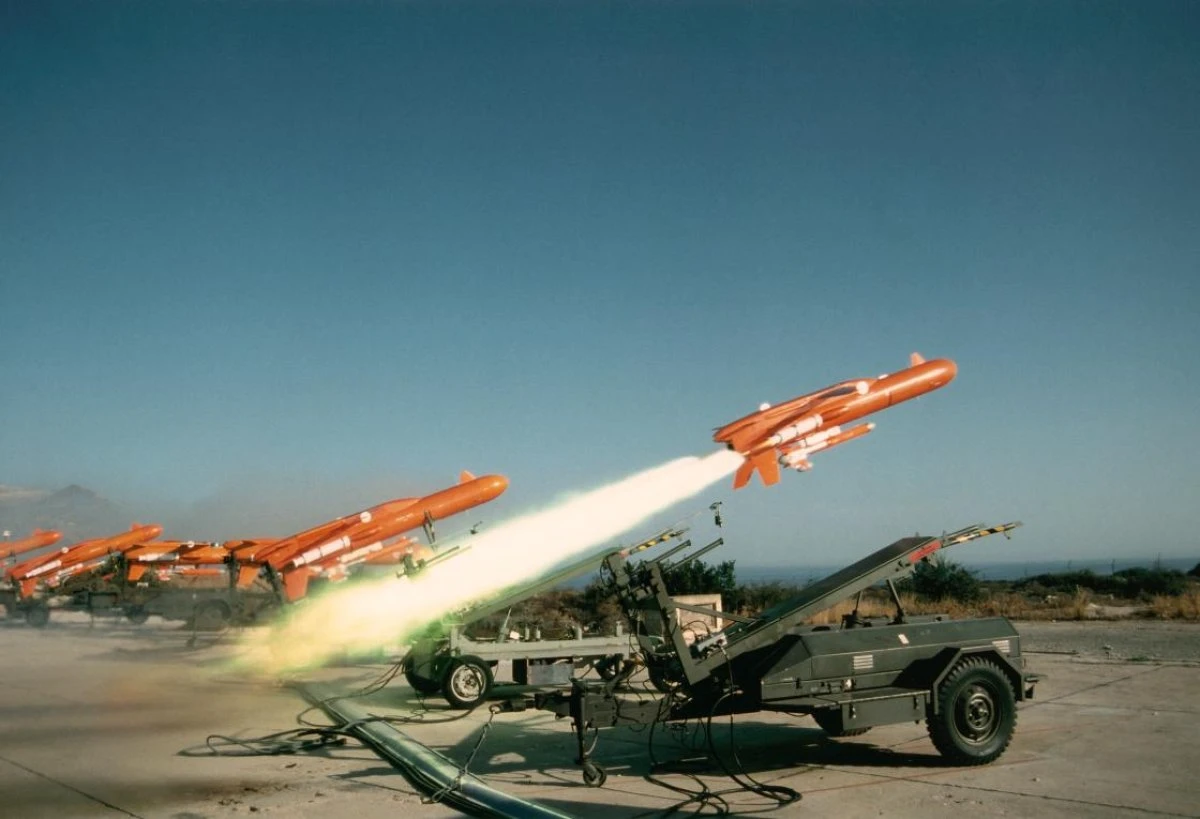
Drones have changed the war not only at the front, but also in the rear. They are cheaper than missiles, can be launched in large numbers, fly complex routes, stay low and often operate alongside jamming, decoys and false signals. For traditional air defenses, this means overload: not a handful of large targets, but dozens or hundreds of small threats.
That is why NATO is strengthening its eastern flank and testing new counter-drone systems. The alliance is developing air patrols, integrated air defense, sensors, radars and tools against small UAVs. The central idea is clear: the skies over NATO countries must be defended continuously, not only during moments of visible crisis.
But technology solves only part of the problem. The other part is civil readiness. After the Vilnius incident, Lithuania saw not only the strength of its emergency services, but also their weak points: some shelters were locked, a mobile app failed under pressure, and some schools misunderstood the alert. Ukraine has learned to respond quickly to air raids. Its neighbors must now learn without full-scale war on their own territory.
In the Baltic region, this is sometimes described as shock therapy. It is unpleasant, but useful. If a drone can appear over the capital of a NATO country, evacuation plans, school basements, shelter access, warning systems and public behavior rules can no longer remain paper exercises.
This new reality does not mean that the war will inevitably spread to NATO. But it does mean that the war is already affecting NATO physically — through airspace, sea ports, navigation systems, energy infrastructure and public opinion. The risk of escalation may now arrive not as a declared attack, but as a device that has lost its route.
For Ukraine, this is also a lesson. Long-range drones remain one of the few ways to pressure Russia’s war economy, oil refining, ports and logistics. But the farther a drone flies, the greater the responsibility for route planning, coordination with allies and rapid explanations when incidents occur.
For NATO, the lesson is different: support for Ukraine cannot be separated from protection of its own rear. If allies want Kyiv to continue holding back Russia, they must simultaneously build counter-drone defenses in the Baltics, Romania, Poland and Finland. Otherwise, every new incident will feed fear, and fear will serve those who want to reduce help for Ukraine.
Drones have erased the comfortable distance between war and peace. They have shown that a country may not be a combatant and still live under the technical pressure of combat. In this gray zone, the main task is not to lose causal clarity: without Russian aggression, there would be no such routes, alerts, debris or shelters.
The answer to wayward drones, therefore, should not be less support for Ukraine. It should be smarter support: better coordination, stronger air defenses, more electronic warfare tools, open channels between military headquarters and cities prepared for emergencies. The war of the future is already arriving without a pilot. Defense against it cannot wait until it learns to hit more accurately.