





















European defense has reached a point where simply raising budgets is no longer enough. After years of debate over underinvestment, the continent’s armies now face a harder question: whether they are capable of fighting the kind of war Ukraine has already revealed.
The old security model rested on expensive platforms, slow procurement, the American umbrella and the assumption that a major war in Europe would remain largely theoretical. Russia’s full-scale invasion of Ukraine destroyed that comfortable architecture.
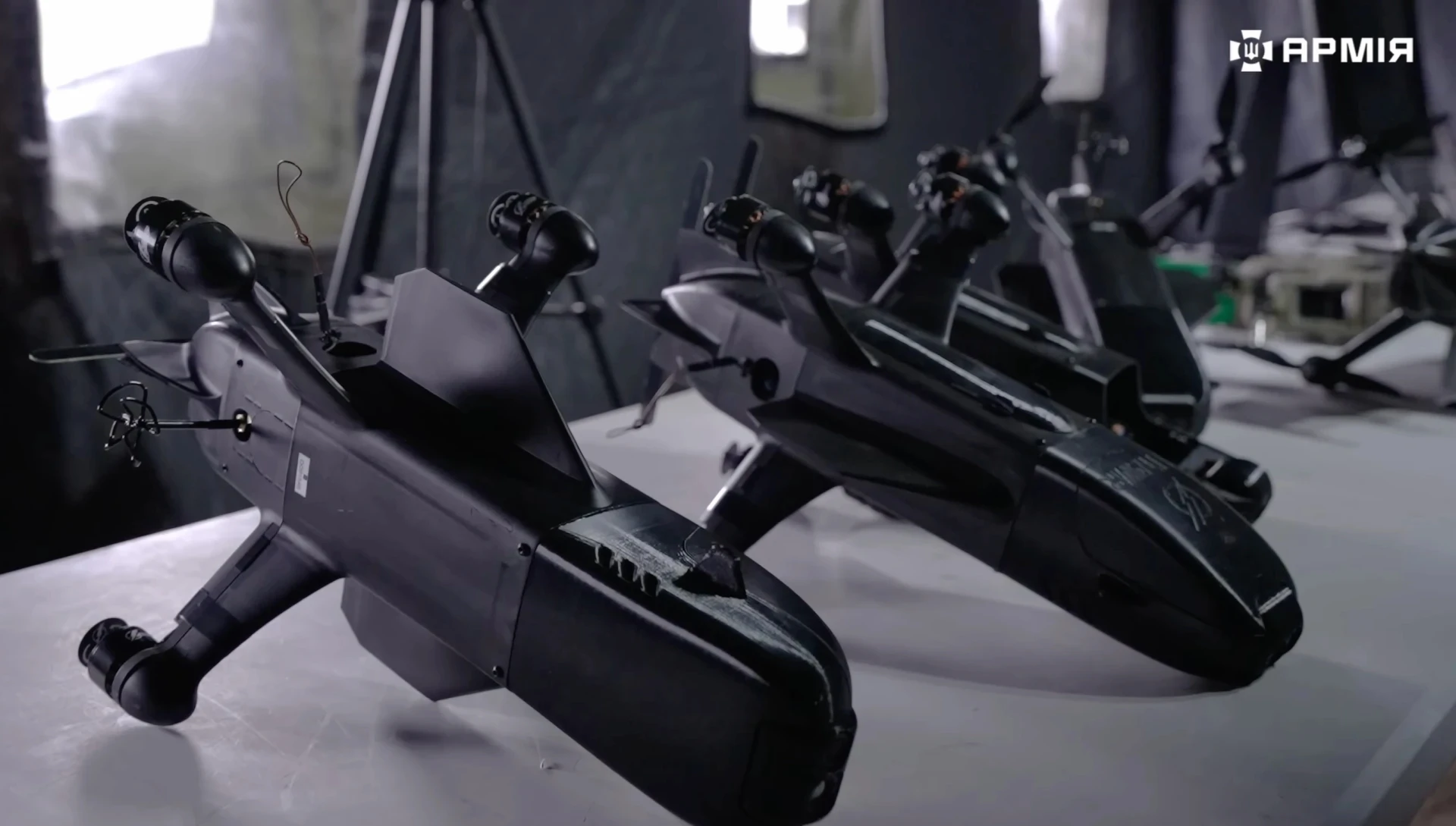
European armies now need not only tanks, aircraft and ships, but thousands of cheap drones, interceptors, electronic warfare systems, deep-strike weapons, mobile air defenses and digital platforms that shorten the time between detecting a target and striking it.
According to Daycom’s earlier analysis, the central lesson of this transformation is that Europe can no longer buy defense as a prestigious engineering project. It must learn to produce war serially, quickly and with losses already built into the model.
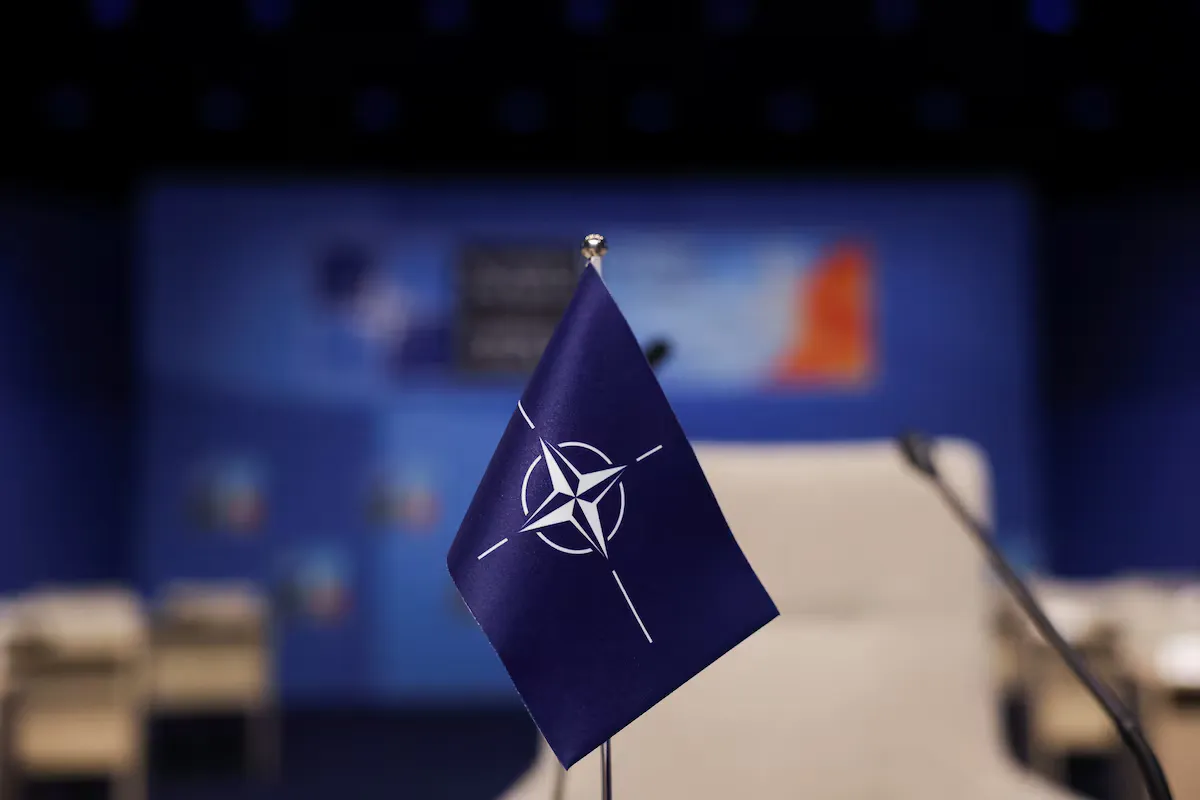
At a defense conference in London, senior military officials were no longer speaking the language of symbolic deterrence, but of production tempo. NATO needs systems that can be manufactured in large numbers, lost without paralyzing budgets and replaced quickly on the battlefield.
This does not mean the end of expensive platforms. Fighter jets, frigates, submarines and long-range detection systems remain critical. But the Ukrainian front has shown that even the best hardware can become vulnerable without cheap mass, reconnaissance, electronic warfare and constant tactical adaptation.
NATO is now looking at the threat from more than the eastern flank. Russian long-range aviation, the Northern Fleet, submarine forces, long-range missiles and attacks from multiple directions create a sense of 360-degree danger for Europe. The defensive front no longer has one obvious line.
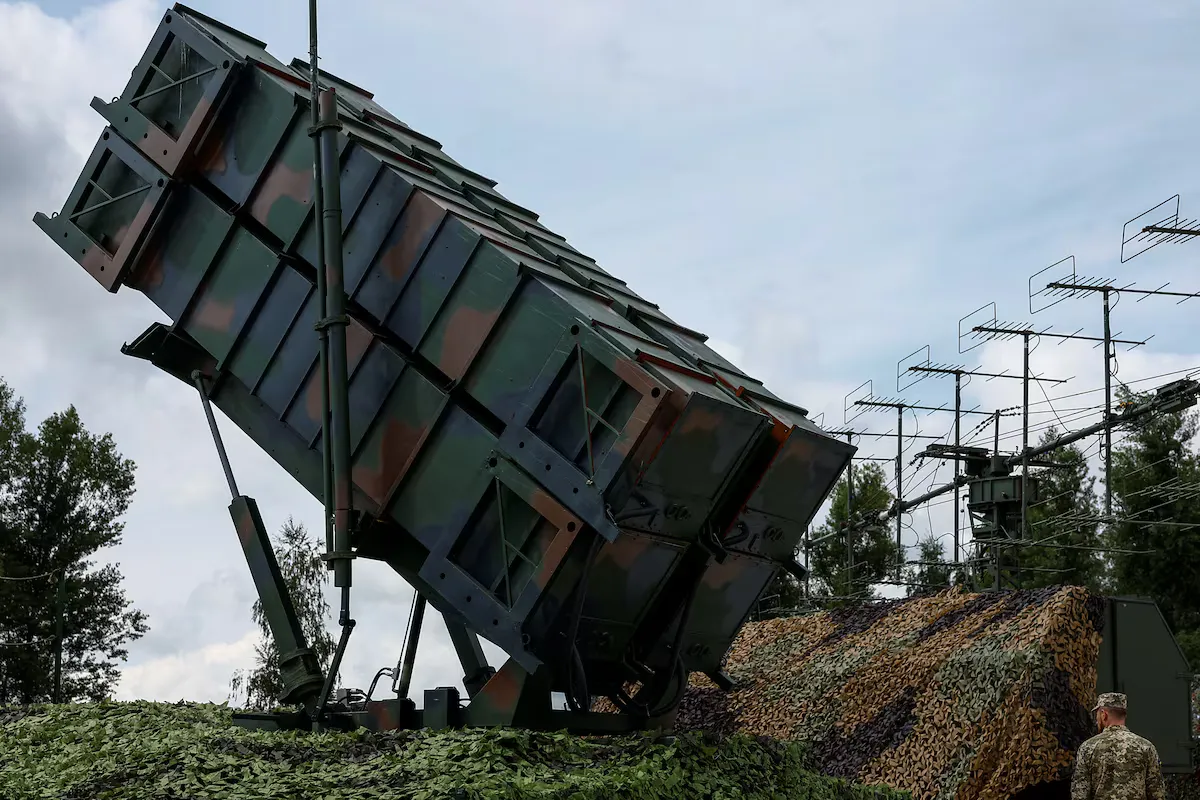
That is why air defense has become a central issue. Europe must protect itself not only from aircraft and conventional missiles, but also from cheap attack drones, cruise missiles, ballistic systems and weapons capable of traveling thousands of kilometers. Ukraine is paying for that lesson every day.
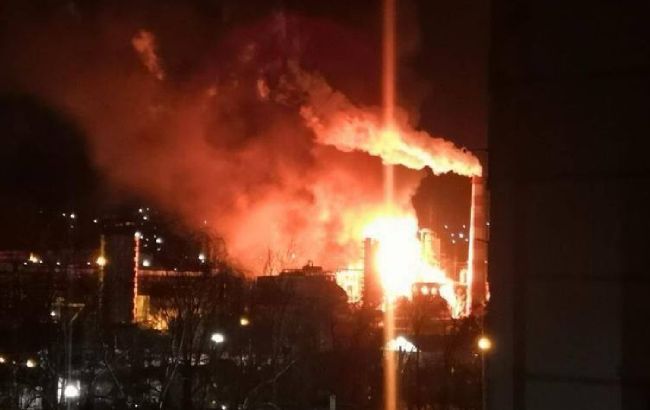
Deep precision strikes are also moving from the category of desirable capability to necessity. If an adversary can hit depots, factories, airfields and logistics hubs at long range, the response cannot be purely defensive. Deterrence works only when the aggressor’s rear also feels risk.
Electromagnetic warfare is becoming just as important. Radio frequencies, satellite links, navigation, sensors and drone-control channels are already battlefields. An army that loses in the electromagnetic spectrum may still have weapons, but it will lack eyes, hearing and coordination.
German military leaders now say openly that land warfare is changing fundamentally. That does not mean a cosmetic update to doctrine, but a revision of combat logic itself: away from large, slow formations and toward dispersed, fast units saturated with sensors and drones.
For the Bundeswehr, as for many European armies, this is a painful turn. It is no longer possible to wait for a perfect system that might appear in five years and arrive in service ten years after that. Critical gaps must be closed with what can be obtained now.
That logic matters especially for countries accustomed to slow tender cultures. Europe’s defense industry can produce complex systems, but it has not always been able to produce them quickly and in large numbers. Russia’s war against Ukraine has shown that quantity has again become a form of quality.
Artificial intelligence adds another divide between old and new war. A corps-level planning cycle that once took days can now be compressed into hours, or less. This changes not only the speed of headquarters, but the nature of advantage itself.
In modern war, the winner is not simply the side with more information, but the side that turns information into action faster. A drone sees, an algorithm sorts, a headquarters decides, artillery or missiles strike. The time between those stages becomes a resource as vital as ammunition.
But technological optimism has limits. AI does not replace political will, shell stockpiles, trained soldiers, repair bases or production lines. It only makes strong systems faster and exposes weak ones more clearly.
The American factor adds nervousness to the debate. Donald Trump’s administration has repeatedly accused Europeans of depending too heavily on the United States, while the decision to withdraw part of the American troop presence from Germany became a practical warning to the continent.
The NATO summit in Ankara is set to take place in precisely this atmosphere. European allies can no longer assume that Washington will automatically compensate for their weaknesses. Even if the alliance holds, the balance of responsibility inside it is shifting.
This does not mean the collapse of the transatlantic system. But it does mean the end of the old convenience under which Europe could argue about strategy without having enough depots, factories, air-defense batteries, drones and personnel for a long, high-intensity war.
Ukraine has become Europe’s harsh proving ground for the future. It has shown that the front is transparent to drones, that equipment does not survive long without camouflage, that logistics becomes a target every day and that a cheap device can destroy a system hundreds of times more expensive.
At the same time, Ukraine has shown something else: adaptation can be fast when the state, army, volunteers, engineers and private companies work as one ecosystem. European democracies will have to learn that lesson without losing oversight, legality or transparency.
The hardest task is not buying drones, but changing culture. Armies must accept that some equipment will be disposable, some solutions temporary, and that advantage often belongs not to the most perfect system, but to the one already delivered to troops.
Europe is rethinking war not out of academic interest. Russia may rebuild its forces, test NATO’s weak points and use hybrid pressure, cyber operations, sabotage, migration crises and the threat of direct force as parts of a single toolkit.
That is why Europe’s new defense must be not only more expensive, but smarter. It needs stockpiles, fast production, common standards, repair depth, integrated air defense, long-range weapons, resilient communications and the political readiness to make decisions before a crisis begins.
The central conclusion from the London discussions is simple: the next war will not wait for Europe to complete a perfect reform. It will arrive in the form of drones, missiles, cyberattacks, communications jamming and strikes on logistics. The side that changes before defeat forces it to change will have the advantage.