
















Ukraine’s war has again come down not to the number of statements issued, but to the number of missiles sitting in launchers. Russia has intensified strikes on Kyiv and other cities, Ukraine is responding with attacks on Russian oil and military infrastructure, and Western allies are gathering in Paris to close the most dangerous gap: the shortage of missile defense.
The need is not abstract. Recent weeks have shown that Ukraine’s air-defense system is struggling more severely to contain Russian ballistic missiles. Drones can be intercepted by mobile teams, cruise missiles by layered defenses, but ballistic missiles travel at several times the speed of sound and leave only minutes to react. This is where the shortage of Patriot, SAMP-T and interceptors becomes a matter of life.
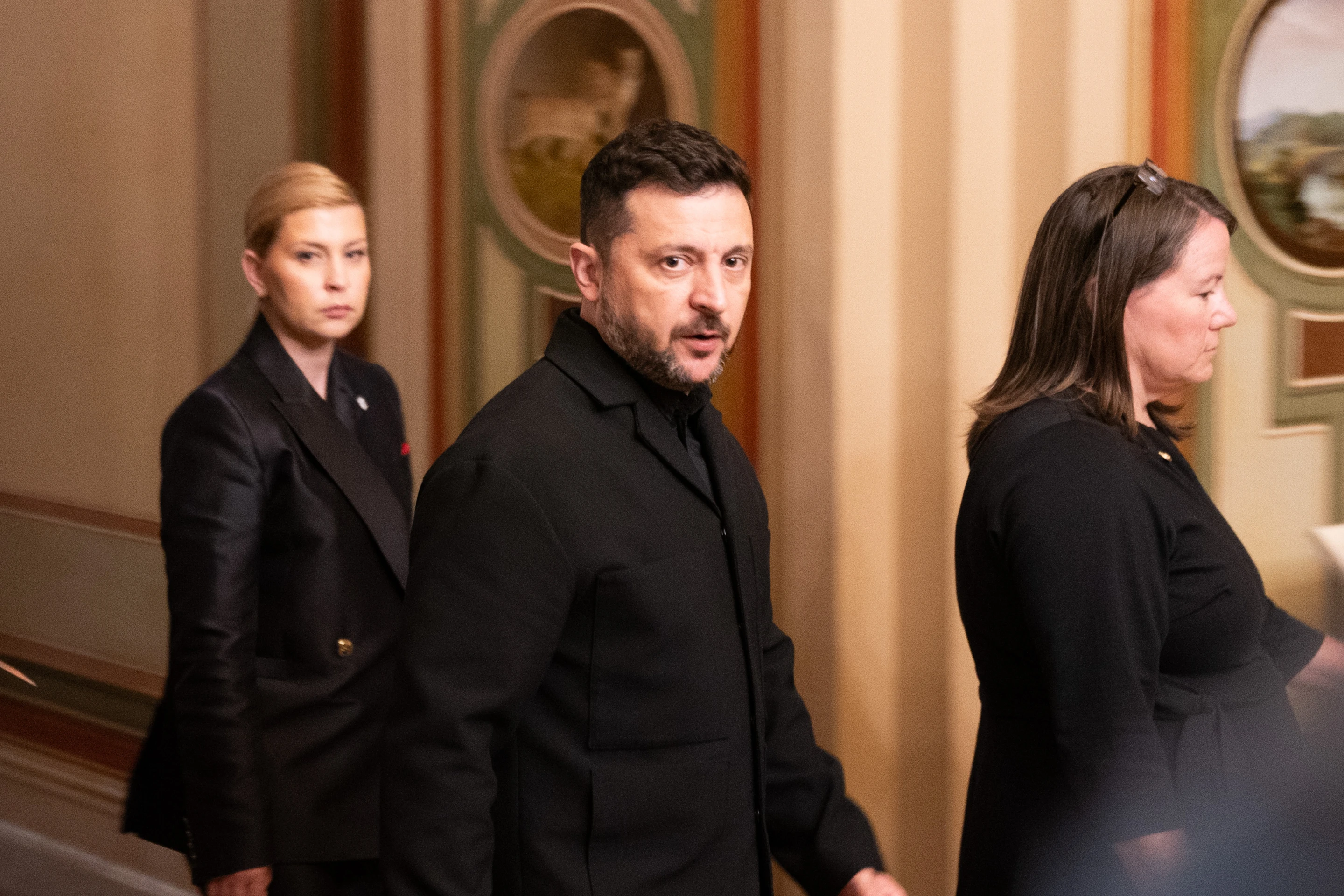
Paris will host a meeting of the Coalition of the Willing, joined by Volodymyr Zelenskyy and at least 25 leaders. Formally, the agenda concerns support for Ukraine and security guarantees for a future peace settlement. In reality, the core issue is far more concrete: how to give Ukraine the ability to shoot down the weapons Russia is using to break its cities.
According to Daycom’s assessment, the meeting will be a test for Europe’s entire defense policy. Allies have learned how to promise long-term support for Ukraine. Now they must show whether they can quickly turn industry, money and political will into air-defense systems that function not in communiqués, but over Kyiv, Kharkiv, Dnipro and Odesa.
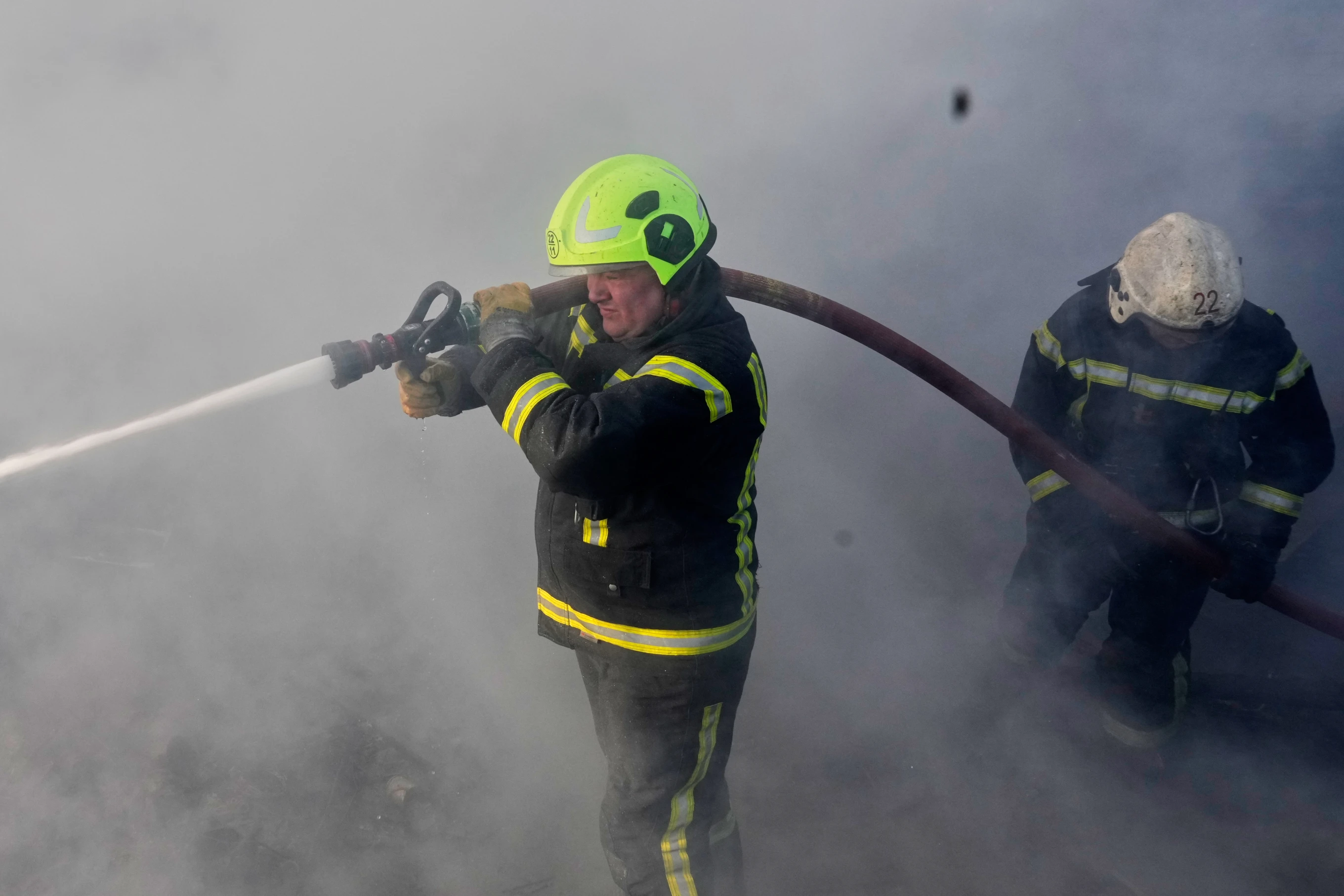
Russia’s strategy is clear. Moscow is increasing strikes on civilian infrastructure, energy facilities, residential districts and rear cities not only for direct destruction. It is trying to exhaust Ukrainian air defenses, force Kyiv to spend expensive interceptors, demoralize the population and show allies that their help is always arriving late.
Ukraine, in turn, is trying to change the balance asymmetrically. Its intensified drone strikes on Russian oil refineries, storage sites, military plants and logistics are moving part of the war inside Russia. This is no longer only an answer to the terror of Ukrainian cities. It is an attempt to hit the sources of Russia’s wartime endurance.
That is why the air-defense discussion in Paris is not defensive in the narrow sense. A missile shield for Ukraine is needed not only to protect civilians. It creates space for the economy, energy system, defense production and political stability. When cities are less dependent on the outcome of each Russian strike, the state gains more freedom to act at the front and in the rear.
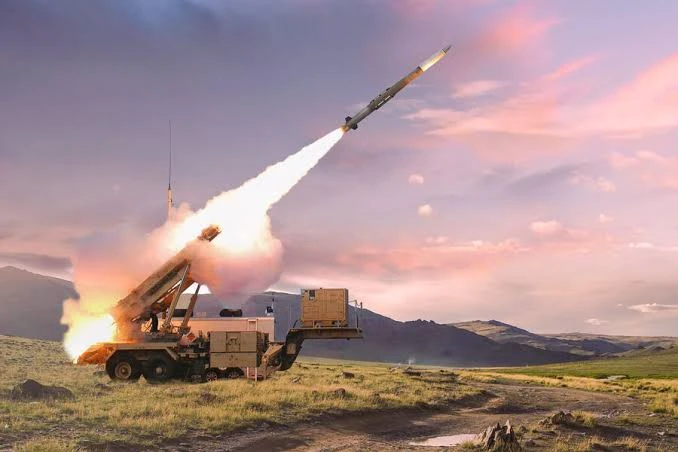
Three tracks will dominate the talks. The first is the search for additional American Patriot interceptors, still the most valuable resource against Russian ballistic missiles. The second is the wider deployment of the Franco-Italian SAMP-T system. The third is the development of a Ukrainian-European alternative known as FREYJA.
FREYJA could become one of the most important projects of the war’s next phase. It is an attempt to build a lower-cost European missile-defense tool that will not immediately replace Patriot, but could reduce Ukraine’s critical dependence on American supplies. For Kyiv, this is not a question of prestige. It is a matter of whether its defense system can survive a long war.
If the project receives formal political backing, it will signal that Europe is beginning to think not only in terms of transferring ready-made systems, but in terms of joint production. In such a model, Ukraine would not be a passive recipient of assistance, but a participant in development, testing and manufacturing. That would fundamentally change Kyiv’s role in the continent’s defense architecture.
Preparatory talks include countries with financial, technological or industrial weight: Italy, Germany, Sweden, Denmark, Norway and others. Alongside them are defense companies capable of working on radars, missiles, sensors, guidance systems and air-defense integration. This industrial level may prove more important than political language.
Europe’s problem is that its defense industry lived too long in peacetime mode. Production lines were designed for limited orders, slow contracts and modest stockpiles. The war in Ukraine destroyed that model. Air defense cannot be manufactured as a diplomatic gesture. It has to be produced as a consumable resource of a major war.
Ballistic missiles are especially dangerous because they create political pressure faster than the front line moves. A single strike on a residential block, hospital, railway station or energy hub immediately becomes an international event, a domestic trauma and a test for allies. If Ukraine cannot intercept such missiles, Russia gains a tool of coercion even without major breakthroughs on the ground.
That explains Zelenskyy’s renewed emphasis: sanctions against Russia, support packages, FREYJA and new production projects must all work at once. Weapons without economic pressure are not enough. Sanctions without air defense do not save cities. Diplomacy without the ability to stop missiles becomes only a pause between strikes.
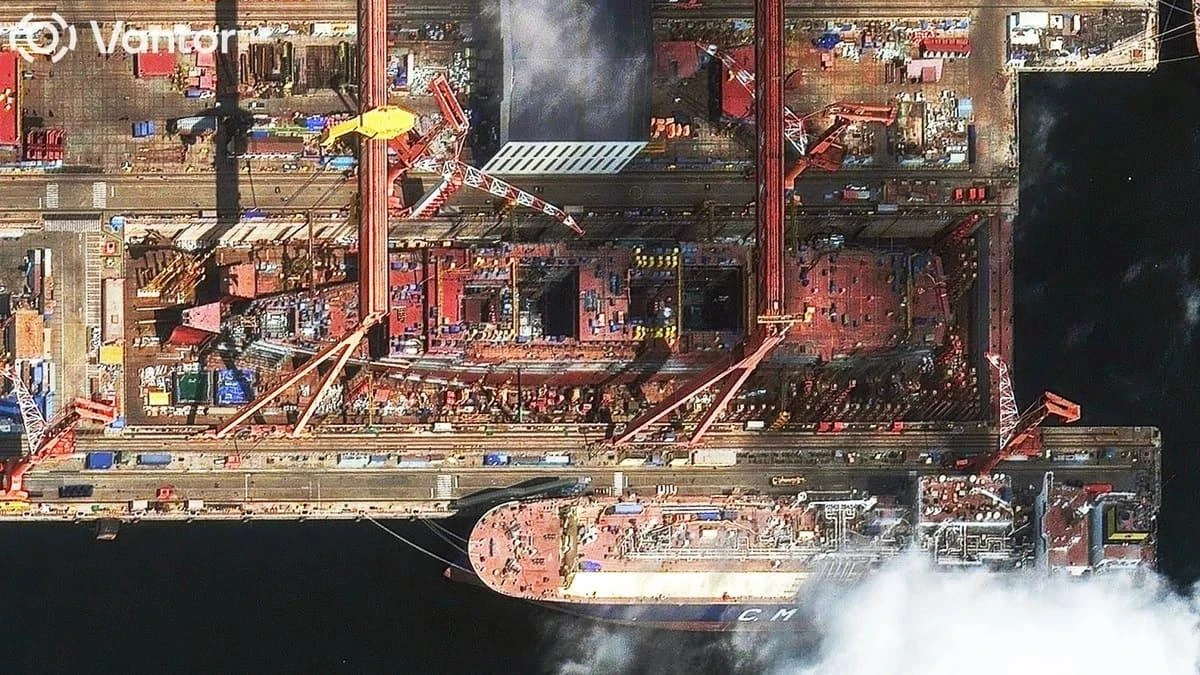
Paris will also address Russian revenues, especially the “shadow fleet” of tankers Moscow uses to evade oversight and move its oil. This is not separate from air defense. Every barrel Russia sells through opaque schemes can ultimately return to the front as missiles, drones, military salaries and purchased components.
The expected new European Union sanctions package is meant to intensify that pressure. But sanctions policy loses force unless it is accompanied by strict enforcement. Russia has long learned to use intermediaries, shell owners, aging vessels, altered routes and states that prefer not to ask difficult questions.
Another important issue will be the future multinational force for Ukraine. The idea is not only a symbolic allied presence after a possible agreement, but a real capacity to guarantee security on land, in the air, at sea and through training. That is why Paris may discuss joint exercises to test whether the concept can become practical.
This is a cautious but meaningful step. No one is speaking about holding exercises inside Ukraine now. But allies want to test mechanisms of coordination, command, logistics, training and readiness. Without such trials, any future guarantees will remain a political text rather than a military reality.
After the recent NATO summit, Paris is expected to continue the display of unity, but with more practical content. Ukraine does not need only communiqués about long-term support. It needs interceptors, production schedules, joint contracts, repair capacity, operator training and a clear plan for how to protect at least key cities and infrastructure.
For Europe, this is also a matter of its own security. If Russia sees that it can exhaust Ukrainian air defenses for years, attack cities and still maintain the ability to produce missiles, it will draw conclusions not only about Ukraine. It will draw conclusions about Europe’s readiness for a future conflict.
Ukraine has effectively become a testing ground for Europe’s missile-defense strategy. On its territory, not only Russian weapons are being tested, but the West’s capacity to respond. Every delay in interceptors, every shortage of batteries, every failure of production exposes weak points in the continent’s entire defense system.
At the same time, the battlefield is genuinely shifting. Ukrainian strikes inside Russia are forcing Moscow to spend resources defending its rear, moving systems, and protecting oil refineries, depots and military plants. This does not mean a rapid turning point. But it does mean the war is no longer a one-sided process of Russia destroying Ukrainian infrastructure.
This is the moment when allies must decide whether they will support that shift in momentum. If Ukraine receives a stronger missile shield, its offensive drone operations and defense of cities will begin to reinforce each other. If not, Russia will try to regain the initiative through mass strikes on the rear and the energy system.
Paris will not solve every problem in one day. But it can mark a new line: from residual aid to the creation of Ukraine’s long-term air defense as part of European security. This is no longer humanitarian support for a victim state. It is an investment in deterring Russia.
Ukraine is not asking allies to defend it instead of Ukrainians. It is asking for the tools that would allow it to endure a war of exhaustion. Russia’s ballistic missiles are aimed not only at homes and power plants. They are aimed at the belief of allies that Ukraine can be protected. Paris must turn that belief into metal, radars, interceptors and production lines.
If Europe can do that, FREYJA, SAMP-T and new Patriot supplies will become not separate system names, but elements of a new defense order. If it cannot, every future allied meeting will take place under the sound of the same missiles that could have been stopped earlier.