























Even if the Strait of Hormuz were to reopen without restrictions, the world would not wake up the next morning to a prewar energy reality. For the oil market, an open passage is only the first valve in a much larger system, where shut wells, damaged infrastructure, broken logistics, and the cost of maritime insurance matter no less than the fact of physical access itself.
That is why the latest conflicting signals from Tehran and Washington do not end the crisis. They merely push it into a different phase. A political gesture can knock down Brent futures, but it cannot immediately send tankers loaded with oil and gas to buyers across Asia and Europe. In energy, market psychology moves faster than physical supply.
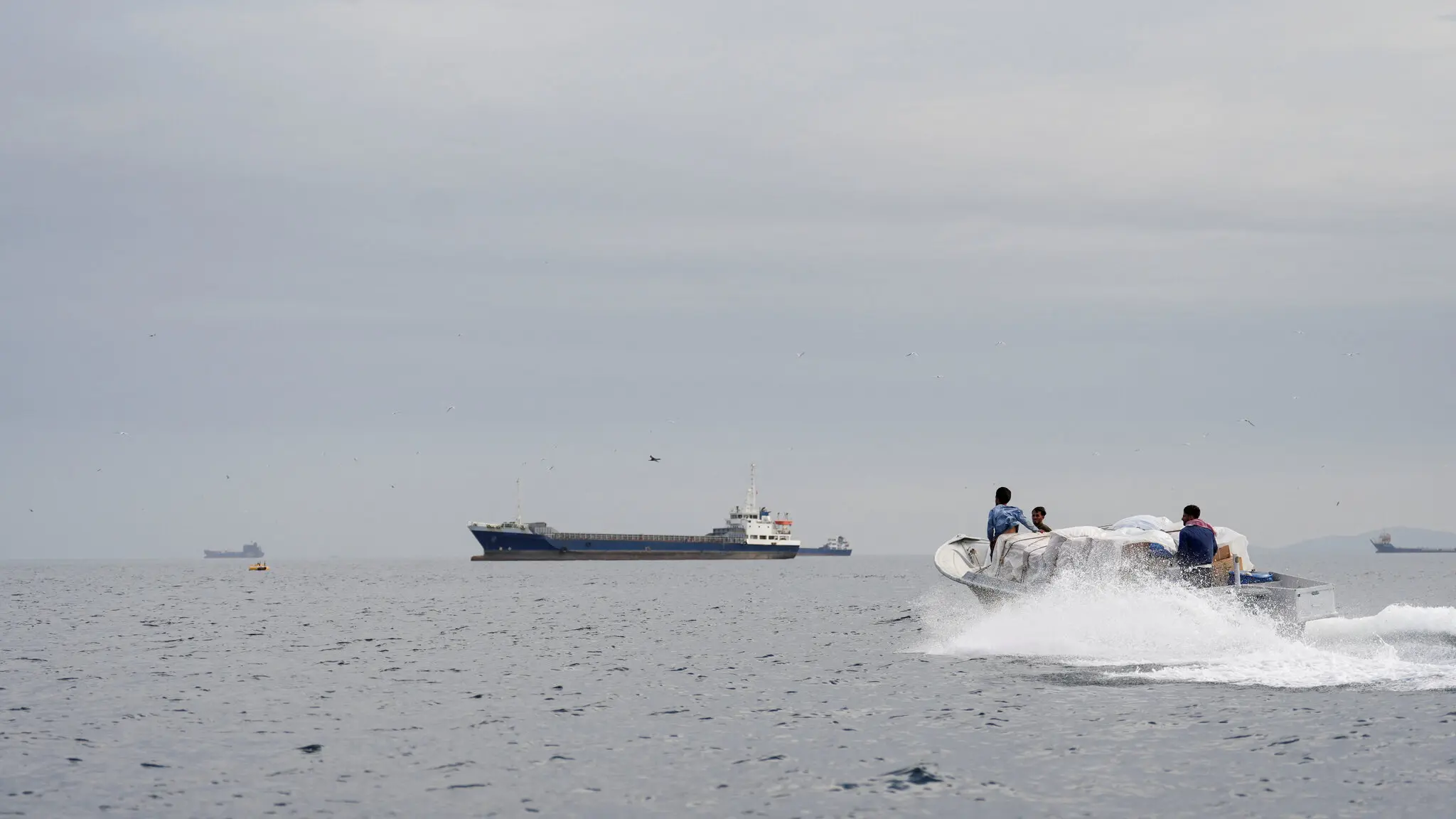
The central problem is that the Strait of Hormuz is not an on-off switch. It is a narrow, highly sensitive corridor between Iran and the Arabian Peninsula through which a significant share of the world’s crude oil, petroleum products, and liquefied gas flows. When passage through it becomes part of a wartime bargain, the market reacts not only to the formal status of shipping, but to whether carriers, traders, and insurers believe the new arrangement will last. As Daycom noted in earlier analysis, what matters to the energy market is not only whether the strait is open today, but whether it will still be safe a week from now.
That divergence is already visible on trading screens. The futures market can quickly price in hope of de-escalation, which is why Brent may fall on the back of diplomatic signals. But the spot market, where physical barrels are purchased for actual delivery, follows a harsher logic. It prices available tonnage, transit time, loading queues, attack risk, insurance costs, and the condition of export terminals. When spot prices remain well above futures, the message is simple: the shortage has not disappeared, even if financial markets are already trying to trade a future easing.
That leads to the main conclusion for consumers. Even a full reopening of the Strait of Hormuz would not bring gasoline rapidly back to prewar levels. The oil crisis has moved beyond the passage itself. Some tankers remain stranded in the Persian Gulf, some vessels are still not ready to return to the route, and producers are reluctant to restart shut oil and gas wells before they see rules that appear durable enough to trust. For the market, that means gasoline, jet fuel, and natural gas may remain expensive not simply because of limited reserves, but because predictability itself has been damaged.
Predictability, in fact, has become the scarcest commodity of all. Shipping companies cannot build schedules on mutually contradictory statements. When one Iranian official says the strait is fully open and the military almost immediately insists on “strict control,” no serious operator will treat that as a stable regime. The American position adds another layer of uncertainty: even if movement through the strait is formally eased, the blockade on vessels heading to or from Iranian ports keeps a central element of the crisis firmly in place.
That is why the market is watching not only the map, but the sequence of decisions. If tankers from Iran’s neighbors begin moving again under something like normal conditions, the world would feel the first real relief. Loaded vessels could head to buyers, empty ones could return for new cargoes, and storage tanks onshore would gain room for fresh production. But that mechanism does not restart in hours, or even in a few days. Global oil logistics work with delays, and every wartime pause first passes through a stage of distrust.
The story is even more difficult when it comes to physical damage. In recent weeks the war has hit not only flows, but the energy infrastructure of the region itself. Damaged facilities for production, refining, storage, and transport do not come back online through a political announcement. Even if the fighting subsides, restoring capacity will take months, and in some cases years. That means the current energy crisis is no longer only a crisis of passage through Hormuz. It has become a crisis of the region’s productive base.
At that point it becomes clear why reopening the strait would ease the situation only partially. It could calm the most acute panic, reduce speculative pressure on Brent, improve sentiment in the oil market, and unlock part of the trapped supply. But it would not automatically restore insurer confidence, repair damaged energy sites, offset lost production, or persuade companies to risk fleets they do not believe can operate safely under a lasting settlement.
For the global economy, the effect is likely to be prolonged. Asia and Europe may continue for some time to live with expensive energy, elevated volatility, and localized shortages. The most exposed segments will be those with lower inventories and slower import substitution: jet fuel, certain forms of gas, and feedstocks for petrochemicals. Even if the headline risk fades, the underlying price of energy is likely to retain a war premium for much longer.
A reopened Strait of Hormuz, then, would not resolve the crisis. It would only loosen its tightest knot. The real question now is not whether oil can physically move through a narrow maritime artery, but whether the region can once again become predictable for tankers, traders, insurers, and buyers. Until that answer becomes clearer, cheaper oil will remain more of a market hope than an economic reality.