






















Across the southern Ukrainian steppe, launch crews send attack drones into the sky from temporary field positions, then dismantle their equipment and leave within minutes. Hundreds of kilometers away, the targets include Russian cargo ships, tankers, floating cranes and energy infrastructure around occupied Crimea.
The campaign is turning the sea into an extension of the land front. Ukrainian unmanned systems once used mainly against military bases, warehouses and transport hubs are now striking shipping in the Sea of Azov and the Black Sea with increasing frequency.
Ukrainian units reported hitting more than 180 vessels and other maritime targets during three weeks in July. The precise scale of the damage remains difficult to establish, but the tempo alone points to the emergence of a sustained new theater of operations.
According to Daycom’s earlier analysis, the purpose is not simply to sink as many ships as possible. It is to destroy the predictability of Russian logistics, making every voyage slower, more expensive and more dangerous while turning Crimea from a protected rear base into a zone of permanent risk.
The peninsula remains one of the central hubs of Russia’s war effort. Troops, fuel, equipment and ammunition move through its ports, roads, railways and ferry terminals, forming a supply network that supports Russian forces across occupied southern Ukraine.
In recent months, Kyiv has systematically targeted the overland routes connecting Crimea with Russia and the occupied parts of the Zaporizhzhia and Kherson regions. Strikes on transport and energy infrastructure have already contributed to shortages of fuel, electricity and gas.
The pressure is now shifting toward maritime routes. As roads and railway lines become less reliable, Moscow is forced to move more cargo by sea. That creates additional targets in ports, straits and waters surrounding Crimea, where Ukrainian drones can challenge Russian control.
The effect has been especially visible in the Sea of Azov. Cargo from Russia’s southern grain-producing regions moves through ports linked to the Don River basin. The persistent threat of attack reduces safe navigation hours, complicates scheduling and forces operators to reconsider established routes.
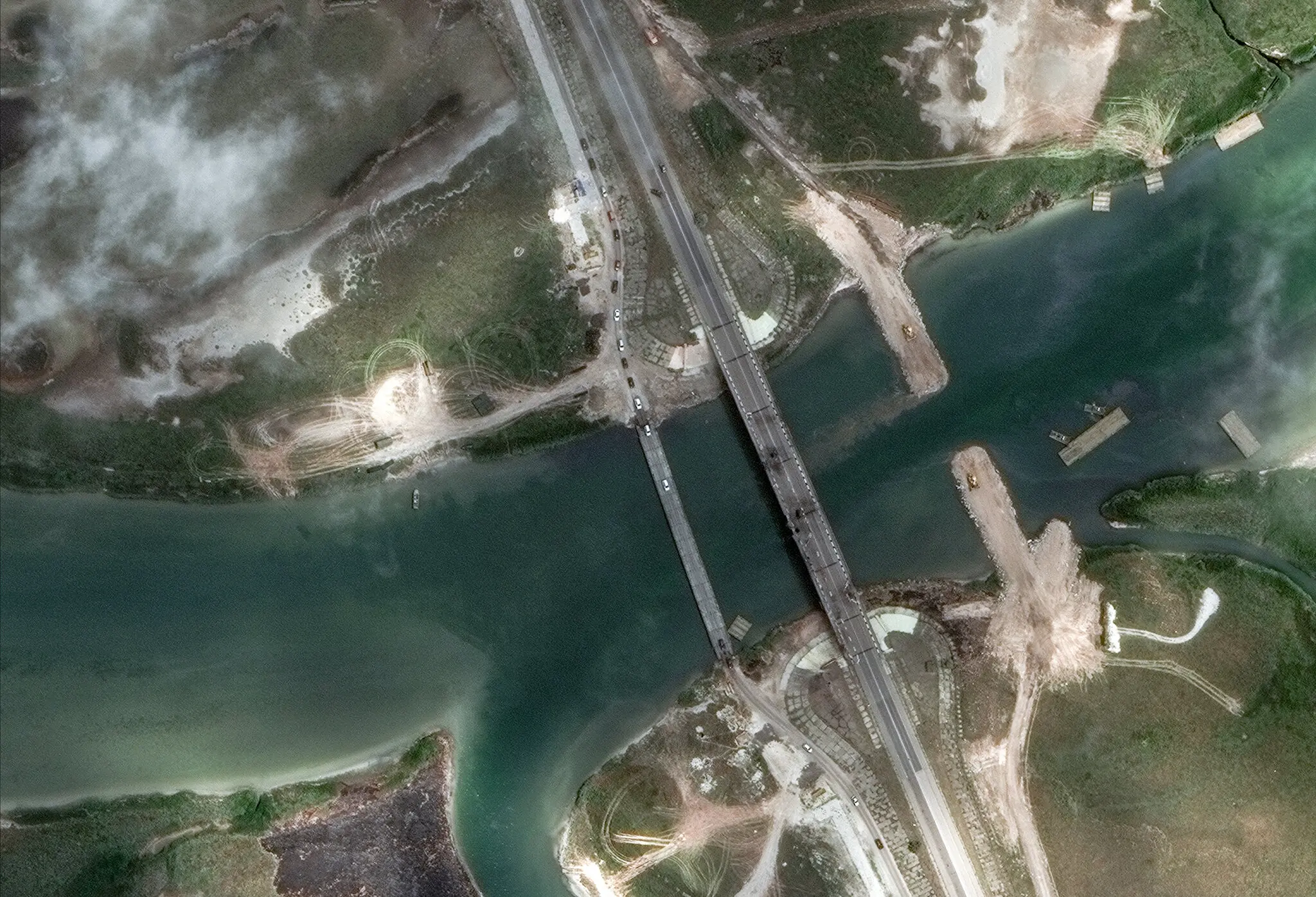
The Kerch ferry crossing between Crimea and Russia’s Krasnodar region has become another focus of pressure. Ukrainian forces say its capacity has fallen by roughly three-quarters. Even a partial disruption increases the burden on every remaining supply route.
The campaign has been named “Molochko,” a play on the Russian word for milk that also encodes a slogan suggesting that Moscow will collapse because of Crimea. Behind the irony lies a practical objective: to make the occupation increasingly costly for Russia’s military and economy.
The 414th Separate Unmanned Strike Aviation Systems Brigade, known as Magyar’s Birds, is among the principal units involved. Its crews work around the clock, launching aircraft from concealed locations far behind the front. The operation is measured not in occasional missions but in daily waves of strikes.
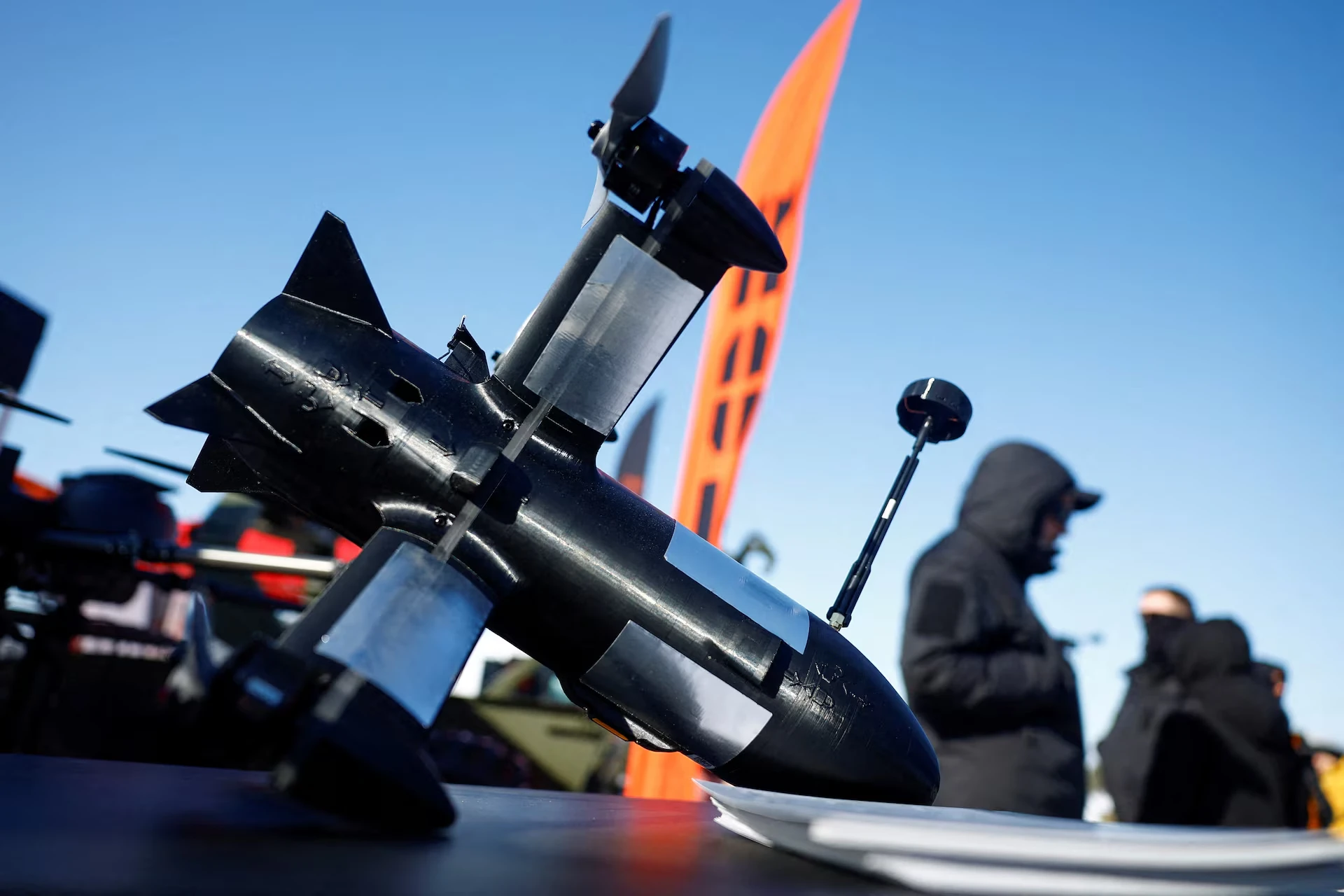
The Ukrainian-built FP-1 and FP-2 drones can fly much of their route automatically before remote pilots assume control for the final approach. This combination of range and precision allows them to attack moving or complex targets that cannot easily be struck using fixed coordinates alone.
The aircraft are launched from catapults, sometimes with the help of small jet boosters. Minutes later, the crews pack up and move. Reusing a launch site would be too dangerous because Russian surveillance systems search for vehicles, antennas, personnel and the distinctive signatures of a drone launch.
Technology does not remove the danger; it changes its form. Operating more than 100 kilometers behind the front makes Ukrainian teams harder to locate, but every mission leaves electronic and visual traces that Russian forces try to convert into targeting data.
The result is a continuous contest of measures and countermeasures. Ukraine improves range, autonomy and communications resilience. Russia expands electronic warfare, air defenses and aerial reconnaissance. Any advantage lasts only until the opposing side develops an answer.
The maritime campaign also has a powerful psychological dimension. Russia’s superiority in the Black Sea once appeared structural, resting on a larger fleet, naval bases, control of Crimea and extensive coastal infrastructure. Ukrainian attacks are steadily dismantling the assumption that this system is untouchable.
The first phase pushed much of the Russian Black Sea Fleet away from Sevastopol. The next seeks to constrain not only warships but the entire transport network supporting the occupation. Ukraine is moving from isolated attacks toward systematic maritime attrition.
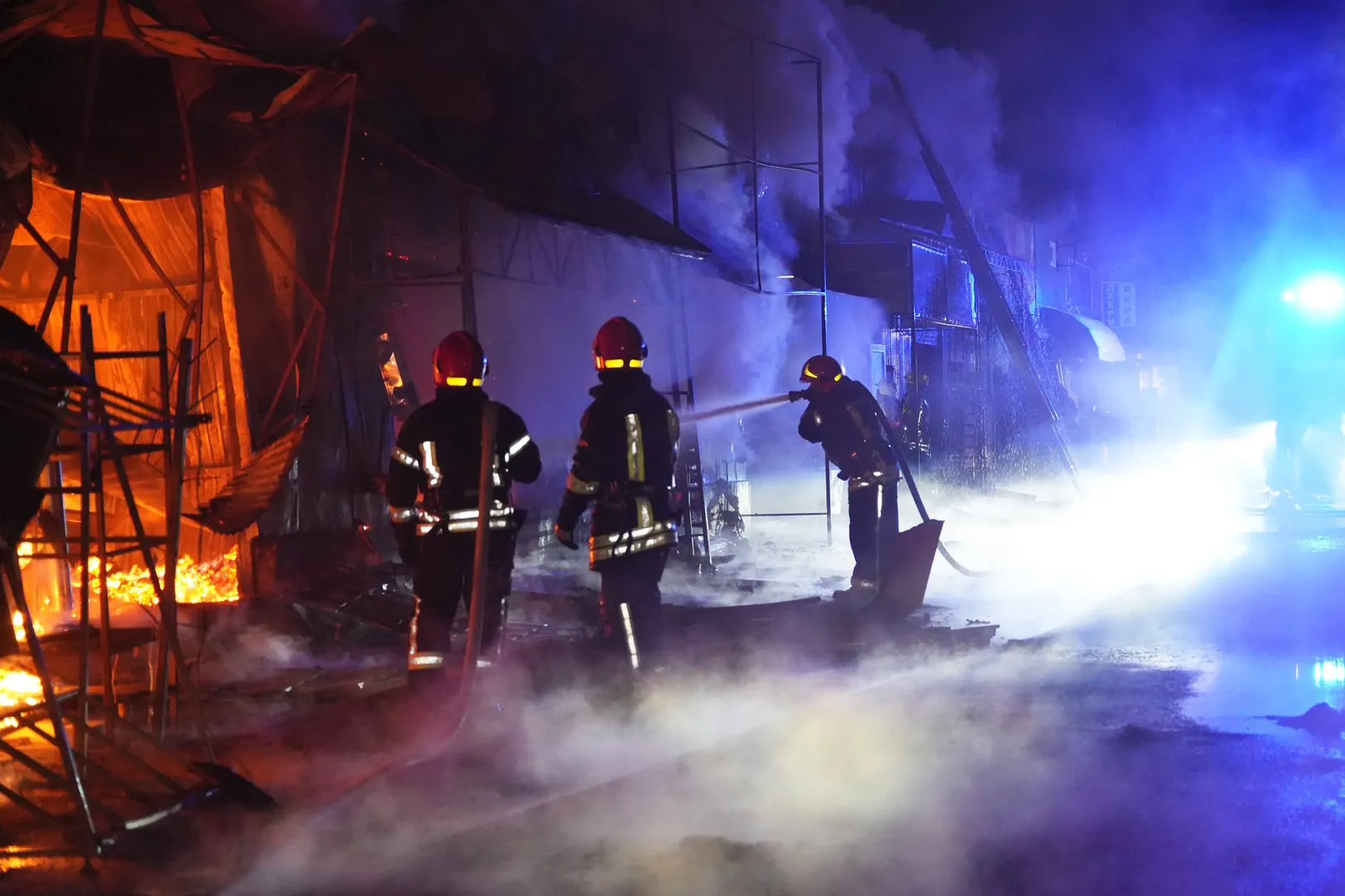
The sea war, however, runs in both directions. Russia has intensified strikes on Odesa, Mykolaiv, port infrastructure and international merchant vessels. The rise in attacks during July led some shipowners to suspend arrivals at Ukrainian ports temporarily.
Ten sailors were killed when Russian forces struck a Guinea-Bissau-flagged vessel carrying corn from Odesa. Such attacks are aimed not only at individual ships and cargoes, but also at confidence in Ukraine’s maritime export corridor.
That confidence is vital to the Ukrainian economy. More than 90 percent of the country’s seaborne grain and vegetable oil exports pass through ports in the Odesa region. Agricultural products remain Ukraine’s largest source of foreign-currency earnings, so higher insurance premiums or reduced vessel traffic have immediate national consequences.
Both sides are therefore trying to impose the same problem on the other: turning port logistics into a zone of uncertainty. Ukraine targets Russian routes serving Crimea, while Russia attacks Ukrainian exports and civilian shipping.
The strategic asymmetry is important. Russia has greater resources, a larger fleet and more extensive coastal infrastructure, but it must defend a broad network of ports, ferry crossings and trade routes. Ukraine has fewer assets, yet it can concentrate them against the most vulnerable nodes.
Drones have become Kyiv’s principal tool for narrowing that imbalance. They do not replace warships or establish full control of the sea, but they can deny uncontested control to the enemy. Russian vessels may still sail, but they can no longer assume that their routes are safe.
The campaign around Crimea illustrates how modern warfare has altered the meaning of control. Holding territory no longer guarantees control of the surrounding operational space. A port may remain in Russian hands while its activity depends on air-raid alerts, drone defenses, electricity supplies and crews willing to accept greater risk.
For Ukraine, the central challenge is not achieving one dramatic success but sustaining the tempo. A campaign of this intensity requires large-scale production of FP-1 and FP-2 drones, reliable access to components, trained pilots, accurate intelligence and rapid assessment of strike results.
If Ukraine can maintain that pressure, Moscow will have to devote more resources to protecting the rear rather than reinforcing the front. Air-defense batteries, patrol vessels, electronic-warfare systems and repair crews will need to be dispersed across Crimea, the Sea of Azov, Novorossiysk and other ports.
Ukraine does not control the Black Sea. But it has demonstrated that Russia cannot control it without challenge either. In a war where front lines often move slowly, the erosion of certainty can itself become a strategic gain: the sea remains open, but for Russian shipping it looks increasingly less like a secure rear area.