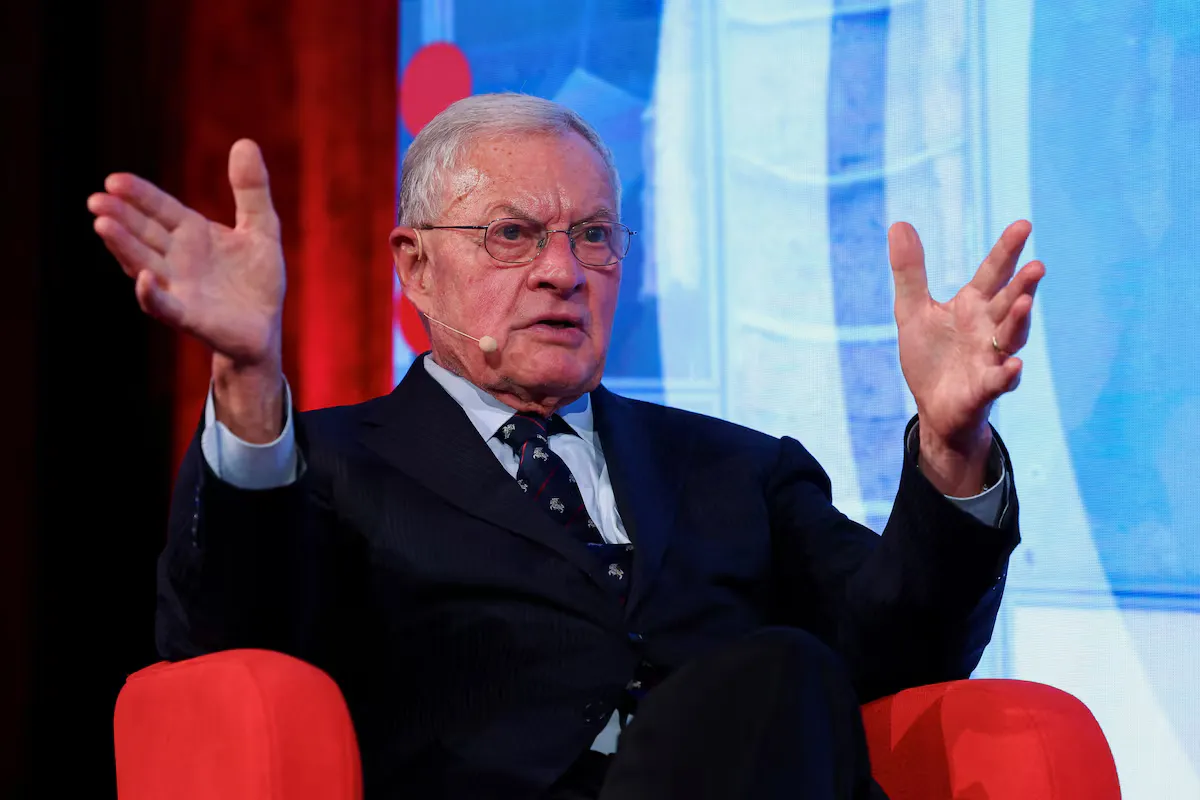























When U.S. Energy Secretary Chris Wright acknowledges that gasoline may not fall below $3 a gallon this year, and possibly not until 2027, that is no longer a technical adjustment to a forecast. It is the moment when the administration effectively begins abandoning one of its most convenient political illusions: that the energy shock from the war with Iran would be short, manageable, and barely visible to the American voter. In March, Wright was still talking about “weeks.” Now he is talking about an open-ended horizon. That is the real shift here — not only in the market, but in the political language of the government.
The numbers make that retreat harder to disguise. Before the war, national gasoline prices were below the symbolic $3 threshold. Now they remain well above it, and even if the market has edged down from its peak, consumers are no longer experiencing this as a brief spike. It is starting to feel like a new baseline. That is why Wright’s claim that prices have “likely peaked” does not sound reassuring. It sounds like an effort to lower expectations.
The White House’s problem is that gasoline in the United States is not just another commodity. It is a daily referendum on competence. Inflation can be buried in statistical releases, and market indexes can remain abstract to most households. But the price on a gas station sign is immediate, visual, and politically unforgiving. It needs no briefing note. That is why any administration that comes to power promising a cheaper everyday life is eventually judged by it. And that is why admitting that the return to the psychologically important $3 level could take far longer than promised strikes at Trump more directly than it does at the Energy Department itself.
As Daycom noted in earlier analysis, the most dangerous moment for a government comes when a temporary explanation begins to sound like a long-term excuse. That is exactly what is happening now. At first, the administration framed the energy shock as a brief disruption that Americans simply needed to ride out. Now it is, in effect, asking voters to get used to the possibility that expensive fuel may remain part of the landscape not for weeks, but for political seasons. That shift does more than frustrate. It erodes confidence in the broader claim that the people in charge know what they are doing.
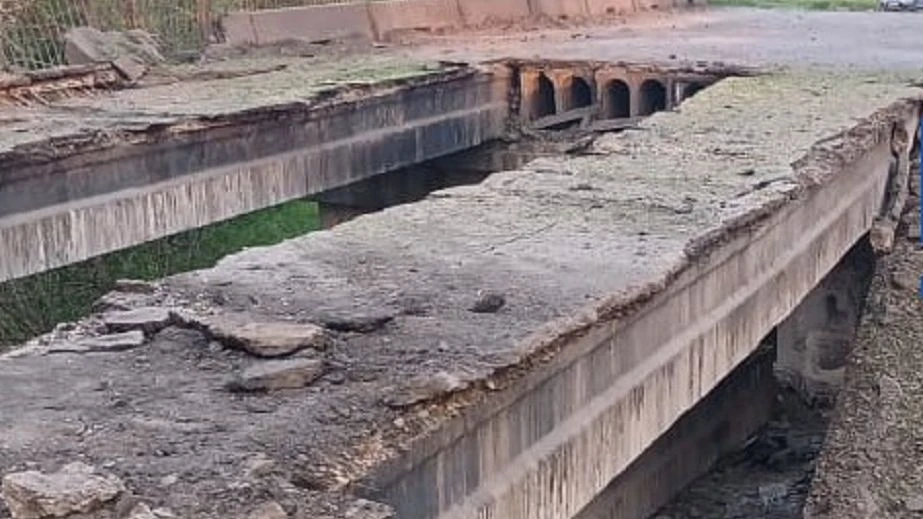
The reason for this reversal is not reducible to one decision or one mistake. Oil markets move more slowly than politics. Even if some shipping resumes through the Strait of Hormuz, that does not automatically restore prewar pricing dynamics. Between a declaration of de-escalation and a cheaper gallon at the pump stand insurance premiums, freight rates, delayed shipments, anxious traders, underused refineries, and damaged energy infrastructure. In other words, even if the immediate panic fades, the underlying mechanics of supply remain strained.
That is why Wright is saying something politically painful but structurally logical: even if the peak has passed, the decline is likely to be slow. The oil industry has long lived by a familiar rule of thumb — prices rise like a rocket and fall like a feather. For politics, that asymmetry is brutal. Voters remember the shock, not the gradual correction. If gasoline jumped by more than a dollar in a matter of weeks, a decline of a few cents does not register as recovery. It registers as minor relief after a major hit.
This is where Trump’s deeper problem begins. His political brand is built on the promise of quick, emphatic results and on the image of a leader who can break through systemic inertia almost by force of will. But energy markets do not work that way. They do not bend to the logic of televised certainty. If the president promises that prices will drop quickly, and his own energy secretary six weeks later concedes that it could take a year or more, then it is not just one forecast that collapses. It is the larger aura of political omnipotence on which Trumpism depends.
That is especially dangerous heading into the midterm cycle. For Republicans, high energy prices are not just an economic challenge. They are a universal accelerant of dissatisfaction. When gasoline becomes more expensive, so do transport, deliveries, goods, and the broader public feeling about the future. In that environment, every candidate from the governing party ends up answering not only for the war, but for the supermarket receipt and the commute to work. Democrats already understand this. Their line of attack is becoming increasingly simple: the administration has no real plan to lower prices quickly or to get out of the trap it helped create.
There is also a deeper layer to the story. Wright’s comments suggest that the administration is moving from promising rapid relief to managing adaptation. That is a subtle but decisive shift. The first posture says: we will restore normality soon. The second says: normality has already changed, and you will have to live inside new price levels. For any government, that transition is dangerous, because it quietly converts a crisis from an external shock into an internal responsibility.
That is why this was more than just another Sunday television appearance. It marked the point at which the administration stopped selling a quick resolution and started preparing the country for a longer period of energy strain. In that sense, gasoline prices are no longer just a market indicator. They are becoming a test of political credibility. The peak may indeed be behind us. But if expensive fuel remains with Americans for months, or longer, voters are unlikely to remember what the White House said would happen eventually. They will remember that they were told it would happen soon.