






















The argument in Berlin is not only about Iran. It is about how much alarm a democratic state should voice when a threat has moved beyond theory but has not yet become an attack, an arrest or a national trauma.
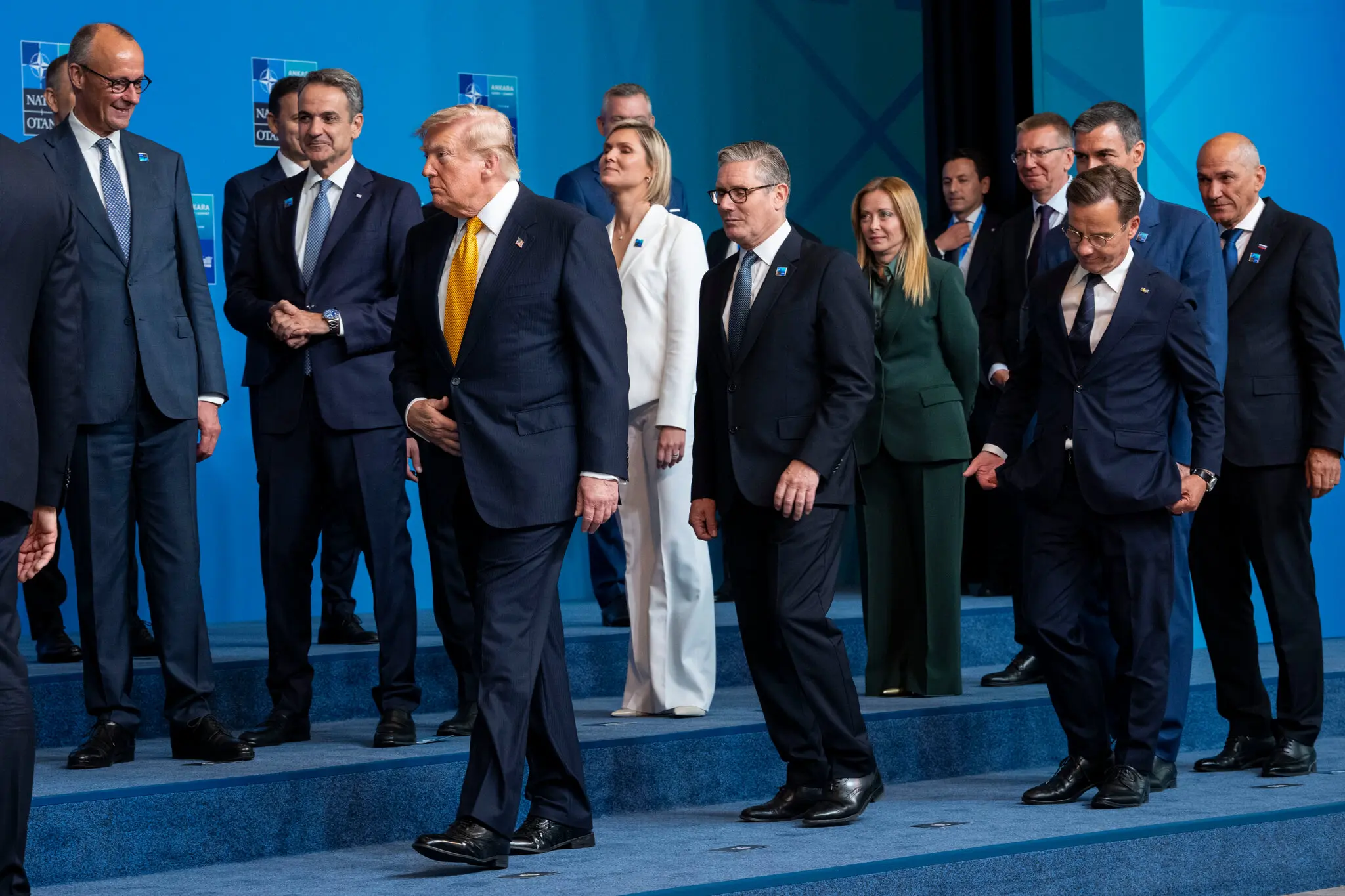
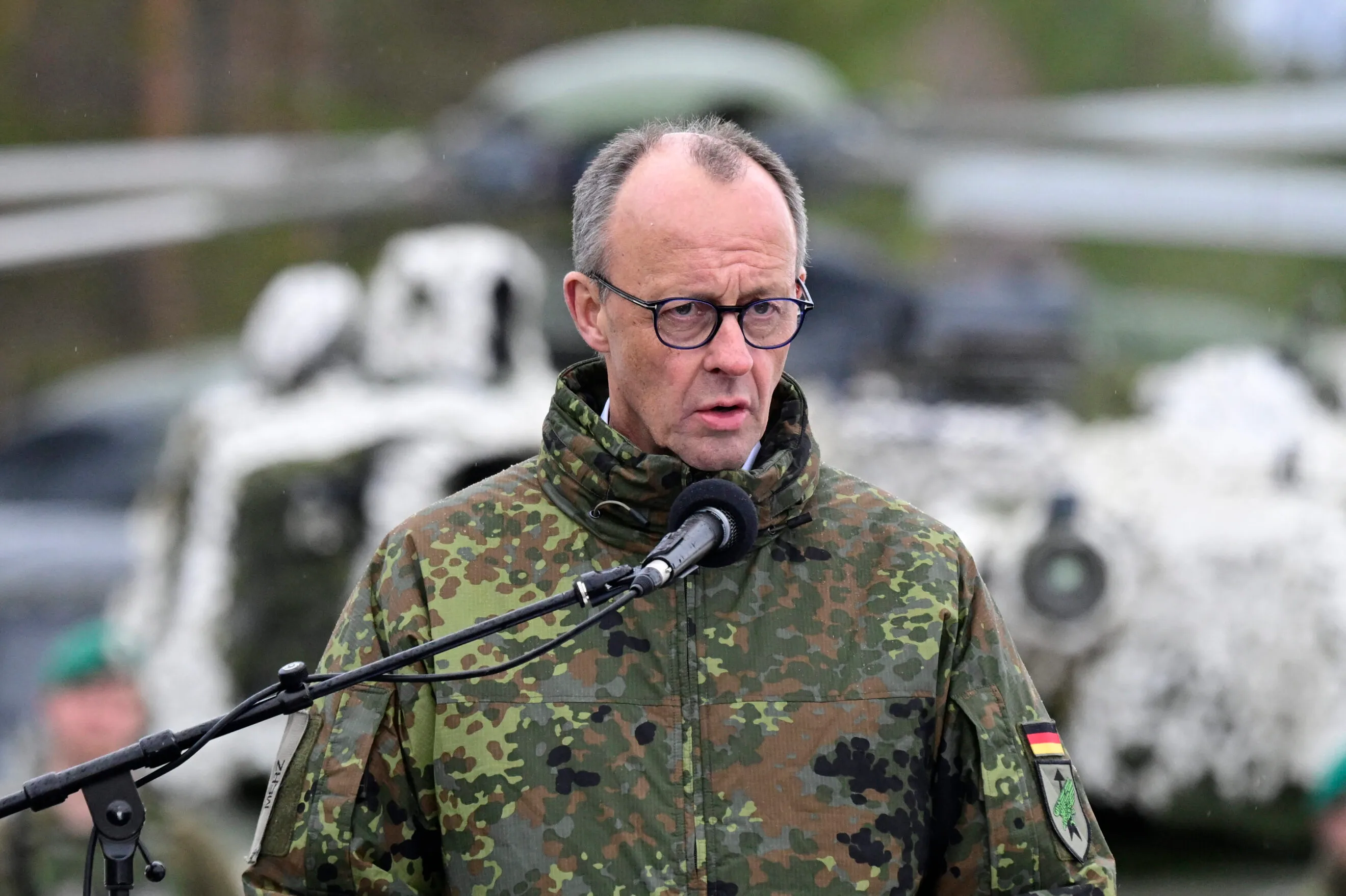
Chancellor Friedrich Merz and Interior Minister Alexander Dobrindt have chosen the language of restraint. They acknowledge that the war has increased risks for Germany, but they have avoided presenting those risks as an immediate domestic emergency.
Their caution has a logic of its own. The government does not want to spread fear, encourage copycat attacks or give Tehran proof that psychological pressure is working. Yet inside parts of Germany’s intelligence system, that caution looks increasingly thin.
Daycom’s assessment is that the real divide is not between panic and calm. It is between two forms of state responsibility: politicians seek to preserve public stability, while intelligence officials try to protect the narrow space in which an attack can still be prevented.
The concern is especially sharp among regional security agencies. They operate closer to the actual targets: synagogues, Jewish community centers, Israeli-linked institutions, American sites, restaurants, demonstrations and dissidents who may be vulnerable to intimidation.
For the federal government in Berlin, the Iranian threat often sits inside a larger diplomatic picture. For state-level intelligence officials, it has an address, a patrol route, a protest schedule, a glass entrance, a list of activists and possible criminal intermediaries.
The war against Iran has changed Germany’s position. Berlin does not control the pace of the conflict or the terms on which it may end, but it provides important infrastructure support to its allies. For Tehran, that may be enough to see Germany not as a bystander, but as part of a hostile rear line.
Iran’s response in Europe is unlikely to resemble a direct state strike. The more plausible scenario is a hybrid campaign: arson, explosive devices, cyberattacks, sabotage, surveillance, intimidation of exiles and the use of proxies whose links to Tehran are hard to prove.
That gray zone is what makes the threat difficult. It does not require a large network of professional agents. A few recruited operatives, money, blackmail, criminal contacts or pressure on relatives in Iran may be enough to turn political hostility into physical risk.
German counterintelligence has long viewed Iran as a state actor that uses espionage, influence operations, surveillance of emigrants and cyber activity. The war has not created this problem from nothing. It has raised the temperature of a risk system that was already active.
The most sensitive targets are Jewish institutions. In Germany, their protection carries not only operational but historical weight. Any misreading of the threat there would not be merely a security failure; it would become a political and moral wound.
Iranian exiles are another vulnerable group: activists, journalists, opposition figures and participants in anti-regime protests. For Tehran, they are not simply critics abroad. They are symbols of lost control. Pressure on them is part of a broader pattern of transnational repression.
Such pressure rarely looks dramatic at first. It may begin with surveillance at a demonstration, a phone call, a reference to relatives still in Iran, a threat against family members or a sudden assault after a political gathering. Authoritarian power can cross borders without formally announcing an operation.
The growing connection between Iranian networks and organized crime adds another layer of concern. Criminal intermediaries offer Tehran two advantages: they reduce the cost of an operation and make direct responsibility harder to establish. The more links between sponsor and attacker, the easier denial becomes.
The method echoes patterns Europe has already seen in Russian hybrid warfare: proxy networks, expendable operatives, small acts of sabotage, tests of police response and pressure on symbolic targets. The Iranian track is different because it is more closely tied to the Middle East, diaspora politics and Jewish security.
For Merz, the dilemma is politically uncomfortable. If he speaks too forcefully, he may deepen public anxiety and create the impression that the state is losing control. If he speaks too softly, he may send the opposite but equally dangerous signal: that the threat remains distant, abstract and outside German streets.
Intelligence officials think in different terms. They are less concerned with the tone of a press conference than with the chance to stop a specific act. They want guards, communities, municipalities, protest organizers and potential targets to understand that the danger is neither theoretical nor postponed indefinitely.
That is the core fracture. Political leaders manage the mood of a country; intelligence agencies manage the probability of an attack. One side fears the overmobilization of fear. The other fears the undermobilization of attention. Both positions are rational, but the cost of being wrong is not the same.
Germany is entering a period in which foreign wars increasingly echo at home not through a front line, but through exposed urban spaces. A restaurant, cultural center, rally, bank building, Jewish school or dissident’s apartment can become an extension of a conflict formally fought far from Europe.
The question, then, is no longer only how serious the Iranian threat is today. It is whether the German state can speak about hybrid danger with precision: without panic, but also without comforting blindness. In wars of this kind, silence can sometimes protect. Sometimes it leaves the door open.