





















Germany, long the industrial engine of Europe, is entering a phase in which its old model no longer holds. The export system built on cars, machinery, and global demand is faltering. Growth has slowed to levels unseen since the postwar era, while pressure from China and weakening demand are hitting core sectors. Berlin’s response is unusually stark: to change the very nature of its industrial base.
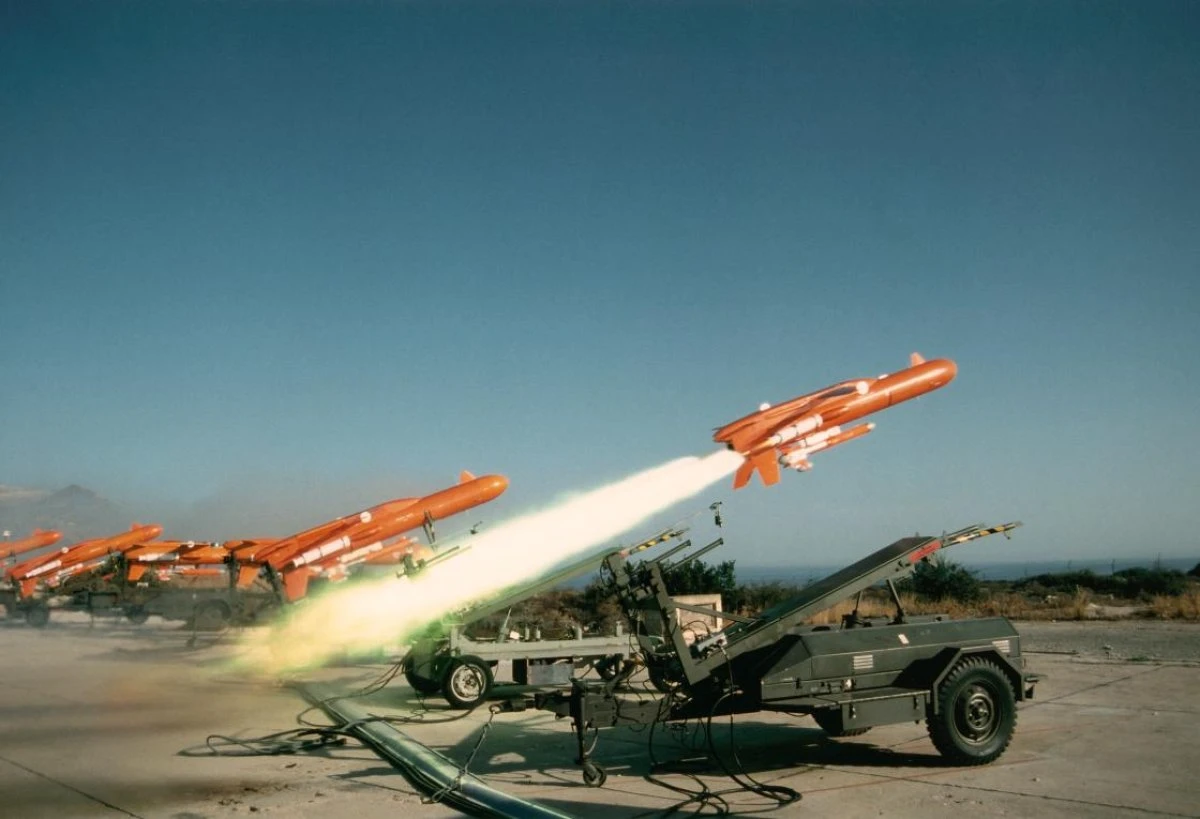
The direction of that shift is clear—from civilian manufacturing toward defense production. Where cars and precision engineering for global markets once dominated, military output is steadily gaining ground. This is not simply a matter of higher defense spending. It is a structural transformation: factories are being repurposed, workers retrained, and investment redirected.
It is telling that the automotive industry—the former backbone of Germany’s economic success—is now becoming a reservoir for this transition. Falling demand for cars, intensified by the shift to electric vehicles and competition from Asia, is freeing up capacity that both government and industry are channeling into defense. According to Daycom’s earlier analysis, this is no longer an adjustment to market conditions but a shift in economic identity: for the first time in decades, Germany is attempting to convert industrial decline into military capability.
The process extends far beyond individual contracts or rearmament programs. What is emerging is a different type of economy, one in which defense manufacturing becomes a central engine of growth. That implies long production cycles, guaranteed state orders, a new investment structure, and an expanded role for government as the primary customer. Such a model is less dependent on global demand, but far more tied to political decisions and the trajectory of security threats.
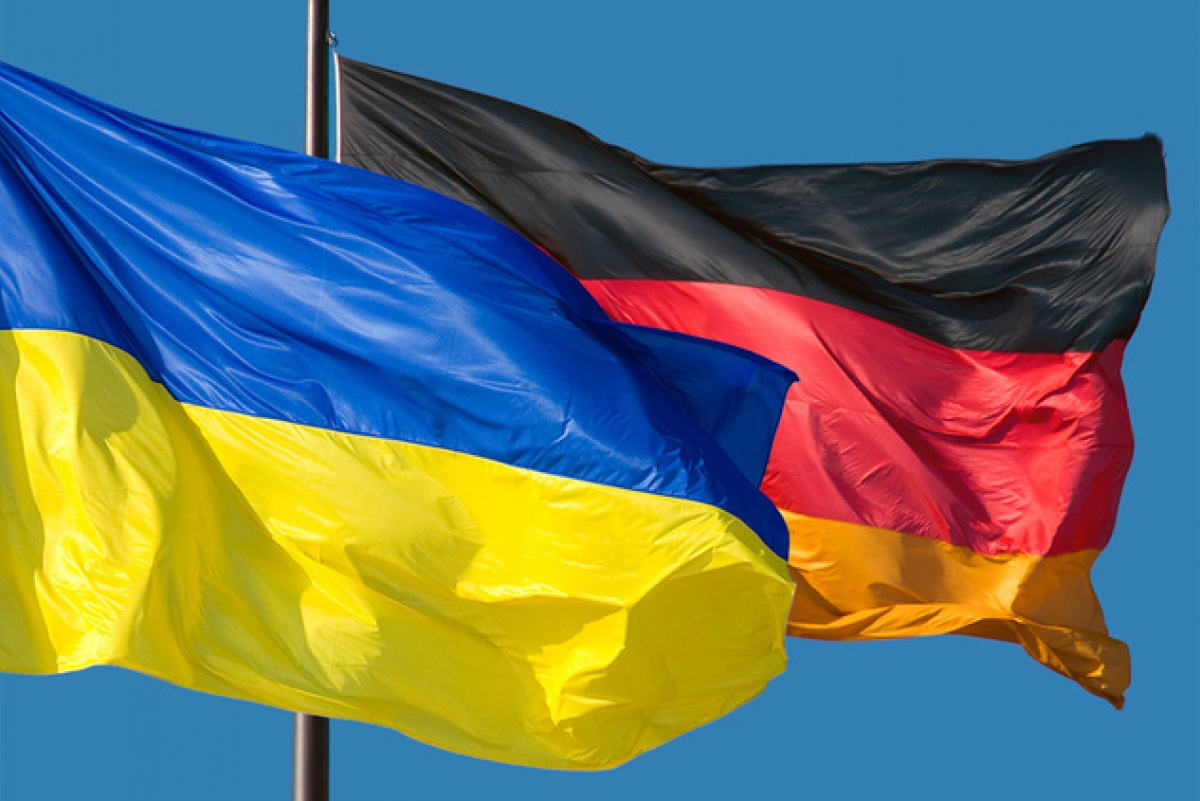
This turn did not emerge in isolation. Russia’s full-scale war against Ukraine forced Europe to reassess its defense capacity, and for Germany it meant not only higher military spending but a rapid expansion of arms production. The country faced a choice: remain within the old economic logic and risk decline, or use the crisis as a point of reset.
Berlin has chosen the latter. The conversion of factories that once produced civilian goods into facilities supporting military demand is reshaping not only production, but the labor market. Engineers, technicians, and skilled workers are being drawn into a system where demand is driven less by consumers than by security needs. That brings a different kind of stability—but also a different dependency, as the economy becomes more sensitive to geopolitics than to traditional market cycles.
At the same time, the shift carries structural risks. Making defense industry a primary growth driver can lock an economy into a state of sustained tension. When demand for weapons becomes systemic, it begins to shape political and economic incentives in ways that are difficult to reverse. In such a model, peace ceases to be economically neutral.
There is also a broader European dimension. Germany is positioning itself as the main industrial hub for the continent’s rearmament. That signals a shift in the internal balance of the European Union: a country that once led through economic integration may now lead through defense production. The implications extend beyond economics into political influence and strategic weight.
For business, the transition offers a way to offset losses in traditional sectors. For the state, it provides a means to align economic recovery with security priorities. But for society, the change is more complex. Germany, which built its postwar identity on demilitarization and economic development, is gradually accepting a different role.
The central conclusion is stark. This is not a temporary response to crisis, but a long-term pivot. Germany can no longer rely solely on exports and industrial efficiency as the foundation of its influence. It is moving toward a model that integrates economic and military power into a single system.
If that transformation is completed, Europe will gain more than a stronger defense. It will inherit a new economic reality—one in which factories that once produced cars for global markets are reoriented toward sustaining a prolonged security architecture across the continent.