




















The Strait of Hormuz has long been more than a narrow stretch of water between Iran and Oman. It is one of the central chokepoints of the global energy system, a corridor through which vast volumes of oil, gas and related trade move every day. For Asian buyers, for shipping markets and for global inflation alike, this is not abstract geopolitics. It is a question of whether energy can move at all, and at what cost.
That is why Tehran’s latest initiative matters beyond the language of escalation. After weeks of war, traffic through the strait has already thinned, vessels have been delayed in regional waters, insurance risks have risen, and the passage itself has shifted from a commercial artery into a zone of permanent uncertainty. When movement through a corridor like Hormuz begins to depend less on navigation than on political permission, the consequences stop being regional almost at once.
The danger lies not only in the word “toll.” A full closure of the strait would be a crude act of coercion and would likely trigger a rapid international response. Charging for passage is a subtler instrument. It allows Iran to frame pressure as administration: not a blockade, but a fee; not denial, but a security service; not disruption, but regulated access. In that form, coercion acquires the appearance of procedure.
In Deikom’s assessment, that is the heart of the risk. Iran is not simply threatening shipping. It is testing whether an international waterway can be recast as a space in which Tehran decides who moves, when they move and on what terms. That is a far more consequential ambition than a temporary show of force. It suggests an effort to alter the language of control itself.
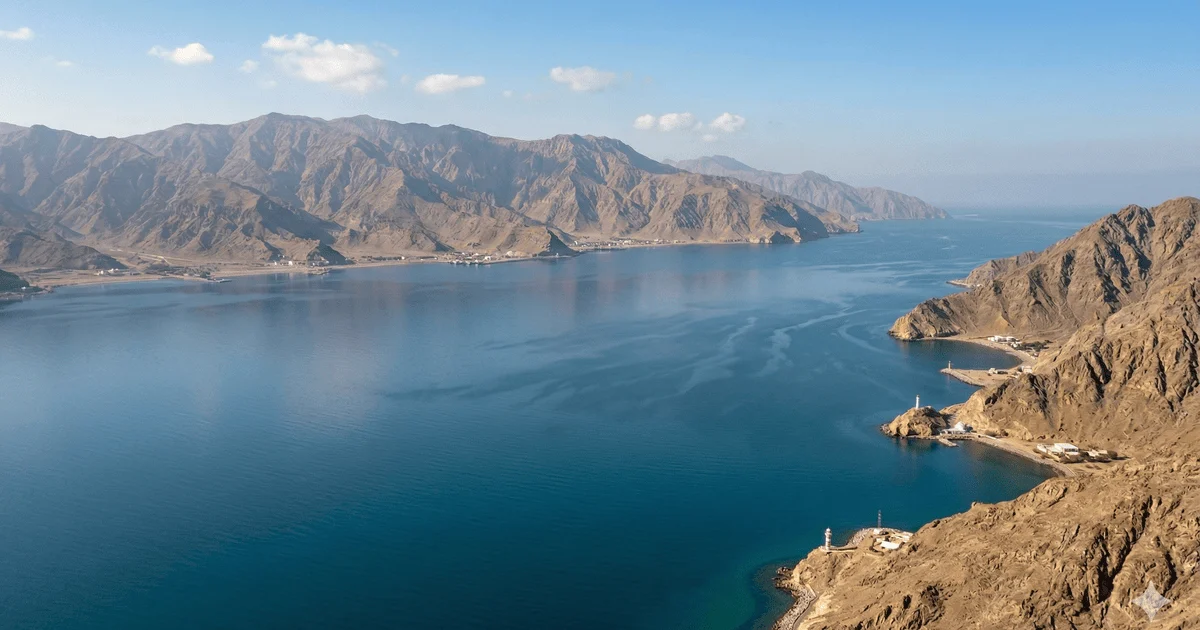
Legally, this is where the issue becomes explosive. International straits do not function as private infrastructure belonging to whichever coastal state is best positioned to intimidate traffic. They exist within a wider maritime order built on passage, predictability and the presumption that transit cannot be transformed into political tribute. Any unilateral attempt to impose fees in such a corridor is therefore more than a wartime maneuver. It is a bid to revise the rules through pressure.
But the legal dispute is only the surface. Beneath it lies the problem of precedent. If the world accepts that a state can monetize passage through an international strait in the middle of a conflict, then Hormuz ceases to be a singular crisis. It becomes a template. Suez, Bab el-Mandeb, Malacca and other strategic chokepoints begin to look less like shared arteries of trade and more like future instruments of leverage, filtering and rent extraction.
The economic effects of such a shift would run deeper than a spike in oil prices. Instability in Hormuz feeds directly into shipping costs, insurance premiums, delivery times, commodity markets and broader inflation risk. What appears at first to be a regional confrontation can quickly become a global tax on movement. The price is paid not only by tankers in the Gulf, but by consumers, manufacturers and fragile economies far beyond it.
What makes the toll idea particularly dangerous is that it works differently from a missile. A missile destroys a tanker, a berth or a terminal. A toll degrades a principle. It moves the crisis out of the realm of a violent episode and into the realm of institutional redesign. That is why the proposal is more serious than it may first sound. It attempts to turn an exception into a system, and extortion into an administrative model.
For Washington and its allies, this creates a more complicated challenge than a single attack at sea. Military escorts, deterrent deployments and retaliatory threats can answer open violence. They are less well suited to a scenario in which Iran tries to formalize pressure as quasi-legal management of maritime access. At that point, the dispute is no longer only about the current war. It becomes a struggle over who gets to define the rules of movement through one of the world’s most consequential trade corridors.
That is why this initiative matters beyond the headlines. It is not only an attempt to profit from crisis, nor simply another layer of pressure on the West. It is an effort to build conflict into the infrastructure of global circulation itself — to make war not a temporary disruption of trade, but a standing condition of passage.
If that logic takes hold, Hormuz will stop being merely a route through which oil, gas and shipping flows pass. It will become a model of a harsher world, one in which key waterways no longer guarantee movement but sell it under threat. For global trade, that is more dangerous than any one-day market shock. It would suggest that the era of open passage is giving way, slowly and visibly, to an era in which access itself becomes a weapon.