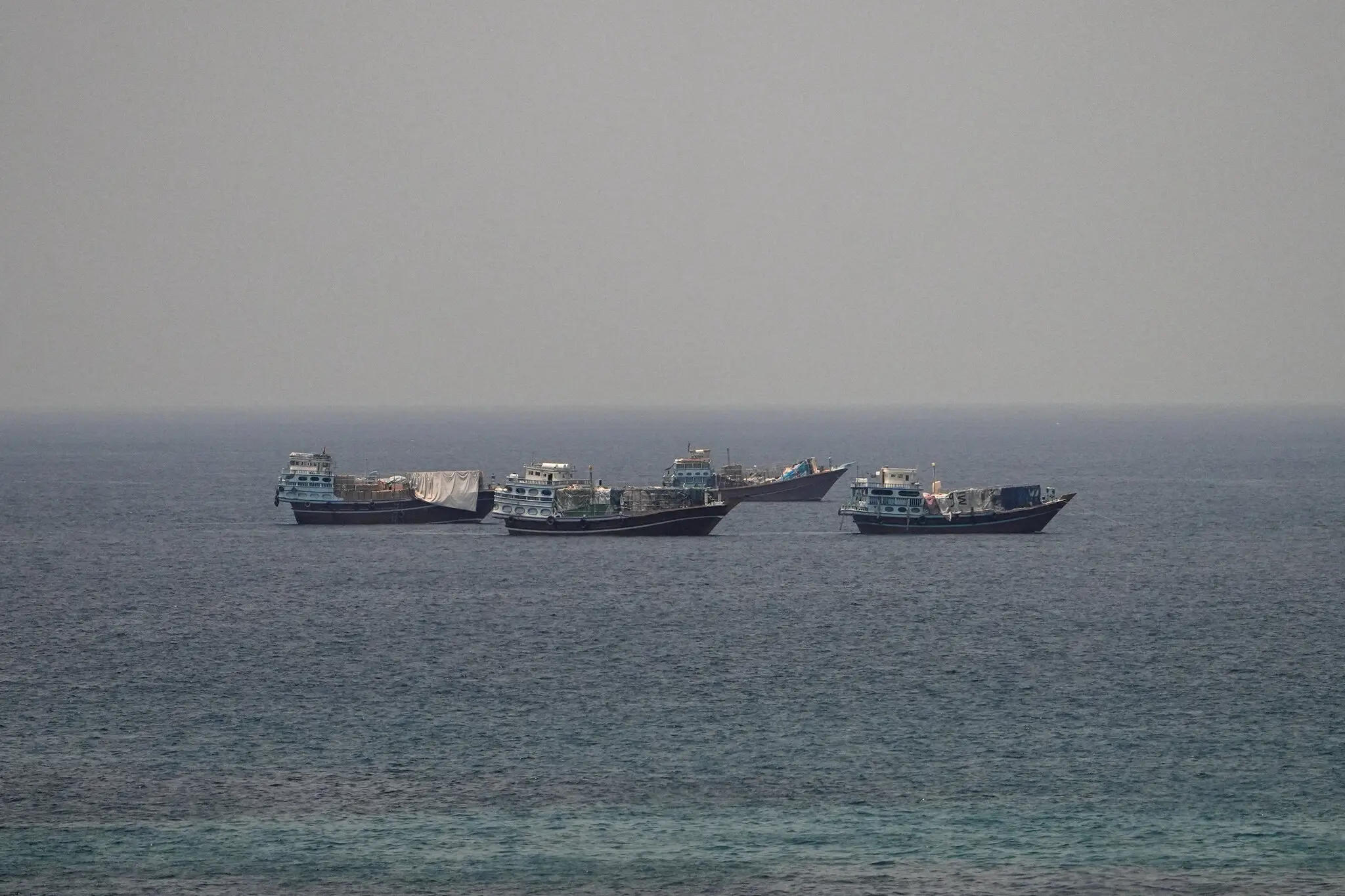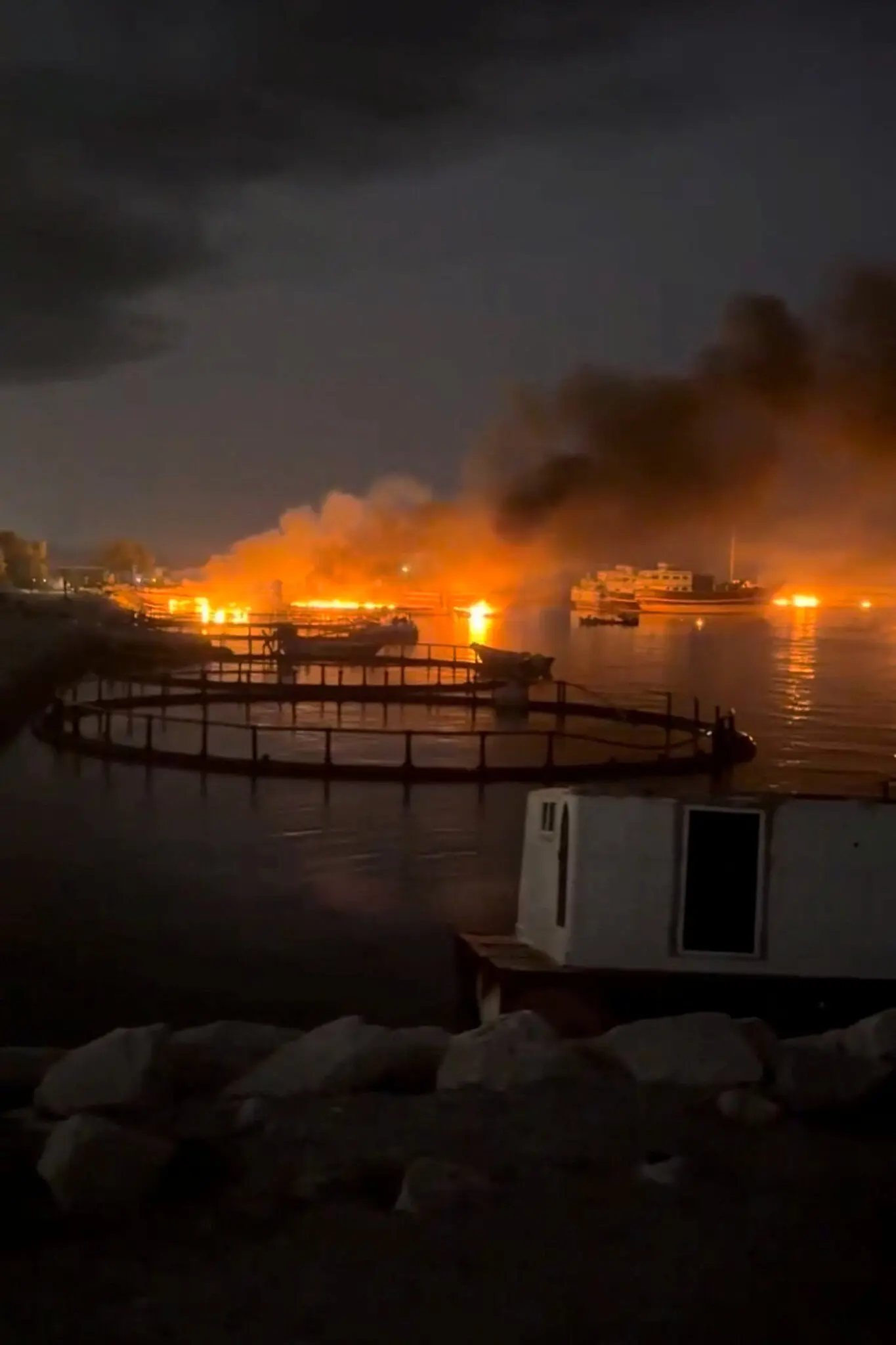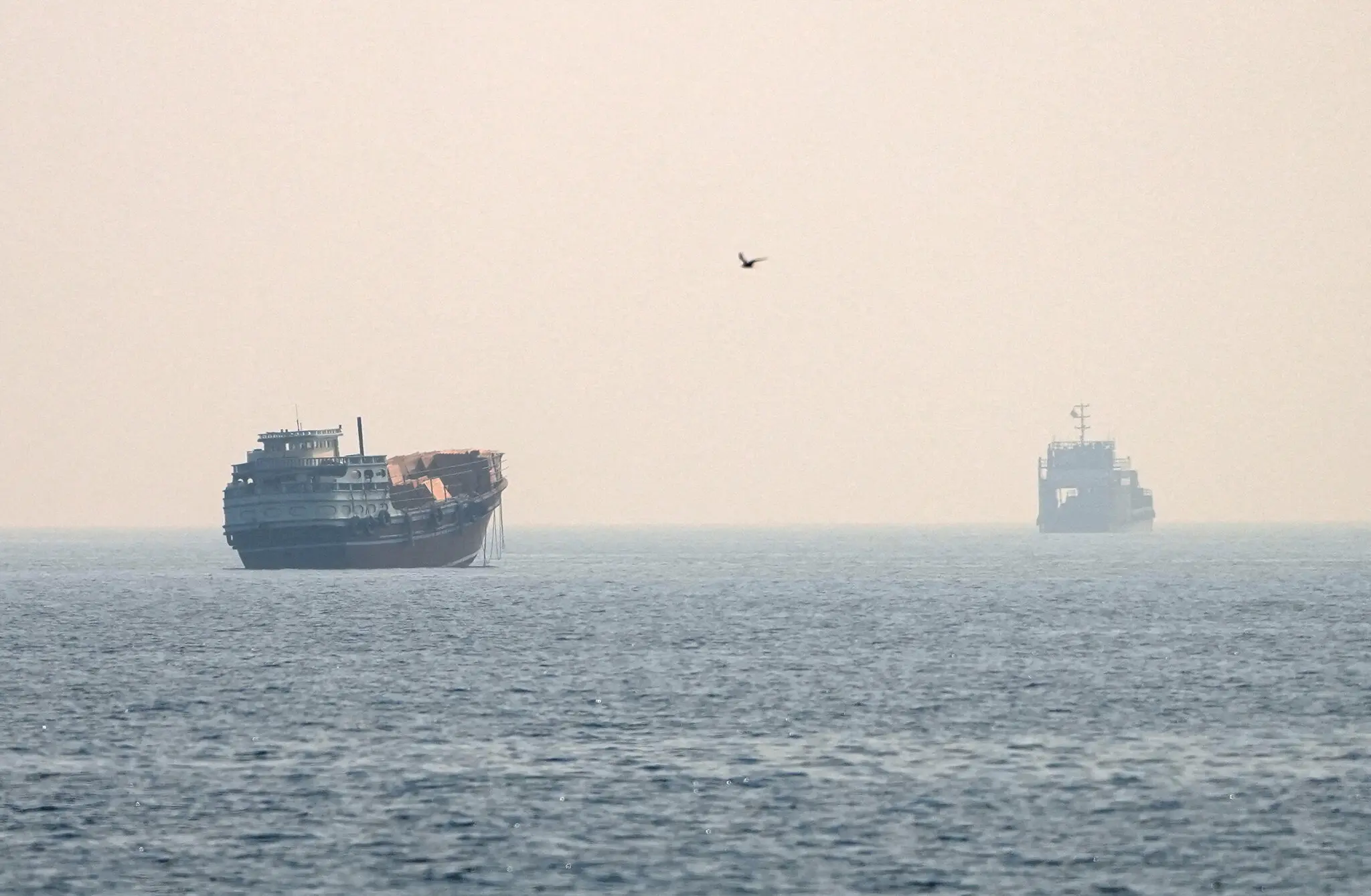





















The strategic artery of global oil has again been caught between a diplomatic promise and the threat of force. Washington expects Iran to publicly acknowledge in the coming days that all channels through the Strait of Hormuz are open to shipping, and that Iranian forces will stop firing on vessels in the narrow maritime corridor.
If that statement comes, it will be an attempt to quickly reduce tension after drone attacks on ships passing through the strait. But even under that scenario, Hormuz will not automatically return to normal. After weeks of escalation, every tanker and cargo vessel will move through it not only on a commercial route, but through a field of political risk.
Iranian negotiators have shifted responsibility for the attacks to rogue units of the Islamic Revolutionary Guards Corps, which they say were trying to sabotage the vague nuclear understanding reached last month. That version may be useful for diplomacy, but it also exposes the weak point of the entire deal: if Tehran cannot control those who fire at ships, its guarantees lose weight.
According to Daycom’s assessment, the current situation around Hormuz is a test not only for Iran, but for the very logic of the agreement with Washington. It was supposed to give the region a managed pause. Instead, it has shown that a cease-fire can exist on paper while military units, political factions and nuclear talks move at different speeds.
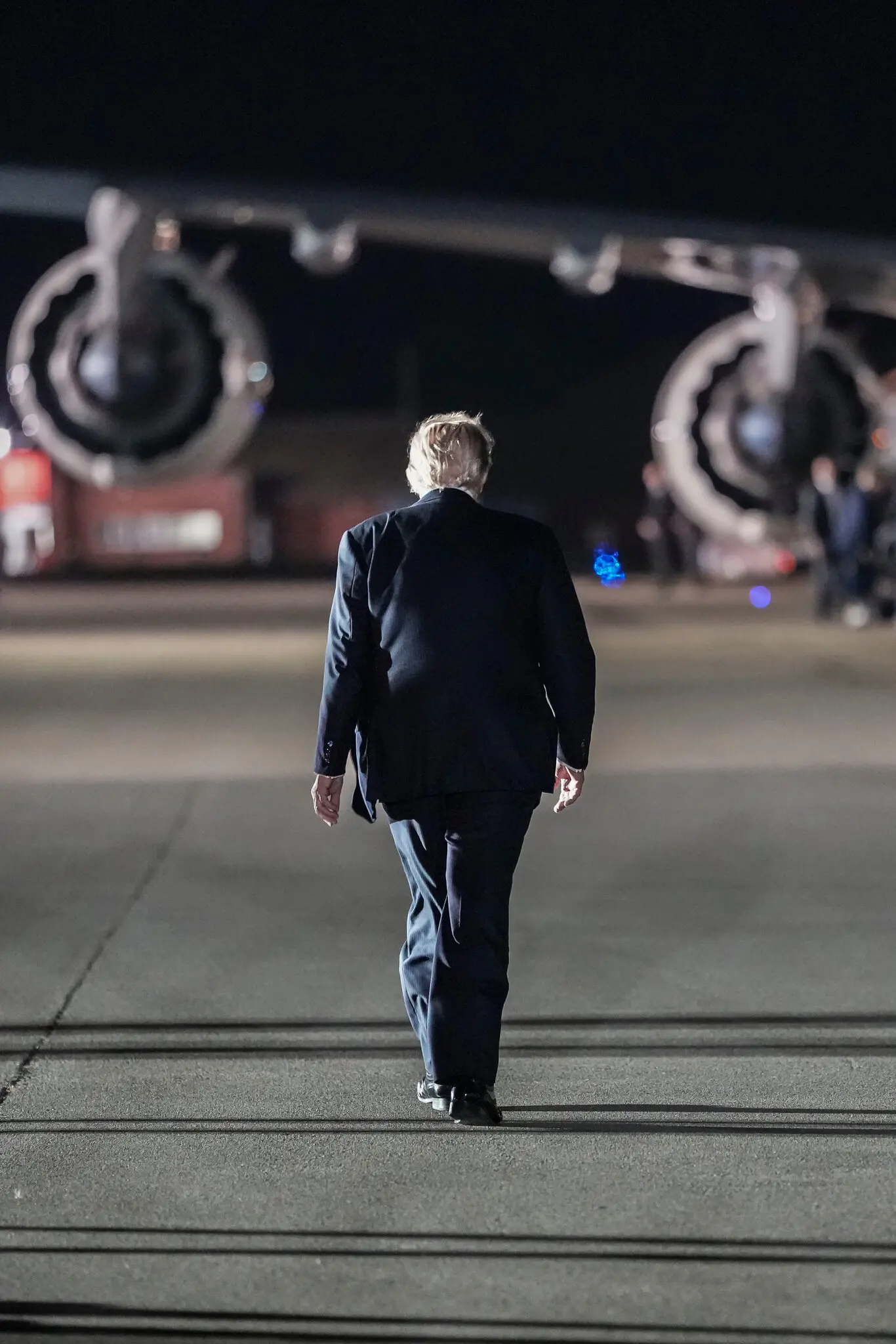
The American position is double-edged. On one hand, the Trump administration says it is ready to continue negotiations on a broader and more permanent agreement over the future of Iran’s nuclear program. On the other, Washington is warning directly that any further strikes on ships will receive a military response. This is no longer the language of cease-fire, but the language of deterrence.
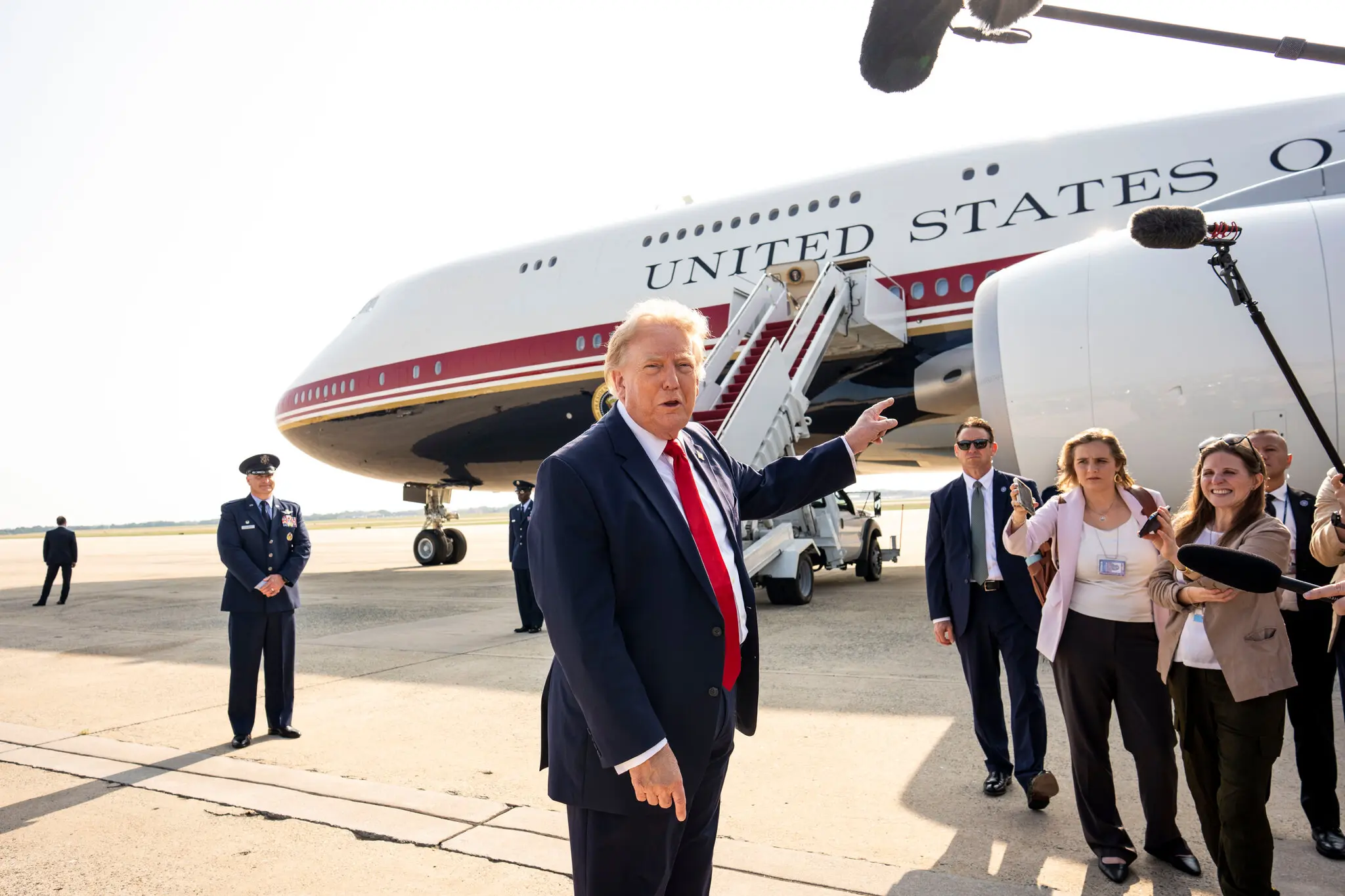
Trump, in his public statement, effectively separated two processes. Negotiations may continue, but the cease-fire between the United States and Iran, a key element of the 14-point understanding, has been declared over. That rupture creates a dangerous structure: the sides are still talking, but they are no longer bound by a full political ban on the use of force.
For the oil market, that means the central risk has not disappeared, only changed form. The Strait of Hormuz remains the route through which a significant share of Persian Gulf energy trade passes. Even a brief threat of closure or attacks on ships can raise insurance costs, alter logistics and quickly affect oil prices.
That is why the expected Iranian statement will matter first as a signal to markets and to U.S. allies in the region. Washington needs to show that pressure has worked, shipping is resuming and Iran is prepared to restrain its own armed structures. Tehran needs to prove that it does not seek the full disruption of maritime trade, because that kind of escalation could harm Iran itself.
But the problem runs deeper than shipping security. The nuclear understanding reached last month left open the most sensitive issue: what happens to Iran’s uranium enriched to near bomb-grade levels. That material, believed to be largely buried at the Isfahan enrichment and conversion center, has become the central point of dispute.
The American side insists there will be no final deal unless Iran turns over the material or agrees to dilute it to a level that cannot be used in a weapon. For Washington, this is the core guarantee: without resolving the issue of highly enriched uranium, any agreement would look less like control over the nuclear program and more like a pause before the next crisis.
Iran, by contrast, maintains that the nuclear material cannot leave its territory. This is not only a technical matter, but a symbolic one. For Tehran, transferring uranium outside the country could look like capitulation after strikes and pressure. For the United States, leaving it inside Iran, even under international supervision, could look like a dangerous concession.
The mechanism for removal or dilution also remains unclear. Would the Iranians do it themselves? Would the United States be involved? What role would the International Atomic Energy Agency play? Who would control access to the site, the security of the operation, transport or the technical process? It is in such details that the difference emerges between a real agreement and a political declaration.
Time is limited. The earlier plan set a 60-day horizon, meaning the sides would need to reach a final accord by mid-August. But after the attacks on ships, Trump’s statement that the cease-fire is over and the dispute over Hormuz, the negotiating calendar is tightening. The more incidents occur at sea, the harder it becomes to convince either side that concessions are worth making.
The explanation involving rogue Revolutionary Guard units also has an internal Iranian dimension. It may point to a genuine conflict between diplomats and hard-line security forces. But it may also be a political way to preserve negotiations without admitting direct state responsibility. In either case, the result is uncomfortable for the United States: it is dealing with a system in which the signature and the shot may come from different centers of power.
For Trump, this creates a risk for his own strategy. His administration is trying to combine maximum pressure, military readiness and negotiations for a major deal. But that model works only when the adversary believes in punishment and allies believe in control. The attacks on ships undermine the second element: they show that even after an agreement, the region can slide back toward unmanaged escalation.
For U.S. allies in the Persian Gulf, Hormuz is an existential issue. Their security, energy exports, ports, insurance routes and investment appeal depend on whether Washington can guarantee freedom of navigation. If Iran opens the strait only under threat of attack, that is temporary reassurance, not stability.
At the same time, Tehran cannot easily afford a full closure of Hormuz. Such a move would deepen its international isolation, give the United States grounds for a larger military response and frighten even partners that usually avoid direct pressure on Iran. That is why a public statement on the strait’s openness may allow Tehran to retreat without openly acknowledging weakness.
The real question, however, is not whether the strait will be declared open. It has long been a space where the legal freedom of passage coexisted with military blackmail. The question is whether Iran can prove that its forces will not fire on ships, and whether the United States can show that its warnings have consequences without turning every incident into another step toward war.
Hormuz has become the condensed symbol of the entire Middle Eastern deal. Energy, the nuclear program, the role of the Revolutionary Guards, American threats, allied fears and the question of trust all meet there. If the strait remains calm, negotiations will have a chance. If not, even the best formula on paper will fail at the first new explosion.
The coming days will show whether Tehran can send a signal that carries weight not only with diplomats, but with commanders on the ground and at sea. Opening Hormuz in a statement is far easier than keeping it open amid political struggle, nuclear bargaining and mutual threats. This is where it will become clear whether the June understanding was the beginning of de-escalation, or only a brief pause before the next round of war.