






















After twenty-one hours of negotiations in Islamabad, the United States and Iran emerged without a deal. Vice President JD Vance said Tehran had rejected American terms, and within hours Donald Trump moved from diplomatic frustration to strategic intimidation, announcing that the United States would impose a blockade on the Strait of Hormuz. That shift — from stalled diplomacy to naval coercion — is the real substance of the moment.
Formally, Washington presents the move as a response to Iran’s refusal to fully reopen the strait. In reality, it is a sharp escalation in method. The two-week ceasefire announced on April 7 may still exist on paper, but the White House is already behaving as if the next phase will be decided not at the negotiating table, but through control of the chokepoint on which global energy flows depend.
That is where the present crisis changes character. Hormuz is no longer merely one item in a wider bargaining package between Washington and Tehran. It has become the arena through which both sides are trying to define the postwar order itself. According to Daycom’s earlier assessment, the central question is no longer who will make concessions first, but who will impose the rules of passage after the war: the power that controls the water, or the power that can try to close it by force.
The reasons for the failure in Islamabad were visible well before the talks ended. Washington insisted on hard terms over Iran’s nuclear program, above all on preventing any rapid path to a weapon. Tehran, for its part, was demanding a wider package of trust-building and economic concessions, while refusing to surrender Hormuz as its most valuable bargaining lever. For Iran, the strait is not a technical matter. It is the core pressure point in any negotiation over peace, sanctions, frozen assets and regional influence.
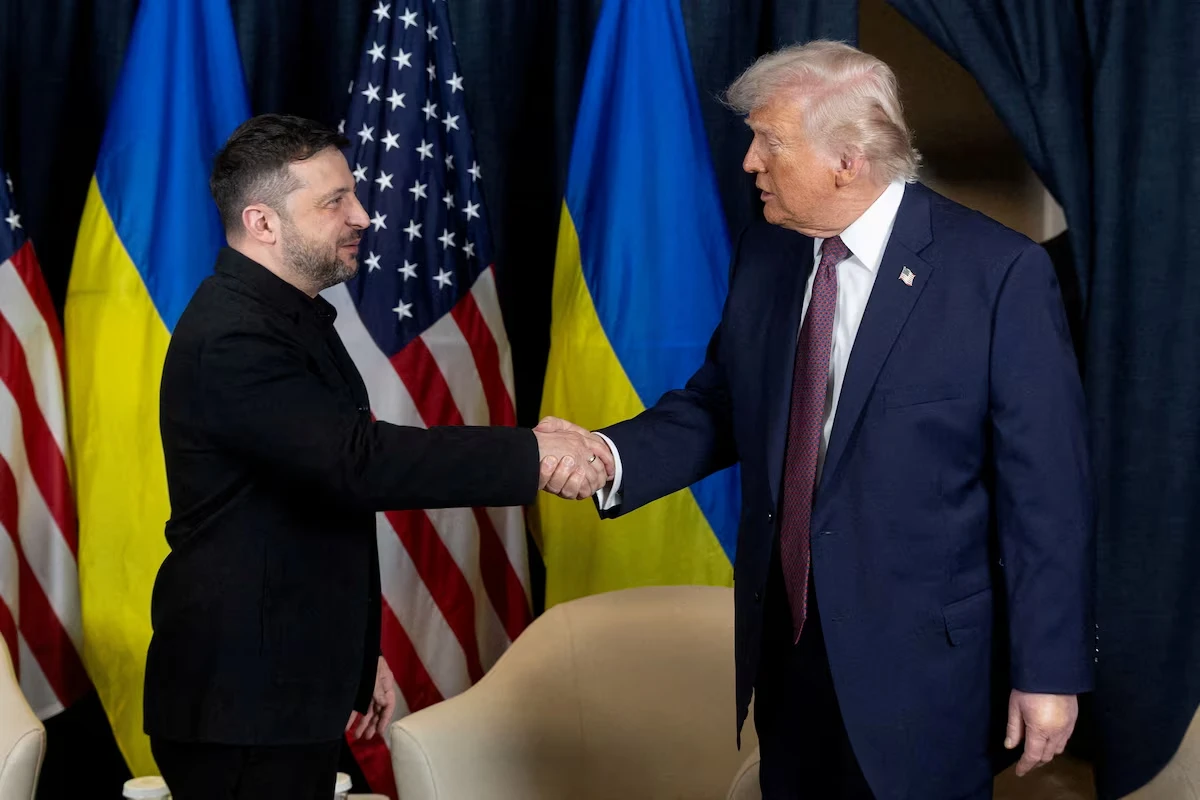
 Президент США Дональд Трамп після прибуття до Міжнародного аеропорту Маямі в Маямі, 11 квітня 2026 року — Джим Вотсон
That is why the blockade threat appears both decisive and deeply dangerous. The Strait of Hormuz is not simply another waterway. It is the main artery of Gulf energy exports and one of the most sensitive points in the global economy. Any attempt to restrict or militarize its use would travel far beyond the U.S.-Iran confrontation itself, hitting prices, insurance, shipping, industrial expectations and broader market confidence across continents.
Trump is deliberately leaning into that asymmetry. In public remarks, he has made clear that the United States sees the blockade not only as a security measure, but as a way to cut Iran off from the oil revenues that still sustain its leverage. The logic is plain: if Tehran will not accept Washington’s terms, it will be made to bear a higher and higher cost for resisting them. This is diplomacy only in the loosest sense. More accurately, it is diplomacy as the preface to economic strangulation backed by naval force.
Iran is answering in equally hard terms. The Revolutionary Guards have insisted that the strait remains under Iranian control, that civilian shipping may pass only under defined conditions, and that any approach by foreign warships would be treated as a violation of the ceasefire and met with a severe response. In other words, Tehran is not merely rejecting the American line. It is asserting a rival one: the United States does not decide when Hormuz is open; Iran does.
That is what makes the current moment so combustible. Until now, the main question was whether the two sides could bridge their differences over uranium, frozen funds and the reopening of the strait. Now an additional risk has appeared: a direct military confrontation over the mechanics of the blockade itself. The breakdown of negotiations has not simply frozen diplomacy. It has created a new zone of escalation in which even a limited incident at sea could destroy what remains of the ceasefire.
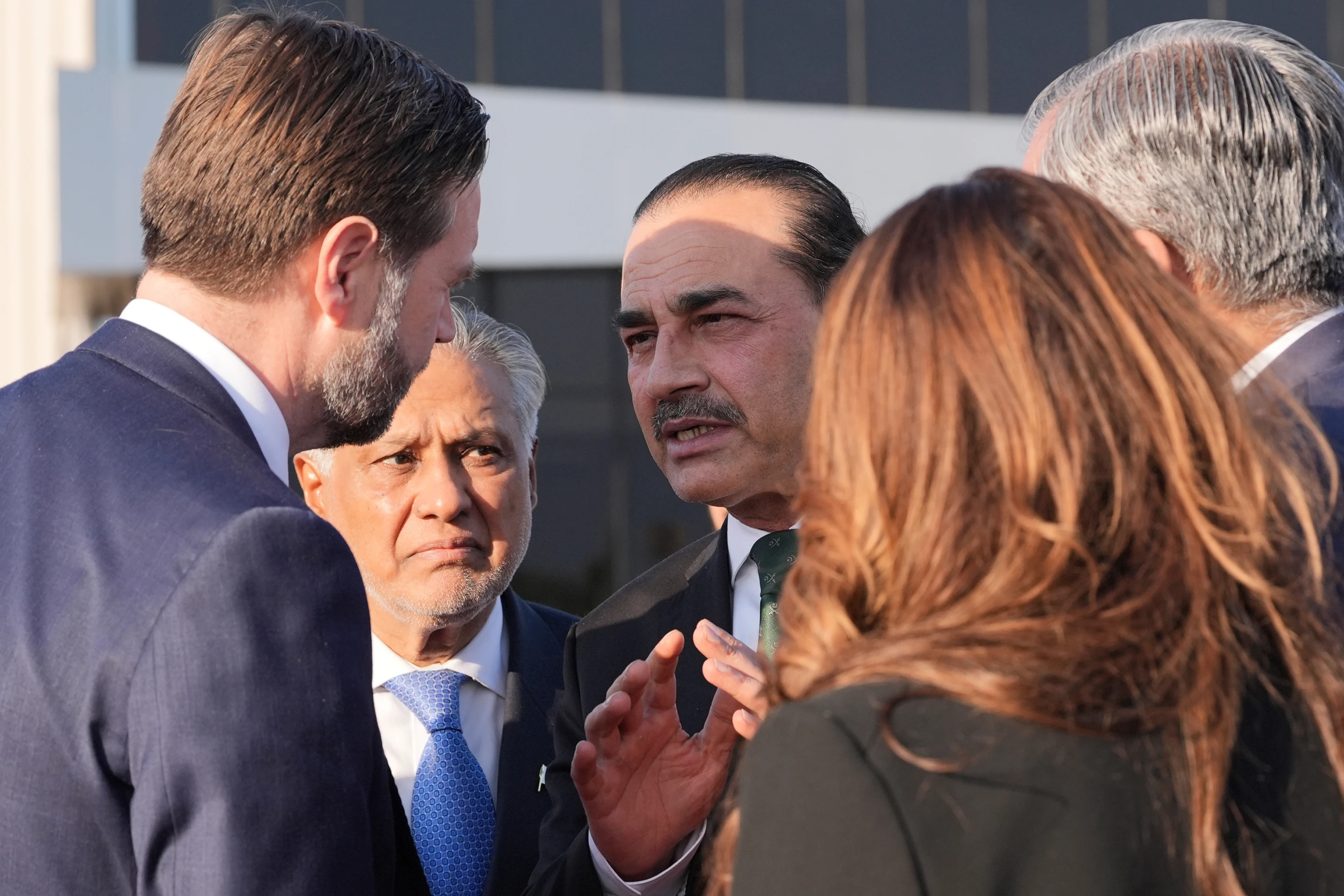
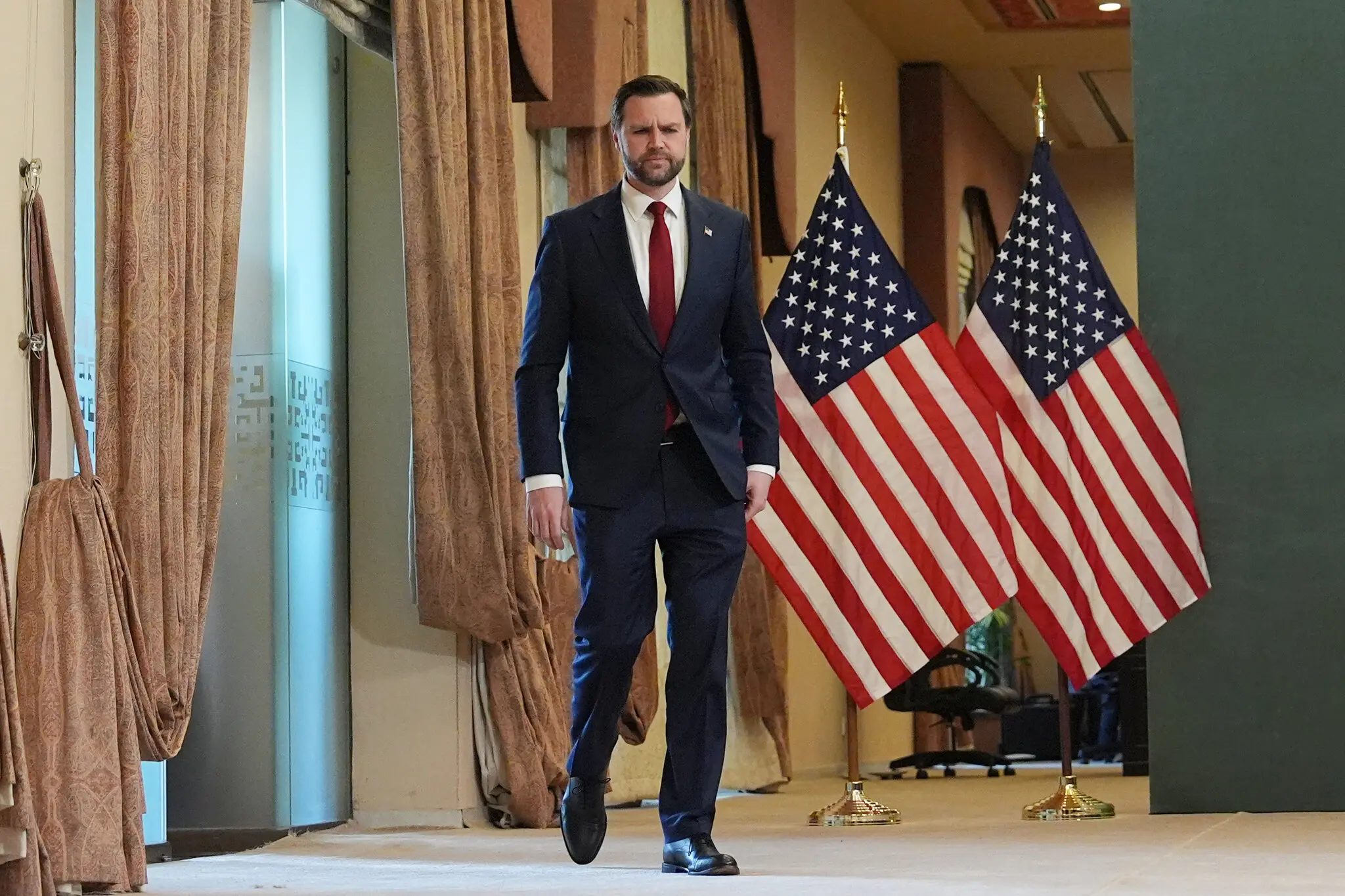
And yet the door to further contacts has not been formally shut. Neither Trump nor Mohammad Bagher Ghalibaf has ruled out another round. That matters, but only up to a point. Any future talks will now unfold in a very different atmosphere: no longer after a failed attempt at compromise, but under the shadow of declared blockade, Iranian retaliation threats and the rising economic price of each day of uncertainty in Hormuz.
That is why Trump’s latest move should not be read as an emotional aftershock of unsuccessful diplomacy. It is a doctrine in itself. If Iran refuses the terms of peace, Washington will try to strip away its single most powerful bargaining asset: control over the world’s most vital energy corridor. The unanswered question is whether that pressure will force Tehran to bend — or whether it will turn Hormuz from a negotiating lever into the site of the next explosion.