




















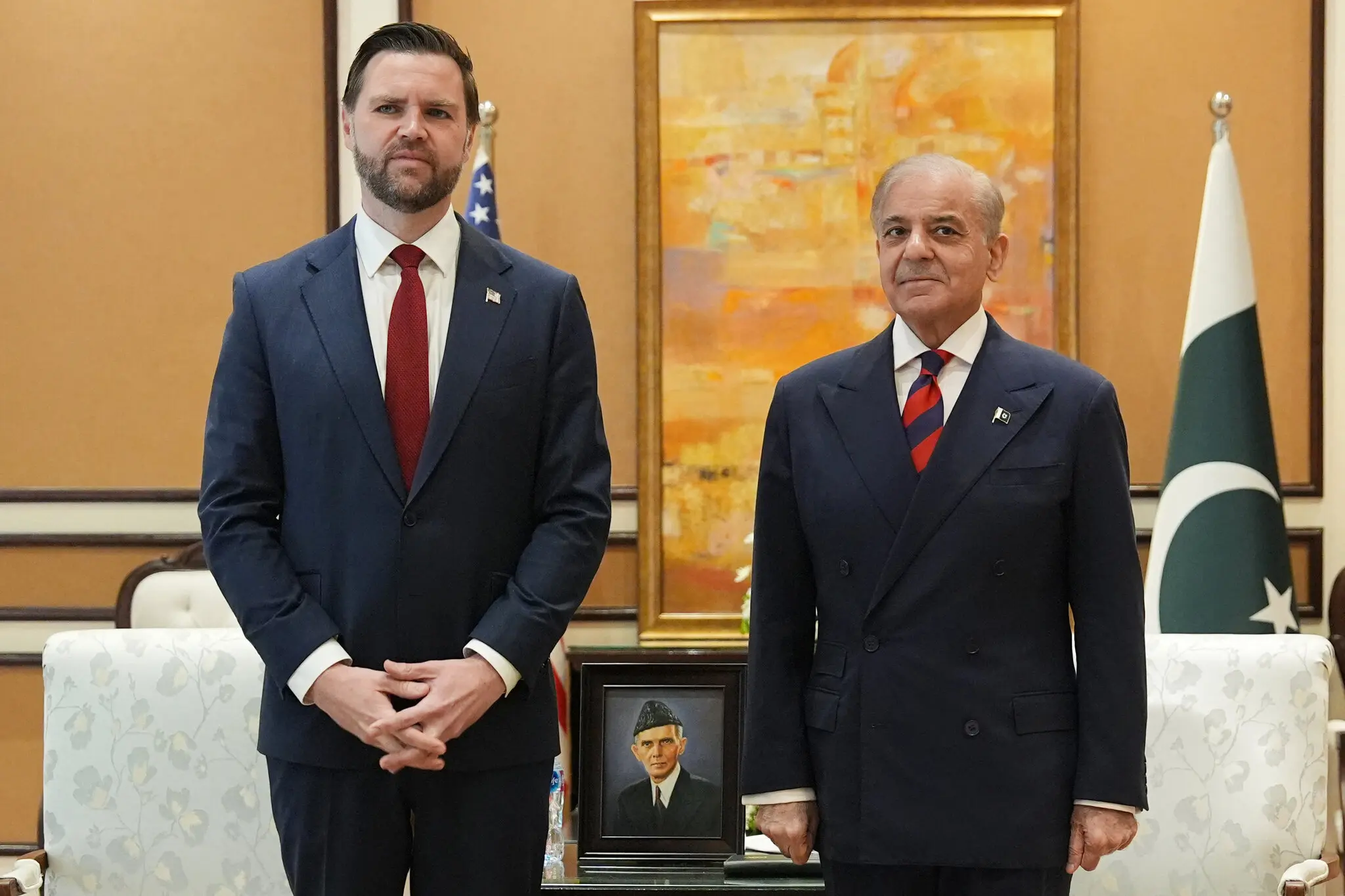
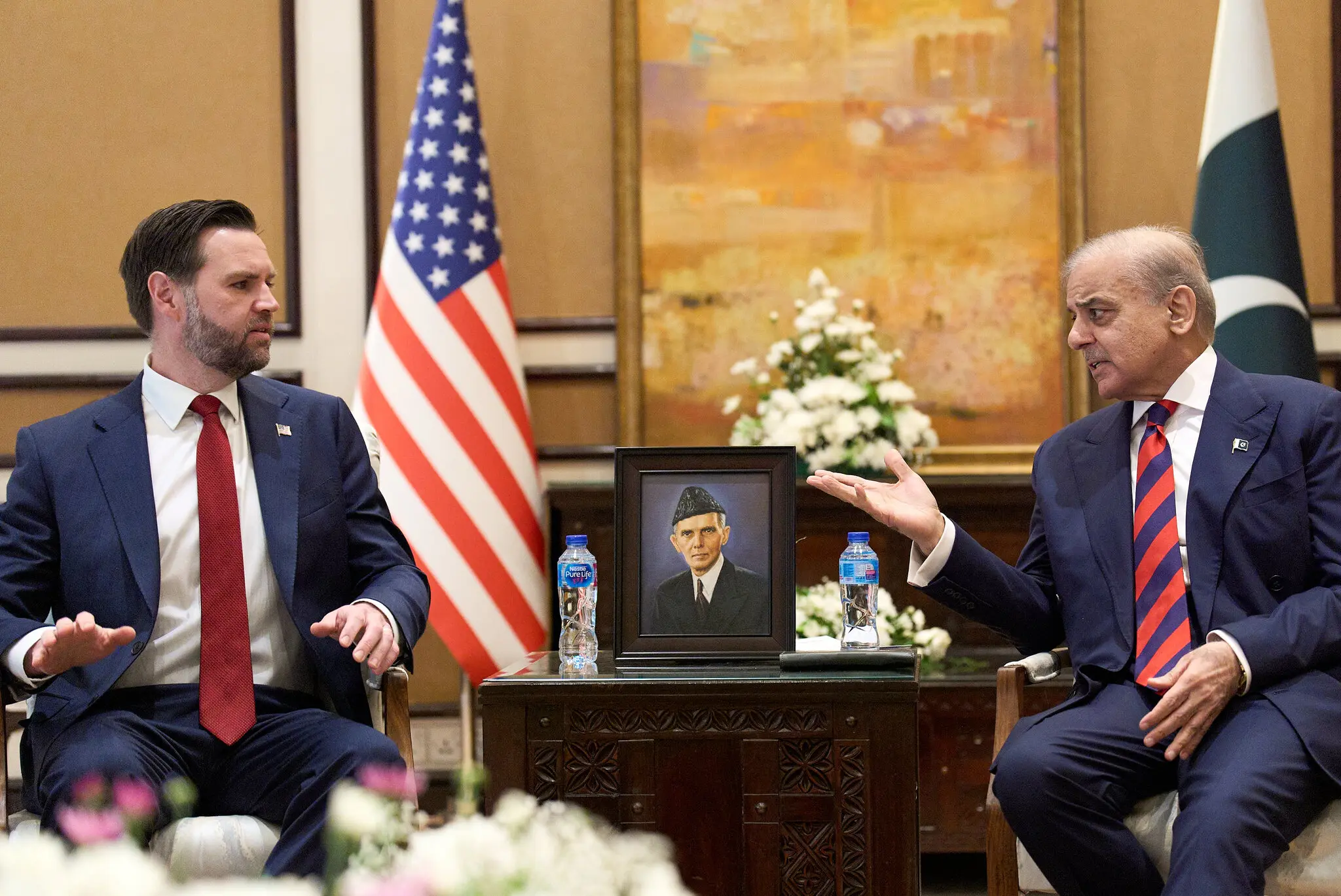
The marathon negotiations between the United States and Iran in Pakistan ended without an agreement, but not without a political signal. After 21 hours of talks, both sides left with hard public statements, yet neither chose language that would shut the door on another round. That is why the breakdown looks less like an end than a waypoint in a much longer struggle.
On the surface, the outcome resembles a familiar diplomatic impasse. Washington said Iran had refused its terms; Tehran made clear it would not discuss peace under the logic of diktat. But the meaning of the failure runs deeper. The war did not erase the core disputes. It simply made them more expensive — militarily, economically and geopolitically.
The main obstacle now is not the lack of a channel, but the absence of trust. Iran’s negotiators effectively signaled that the question is no longer whether another meeting is possible, but whether the United States can convince Tehran that diplomacy is not merely force by other means. According to Daycom’s earlier assessment, that deficit of trust — more than any single unresolved clause — remains the true center of the crisis.
The marathon negotiations between the United States and Iran in Pakistan ended without an agreement, but not without a political signal. After 21 hours of talks, both sides left with hard public statements, yet neither chose language that would shut the door on another round. That is why the breakdown looks less like an end than a waypoint in a much longer struggle.
On the surface, the outcome resembles a familiar diplomatic impasse. Washington said Iran had refused its terms; Tehran made clear it would not discuss peace under the logic of diktat. But the meaning of the failure runs deeper. The war did not erase the core disputes. It simply made them more expensive — militarily, economically and geopolitically.
The main obstacle now is not the lack of a channel, but the absence of trust. Iran’s negotiators effectively signaled that the question is no longer whether another meeting is possible, but whether the United States can convince Tehran that diplomacy is not merely force by other means. According to Daycom’s earlier assessment, that deficit of trust — more than any single unresolved clause — remains the true center of the crisis.
The American position remains narrow and hard-edged. Washington wants an unambiguous commitment that Iran will not move toward a nuclear weapon and will not retain the tools for a rapid breakout. For Tehran, that formula does not read as compromise. It reads as an attempt to predetermine the outcome before the real bargaining begins. That is the central divide: the two sides arrived at the table with different ideas not only about the terms of peace, but about the purpose of the talks themselves.
That is why failure does not yet amount to rupture. For the United States, it matters not to appear responsible for collapsing a fragile cease-fire. For Iran, it matters just as much to preserve a negotiating venue while military and transport pressure can still be converted into political concessions. As long as diplomacy remains alive, Tehran can continue bargaining not only over security, but over sanctions, frozen assets and its place in the regional balance.
The setting of the talks matters as well. A meeting at this level between American and Iranian leadership underscores a basic reality: even after military escalation, both capitals understand that force may destroy an equilibrium, but cannot easily build a durable one. Yet acknowledging the need for negotiations is not the same as being prepared to yield on essential points. That is the paradox of the moment.
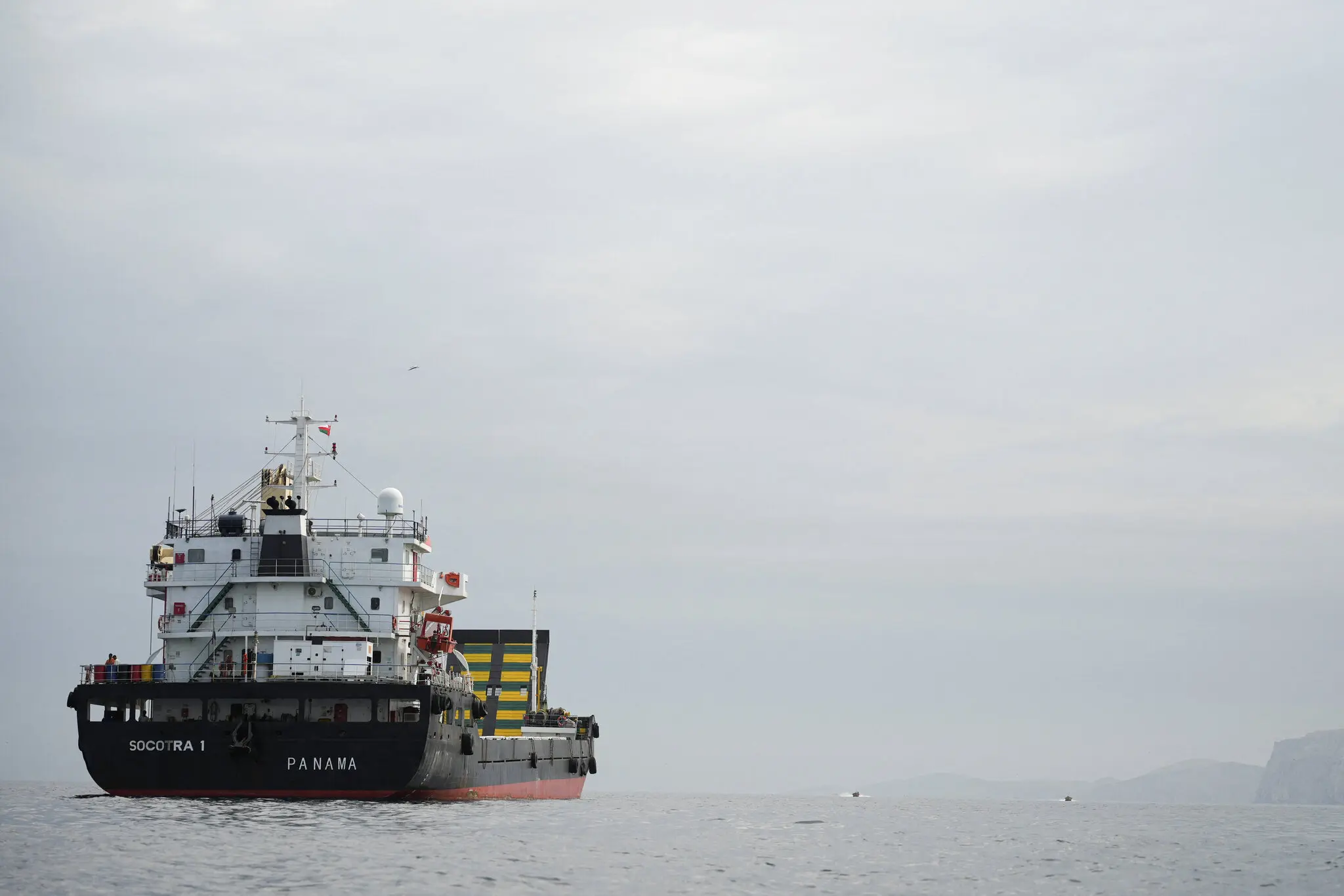
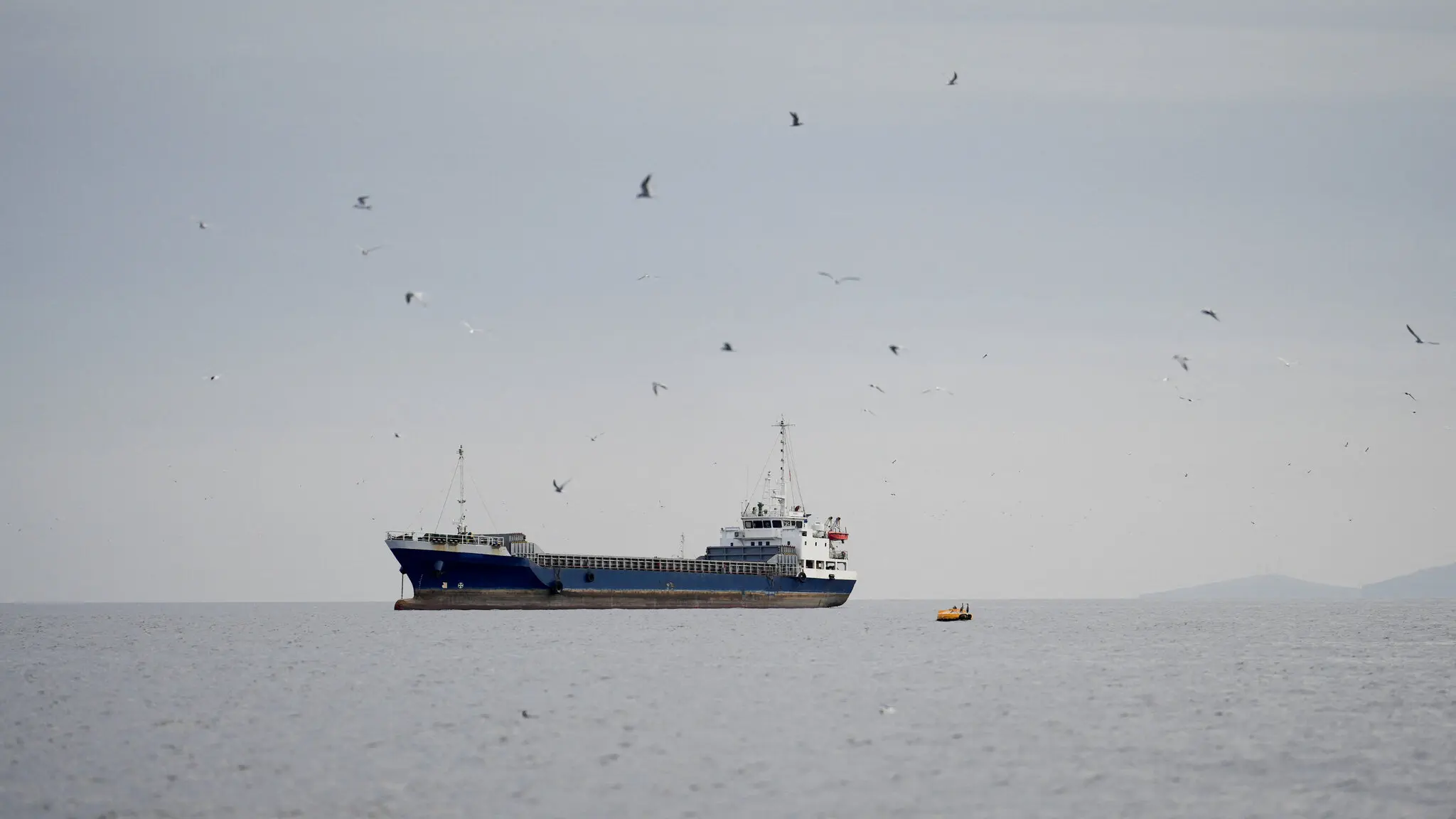
One of the hardest knots remains the Strait of Hormuz. For Washington, it is a question of freedom of navigation, the restoration of oil and gas flows and the stabilization of global markets. For Iran, it is a strategic lever too valuable to surrender without major political compensation. While the United States wants Hormuz treated as an immediate and unconditional matter, Tehran sees it as part of a broader package that must include financial and strategic terms.
That exposes a second divide: the scale of the bargain itself. Washington is trying to separate out the most urgent risks — nuclear limits, maritime security and the prevention of renewed escalation. Iran is negotiating in a wider register, one that includes frozen revenues, guarantees, recognition of its interests and the broader balance that will follow the war. One side is pushing for rapid risk reduction. The other is demanding a political price for giving up leverage.



The chronology of recent months has made that rigidity even sharper. After earlier diplomatic efforts failed, the crisis moved quickly into a military phase. Since then, every new meeting has carried a double meaning. For Tehran, it is a test of whether diplomacy is genuine or merely an interval before another strike. For Washington, every delay looks like an attempt by Iran to buy time, preserve pressure points and improve its position for the next round.
The economic backdrop only raises the stakes. Any instability around Hormuz immediately feeds into oil prices, insurance costs, shipping risk and expectations for global growth. When one of the world’s most critical energy corridors comes under threat, the consequences do not remain regional for long. Each failed round of talks becomes more than a diplomatic disappointment. It becomes a cost absorbed by markets, governments and supply chains far beyond the Gulf.
That is why the current outcome should be read with precision. It is not peace, but neither is it final collapse. It is a moment in which both sides tested the limits of the other and discovered how far a genuine compromise still lies. Iran left the door ajar not out of softness, but out of calculation: as long as talks continue, the struggle over the terms of peace continues with them. The next round, if it comes, will no longer be about preserving the pause itself. It will be about who gets to define the order that follows it.

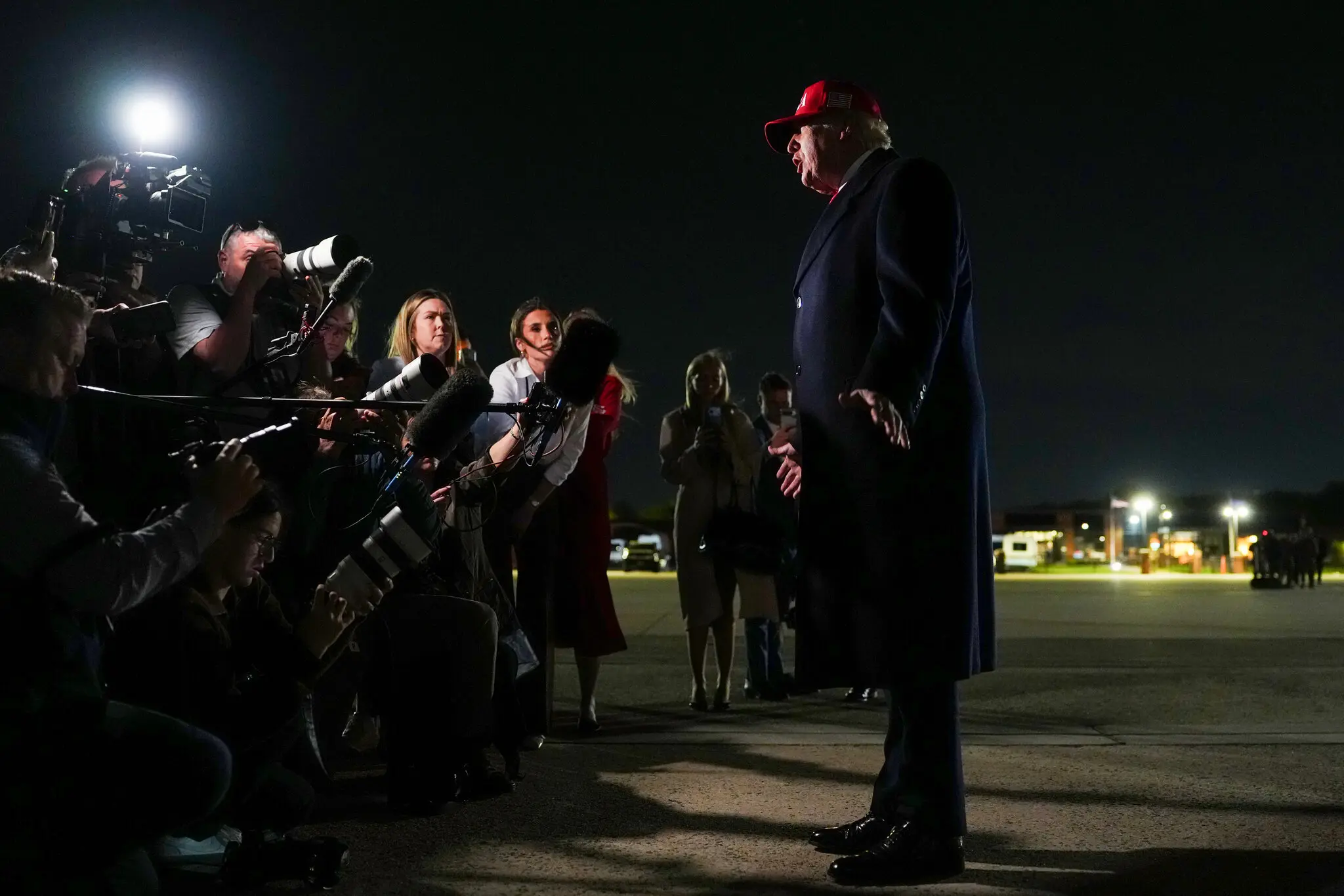 У неділю ввечері президент США Трамп розкритикував Папу Лева XIV — Тірні Кросс
 Президент США Дональд Трамп після прибуття до Міжнародного аеропорту Маямі в Маямі, 11 квітня 2026 року — Джим Вотсон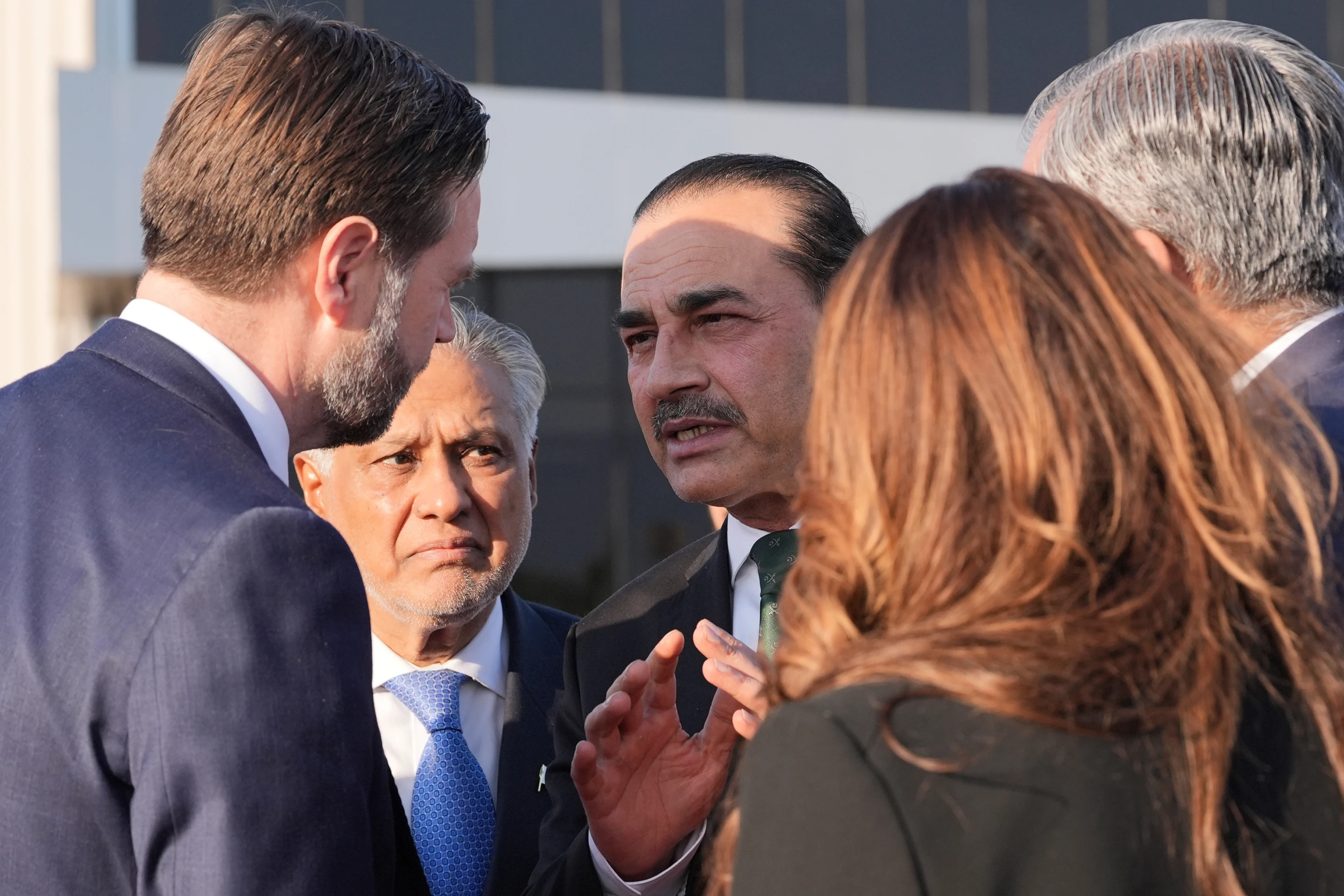
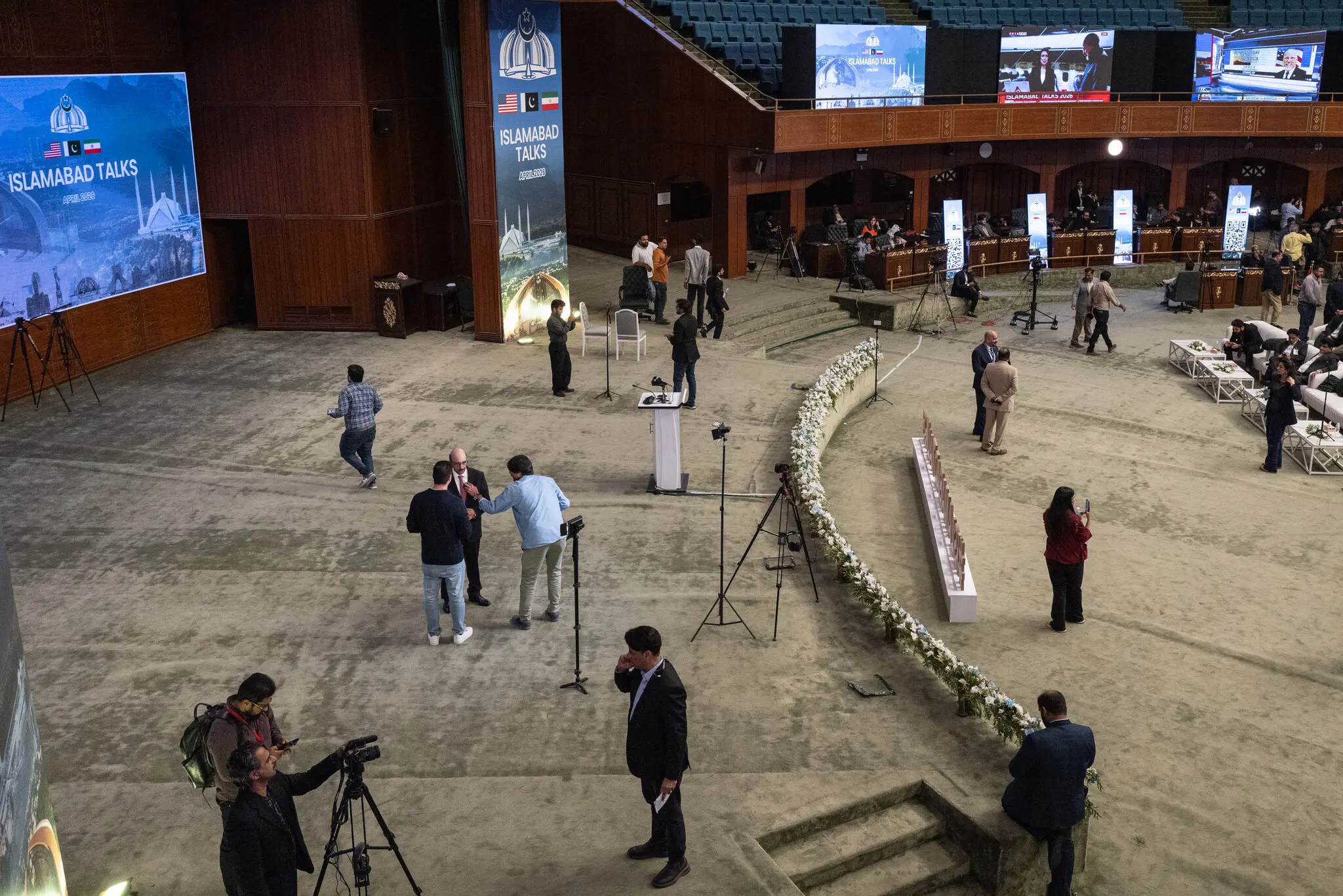
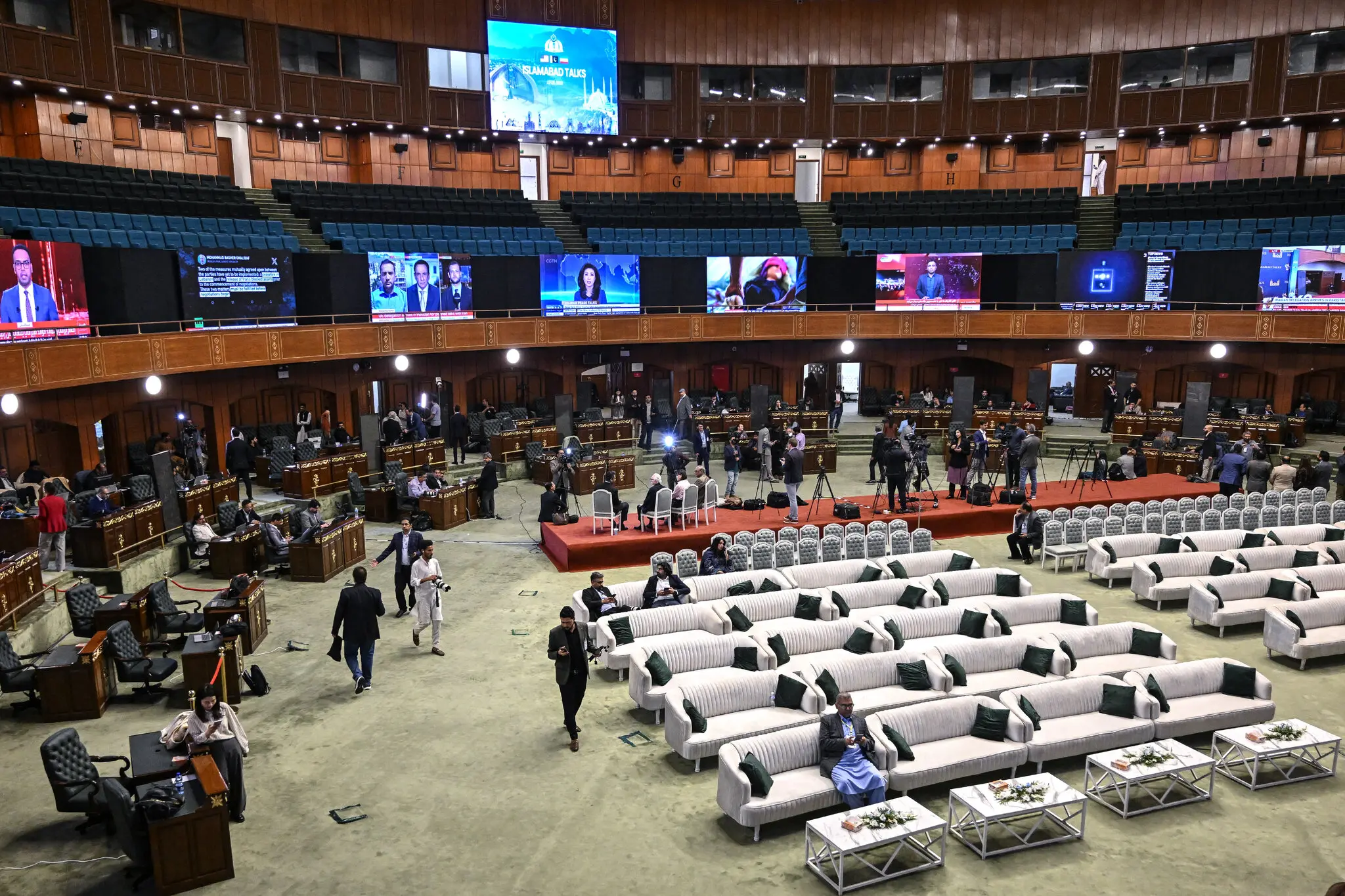 Журналісти працюють у медіацентрі в Ісламабаді в суботу — Аамір Куреші


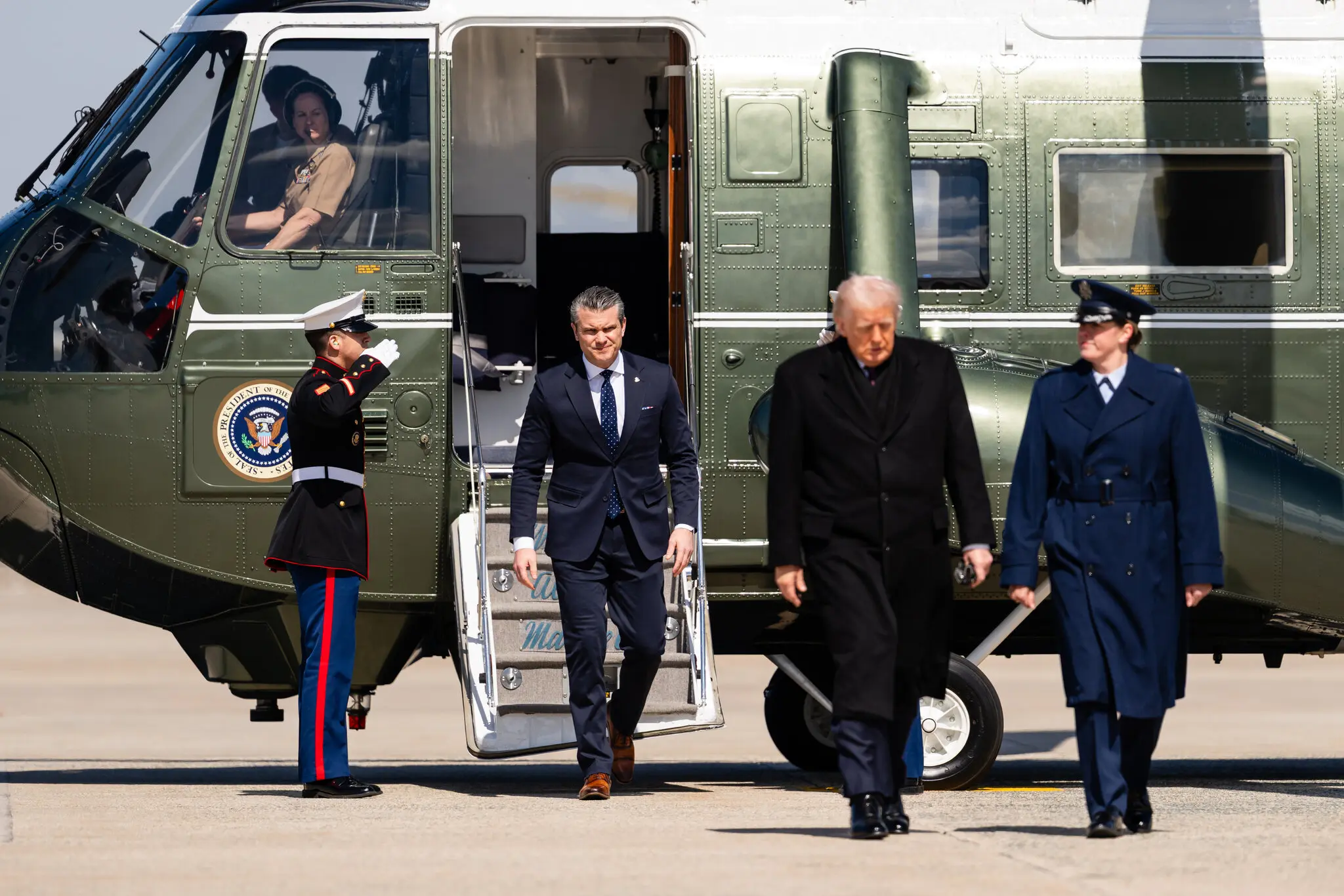 Міністр оборони Піт Хегсет позаду президента Трампа на об'єднаній базі Ендрюс у Меріленді минулого місяця. Пан Хегсет наказав усім видам збройних сил впровадити штучний інтелект — Ерік Лі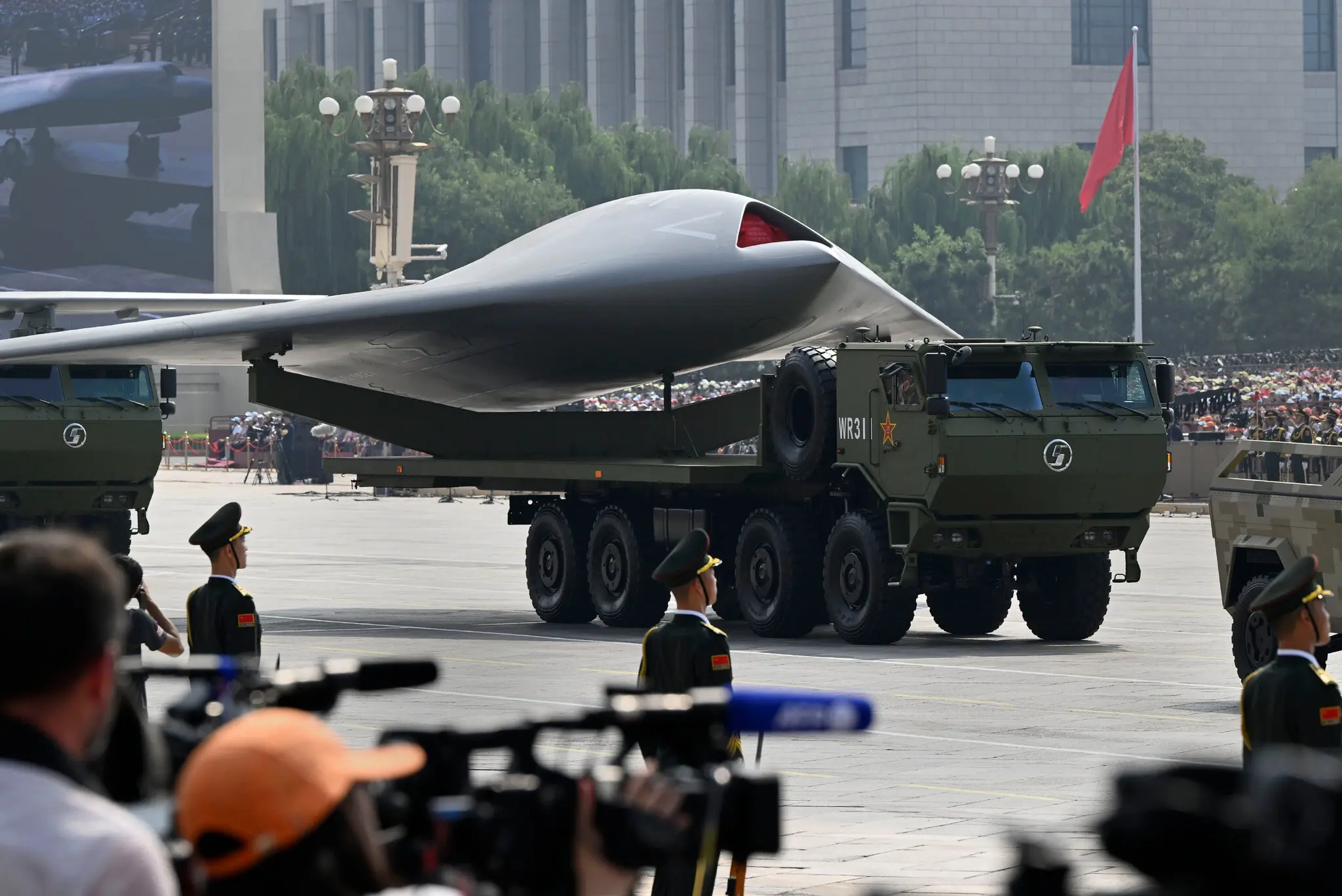
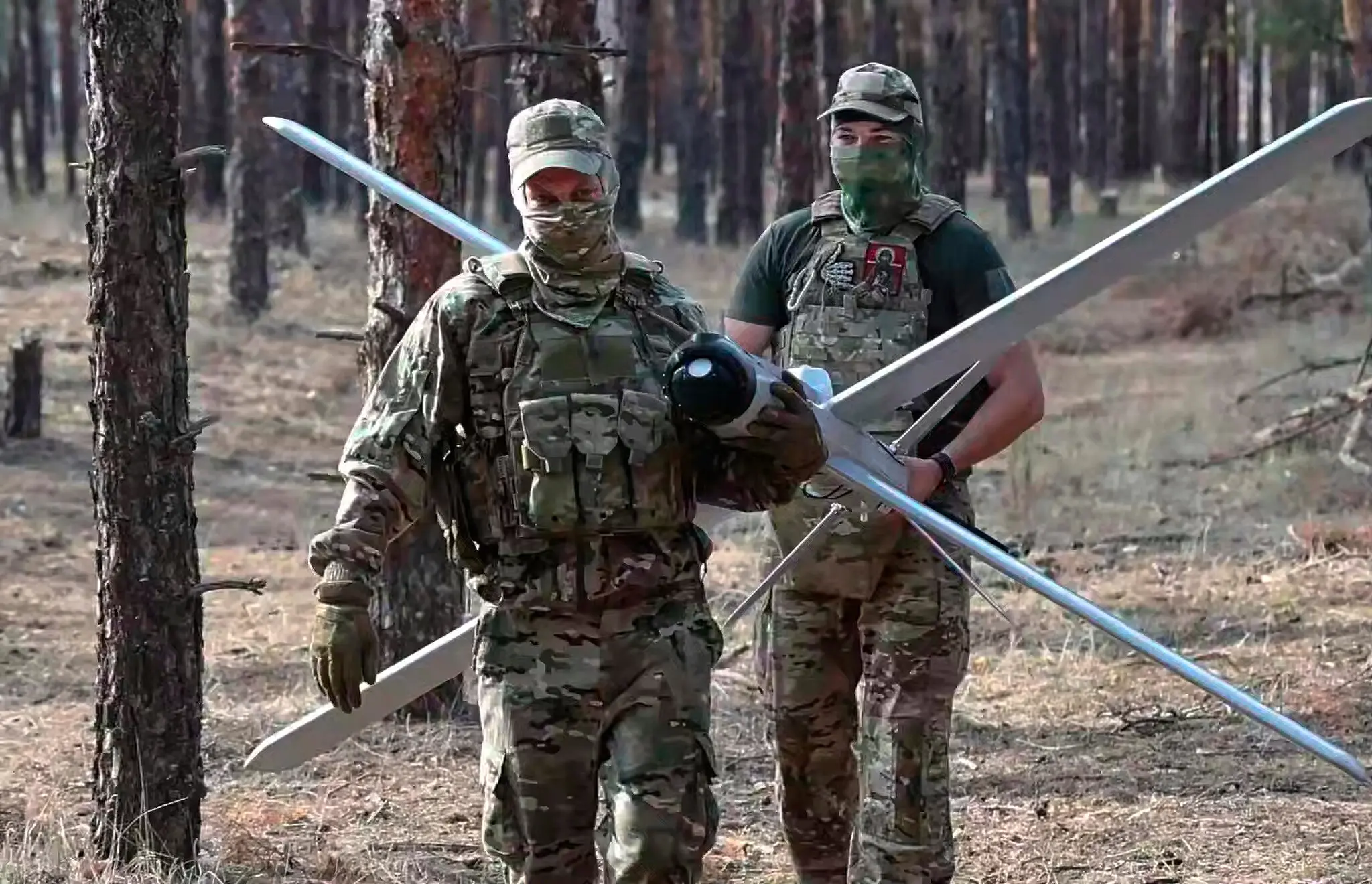
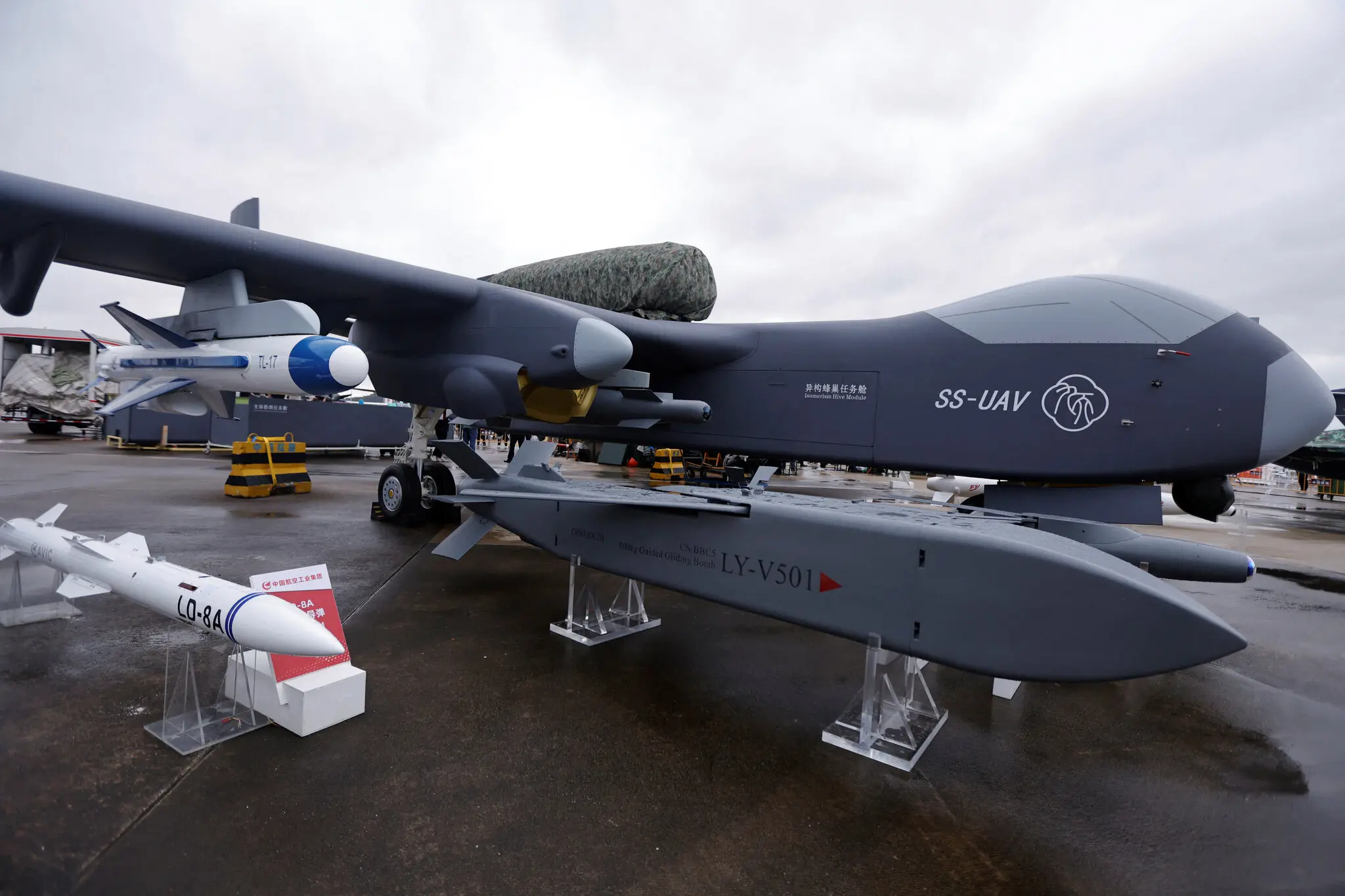
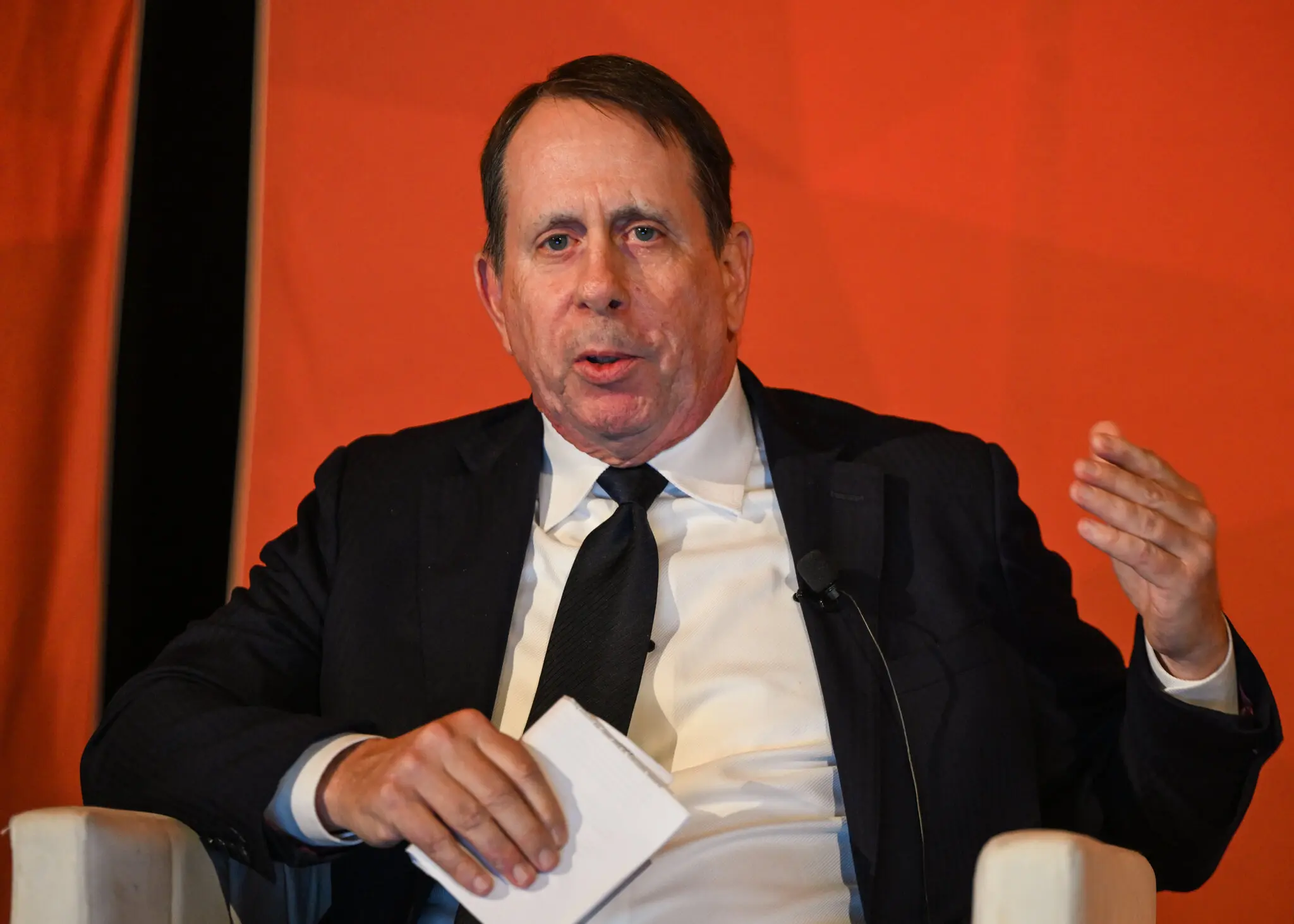
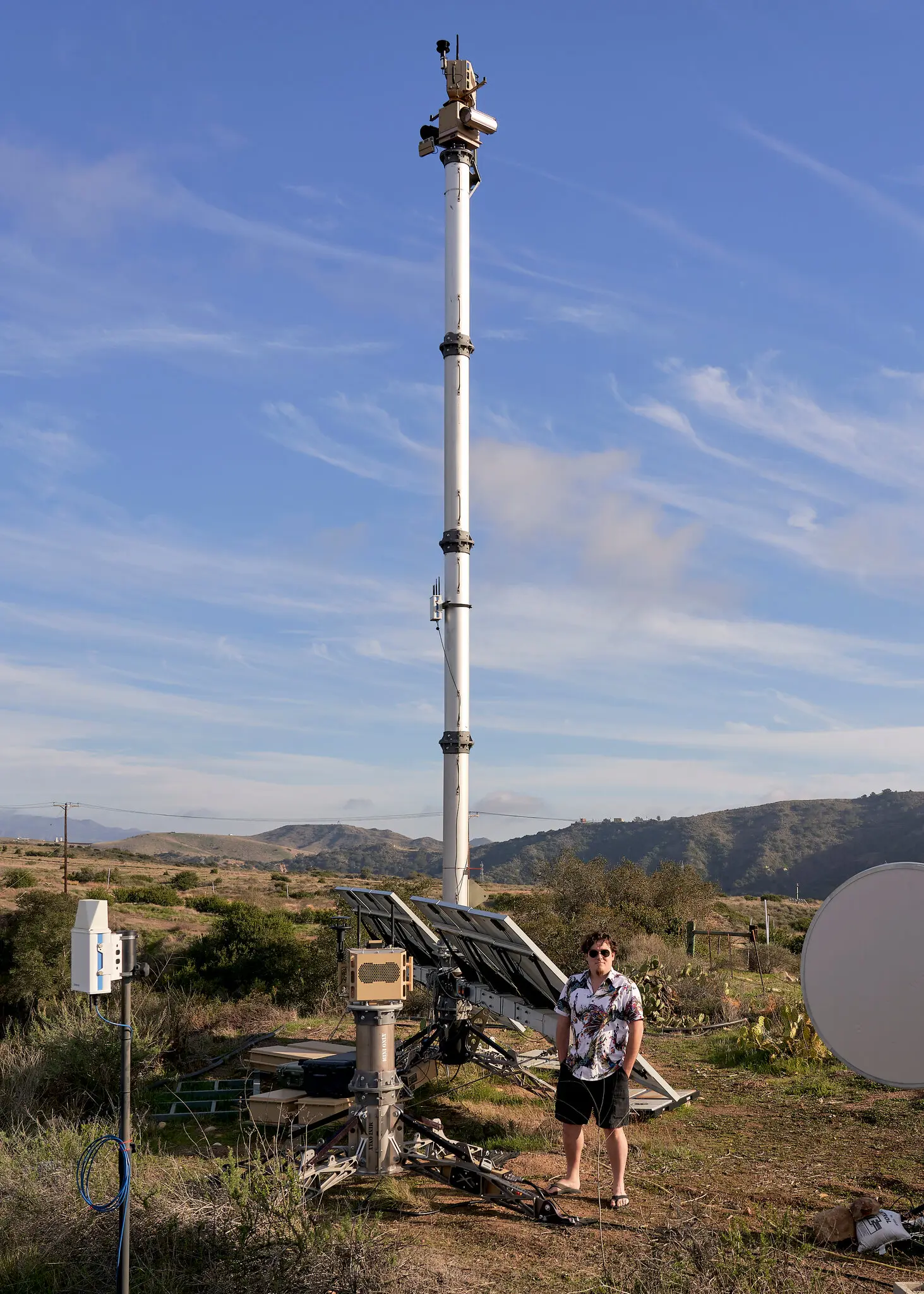 Палмер Лакі, засновник компанії Anduril, яка розробила сенсорні вежі на основі штучного інтелекту для розміщення на кордонах — Філіп Чунг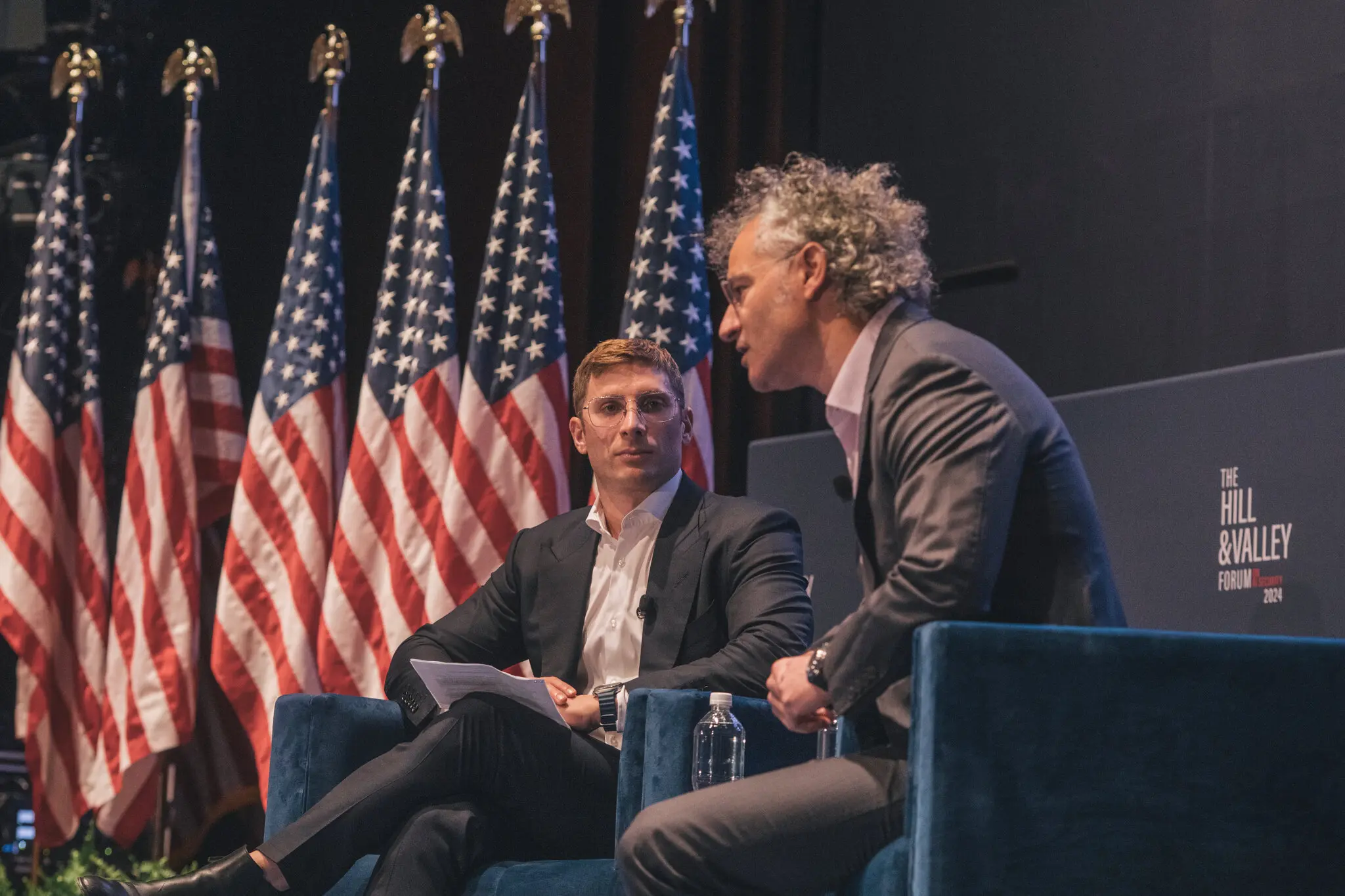
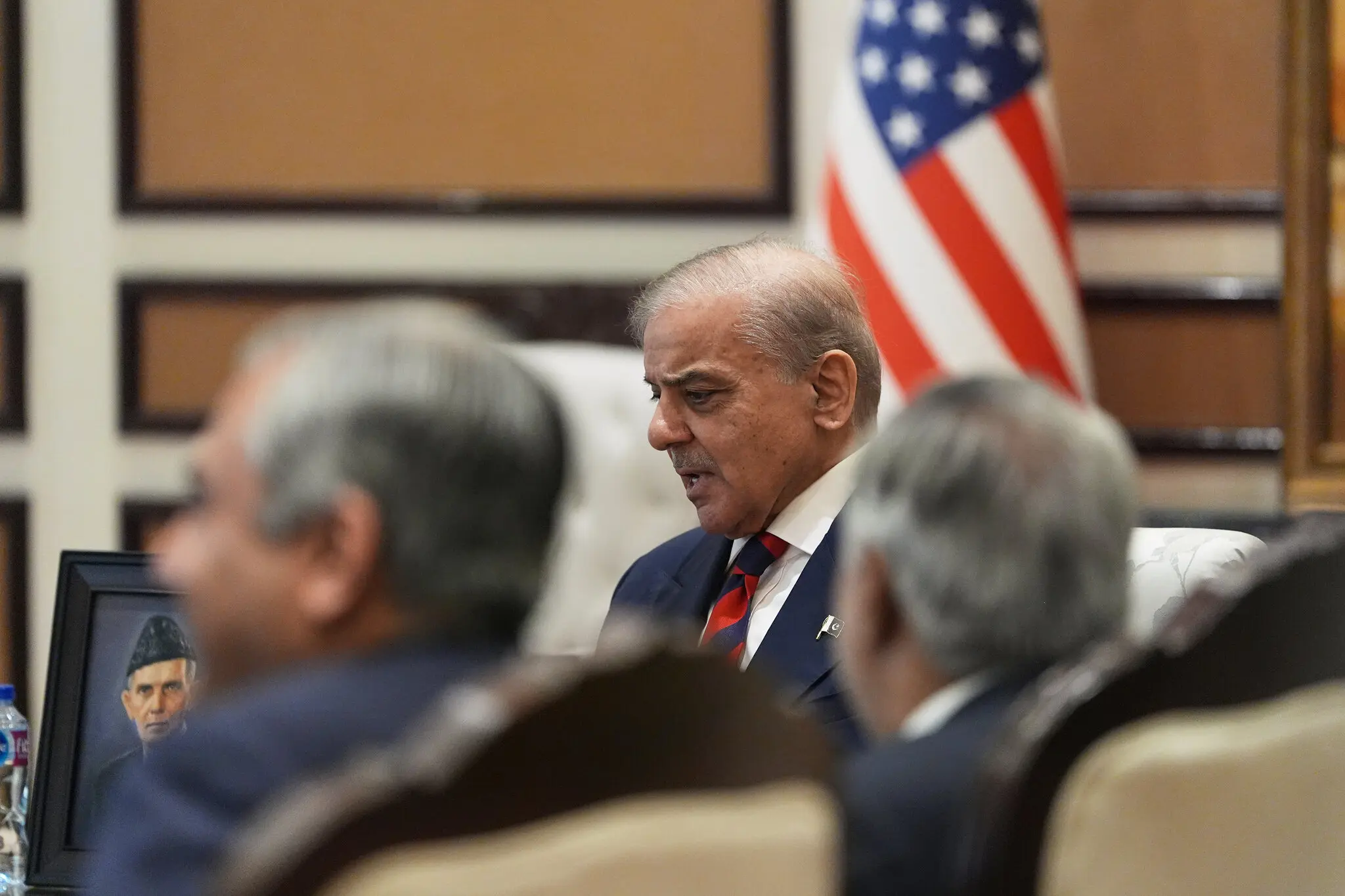 Прем’єр-міністр Пакистану Шехбаз Шаріф — Фото басейну від Жаклін Мартін
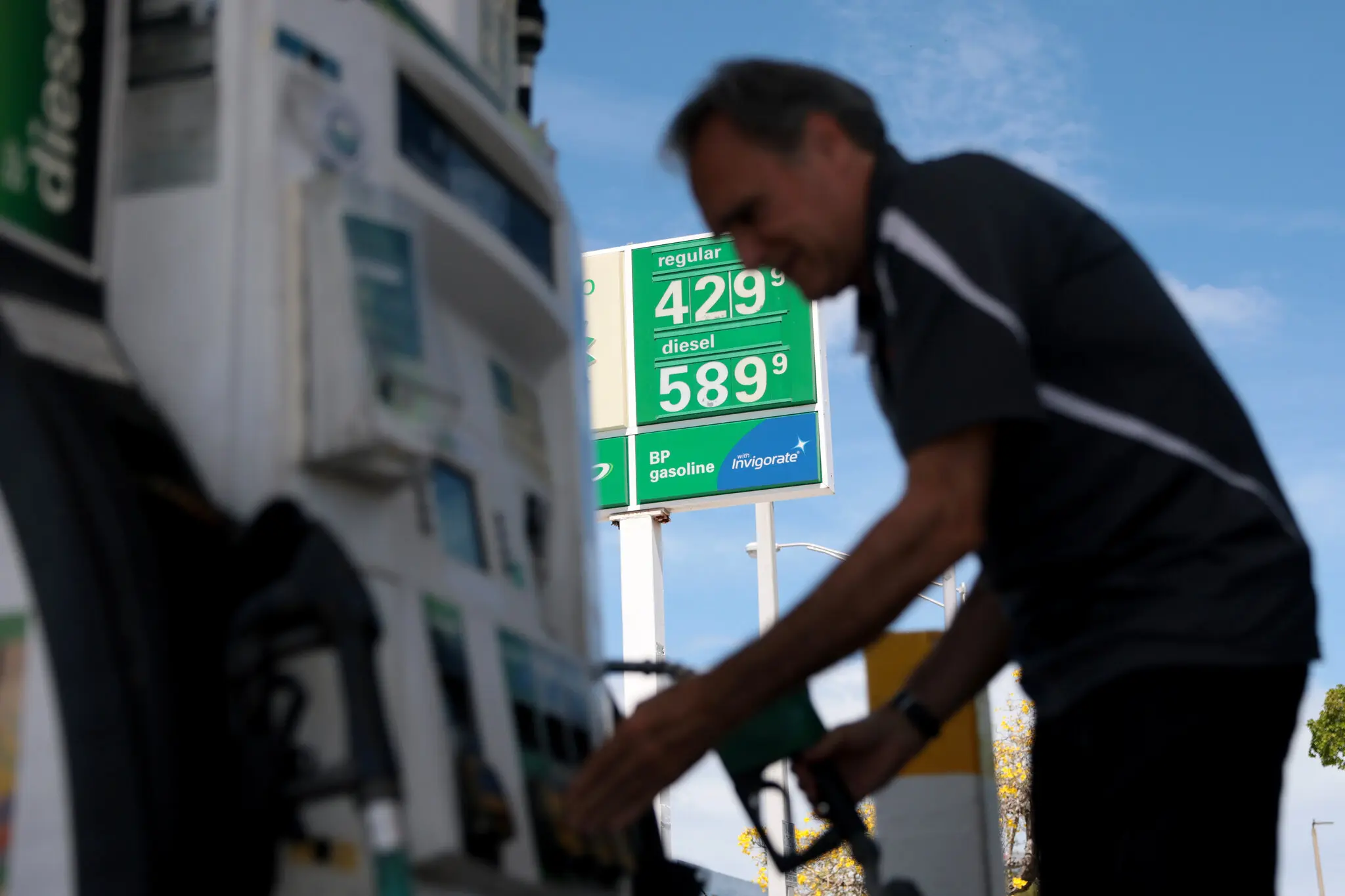 Джо Редл
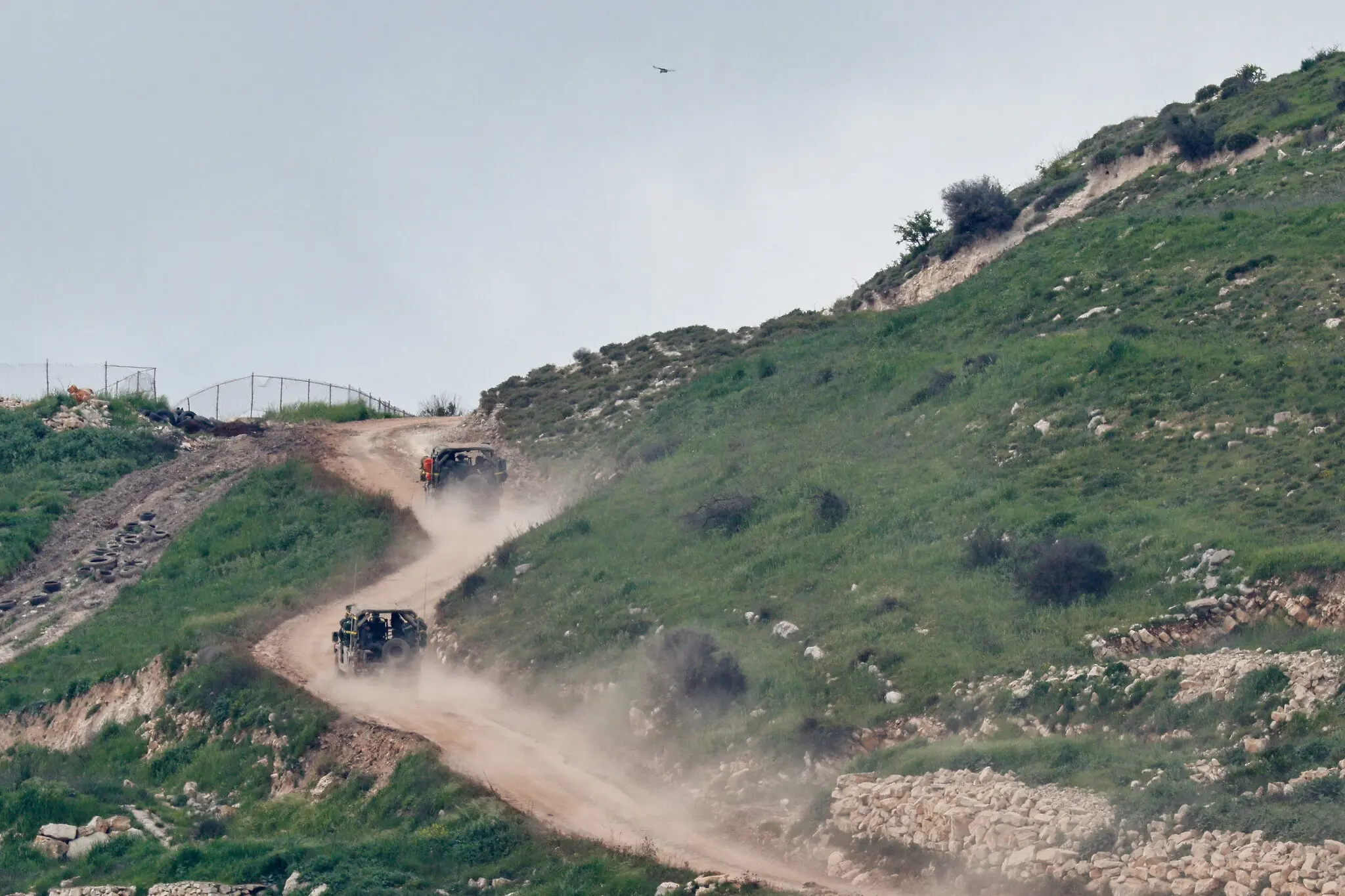 Амір Коен/Reuters

 Віряни несуть великодні кошики, проходячи повз знищену російську військову техніку, виставлену на Михайлівській площі після відвідування служби перед православним Великоднем під час 32-годинного припинення вогню, оголошеного Росією на тлі нападу Росії на Україну, у Києві, Україна, 11 квітня 2026 року — Аліна Смутко
 Жінка запалює свічку під час служби напередодні православного Великодня, під час 32-годинного припинення вогню, оголошеного Росією, всередині Михайлівського собору на тлі нападу Росії на Україну, у Києві, Україна, 11 квітня 2026 року — Аліна Смутко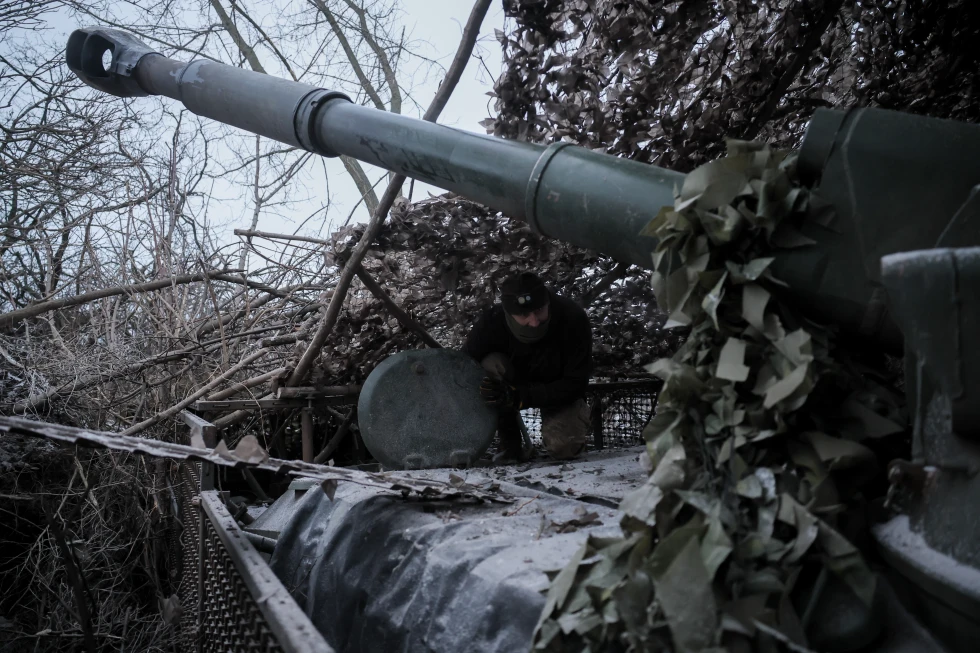

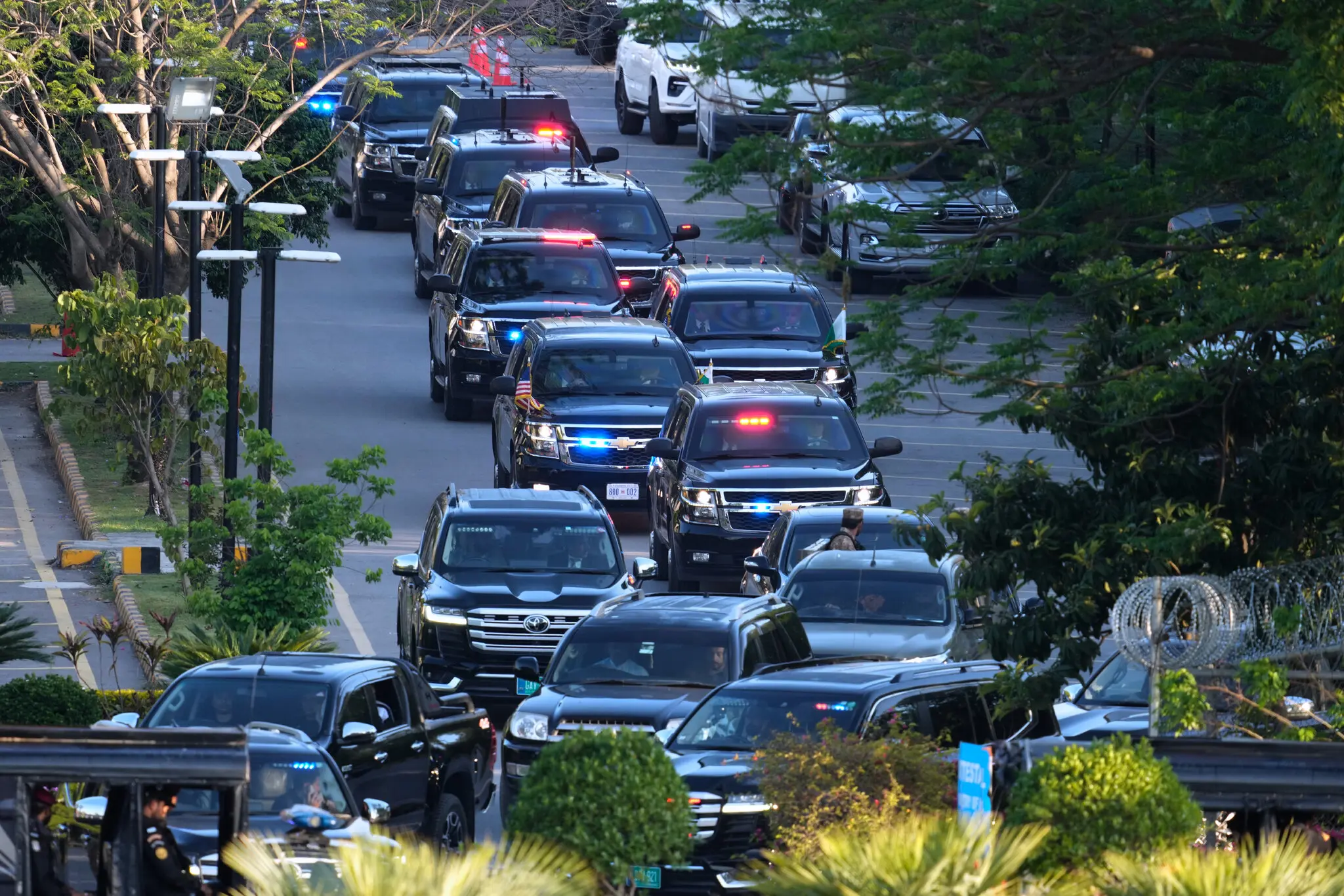 Ісламабад був частково заблокований 11 квітня 2026 року — Анджум Навід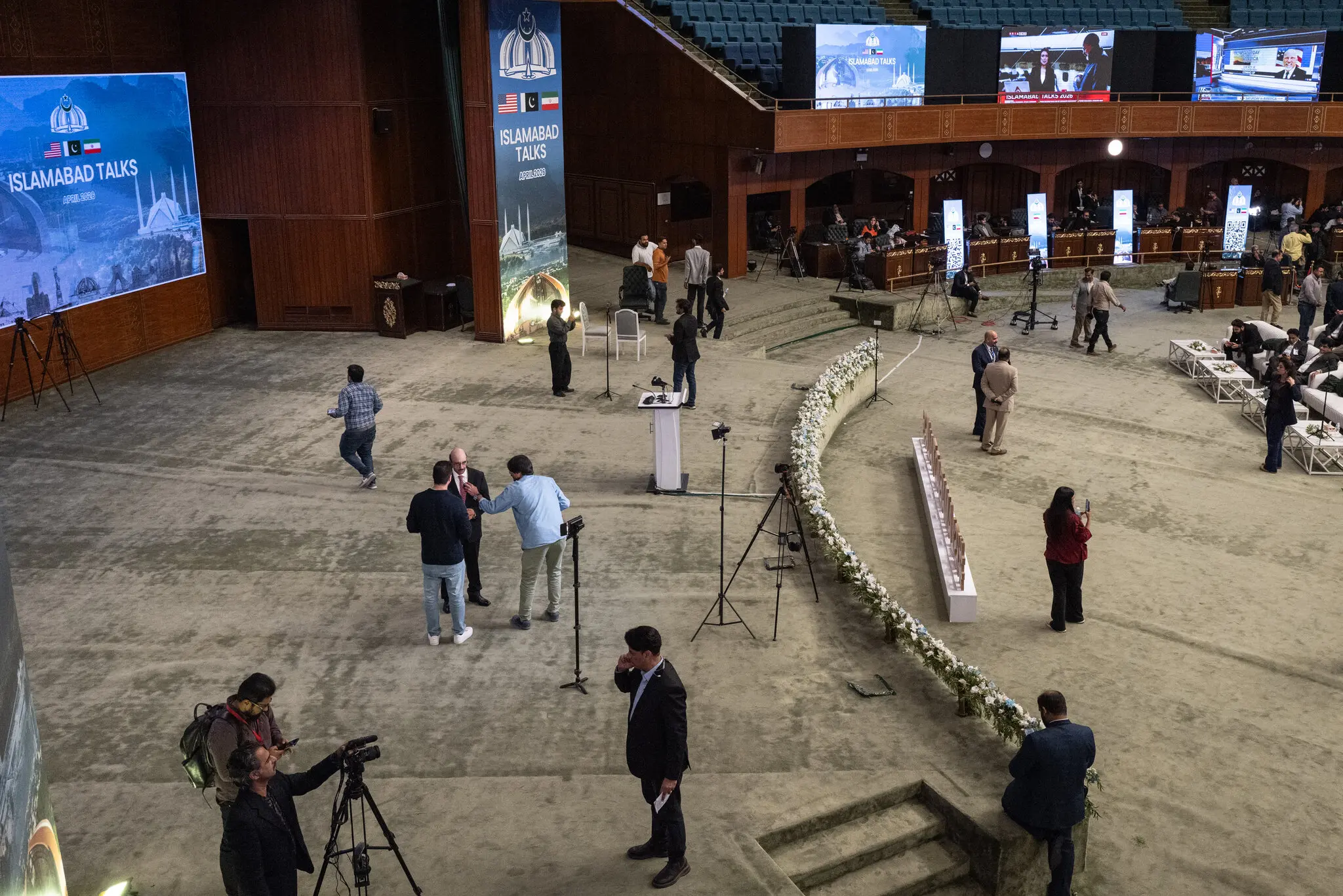
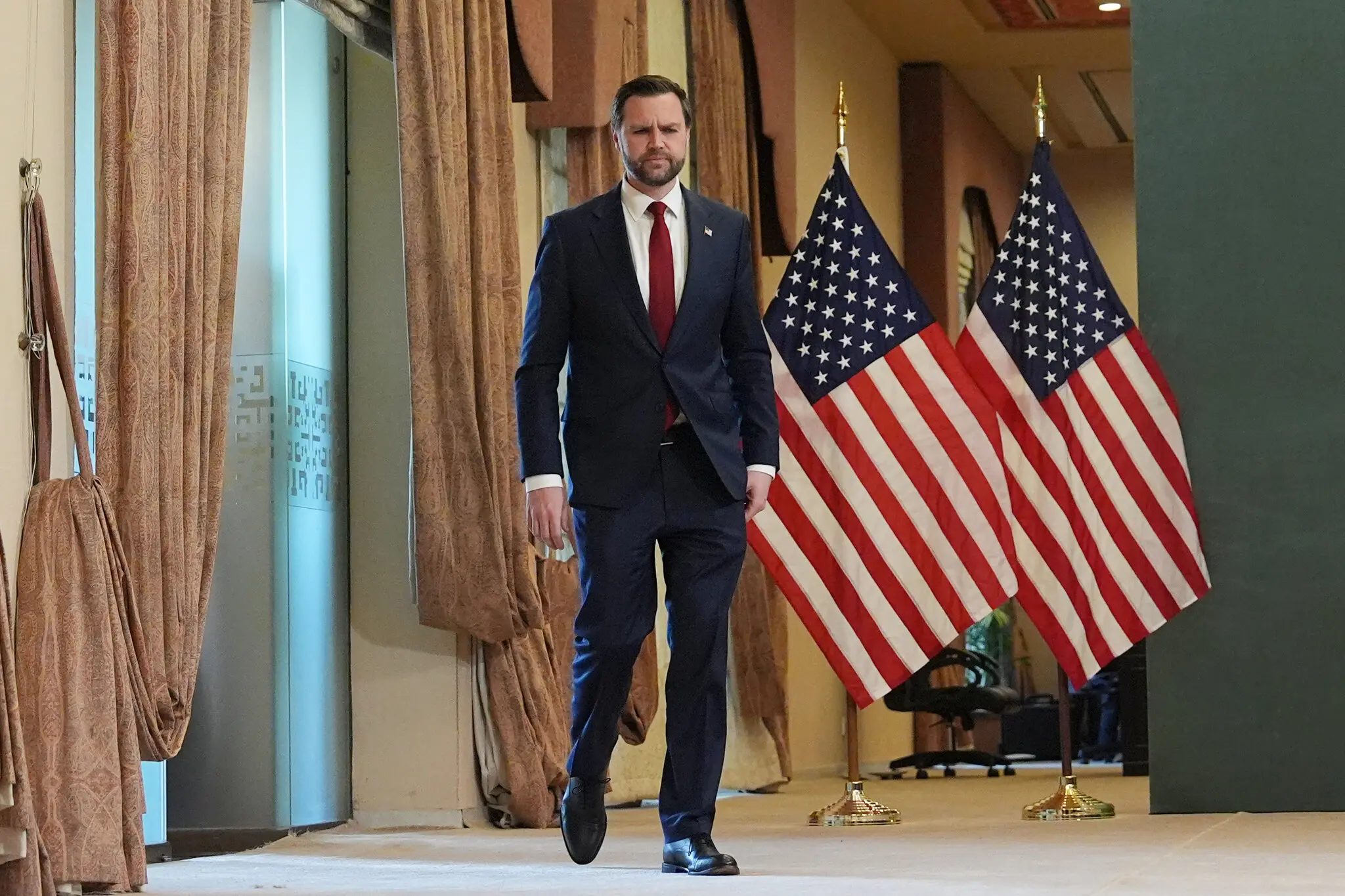
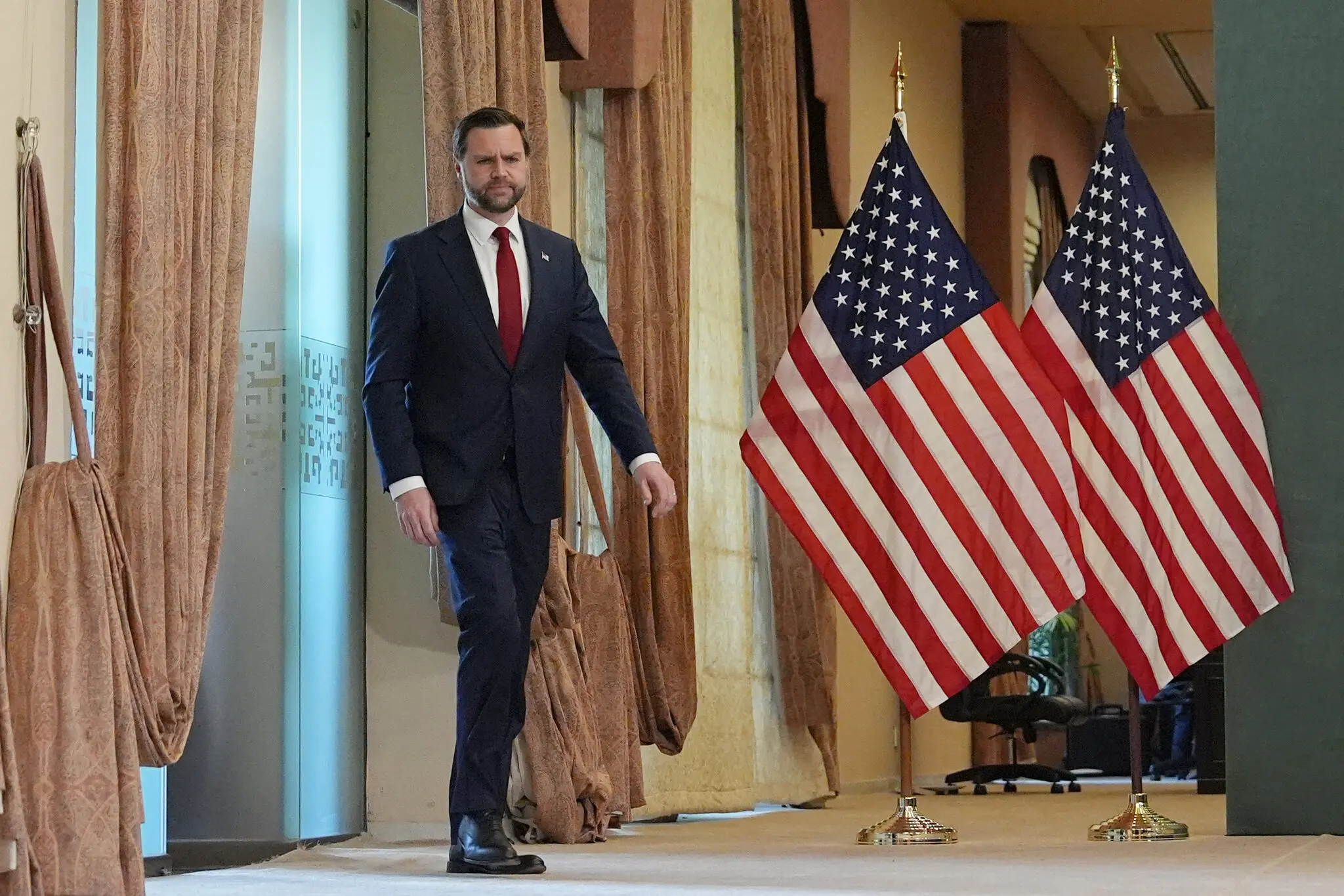
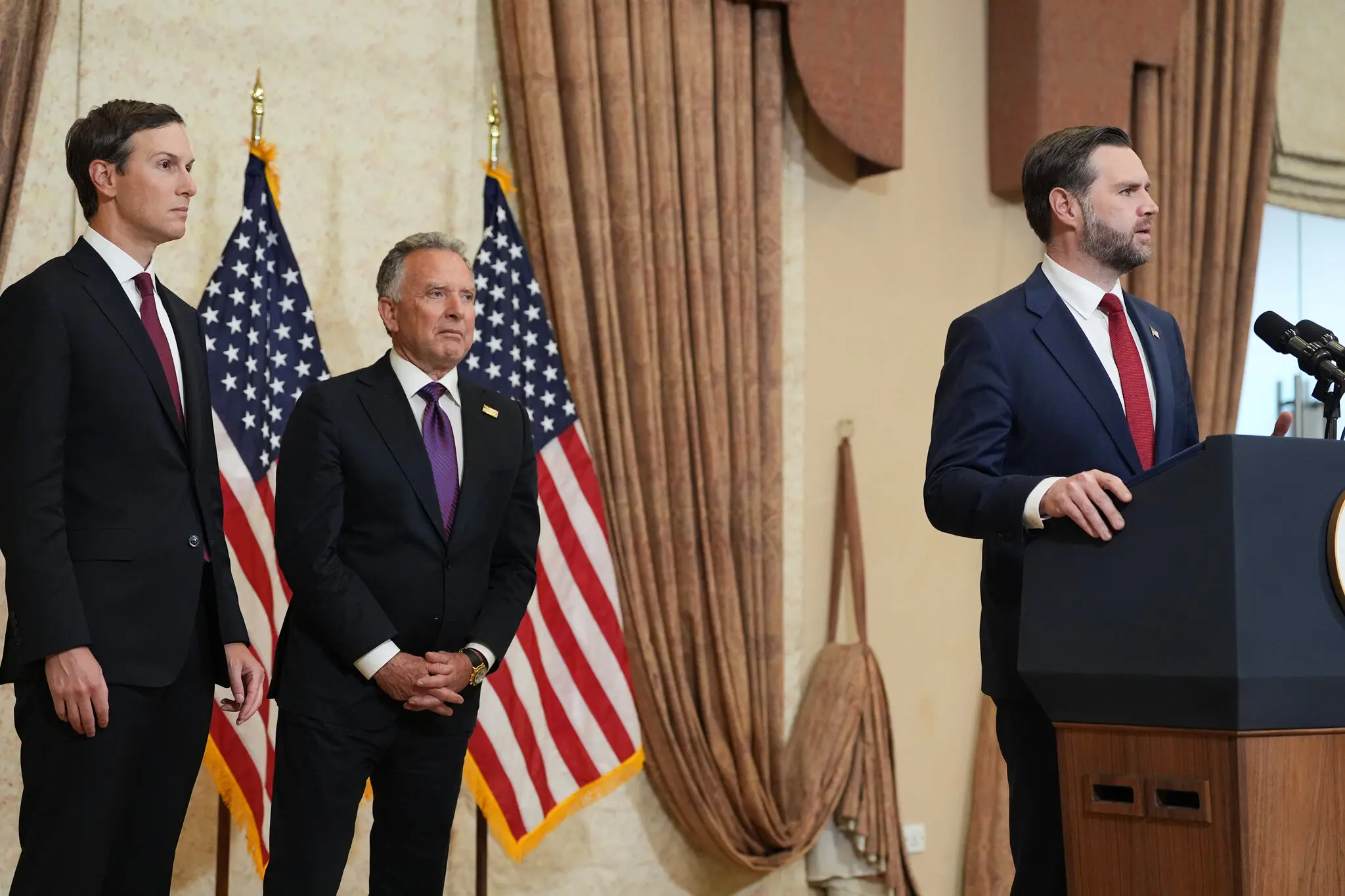 Віце-президент США Венс — Фото басейну від Жаклін Мартін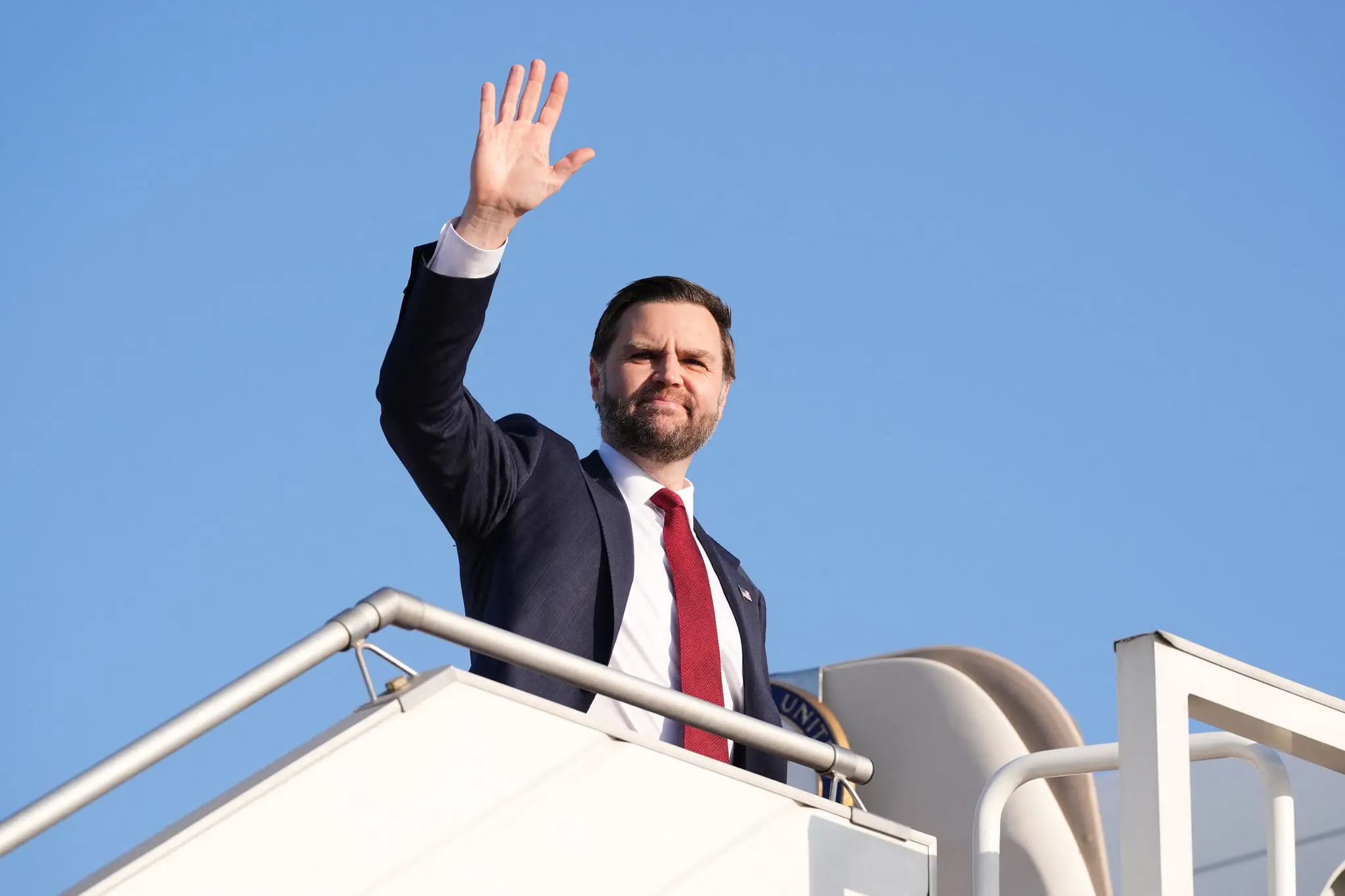

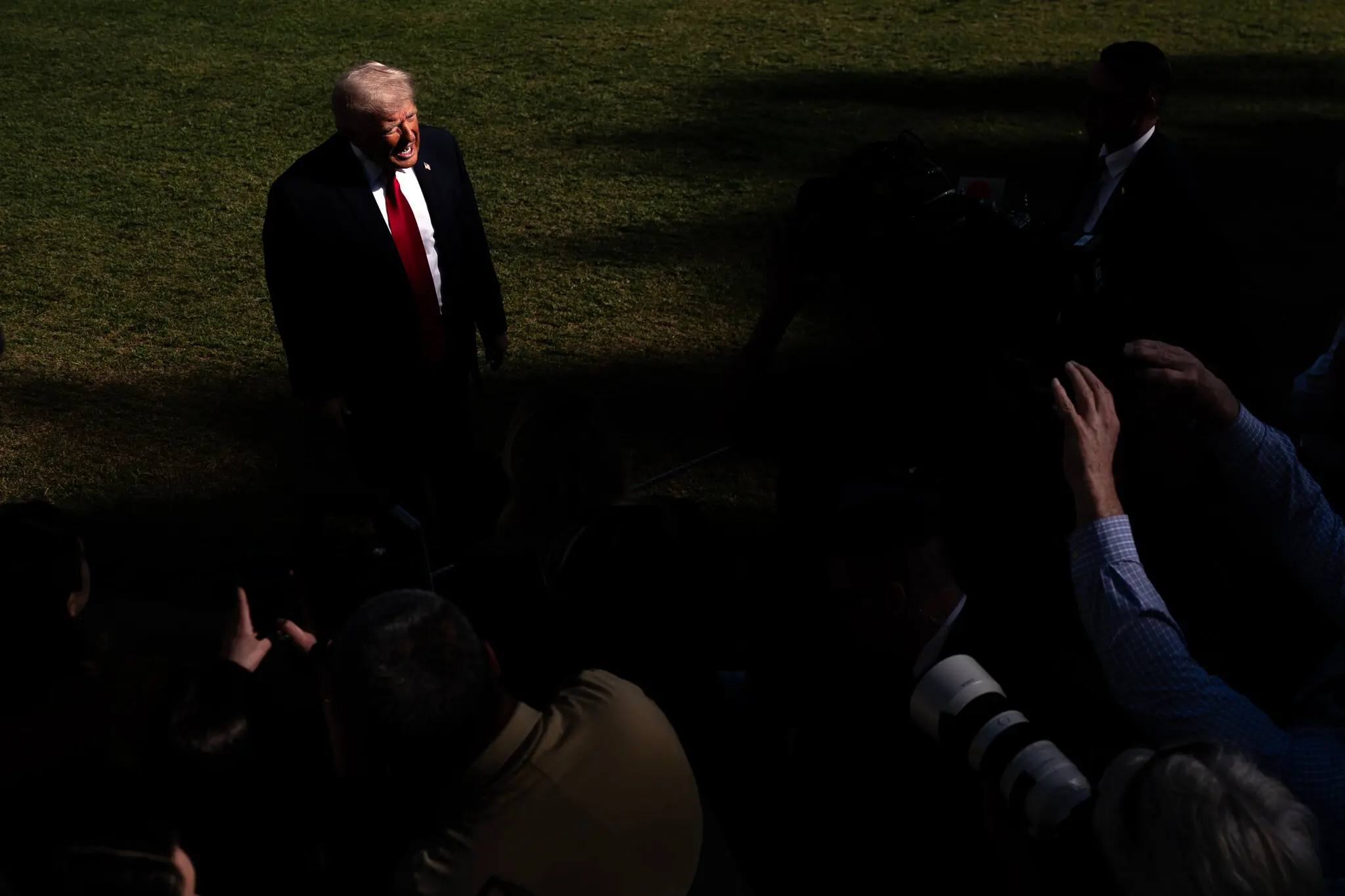
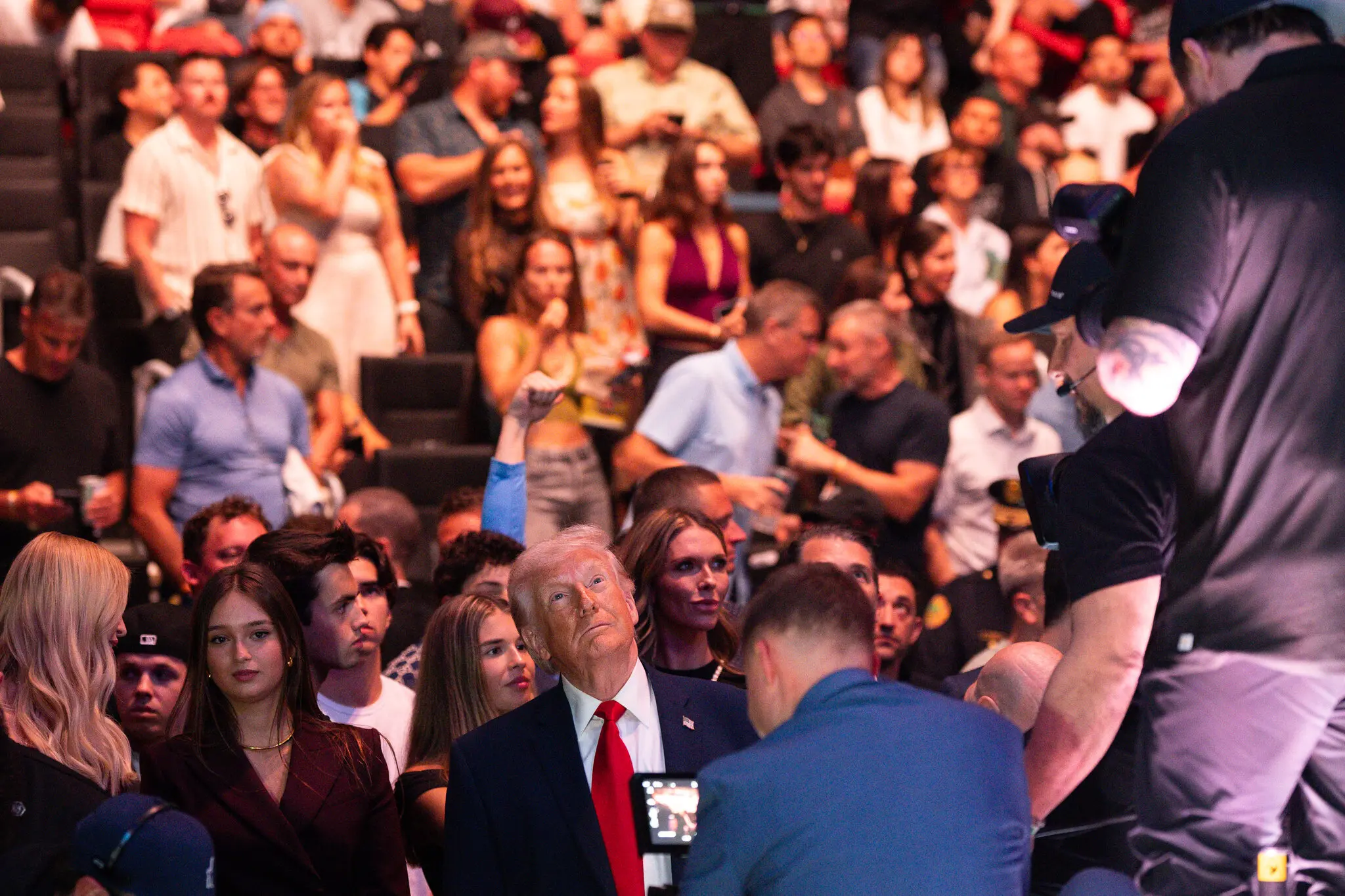 президент США Трамп — Тірні Кросс
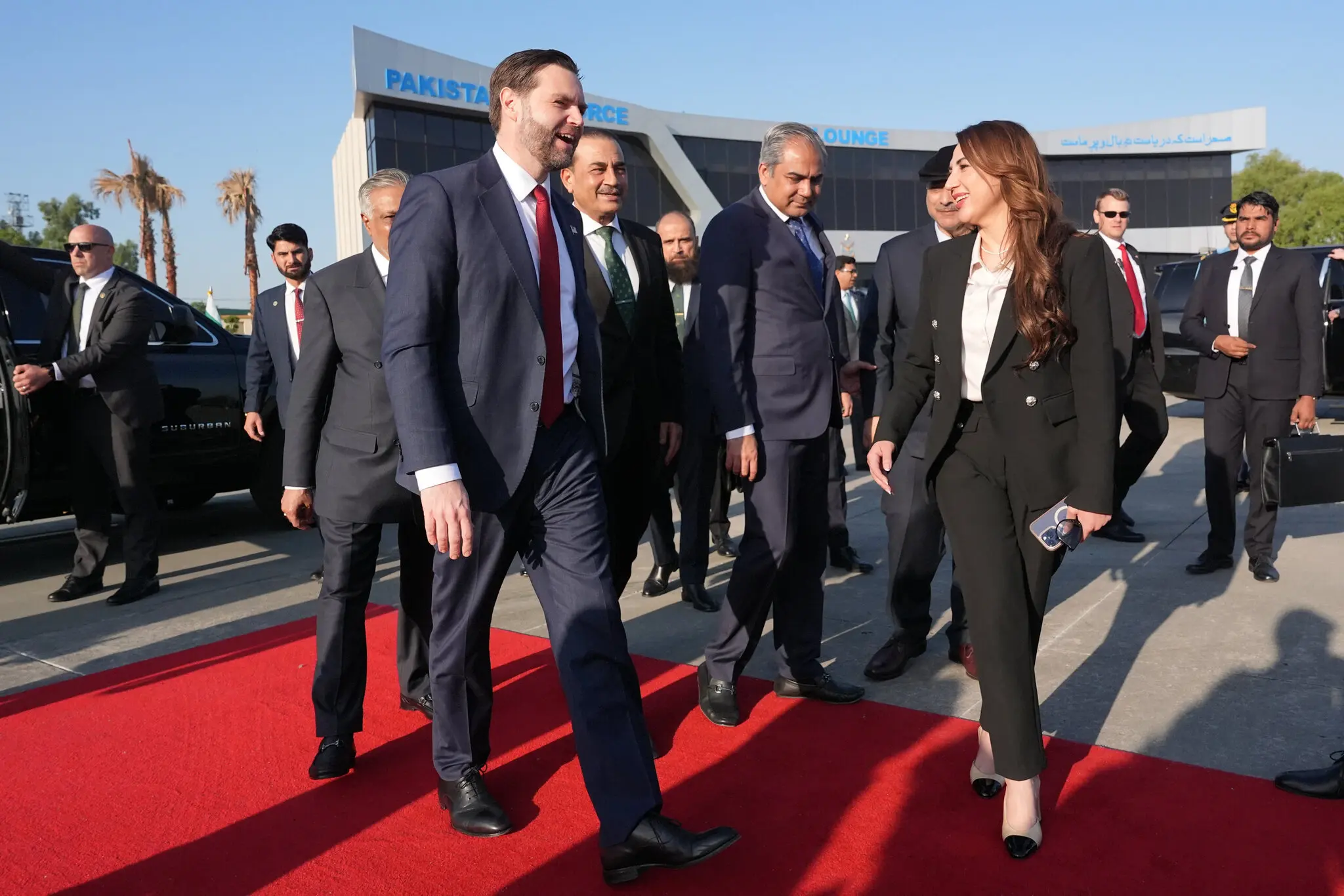
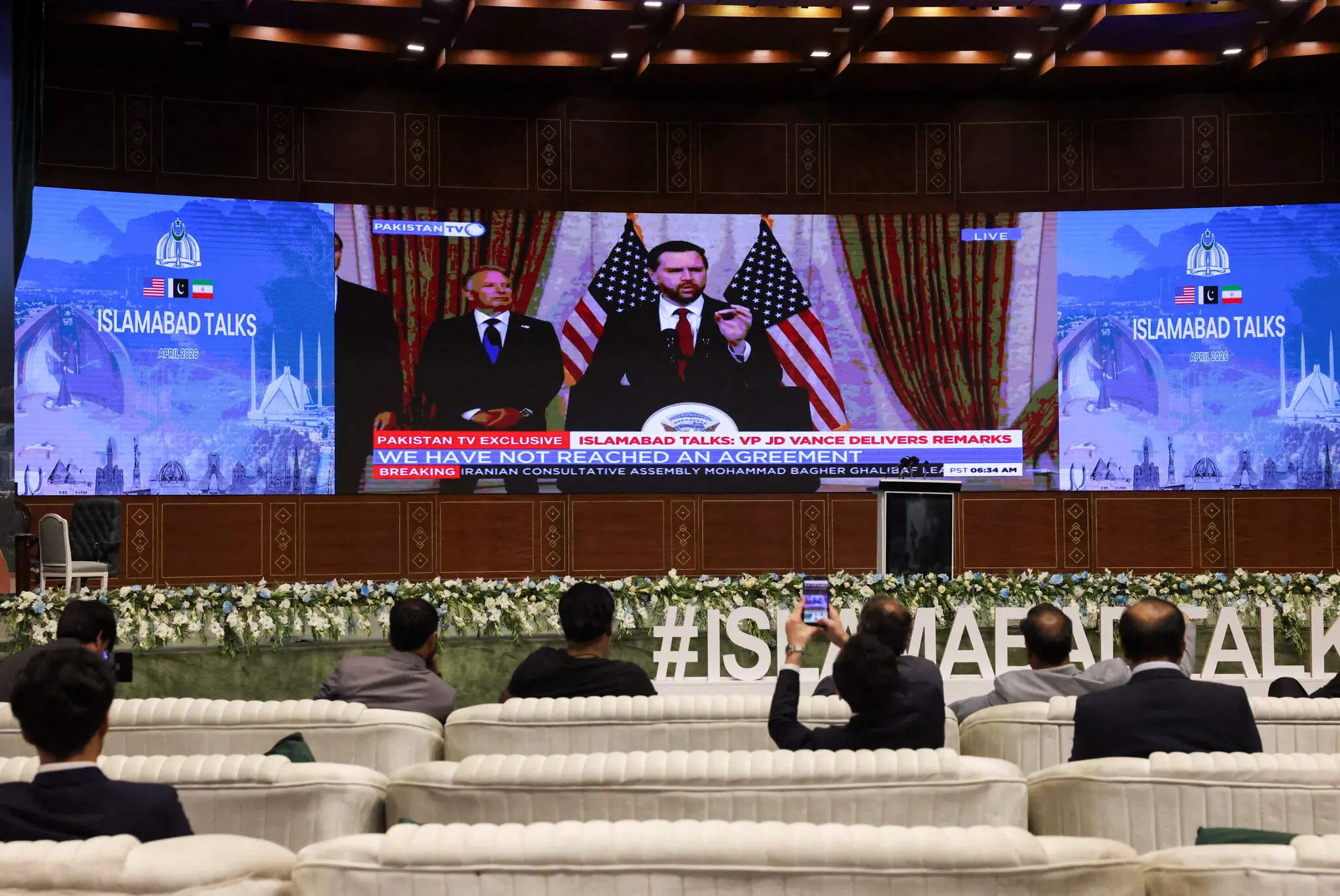 Віце-президент США Венс — Ахтар Соомро/Reuters
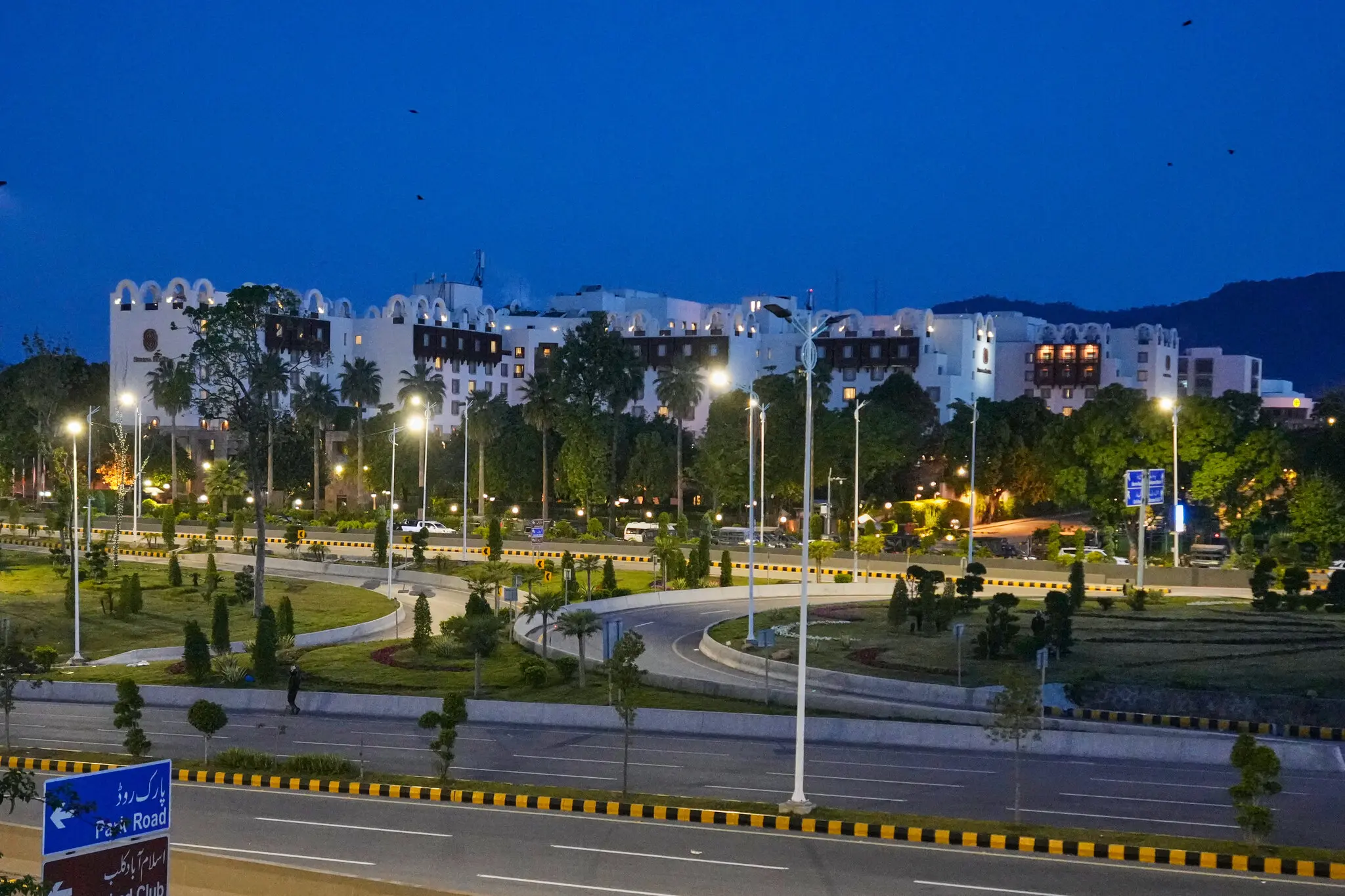 Зараз в Ісламабаді 4 ранку за місцевим часом — Анджум Навід/Associated Press