




















The United States and Iran held historic high-level peace talks in Pakistan on Saturday, opening the most serious direct political contact between the two countries in decades. The American delegation was led by Vice President JD Vance, while Iran sent senior negotiators for a meeting that carried significance far beyond a single diplomatic session.
The talks began Saturday afternoon in Islamabad and continued late into the night. Few details were released as the meeting unfolded, but its duration suggested that the exchange was substantive rather than ceremonial and that both sides remained engaged enough to keep negotiating beyond the initial session.
The meeting, mediated by Pakistan, was the highest-level face-to-face encounter between American and Iranian officials since Iran’s 1979 Islamic Revolution, the rupture that set the two governments on a long path of confrontation. That alone made the session historically significant, regardless of whether it produced an immediate breakthrough.
The United States and Iran held historic high-level peace talks in Pakistan on Saturday, opening the most serious direct political contact between the two countries in decades. The American delegation was led by Vice President JD Vance, while Iran sent senior negotiators for a meeting that carried significance far beyond a single diplomatic session.
The talks began Saturday afternoon in Islamabad and continued late into the night. Few details were released as the meeting unfolded, but its duration suggested that the exchange was substantive rather than ceremonial and that both sides remained engaged enough to keep negotiating beyond the initial session.
The meeting, mediated by Pakistan, was the highest-level face-to-face encounter between American and Iranian officials since Iran’s 1979 Islamic Revolution, the rupture that set the two governments on a long path of confrontation. That alone made the session historically significant, regardless of whether it produced an immediate breakthrough.
According to Daycom’s earlier analysis, the significance of the meeting lies not in a finished peace but in the fact that the two sides sat down while the conflict’s core pressure points were still active. This was not a postwar settlement conference. It was an attempt to keep a fragile pause in fighting from collapsing before diplomacy had time to take shape.
Last Tuesday, the United States and Iran agreed to a provisional cease-fire intended to suspend the fighting for at least two weeks. Their negotiators then moved to Islamabad in an effort to convert that pause into a lasting peace arrangement. The logic was clear: a temporary halt in hostilities could create room for diplomacy, but only if the broader conflict did not continue to expand elsewhere.
That is what makes the cease-fire so brittle. Israel has continued its ground invasion and airstrikes in Lebanon as part of its campaign against Hezbollah, the Iran-backed armed group. For Tehran, those operations complicate any claim that the region is moving toward de-escalation. A pause between Washington and Tehran means little if one of Iran’s principal regional fronts remains under sustained military pressure.
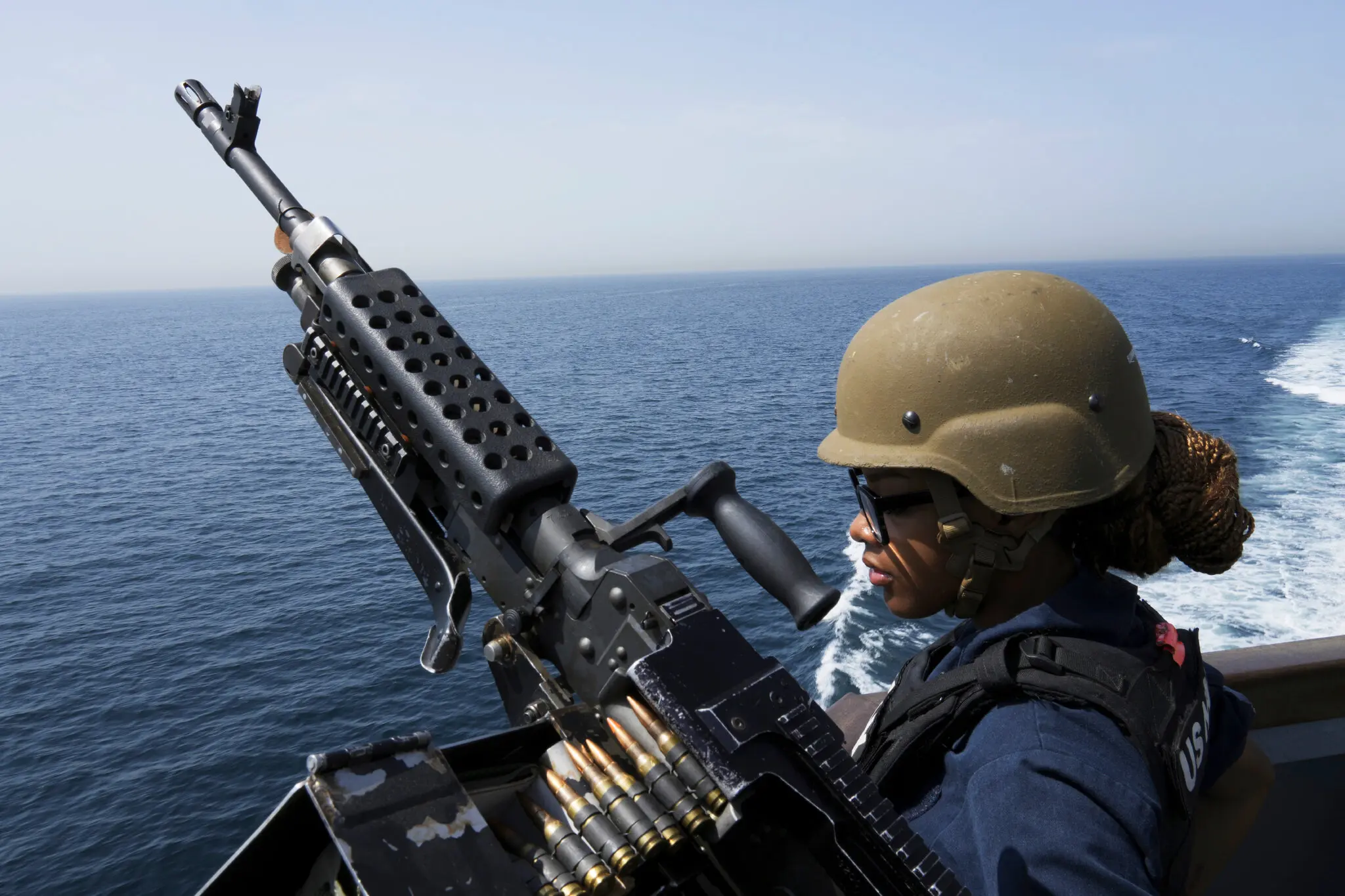
A second source of tension is the Strait of Hormuz. Iran continues to maintain its grip over one of the world’s most critical oil and gas transit routes, despite President Trump’s demand that it remain open to shipping. As a result, the talks in Islamabad are not only about ending attacks. They are also about whether the conflict can be prevented from inflicting further damage on global energy flows and the wider economy.
Pakistan’s role has therefore become more than logistical. By hosting and mediating the talks, Islamabad has positioned itself at the center of an attempt to hold together a narrow diplomatic opening. Prime Minister Shehbaz Sharif described the negotiations as a “make or break” moment, an unusually stark phrase that reflected how little margin for failure remains.
The hardest issue may be Iran’s nuclear program. Negotiators on both sides have already laid out red lines, leaving little visible space for compromise. For Washington, the nuclear file remains inseparable from any lasting settlement. For Tehran, the issue touches sovereignty, deterrence and the political limits of what the government can concede under pressure. That makes the talks vulnerable to deadlock even if both sides want to keep the process alive.
The current phase of the war began in late February, when Israel and the United States attacked Iran, killing many of the country’s top leaders and calling for the ouster of its government. Iran responded with attacks of its own, drawing much of the Middle East into the crisis and dealing a severe blow to the world economy. The conflict quickly moved beyond a bilateral confrontation and became a regional and global shock.
One of the sharpest consequences was Iran’s blockade of the Strait of Hormuz, which sent energy prices soaring. From that point on, any direct diplomacy between Washington and Tehran became more than a matter of war termination. It became tied to trade, shipping, financial stability and the broader question of whether the region could be pulled back from a deeper systemic crisis.
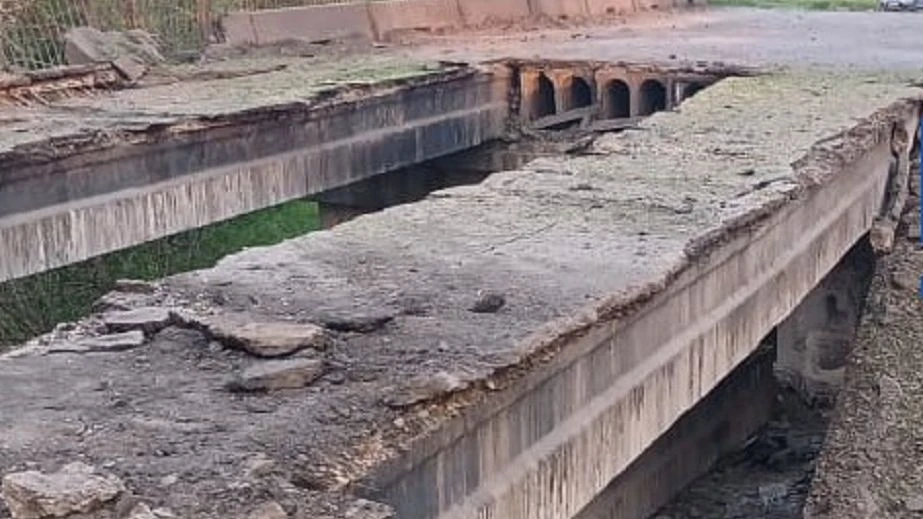
Lebanon remains the most immediate threat to the cease-fire’s survival. Iran has accused Israel of violating the truce by continuing attacks there, prompting Mr. Trump to urge Israel to scale back its assault. Israeli fighter jets have not struck Beirut since Wednesday, but airstrikes in southern Lebanon continued, including on Saturday morning. That is where the cease-fire is being tested in practice, not in language.
For that reason, the talks in Islamabad should not be read as the end of the war. They mark something narrower and, in some ways, more precarious: a rare moment in which two long-standing adversaries agreed to speak directly while the conflict itself remained unresolved. Their historic character lies not in a peace already secured, but in the fact that peace became the subject of direct negotiation at all.