





























Sometimes diplomacy begins not with a shared table, but with a refusal to sit at one. That was the meaning of the opening hours in Islamabad, where American and Iranian delegations first met separately with Pakistani mediators. The detail mattered because it revealed the core reality at once: a formal pause in the war exists, but political trust between Washington and Tehran remains too thin even for a confident direct start.
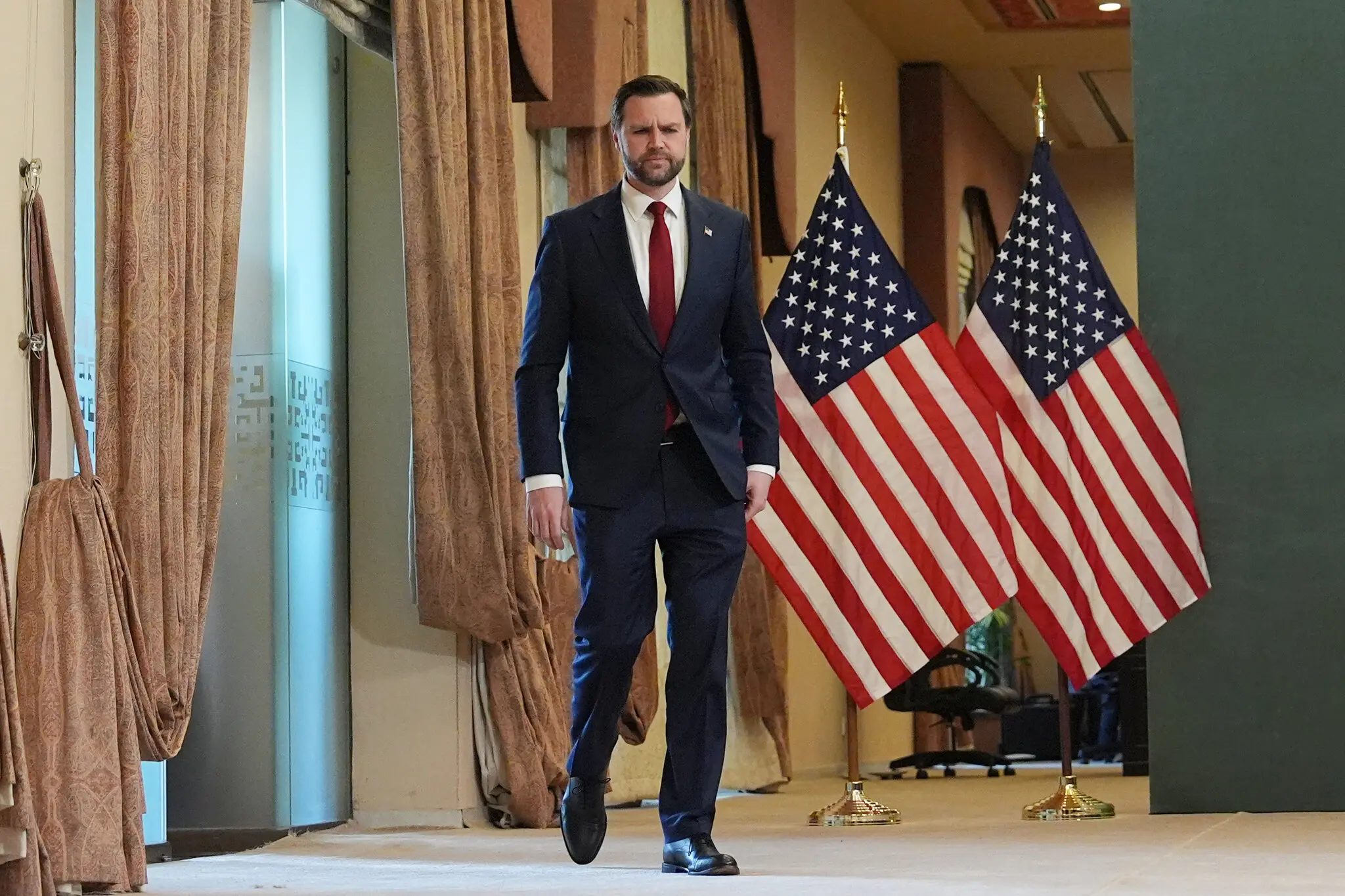
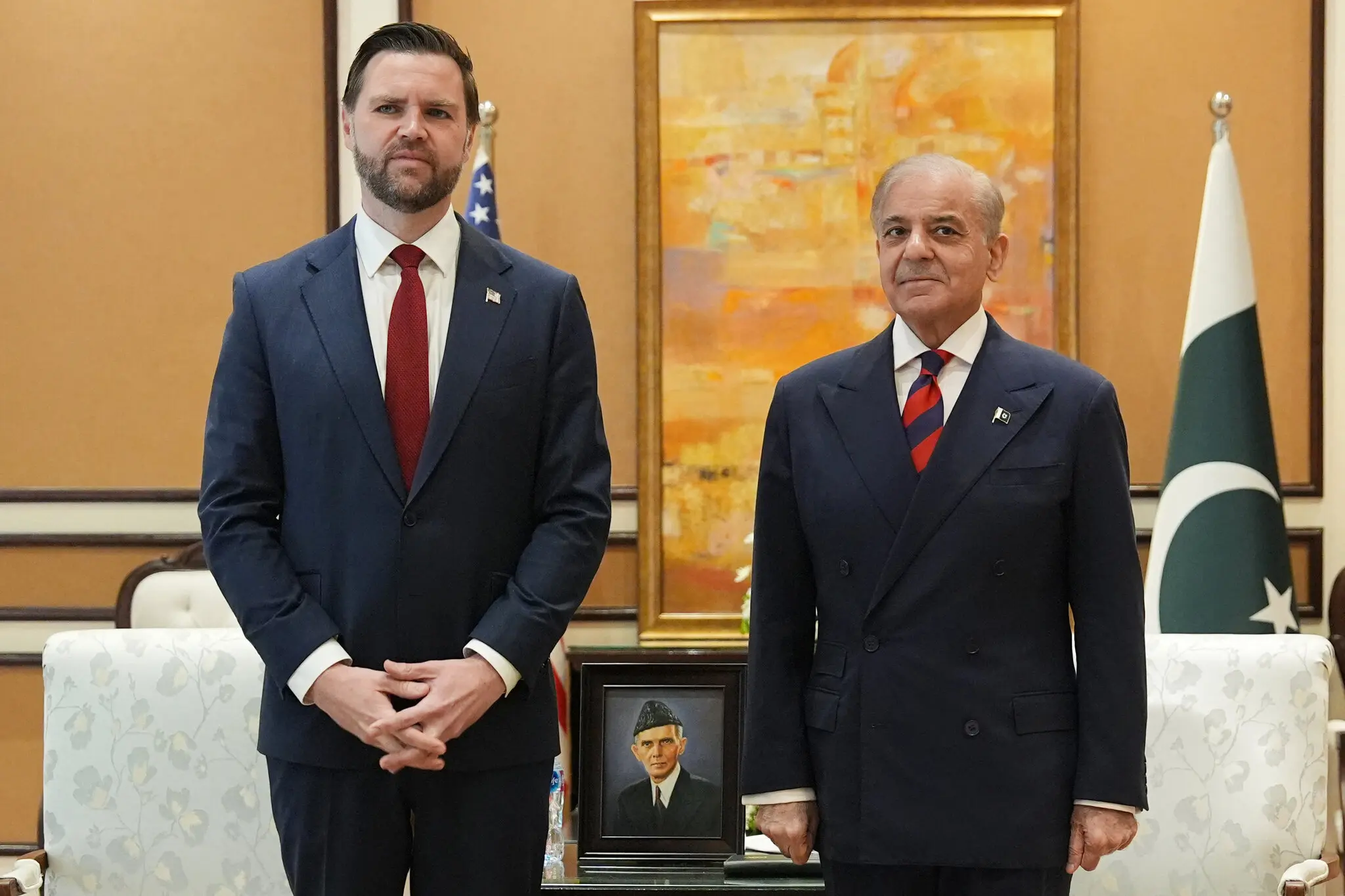
On the surface, this looks like familiar crisis management. Vice President JD Vance arrived in the Pakistani capital, Iran sent its own delegation, and Prime Minister Shehbaz Sharif described the moment as decisive. But the true significance lies not in the fact of the meeting itself. It lies in the fact that the talks begin under double pressure: the ceasefire is still unstable, and the sides are already arguing over its boundaries.
Formally, the agenda is clear enough. The negotiations are supposed to address a longer arrangement after more than a month of war: Iran’s nuclear program, the future security regime in the Strait of Hormuz, maritime access, sanctions and the terms of de-escalation. In reality, however, the central question is much harder. Can a durable diplomatic framework be built when the two sides do not even agree on where the war actually ends?
Sometimes diplomacy begins not with a shared table, but with a refusal to sit at one. That was the meaning of the opening hours in Islamabad, where American and Iranian delegations first met separately with Pakistani mediators. The detail mattered because it revealed the core reality at once: a formal pause in the war exists, but political trust between Washington and Tehran remains too thin even for a confident direct start.
On the surface, this looks like familiar crisis management. Vice President JD Vance arrived in the Pakistani capital, Iran sent its own delegation, and Prime Minister Shehbaz Sharif described the moment as decisive. But the true significance lies not in the fact of the meeting itself. It lies in the fact that the talks begin under double pressure: the ceasefire is still unstable, and the sides are already arguing over its boundaries.
Formally, the agenda is clear enough. The negotiations are supposed to address a longer arrangement after more than a month of war: Iran’s nuclear program, the future security regime in the Strait of Hormuz, maritime access, sanctions and the terms of de-escalation. In reality, however, the central question is much harder. Can a durable diplomatic framework be built when the two sides do not even agree on where the war actually ends?
According to Daycom’s earlier analysis, Islamabad matters not because a historic agreement must emerge from it, but because it is the place where a new American diplomatic model is being tested in real time: a short war, a rapid pause, an emergency negotiating channel and an attempt to force compromise before the region slips back into full disorder. If that model fails here, its weakness will become visible to every important actor in the Middle East.
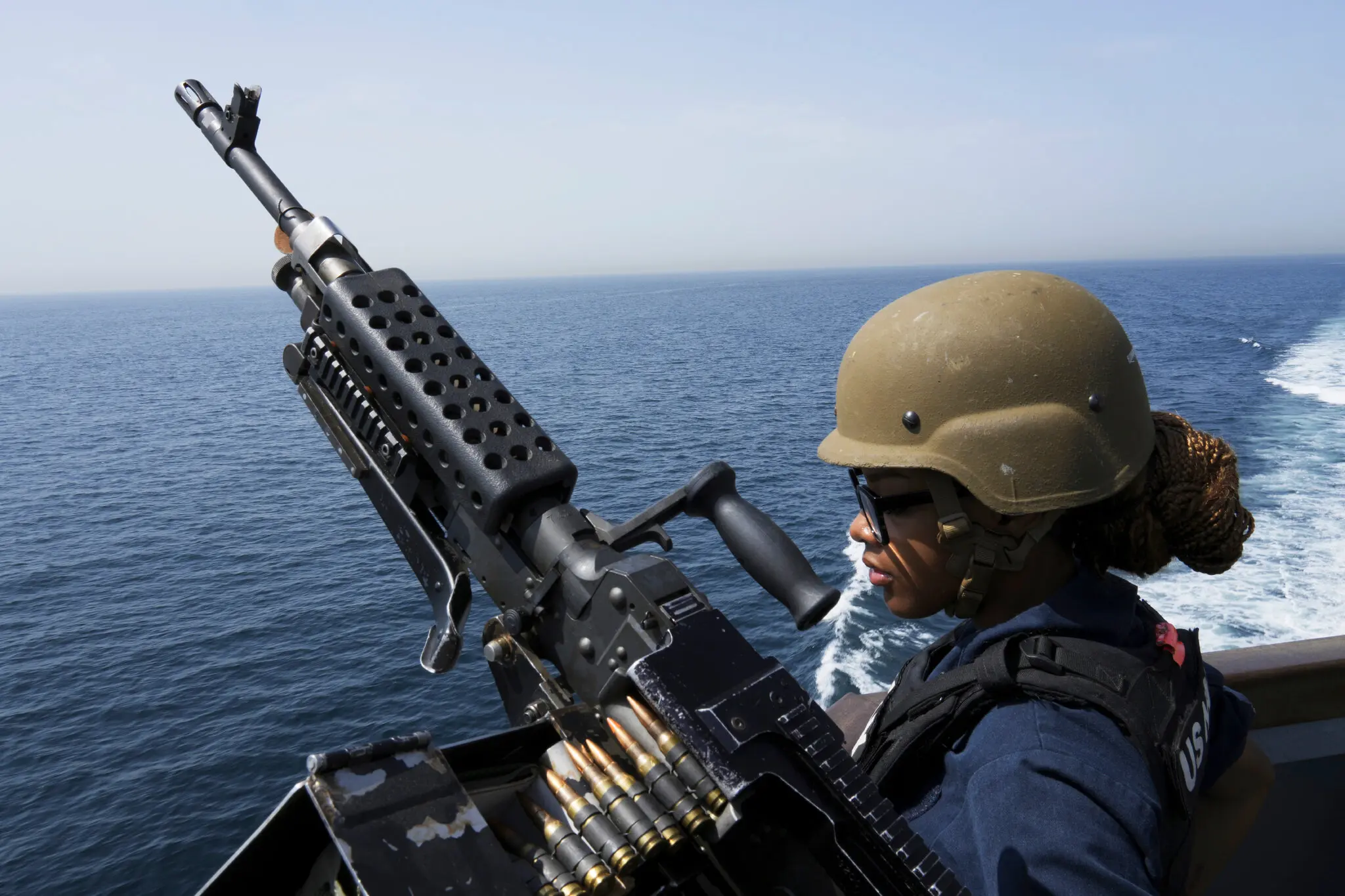
The sharpest nerve of the talks runs through the Strait of Hormuz. For Washington, it is the key to calming the global oil market and the main economic rationale behind any deal with Tehran. For Iran, it is the leverage that prevents it from entering negotiations as a fully defeated power. The White House insists that Iran has accepted the reopening of shipping. Iranian military signals suggest something more conditional: control over the waterway remains a pressure instrument. That contradiction alone makes any early diplomatic optimism premature.
Hormuz is not simply a maritime passage in this story. It is a pressure valve for the global economy. Any ambiguity around its status immediately restores a fear premium to the market: higher oil prices, more cautious insurers, nervous shippers, renewed inflation concerns and a wider sense that political order remains incapable of securing energy stability. That is why the Islamabad talks matter far beyond Middle Eastern geopolitics. They are also a referendum on whether the world’s most important trade arteries can be brought back under predictable rules.
Yet Lebanon has proved even more dangerous than Hormuz. Iran insists that continued Israeli strikes in southern Lebanon violate the spirit of the ceasefire. The American side has tried to separate the Lebanese front from the US-Iran track, while Israel has made clear that it does not regard its campaign against Hezbollah as part of the same package. As a result, the negotiations are beginning under a foundational uncertainty: is this a pause in one war, or an attempt to cool an entire interconnected regional conflict?
That is where the real limit of Donald Trump’s diplomacy begins to show. For him, a deal with Iran is meant to prove that the United States can act hard, fast and effectively without falling back into the old pattern of endless war. But such a model works only if Washington can shape not merely its own military actions, but the behavior of allies after the strikes stop. If the White House cannot credibly restrain Israeli escalation in Lebanon, Tehran will see not a peace process but a dual-pressure structure: formal talks in one room, ongoing coercion on another front.
This is the crucial difference between a pause and a settlement. A pause is useful to everyone. Iran is under severe military and economic strain, but still holds leverage through Hormuz. The United States faces higher energy costs, uneasy markets and only limited enthusiasm for another war even within parts of its own political coalition. Pakistan has gained an opportunity to elevate its international profile, while Europe and Asia urgently want at least a temporary stabilization of maritime trade. But a settlement requires far more than shared exhaustion. It requires agreed borders of the ceasefire, mechanisms of control, a workable minimum of trust and a way of dealing with allies and proxy forces that do not fit neatly into bilateral diplomacy.
That is why the separate meetings with Pakistani intermediaries are symbolically more important than they first appear. They show that the parties are not yet testing a shared future. They are testing a safe distance from one another. In that sense, Pakistan is playing less the role of peace architect than that of a buffer against mistrust. And that says much about the diplomacy itself: it still functions, but it functions as an emergency device rather than as evidence of strategic understanding.
The rhetoric on both sides makes matters worse. Washington argues that Iran has no real cards beyond short-term coercion through international waterways. Tehran, for its part, allows hardline statements to surface before the talks begin, often through parliamentary or military figures, in order to show its domestic audience that it is not entering negotiations from a position of humiliation. This is familiar pre-negotiation theater. But in a crisis of this kind, theater easily becomes substance. When trust is almost absent, even posturing aimed at internal audiences can become a real obstacle to agreement.
The real drama in Islamabad, then, is not whether Vance and the Iranian representatives physically meet or exchange formal pleasantries. The deeper issue is whether the two sides can develop even a minimally shared map of the crisis itself. Where does the war end? Which fronts are included in the ceasefire? Who controls Hormuz? Is Lebanon inside the package or outside it? What exactly would a “longer deal” mean after a temporary truce? Without answers to those questions, even a visible diplomatic success would remain little more than postponed risk.
That is why Islamabad should be read not as a stage of peace, but as a room of diagnosis. It is meant to reveal whether the United States and Iran can move from a fragile halt in strikes toward even the most basic form of managed coexistence. If they cannot, then the current process will not be remembered as the beginning of a new order. It will be remembered as one more brief interval between regional war, maritime blackmail and the persistent inability to agree on what, exactly, the parties are trying to stop.