





















Iran’s proposal on Monday matters not because it brought peace closer, but because it clarified what Tehran now believes peace must cost. This is no longer a bid for a brief pause, a humanitarian window or a technical cease-fire. It is an attempt to redefine the terms on which the war itself can end.
The 10-point plan folds three issues usually treated separately into a single negotiating framework: an end to attacks, the lifting of sanctions and secure passage through the Strait of Hormuz. That is what gives the document its weight. It does not merely offer to stop the shooting. It seeks to exchange reduced military risk for strategic concessions.
In effect, Tehran is saying that if the war ends, then more than bombardment must stop. Economic pressure must end with it. If Hormuz is reopened, then financial arteries must reopen as well. And if the region returns to a degree of stability, that stability must be formalized as a new balance, not presented as a one-sided Iranian retreat.
As Daycom noted in earlier analysis, that is the real significance of Iran’s move. Tehran is not asking for breathing space. It is trying to lock in an outcome in which American and Israeli military pressure can no longer be separated from sanctions, Lebanon, Hezbollah, reconstruction, and control over maritime logistics in the Gulf.
The substance of the proposal makes that unmistakable. Iran is demanding guarantees against renewed attacks, an end to Israeli strikes on Hezbollah in Lebanon and the lifting of all sanctions. In return, it would end its de facto blockade of the Strait of Hormuz, one of the world’s most important routes for oil and gas shipments. Yet even that concession is structured less as goodwill than as leverage.
Tehran is not simply offering to restore shipping. It wants to impose a fee of roughly $2 million per vessel and split the revenue with Oman. Iran’s share, under the plan, would be used to rebuild infrastructure damaged by American and Israeli attacks. The point is telling. Tehran is not asking for direct reparations. It is trying to embed compensation into the architecture of regional commerce itself.
That makes Hormuz more than geography. In this proposal it becomes a source of legitimate income, in Iran’s view; a political instrument; and a symbol of a broader claim — that regional flows cannot simply resume as though the war had never happened. Tehran is attempting to monetize its ability to generate risk and turn that capacity into part of the postwar order.
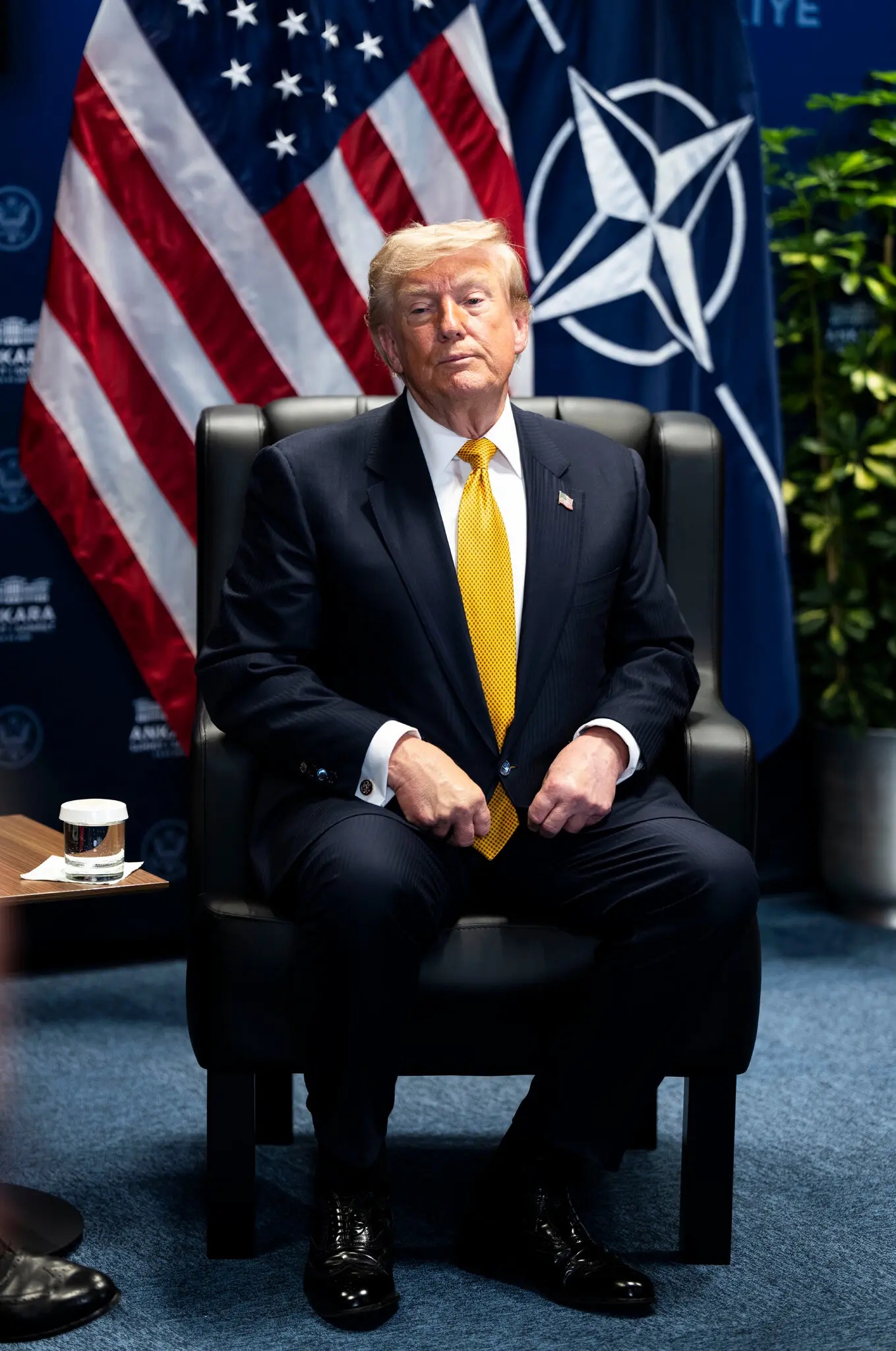
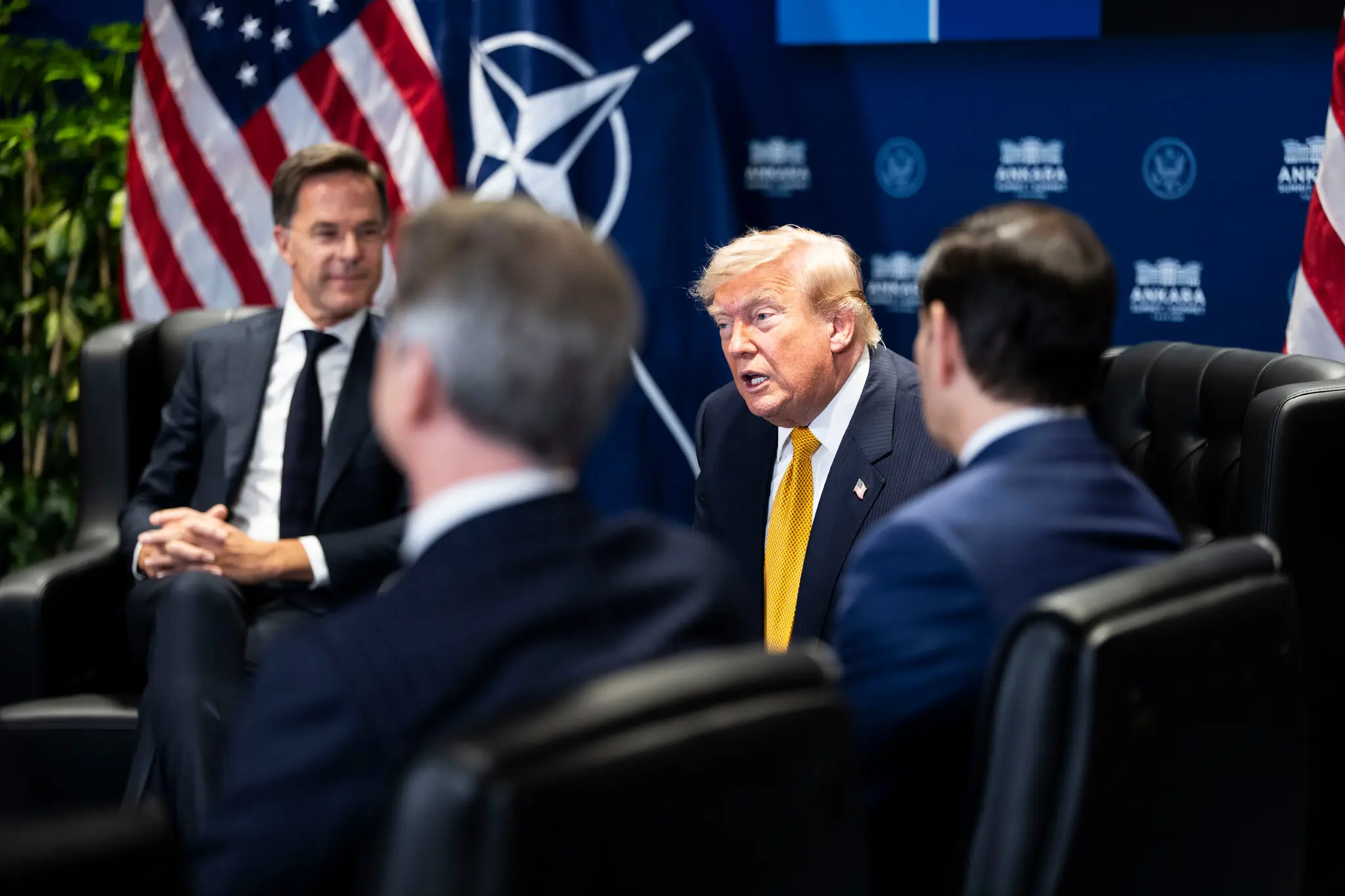
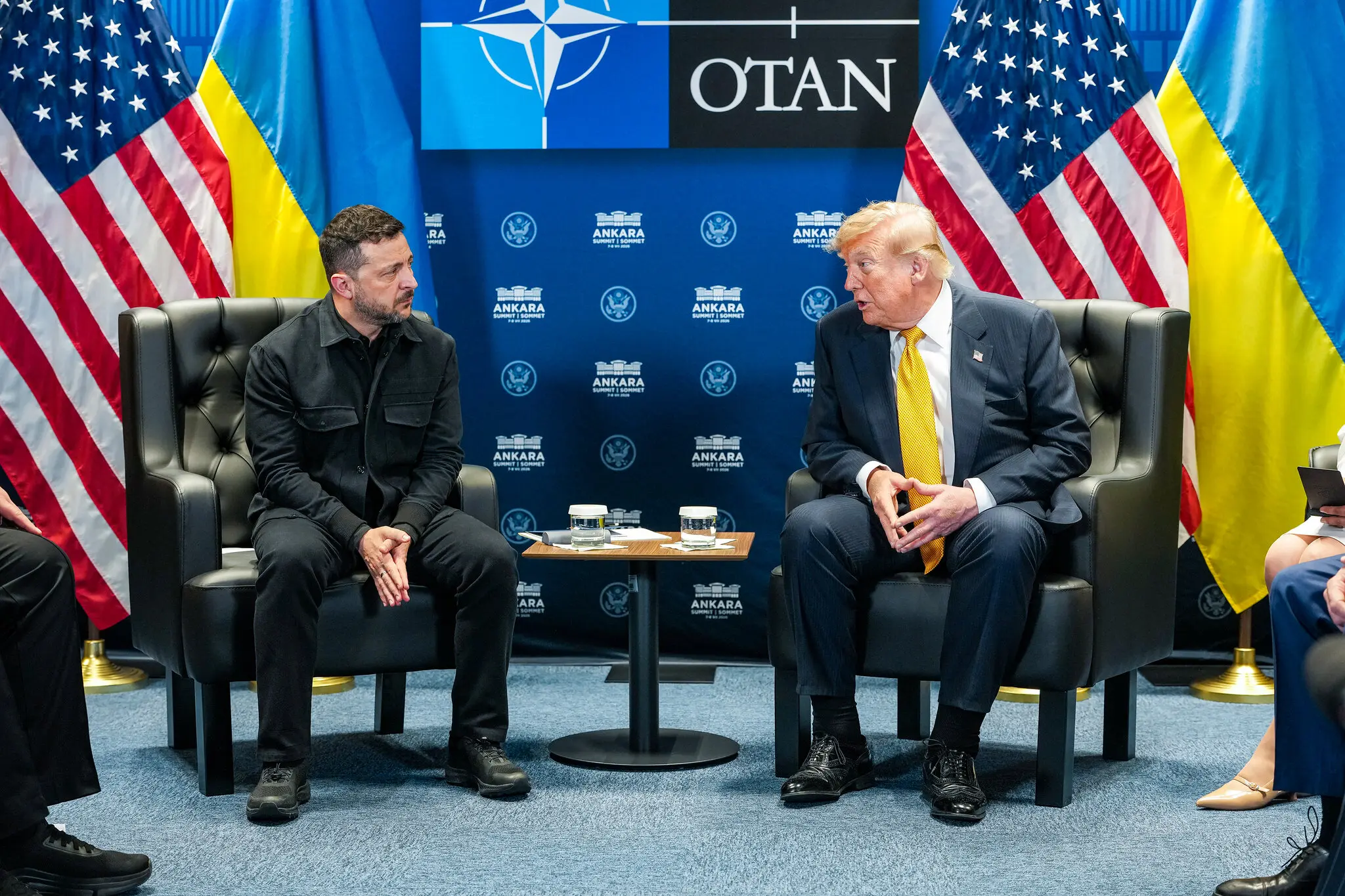
That helps explain Washington’s mixed response. Donald Trump described the proposal as significant, then immediately said it was not enough. There is no contradiction in that formula. For the White House, the Iranian document is proof that pressure is producing results. But it is also evidence that Tehran has no intention of leaving the war as the party that merely complied with someone else’s ultimatum.
Against that backdrop, the Tuesday evening deadline acquires a sharper meaning. Threats to strike bridges, power plants and other critical infrastructure no longer look like a simple continuation of military pressure. They begin to look like an effort to break the negotiating logic Iran is trying to impose: not a bargain over a cease-fire, but a bargain over the rules of the postwar landscape.
A deeper question follows. If one side insists that a strategic passage must reopen at any cost, while the other ties that reopening to security guarantees, sanctions relief and regional conditions, then the subject of negotiation has already moved far beyond a single military campaign. This is no longer an argument over a corridor. It is an argument over who gets to set the terms of oil flows, trade and security across the Middle East.
It is equally important to see how Iran understands its own position. The tone is not defensive exhaustion. It is studied confidence. That confidence rests on two things: Iran’s demonstrated ability to sharply reduce shipping through Hormuz and the symbolic effect of bringing down an American fighter jet. Even without producing a decisive battlefield shift, that combination is politically valuable enough to let Tehran negotiate from a posture of terms rather than pleas.
That is why the Iranian plan rejects the logic of a simple temporary cease-fire. Tehran is effectively saying that a pause is not enough. It wants a more final formula for ending the war — one that protects its interests, preserves face at home and signals to its regional allies that even under intense pressure Iran remains capable not only of absorbing blows, but of shaping the conversation itself.
For Israel and the United States, that creates a difficult choice. To accept such a framework would be to acknowledge that the war has already become a negotiation over a new deterrence order. To reject it would be to move toward deeper escalation, with greater risk of drawing in Lebanon, the Gulf monarchies, energy markets and global shipping networks more fully than they already are. The harder the ultimatums become, the clearer the underlying reality: there is no simple return to the prewar status quo.
That is why Monday’s proposal deserves close attention. It exposed the true scale of the conflict. This war is no longer defined only by missiles, airstrikes and battlefield lines. It has become a struggle over who will determine the terms of passage through Hormuz, who will absorb the cost of destruction, how sanctions will end, and whether Iran’s regional allies will retain their place in a new balance of power.
So this is not a peace initiative in the classical sense. It is a hard political bid to shape the postwar order. And if Washington reads it as an insufficient concession while Tehran reads it as proof of its strength, then the immediate danger lies precisely there: both sides may believe time is working in their favor. In that kind of standoff, every deadline becomes less a step toward peace than a point at which diplomacy can slide into a still more expensive phase of war.