

















States rarely fall apart at the exact moment they suffer their most punishing blow. More often, they enter an unstable middle phase: institutions remain in place, security organs still function, orders still reach the field, yet the political center loses the ability to think and act as a single mind. Iran now appears to be moving into that phase after four weeks of war with the United States and Israel.
The damage is not simply military. It is organizational. Senior leaders have been killed, deputies have been removed with them, and those who remain are operating under conditions of isolation, fear and broken communication. Officials are reluctant to meet in person and wary of using phones or messaging channels that may be monitored. In such an environment, the state does not stop working. It begins to work in fragments.
That distinction matters. Iran’s security and military institutions are still functioning. Retaliatory strikes have not disappeared. Regional commanders still retain the capacity to act. But the system is no longer behaving like a tightly integrated hierarchy. It is behaving like a network under trauma, with nodes that remain active even as the center struggles to impose political coherence on them.
As Дейком sees it, the central shift is not that Tehran has simply “lost control.” It is that control has splintered. Decisions that once required coordination among the supreme leader’s office, the Revolutionary Guards, intelligence structures, diplomats and civilian policymakers are now more likely to emerge from competing power centers. Fragmented authority is often more dangerous than weak but intact authority, because it produces action without unity and pressure without clarity.
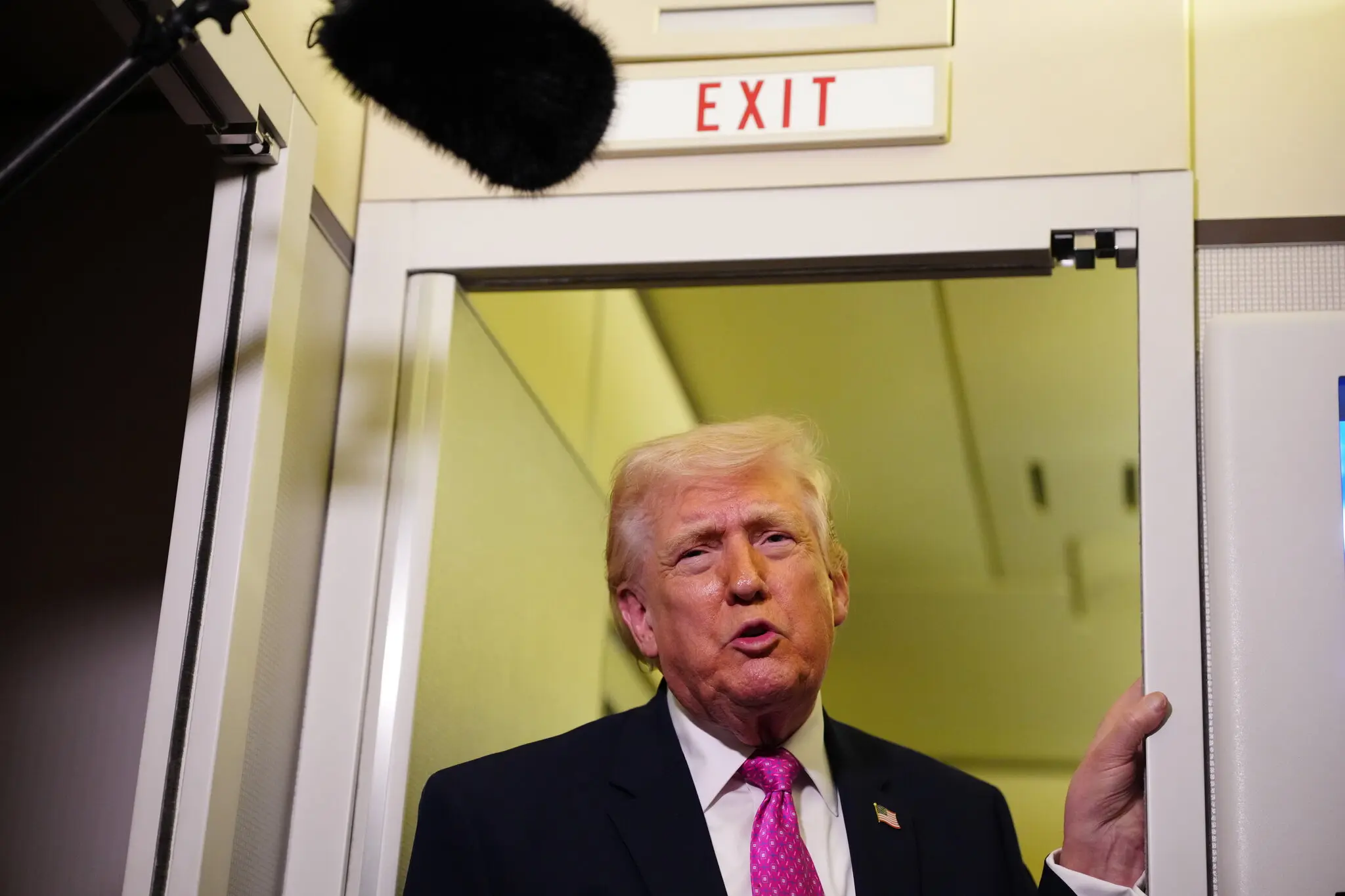 Президент Трамп та його адміністрація заявили, що в Ірані керує новий уряд, і наполягали на тому, щоб він швидко уклав угоду — Тірні Кросс
Washington has tried to read this fracture as an opportunity. Donald Trump has publicly suggested that a new government is effectively in charge in Iran and has pressed for a rapid deal. But that logic contains an obvious contradiction. The more degraded Iran’s decision-making structure becomes, the less capable it is of making the very concessions Washington wants. Negotiations require a functioning chain of authority. Someone has to know what can be offered, who can approve it and who can enforce it.
That is why the current diplomatic phase looks so erratic. American officials speak in the language of progress, pressure and possible breakthrough. Iranian signals, by contrast, appear delayed, contradictory or incomplete. That gap is not just tactical theater. It may reflect a real breakdown inside the Iranian leadership itself. When negotiators do not fully know where the regime’s new red lines are, or who now has the power to define them, diplomacy becomes an exchange of partial intentions rather than a path toward decision.
In that vacuum, the Islamic Revolutionary Guards Corps inevitably gains weight. When the political center weakens and religious authority becomes harder to project, hard-line security actors do not merely become louder. They begin to set the vocabulary of the state. The language shifts away from negotiation and toward survival, deterrence and reprisal. Even if Iran’s formal structure remains intact, the balance inside it may already be moving toward the armed institutions best equipped to function under siege.
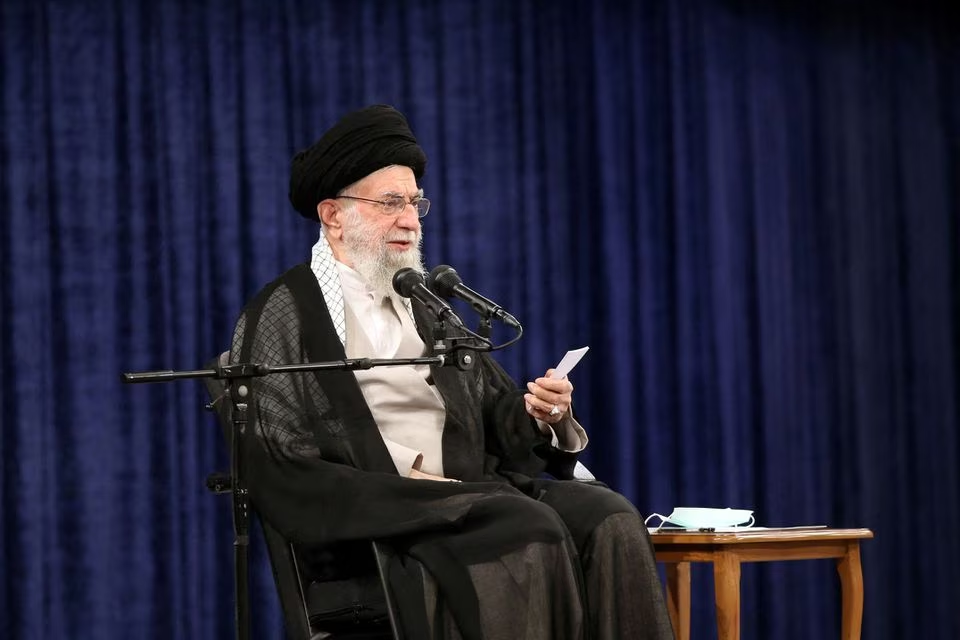
The position of Mojtaba Khamenei only sharpens that uncertainty. If he has emerged as the new supreme leader, the crucial question is not simply whether he holds the title, but whether he can exercise real command across the system. A leader who is absent from public view, operating under wartime constraints and possible injury, may carry symbolic authority without yet possessing full operational control. In such moments, the visible state and the actual state can become two different things.
That does not mean Iran is incapacitated. On the contrary, one reason the country remains dangerous is that it prepared for precisely this kind of pressure. Long before the war, Tehran invested in a more decentralized command structure that would allow regional commanders to act even if the capital were disrupted. That model is now proving its utility. Iran may be less capable of mounting synchronized national barrages, but it remains capable of launching meaningful missile and drone attacks through local or regional chains of command.
Here lies the strategic paradox. Decentralization helps a state survive decapitation, but it also degrades the quality of strategic coordination. It preserves the ability to strike while weakening the ability to shape an overall campaign. Iran becomes not less militant but less governable; not less threatening but less predictable. For the United States and Israel, that means battlefield success against senior leadership may produce a more chaotic threat environment rather than a cleaner political endgame.
This is the hidden cost of leadership targeting. Removing key figures can be tactically effective, even spectacularly so. But it does not automatically produce surrender, internal reform or diplomatic clarity. It can just as easily empower the most rigid surviving factions, eliminate pragmatic intermediaries and push the system toward fear-based decision-making. A leadership structure under assault does not necessarily become more flexible. In many cases, it becomes more secretive, more militarized and less able to compromise.
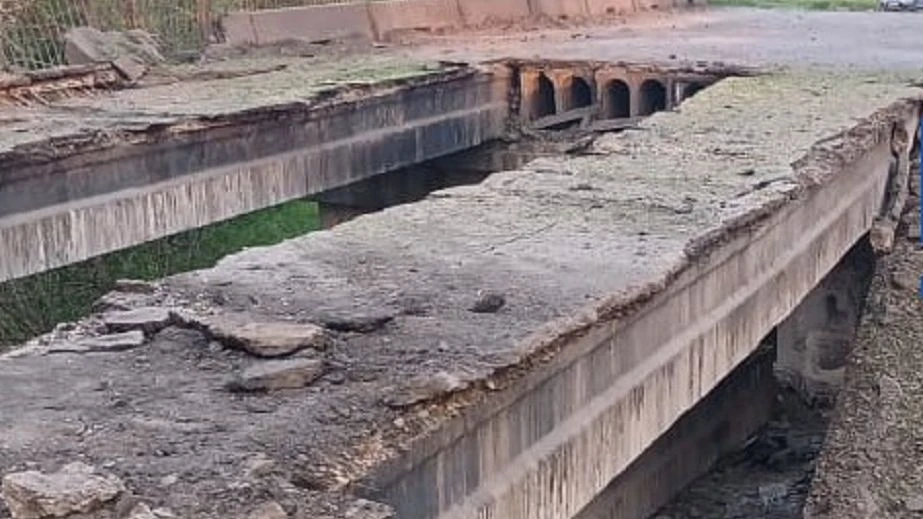
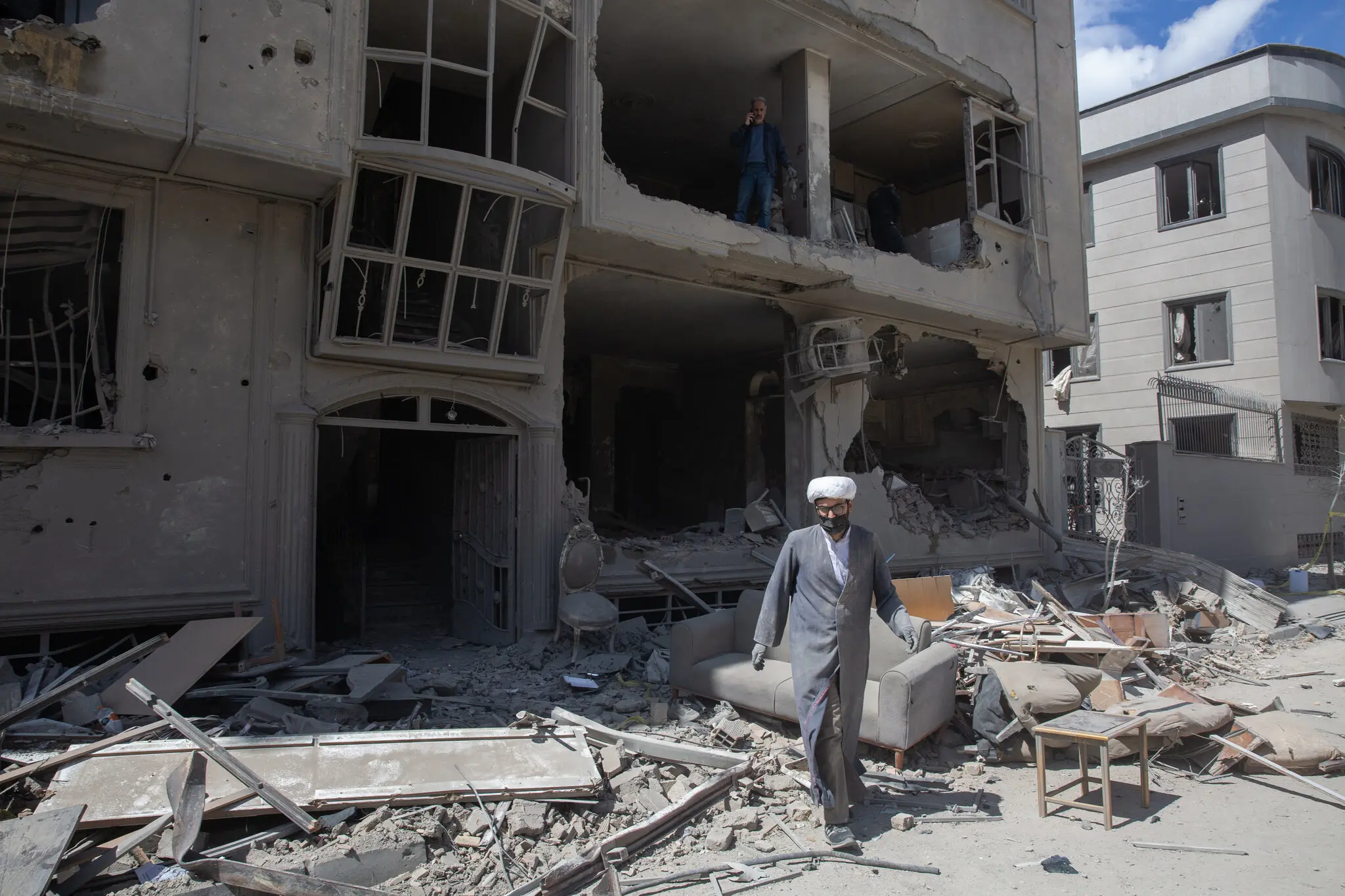 Наслідки ізраїльсько-американських авіаударів у Тегерані в понеділок — Араш Хамуші
American rhetoric may be worsening that dynamic. Trump has spoken in alternating tones of deal-making and escalation, at times combining optimism about talks with threats against Iran’s energy and civilian infrastructure if no agreement is reached quickly. For a fractured leadership in Tehran, such messaging is unlikely to create calm. It is more likely to reinforce the argument of hard-liners who believe that negotiation under fire is merely another form of capitulation.
That is why the Iranian leadership crisis matters far beyond Tehran. Once central authority weakens, every regional flashpoint becomes harder to manage. The Strait of Hormuz, oil exports, missile retaliation, proxy networks, Gulf security and back-channel diplomacy all become more vulnerable to miscalculation. The problem is no longer only what Iran intends. It is whether intent itself is still centralized enough to control escalation across the system.
Iran today is therefore neither a collapsed state nor an intact prewar regime. It is a government caught in the hazardous interval between decapitation and reconstitution. Those intervals are historically among the most volatile phases of any conflict. They rarely produce quick settlements. More often, they produce a harsher and longer second act, one in which the center is weaker, the periphery is armed, and every move is filtered through mistrust, delay and improvisation.
For Washington, that should be the clearest warning. A state whose leadership has been shattered may be easier to hit, but it is not necessarily easier to deter, negotiate with or strategically contain. Breaking the top of the system can make war simpler in operational terms while making its political conclusion far more difficult. Iran’s fractured leadership is not only a sign of damage. It is a sign that the conflict may now be entering its most dangerous phase.