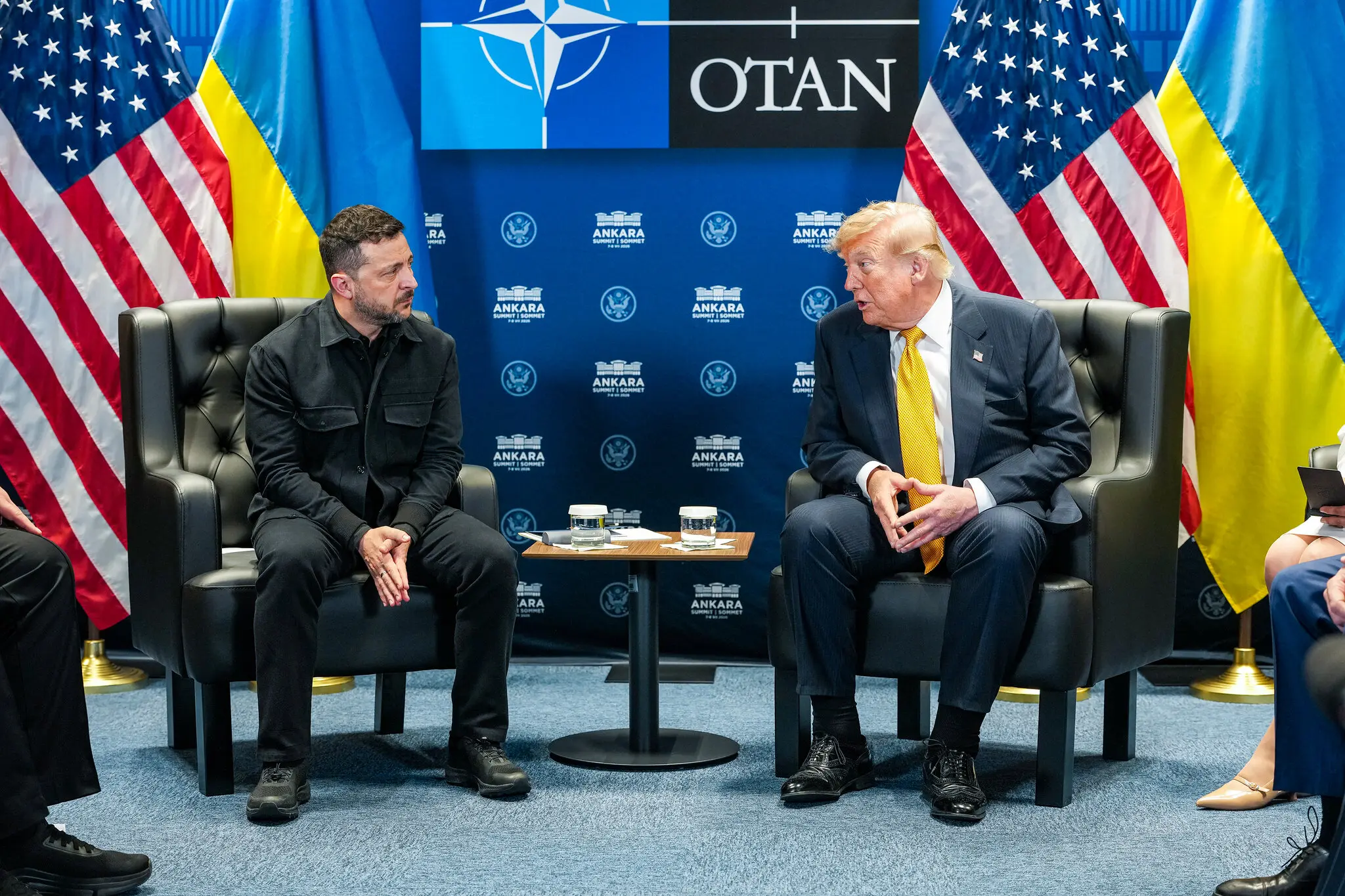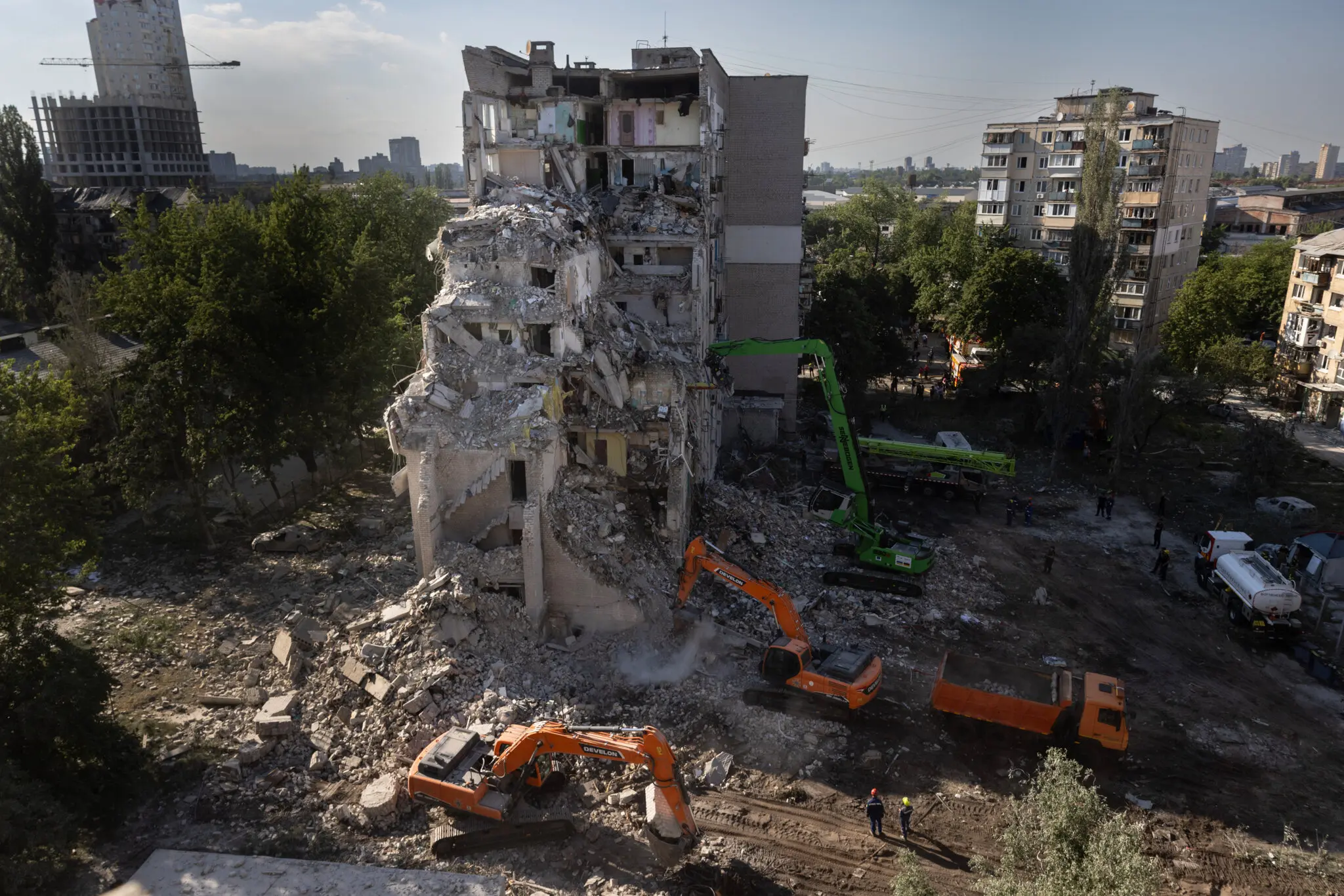




















Kyiv is making it increasingly clear that it no longer wants to build its external strategy around a single center of power. As U.S.-led peace efforts stall and relations with Washington lose some of their former certainty, Ukraine has begun assembling a different configuration of influence — regional, pragmatic, and tightly connected to the geography of the war itself.
That is the real meaning of Volodymyr Zelenskyy’s latest diplomatic route: Istanbul, Damascus, trilateral contacts with Turkey and Syria, and fresh signals of cooperation in defense, energy and logistics. On the surface, this can look like another sequence of visits and carefully staged meetings. In reality, it reflects an attempt to redesign Ukraine’s political weight in a region where Russia long presented itself as the indispensable actor.
The Black Sea, the Turkish Straits, the defense industry, the Syrian track, energy security and maritime logistics all now belong to the same map. Its logic is simple: if the large negotiating frameworks are no longer delivering, Ukraine is trying to strengthen itself through a network of mid-level alliances that reduce both its isolation and its dependence on the mood of any one partner. As Daycom noted in earlier analysis, wartime diplomacy becomes most effective when it stops asking only for support and starts offering strategic utility in return.
That is why Turkey matters to Ukraine today as far more than another interlocutor. Ankara is the only NATO power in the region that combines real military weight in the Black Sea, influence across the Middle East, working channels with Moscow, and a direct interest in preventing Russia from turning the sea into an overwhelmingly controlled space. In that sense, Kyiv and Ankara are moving closer not despite their differences, but because of a shared strategic fear: a Russia that grows too dominant in the Black Sea becomes dangerous to both.
Real wartime alignments are not built on declarations of sympathy. They are built on overlapping perceptions of risk. Turkey may trade with Russia, receive Russian tourists and preserve economic ties, while still refusing to accept a maritime order shaped on Moscow’s terms. That is why the positive tone after Zelenskyy’s meeting with Recep Tayyip Erdoğan matters more than the language of diplomatic courtesy. Behind it lies a practical exchange: Ukraine brings battlefield experience, anti-drone expertise, defense technology and industrial cooperation; Turkey brings geopolitical cover, mediation channels, energy leverage and access to a broader regional arena.
It is also telling that the new Ukrainian-Turkish conversation is no longer confined to ceasefire diplomacy or symbolic support. Shipping security and energy infrastructure are now central to it. That means Kyiv and Ankara are looking at the war not only as a military front, but as a struggle over the rules of movement through the Black Sea, over gas infrastructure, supply corridors and the resilience of larger trade chains. In that framework, diplomacy stops being a decorative extension of war. It becomes part of war’s material architecture. Whoever influences the routes influences not only security, but the shape of economic recovery after the fighting.
Defense cooperation gives that logic even greater depth. Turkey’s military-industrial sector is no longer a peripheral partner for Ukraine, and the Baykar project inside Ukraine has already become more than a procurement story. It signals that joint drone production and technological interdependence are moving beyond one-off contracts into something more structural. For Kyiv, that matters in two ways: as access to industrial capacity and arms expertise, and as a way of binding Turkey more tightly to Ukraine’s long security future. Once a partner enters your defense ecosystem, it becomes harder for that partner to remain detached from the outcome of the war.
The Syrian turn is even more revealing. After the fall of Bashar al-Assad’s pro-Russian regime and his flight to Moscow, Kyiv saw in Damascus not an exotic side story but a new opening. Syria is emerging from civil war with a shattered economy, weak institutions and an urgent need for outside connections. For Ukraine, this is a chance to enter not with large financial resources it does not possess, but with assets it genuinely has: military know-how, drone solutions, grain diplomacy, logistical experience and a willingness to work in environments others still regard as unstable.
That is why the Ukraine-Turkey-Syria triangle should not be dismissed as symbolism. It has clear practical meaning. For Kyiv, it offers a path beyond a purely defensive posture and into a space that links two seas — the Black and the Mediterranean. For Turkey, it reinforces its role as a regional center without which no new security architecture can be seriously imagined. For Syria, it offers access to outside partners not tied to the old dependency on Moscow and Tehran.
The Syrian direction also matters because it strikes at one of Russia’s long-standing geopolitical narratives. For years, Moscow used Syria as proof of its status as a Middle Eastern power and as a platform for strategic presence in the Mediterranean. If Damascus now becomes a place where Ukrainian diplomacy can operate, with Turkish backing, that means more than a new contact. It means an attempt to dislodge Russia from part of the symbolic and practical ground it long considered its own. In that sense, Kyiv is working not only on the battlefield, but on the slower dismantling of Russia’s image of regional indispensability.
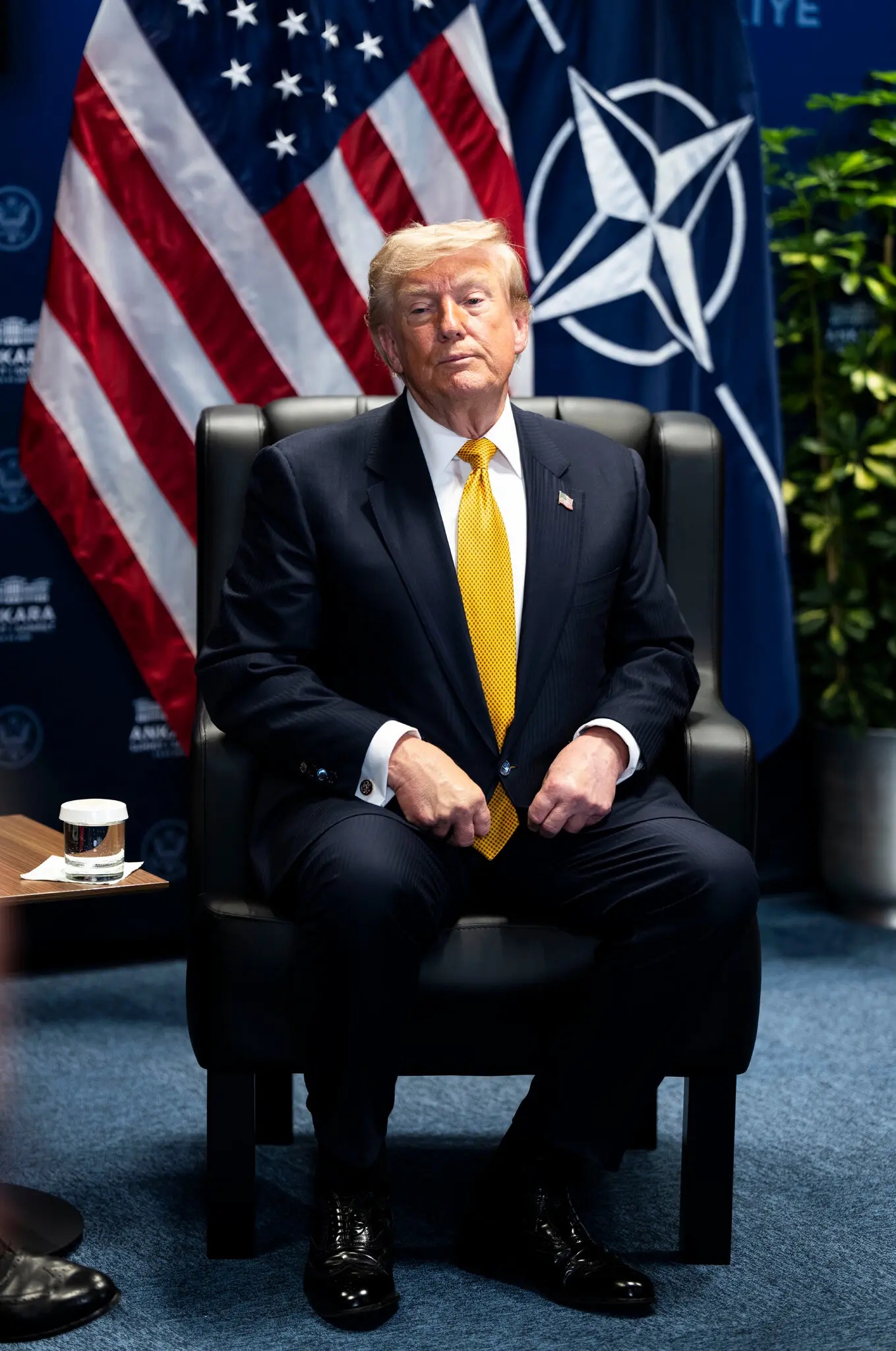
None of this should be romanticized as the birth of a grand new alliance. Turkey is not becoming Ukraine’s unconditional ally in the Western sense of the term. It will continue to balance, trade, maneuver and keep channels open to the Kremlin. Syria, too, will not become a full strategic partner after a single round of talks. But in a moment when Washington no longer gives Kyiv the same sense of predictability, even partial regional ties acquire far greater weight. They do not replace the United States. They reduce the cost of American unreliability.
That, in the end, is the deepest meaning of this turn. Ukraine is no longer only asking for help. It is marketing its usefulness. It is offering countries across the Black Sea and the Middle East something it once lacked itself: war technology, experience in defending critical infrastructure, solutions against Iranian drones, survival skills under sustained attack, and a practical understanding of the modern battlefield. This is a new kind of diplomacy, one in which a country’s political weight grows not despite war, but because war has turned it into a carrier of rare and exportable expertise.
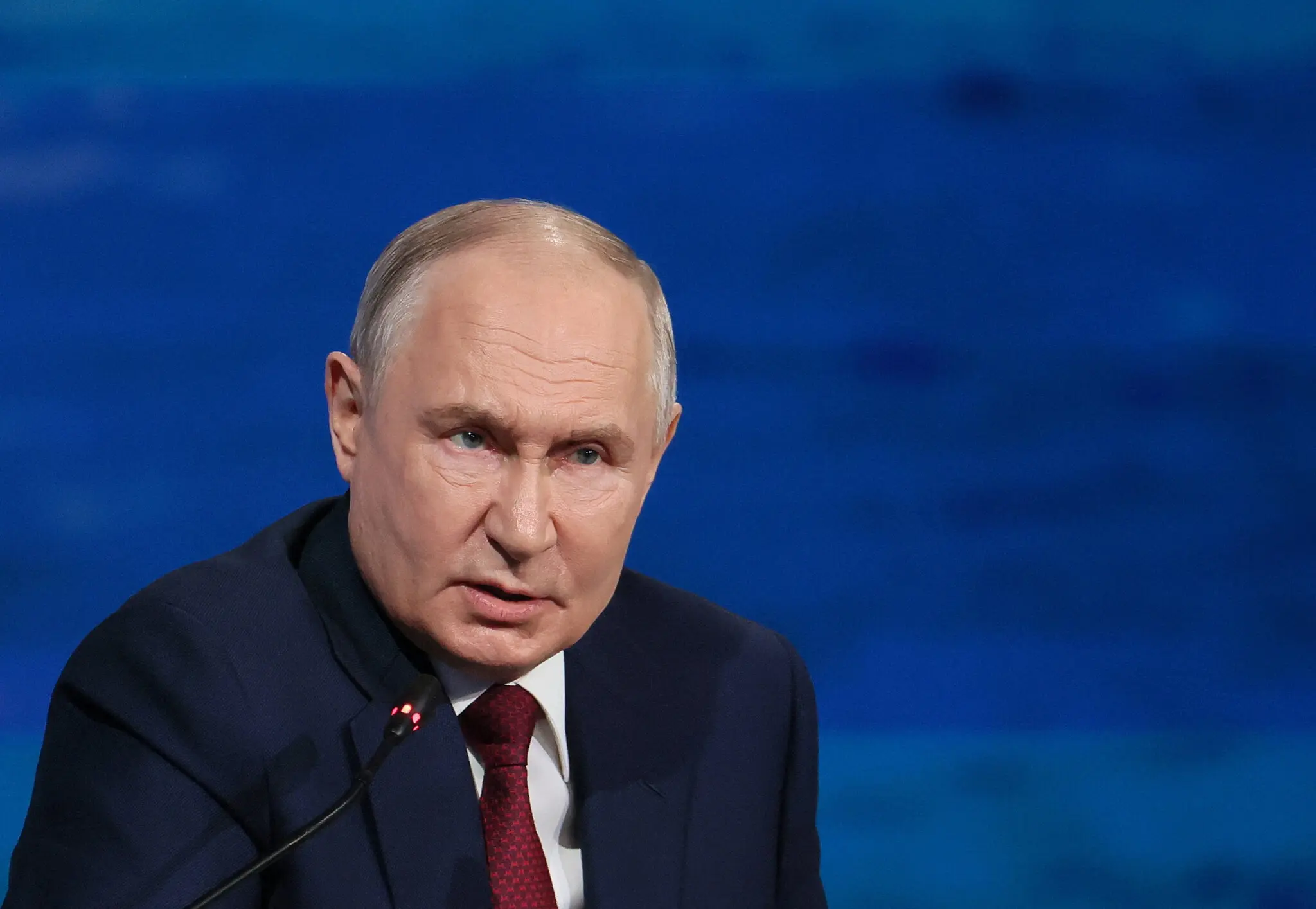
For Russia, that is bad news for reasons larger than the fact of Ukrainian activism. It is bad because Kyiv is beginning to operate precisely in the zones where Moscow has long relied on ambiguity, brokerage and regional leverage. Turkey, Syria, energy, maritime security, drones, logistics, the straits — none of this is peripheral to the war anymore. It is one of its new diplomatic fronts. If Ukraine can anchor itself along this axis from the Black Sea to the Mediterranean, it will gain more than new partners. It will gain new room for maneuver. And in a war of attrition, room for maneuver can become a resource no less important than shells.