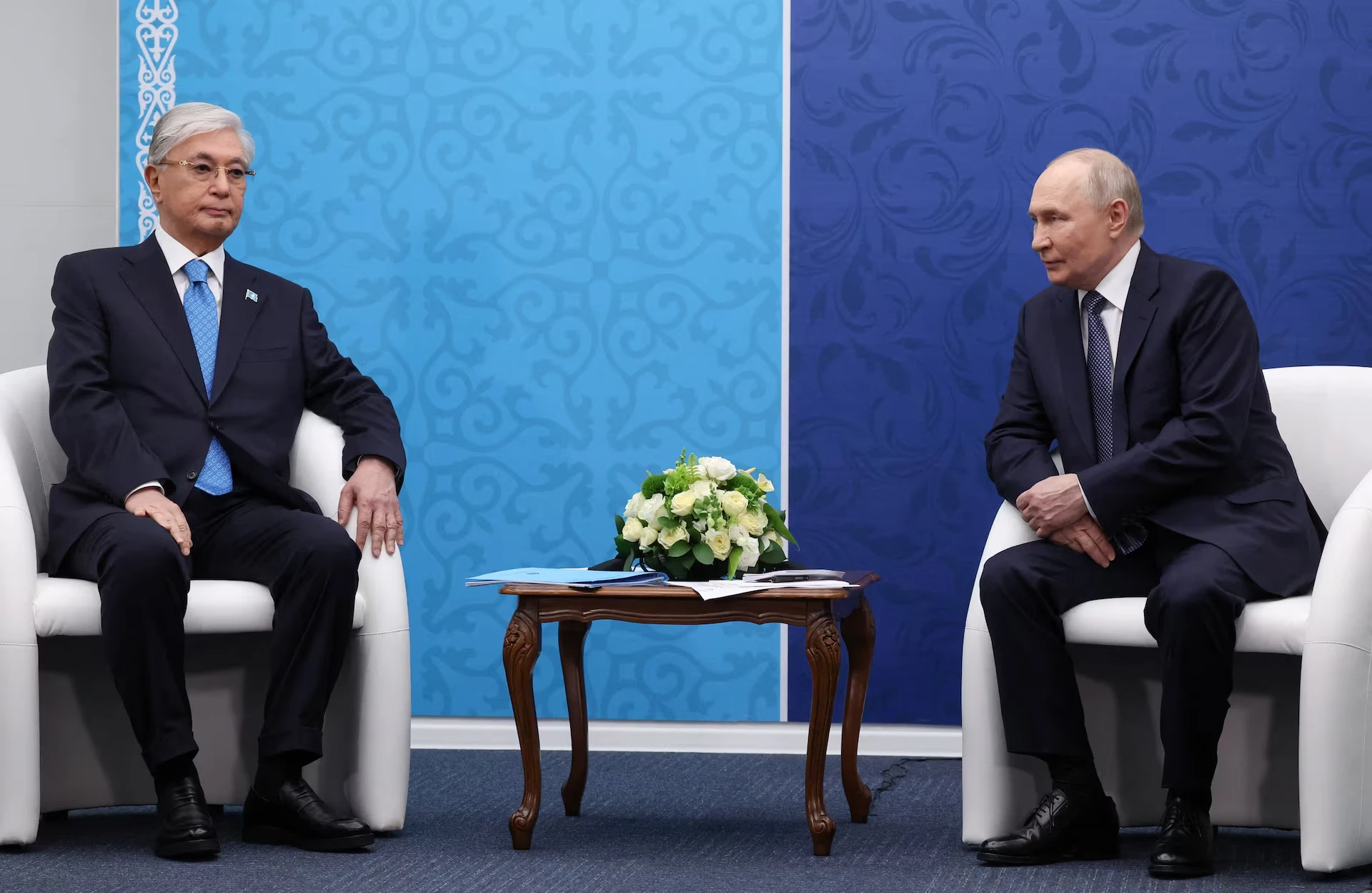
























Russia has begun to say publicly that the United States has failed to follow through on “understandings” allegedly reached between Vladimir Putin and Donald Trump at their summit in Alaska. The wording is deliberately vague, but the political signal is clear enough: Moscow is disappointed that the American track is no longer working as it expected.
Over several days, several senior Russian officials repeated the same complaint: Washington had moved away from the “understandings” the Kremlin considered a basis for a future settlement. Moscow did not name specific points. That uncertainty is precisely what makes the statements important. Russia is appealing not to a document, but to a political atmosphere.
After the Alaska meeting, the Kremlin long used the phrase “spirit of Anchorage” as a diplomatic formula. For Moscow, it meant more than the fact of contact between Putin and Trump. It meant an expectation that the United States would pressure Ukraine into a deal close to Russian demands — above all territorial concessions and a freezing of the war on terms favorable to the aggressor.
According to Daycom’s earlier analysis, Moscow’s current irritation is not caused by the disappearance of diplomacy itself, but by the loss of control over its framework. The Kremlin is used to a model in which Ukraine is treated as the object of an arrangement between major capitals. That model is now beginning to fall apart.
Trump remained a useful political factor for Russia for a long time. He spoke about ending the war quickly, criticized Kyiv and gave Moscow the impression that Washington could become a channel for forcing Ukraine into concessions. But after Alaska, the U.S. position did not freeze in the shape the Kremlin had tried to secure.
When Trump suggested that Ukraine could regain all the territory seized by Russia, it became a serious warning for Moscow: even a White House inclined toward negotiations was not necessarily ready to legalize Russian conquest. The Kremlin began to speak of disappointment because its bet on personal contact with Trump did not guarantee the result it wanted.
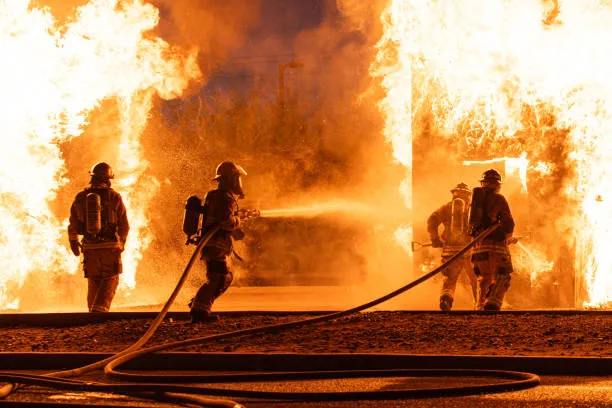
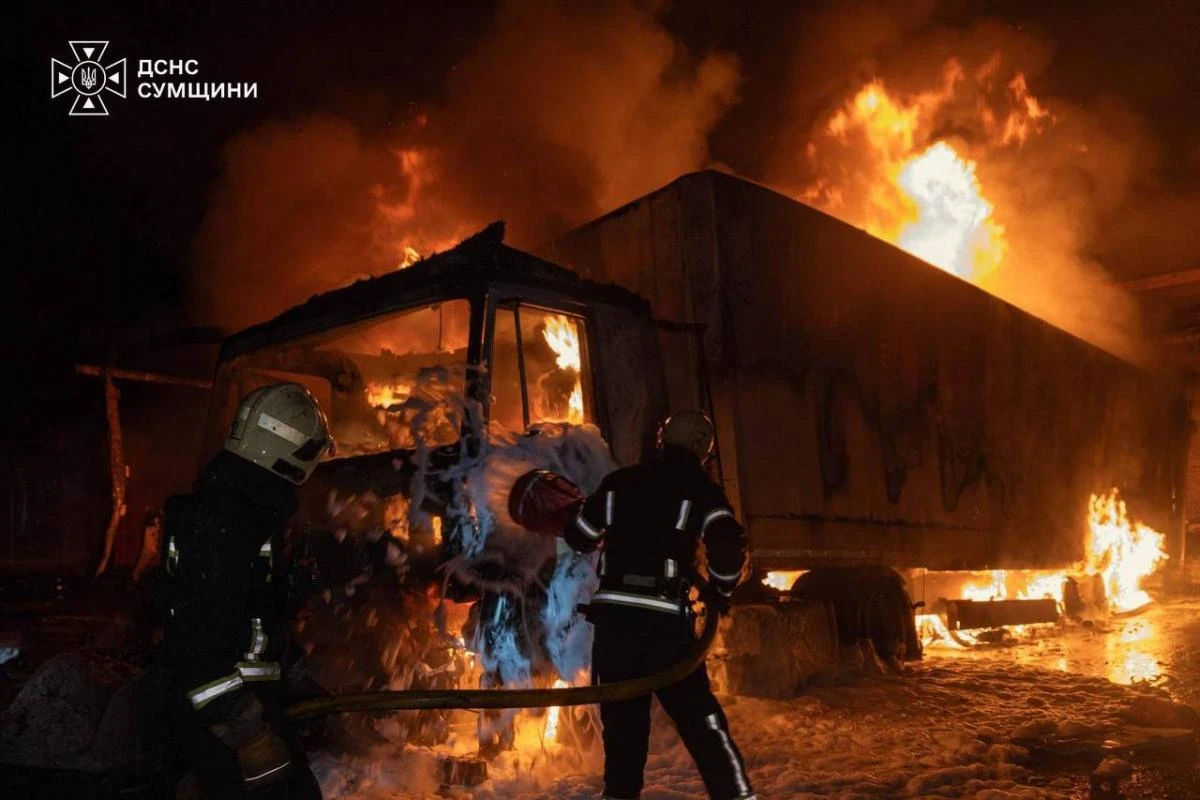
This diplomatic shift coincided with an intensification of Ukrainian strikes inside Russia. Drones have increasingly hit oil refineries, logistics hubs, airfields and industrial sites. Attacks on a Moscow refinery and infrastructure in occupied Crimea showed that, for Russia, the war is no longer confined to the front line and the borderlands.
This is where the Kremlin’s nervousness becomes understandable. Moscow is simultaneously facing Ukraine’s long-range strike campaign, fuel problems, pressure on industrial infrastructure and the absence of quick American mediation on Russian terms. This is not yet a strategic collapse for Russia, but it is a visible narrowing of its room for maneuver.
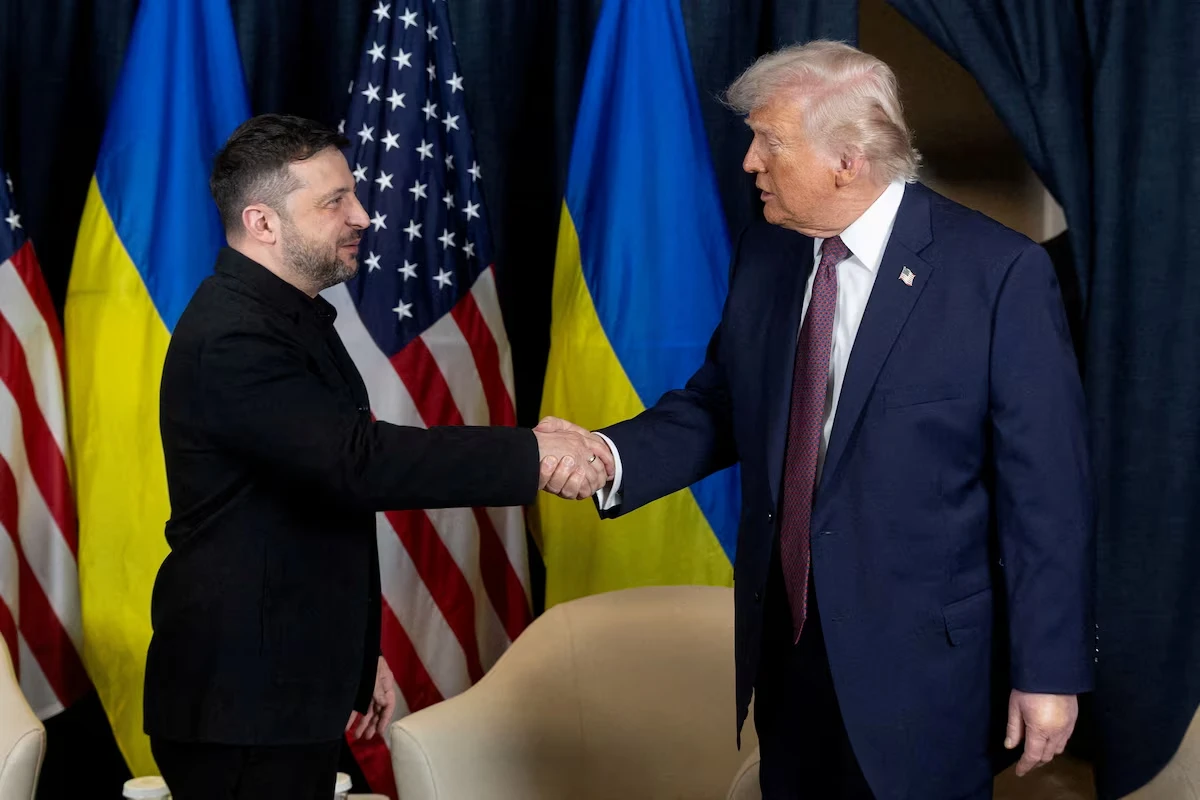
At the G7 summit, Volodymyr Zelensky tried to present Trump and other Western leaders with a different picture of the war: Ukraine is not approaching inevitable capitulation, but expanding its ability to strike the aggressor’s rear and change the cost of the conflict. For Moscow, this is dangerous because it undermines its central negotiating argument — that time supposedly works only in Russia’s favor.
The Kremlin publicly rejects Ukrainian claims that the dynamics of the war are changing and continues heavy attacks on Ukrainian cities. But the very emergence of Russian complaints about the United States shows that Moscow lacks a political result. Military pressure has not brought Ukraine’s quick capitulation, and diplomatic pressure through Washington has not turned into a deal.
Sergei Lavrov’s suggestion that the Alaska summit may have been an American ploy to buy time for Kyiv’s rearmament sounds like an attempt to explain inflated expectations to a Russian audience. The Kremlin cannot admit that it misread Trump’s intentions, so it translates disappointment into the familiar language of conspiracy and a hostile West.
Similar logic lies behind Russian officials’ claims that Washington is moving closer to London and Paris. For Moscow, Britain and France have long symbolized a hard line against Russia. When the Kremlin places the United States in that camp, it is effectively admitting that the U.S. position no longer looks like an easy instrument for pressuring Kyiv.
Russia does not need just any peace process. It needs a process in which the United States helps formalize an end to the war on Russian terms, while Europe and Ukraine are presented with a prepared framework. That is why Moscow does not see European governments as real mediators: they are far less willing to push Kyiv toward major territorial concessions.
The absence of structured diplomacy has become as much of a problem for the Kremlin as the possible content of negotiations. If there is no table, no document and no American pressure, Russia cannot convert Western fatigue into a political result. It is left with the war it started and with a cost that is becoming harder to hide from its own population.
Putin is trying to present Ukrainian strikes as the work of “the entire West” against Russia. This is a convenient domestic construction: it helps explain why drones are reaching Russian refineries, why fuel problems are appearing and why Moscow no longer looks unreachable. But that rhetoric also shows that the Kremlin is searching for a response visible to society.
Russian escalation remains likely in such circumstances. Moscow may intensify strikes on Ukrainian energy infrastructure, cities and military sites to show that it has not lost the initiative. But this does not solve the central problem: every new attack only strengthens Ukraine’s need to strike deeper into Russia’s war system.
For Kyiv, the current friction between Moscow and Washington creates an important opening. It shows that the Russian plan is not monolithic. The Kremlin counted on pressure at the front, Ukrainian exhaustion, European fear of escalation and Trump’s desire for a quick deal. Those elements are no longer working as synchronously as Moscow expected.
Ukraine cannot treat the instability of U.S. politics as a guarantee. But it can use the moment when Russia is forced to defend refineries, explain fuel difficulties, maintain tempo at the front and demand a return to the “spirit of Alaska.” This is not a sign of the Kremlin’s diplomatic strength, but of its dependence on someone else’s decision.
In the end, Russia’s complaints against the United States sound like the grievance of a state that did not receive the expected capitulation framework for Ukraine. Moscow wanted Alaska to become the beginning of a process in which Putin dictated the main terms and Trump helped present them as peace. Instead, the war continues, Ukraine is striking deeper, Europe is not rushing toward concessions, and Washington has not delivered the ending the Kremlin wanted.
That is why the “spirit of Alaska” is turning for Russia from a symbol of opportunity into a symbol of a failed calculation. The Kremlin is trying to pull Trump back into the role of a mediator who pressures Kyiv. But the more Moscow speaks about betrayed “understandings,” the more obvious something else becomes: its war now needs not only tanks, missiles and drones, but also an American political exit without which victory is increasingly difficult to portray as inevitable.