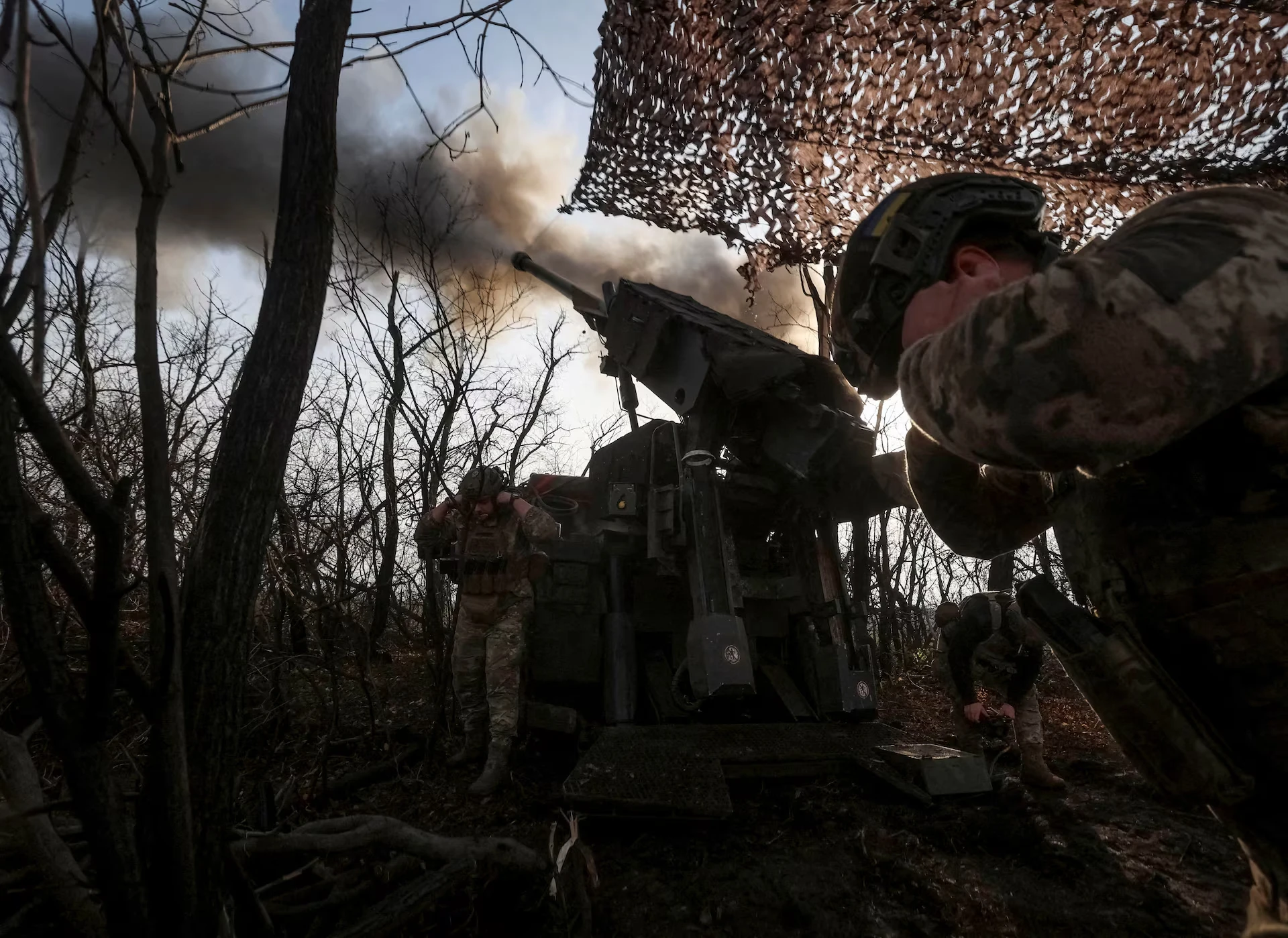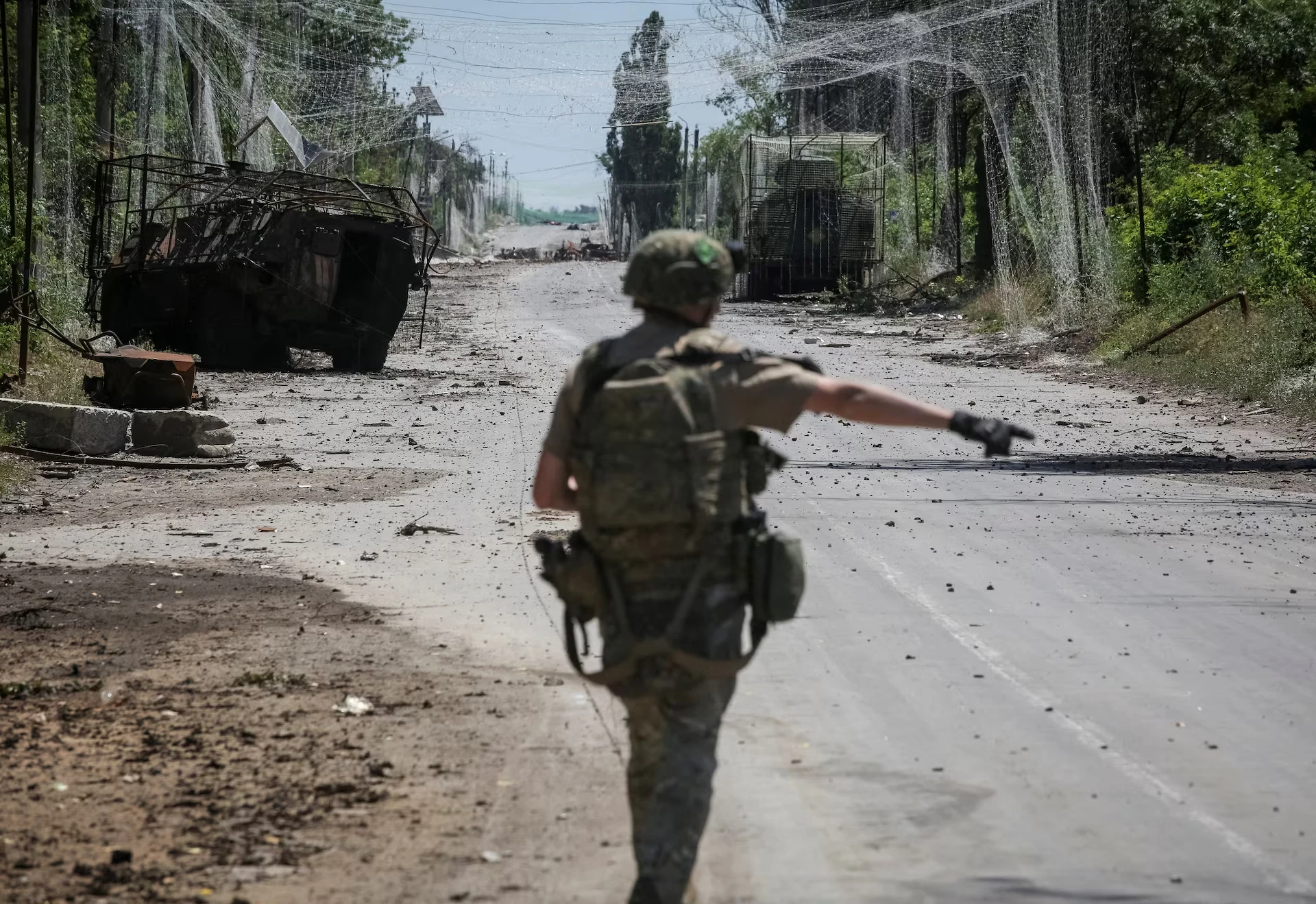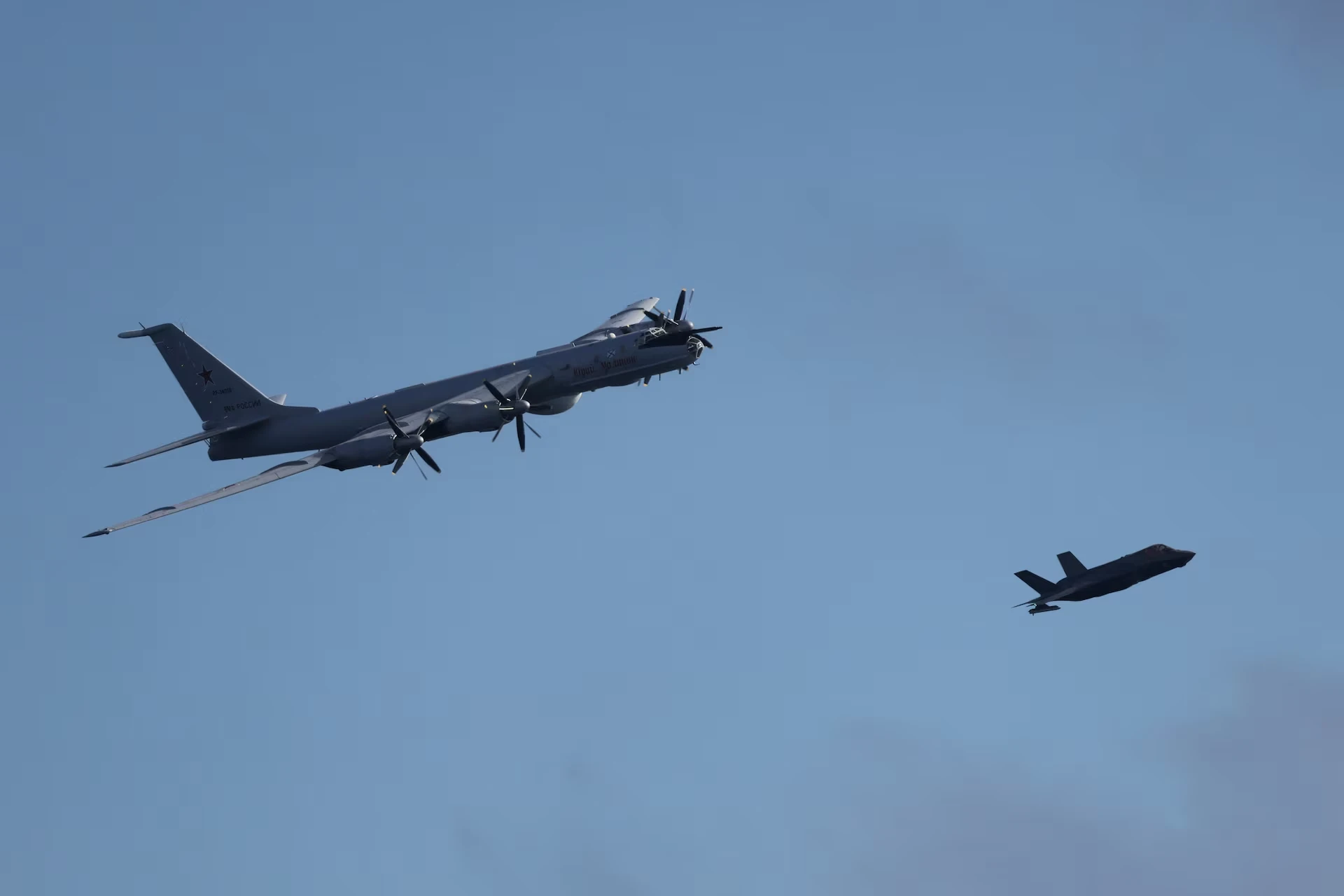

















Russia is turning its own May 9 parade into an instrument of direct pressure on Kyiv and Western capitals. Moscow has warned foreign diplomatic missions to be ready to evacuate personnel from the Ukrainian capital in the event of a mass strike on the city.
Formally, the threat is tied to a possible Russian response to any Ukrainian attempt to disrupt Victory Day commemorations. In reality, it carries a broader message: the Kremlin demands that Russia’s central state ritual proceed without risk, and it is transferring that risk onto civilian Kyiv.
Through Maria Zakharova, Russia’s Foreign Ministry urged foreign governments to treat the Defense Ministry’s warning with “utmost responsibility.” The signal was unambiguous: if Moscow decides that Ukraine threatens the celebration on Red Square, a strike on Kyiv will be presented as inevitable retaliation.
According to Daycom’s earlier analysis, the important word here is not only “evacuation.” Russia is trying to create a psychological corridor in which a future strike on Ukraine’s capital is framed in advance not as escalation, but as a supposedly forced response.
This is an old logic of Russia’s war in a new calendar form. Moscow first constructs the image of a threat, then warns of “consequences,” and then reserves for itself the right to decide what counts as a pretext for attack. In this way, responsibility for a possible strike is shifted onto the victim before the strike even happens.
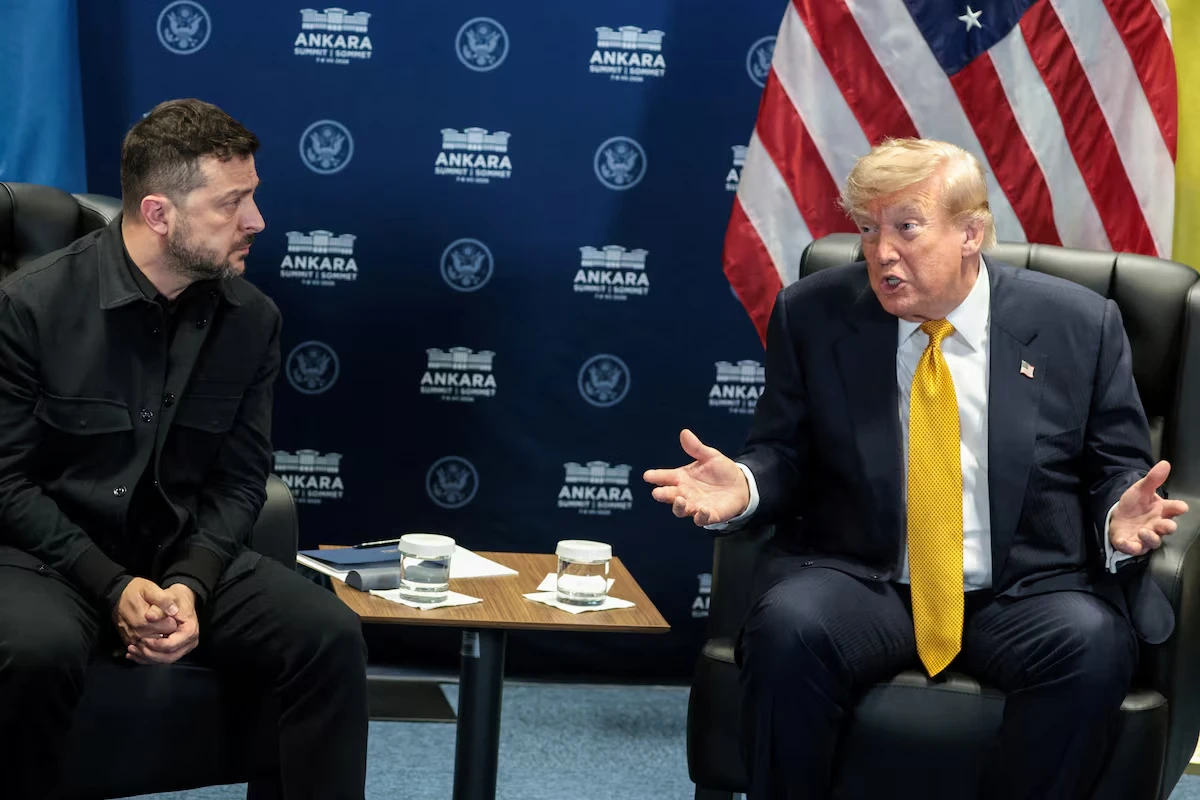
The immediate trigger was Volodymyr Zelensky’s remarks in Yerevan. Ukraine’s president noted that Russia had been forced to scale back the parade, abandon the usual display of military hardware and account for the risk of drones over Red Square. For the Kremlin, that assessment became not a political comment, but grounds for accusing Kyiv of “aggressive threats.”
That is the nerve of the moment. Ukraine is pointing to the vulnerability of Russia’s symbol of power. Russia is responding not with explanation, but with a threat to strike the capital. A parade meant to display triumphant state strength increasingly looks like an event requiring guards, censorship, restrictions and intimidation.
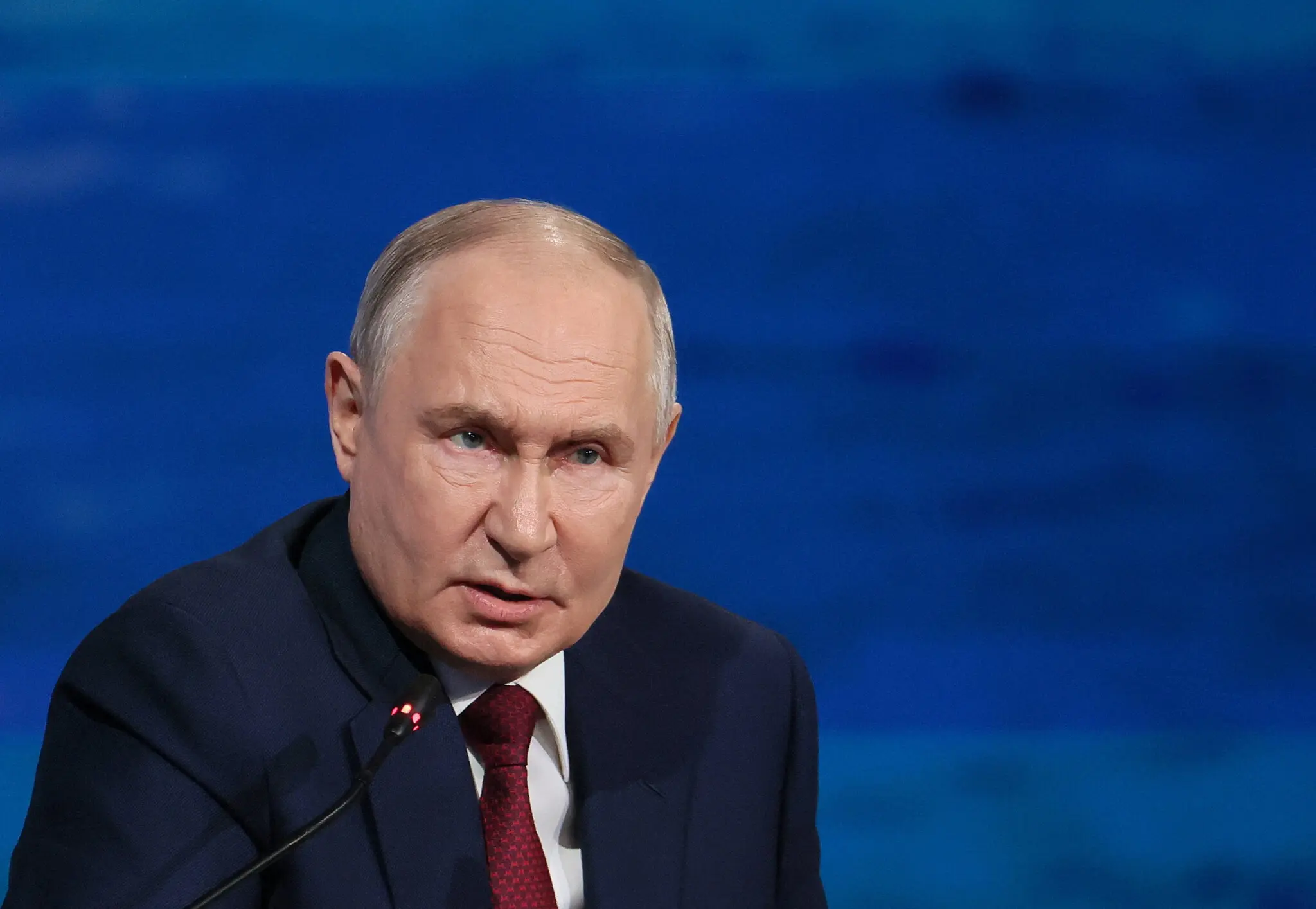
May 9 has long been more than a historical date for Vladimir Putin. It is the central stage of Russia’s political mythology, where the Soviet victory over Nazi Germany is used to justify the current war against Ukraine. A threat to that ritual is therefore treated by the Kremlin as a threat to its own legitimacy.
That is why Moscow reacts so sharply to Ukraine’s long-range strikes and even to the possibility of drones over the Russian capital. For years, Russia imposed night alerts, explosions, restrictions and uncertainty on Ukrainian cities. Now part of that uncertainty has returned to Russia’s symbolic center.
The threat to Kyiv also has a diplomatic calculation. The warning to foreign missions is addressed not only to Ukraine, but to Western capitals. Moscow wants them to feel that the presence of their diplomats in Kyiv could become a risk factor if Russia decides to expand an attack.
This is pressure through fear. If foreign missions begin preparing evacuations, the Kremlin gains an informational effect before any strike. If they do not, Moscow can later claim that it warned them. Either way, the threat works as a weapon even without a missile launch.
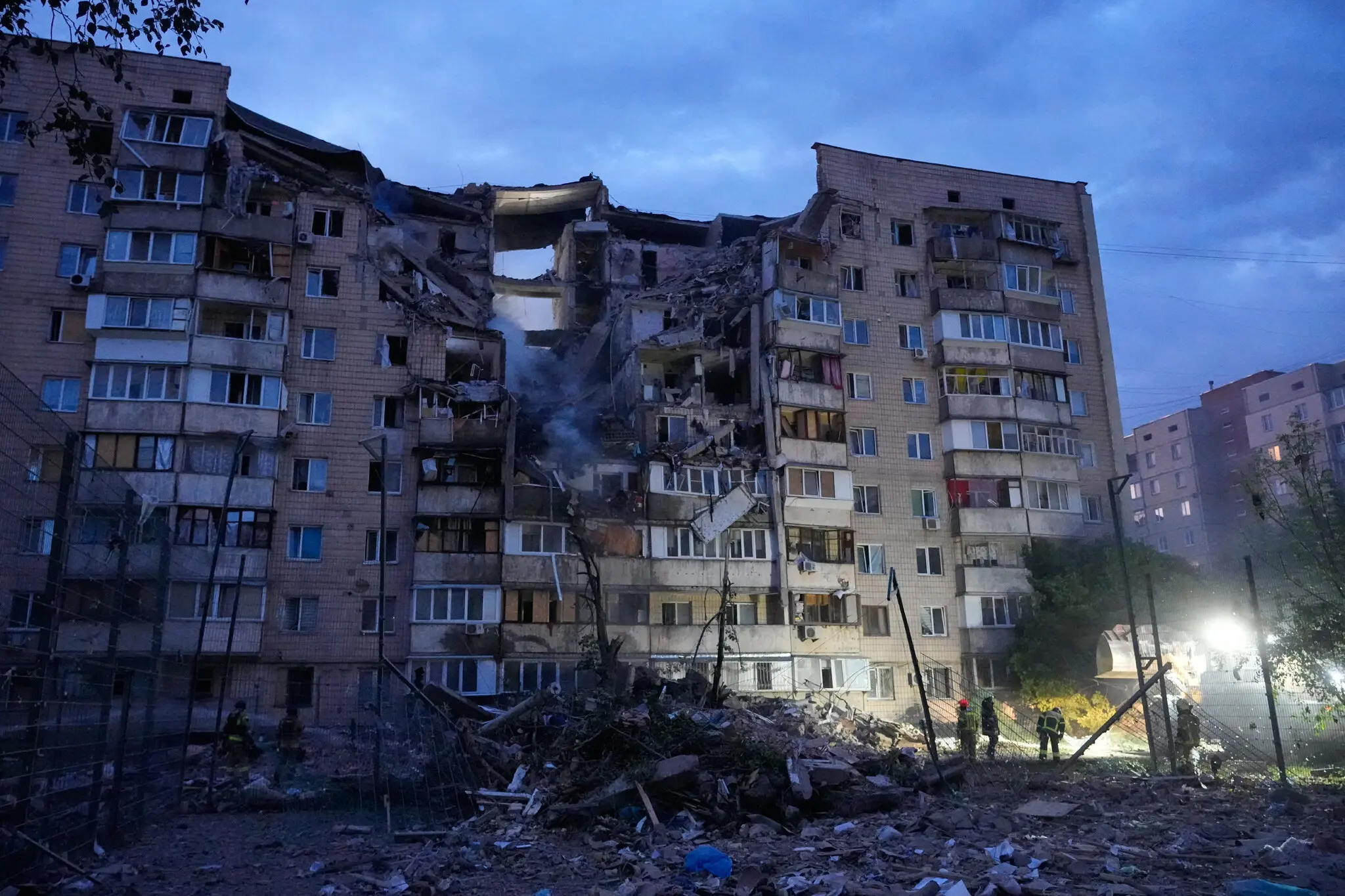
For Ukraine, this is not a new reality. Kyiv has lived through repeated mass missile and drone attacks, and diplomatic missions have already worked under elevated danger. What makes this statement different is that a possible strike on the capital is openly tied to the security of Russia’s celebration.
That link exposes the moral asymmetry. Moscow demands silence for its parade, but offers no real silence to Ukrainian cities. It wants to protect Red Square from the risk of drones while refusing to give up the right to strike Kyiv, Zaporizhzhia, Kharkiv, Dnipro or Kramatorsk.
Against this background, Russia’s talk of a short cease-fire on May 8 and 9 looks increasingly unlike a peace initiative. If a pause comes with a warning of a possible mass strike on a capital city, it is not a humanitarian gesture. It is a demand for safety for one side’s ritual under threat of punishment for the other.
Zelensky had proposed a different logic: begin the silence earlier and not confine it to Moscow’s holiday calendar. Ukraine’s formula was simple — human life is more important than any anniversary. Russia’s response increasingly shows the opposite: the anniversary is placed above life.
For Europe, this is an important test. Russia is not merely threatening Ukraine. It is trying to force the international presence in Kyiv to reckon with its ritual calendar. This is no longer only military pressure; it is an attempt to impose Russia’s hierarchy of fear on the outside world.
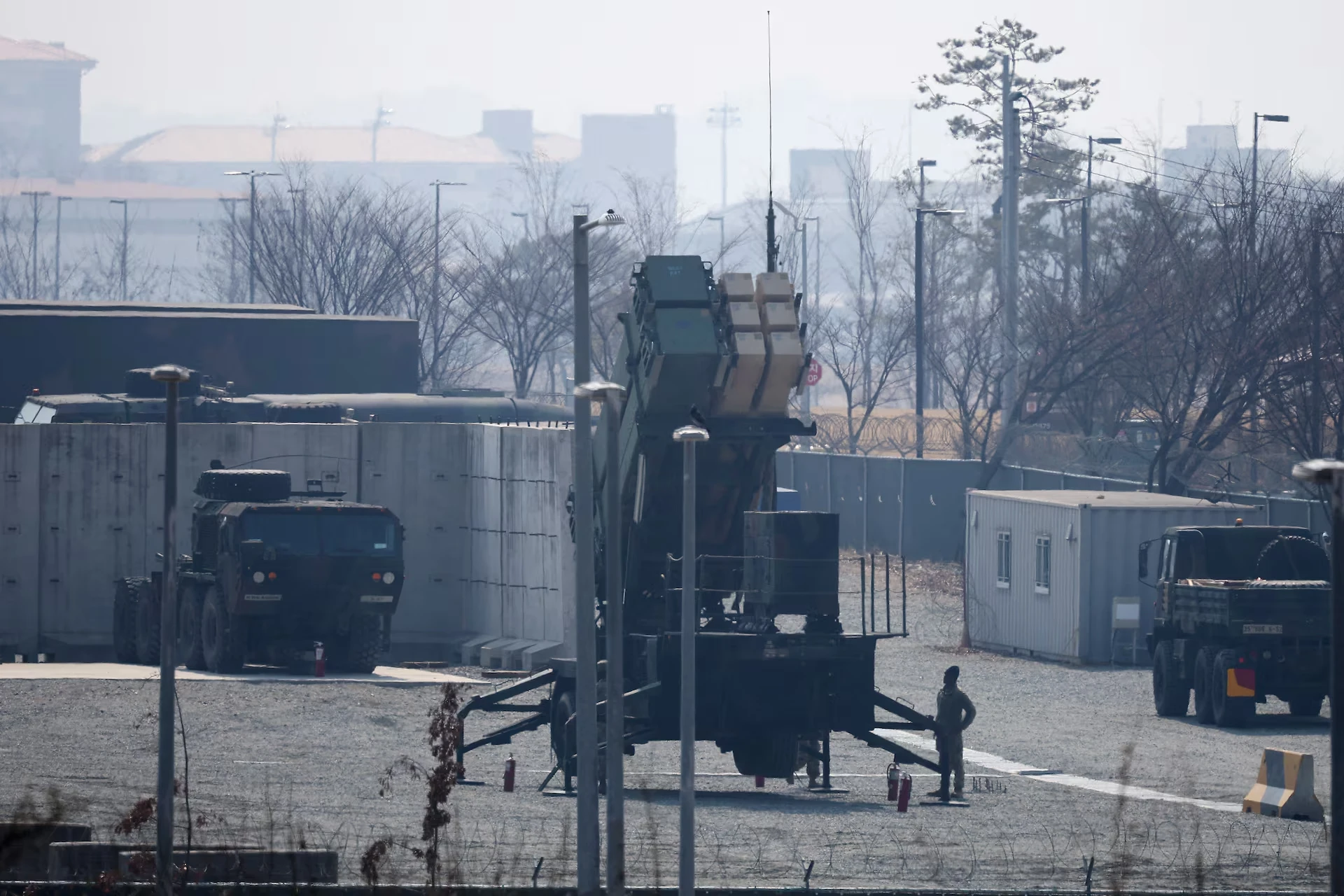
If diplomatic missions become part of that game, the Kremlin gains another instrument of influence. If Western governments remain calm while clearly naming the threat unacceptable, Russian blackmail loses part of its force. In moments like this, air defense matters — but so does political composure.
Moscow wants May 9 to remain a day of strength. But the very need to warn diplomats about a possible strike on Kyiv shows something else: the war the Kremlin tried to portray as controlled and distant is now threatening its main symbolic performance.
The parade was supposed to show victory. Instead, it shows fear — fear of drones over Red Square, fear of an empty ritual without military hardware, fear of losing the image of an unshakable state. And the more Moscow threatens Kyiv, the clearer it becomes that its power requires ever more coercion in order to look like power.
Ukraine’s capital has again become the target of a Russian ultimatum. But the real meaning of the threat is broader than Kyiv. Russia is effectively telling the world that the safety of its parade matters more than the safety of another capital. In that formula, one can see clearly where the memory of victory ends — and where wartime blackmail begins.