



















A cease-fire in Russia’s war against Ukraine has again become not only a military issue, but a symbolic one. Moscow proposed halting fire on May 8 and 9, exactly around Russia’s Victory Day commemorations. Kyiv responded with its own initiative: begin the silence earlier, on the night of May 5 to 6, and not tie it to a parade.
At first glance, both sides are speaking about the same thing: a halt to fighting. In reality, they are speaking about different things. Russia wants a short pause around a state ritual. Ukraine is insisting on silence measured not by the safety of a Moscow ceremony, but by the lives of people in cities struck every day.
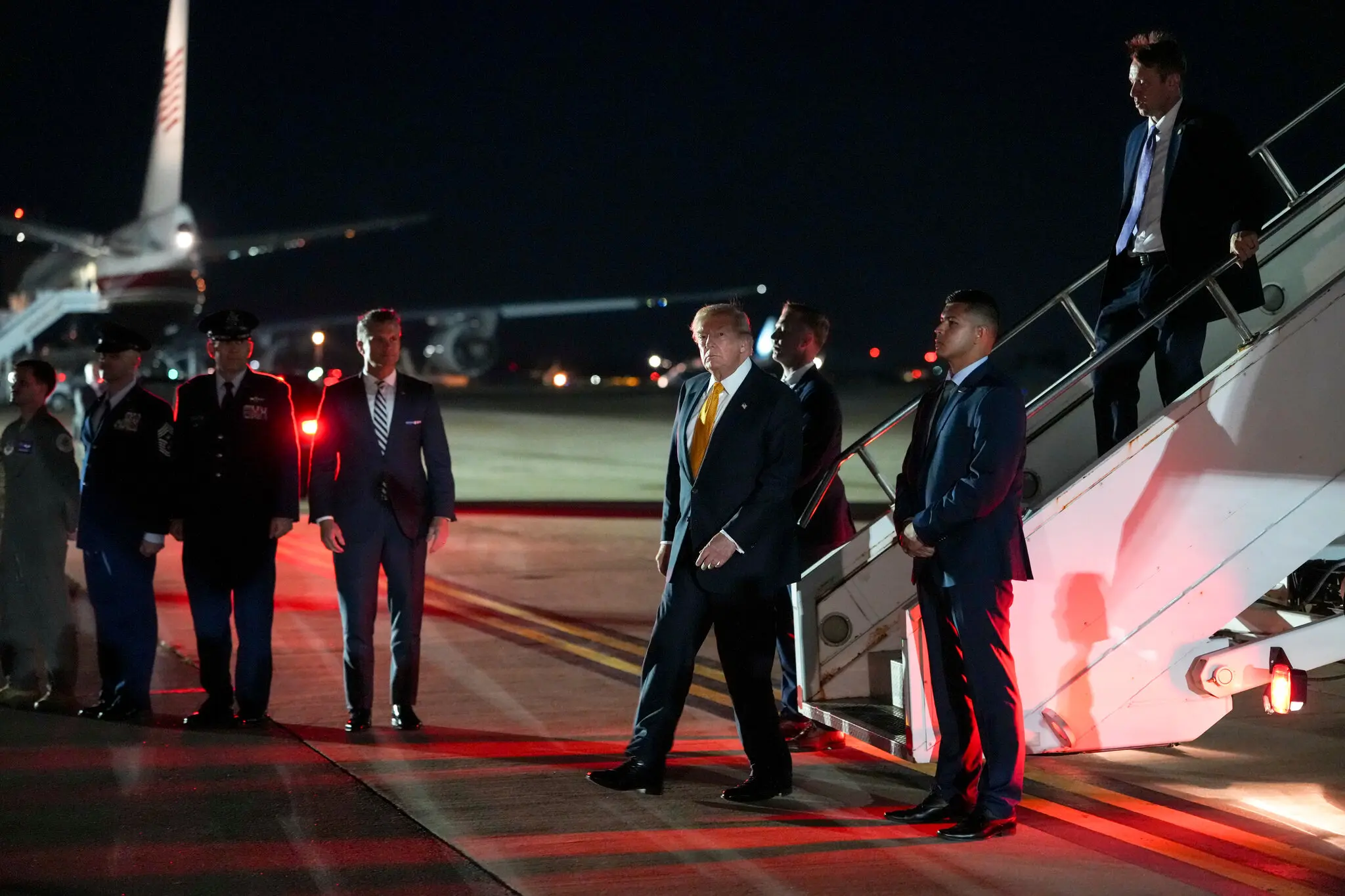
Putin’s formula emerged after a conversation with Donald Trump and was quickly framed by Russia’s Defense Ministry as a two-day pause. But Moscow immediately added a threat: any attempt to disrupt the celebrations would supposedly trigger a massive missile strike on central Kyiv.
According to Daycom’s earlier analysis, that threat destroys the peaceful meaning of Russia’s proposal. A cease-fire accompanied by warnings for civilians and foreign diplomats to leave another country’s capital does not look like a humanitarian gesture. It looks like a demand for silence under threat of punishment.
The Kremlin is tying the pause to the 81st anniversary of victory over Nazi Germany, known in Russia as the Great Patriotic War. For Putin, that date has long ceased to be only historical. It has become a central instrument of political legitimacy, linking Soviet memory to the current aggression against Ukraine.
That is why the safety of the parade has become almost strategic for Moscow. Russia is already scaling back the commemoration, abandoning the usual display of heavy military equipment and openly citing the threat of Ukrainian drones. A ritual of strength meant to project state power now itself needs protection.
 Російські військовослужбовці марширують колонами під час репетиції військового параду до Дня Перемоги, присвяченого річниці перемоги над нацистською Німеччиною у Другій світовій війні, у центрі Москви, Росія, 4 травня 2026 року — Юлія Морозова
 Російські військовослужбовці беруть участь у репетиції військового параду до Дня Перемоги, присвяченого річниці перемоги над нацистською Німеччиною у Другій світовій війні, у центрі Москви, Росія, 4 травня 2026 року — Юлія Морозова

Ukraine’s response changed the frame. Zelensky proposed a regime of silence beginning at midnight on May 6 and said Ukraine would act symmetrically. He did not set a formal end date. Politically, this was an attempt to move the discussion away from Russia’s holiday calendar and toward a real halt to strikes.
His central argument was simple: human life is incomparably more valuable than any anniversary. That sentence contains the core conflict between Kyiv and Moscow. For Ukraine, a cease-fire should be a tool to save people. For Russia, it increasingly resembles a tool for protecting a state spectacle.
Kyiv has long treated short Russian pauses with suspicion. During the previous Easter “cease-fire,” both sides quickly accused each other of violations. That experience only strengthened Ukraine’s view that a brief, poorly defined pause without monitoring or political continuation can easily become an information trap.
The risk of that trap is clear. Moscow can propose silence on its own terms, attach it to a symbolic date and then accuse Ukraine of rejecting peace. But Ukraine’s earlier initiative tests Russia itself: if the Kremlin truly wants a cease-fire, it can stop not on May 8, but now.
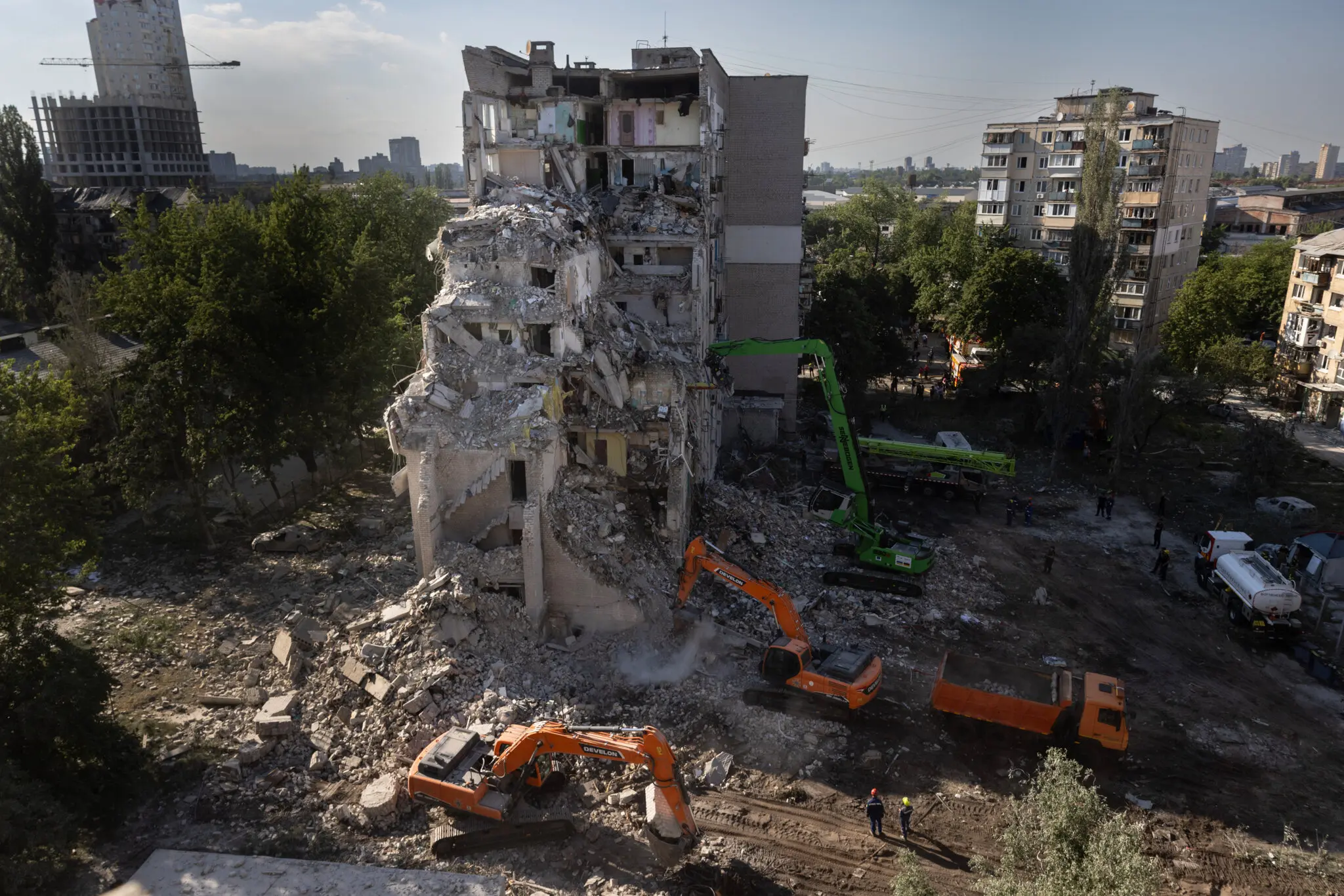
That matters especially after Russia’s recent strikes on Ukrainian cities. When Zaporizhzhia, Dnipro, Kramatorsk, Kharkiv and Sumy region live daily under the risk of glide bombs, missiles and drones, two days of silence for a Moscow parade are not a sufficient answer. They cannot create trust if attacks continue before and after.
Moscow, for its part, is reacting more sharply to Ukraine’s long-range campaign. Strikes on refineries, port infrastructure, logistics and targets deep inside Russia have forced the Kremlin to reckon with the fact that the war no longer has a safe rear. The drone that hit a building in Moscow became a symbol of that new vulnerability.
 Український військовослужбовець стріляє під час навчання в нерозголошеному місці в Запорізькій області 30 січня — Тетяна Джафарова
 Українські солдати цього місяця проходять тренування у Чорнобильській зоні відчуження — Брендан Гоффман

That is why the May 9 parade carries a different meaning this year. If it proceeds without the usual display of military equipment, that will not be a gesture of modesty. It will be an admission of risk. Russia, which for years used Red Square to stage an image of military power, now has to worry that a drone may appear above it.
Zelensky pointed directly to that weakness: if Moscow fears drones over Red Square and cannot afford a full military display, that says a great deal. In response, the Kremlin is trying to discuss not its own vulnerability, but threats against Kyiv.
This is where the main line is drawn. A real cease-fire reduces violence for everyone. Russia’s current pause mainly protects the symbolic center of Russian power. It does not answer what will happen to Ukrainian cities on May 10, May 11 and every day after the parade.
For Ukraine’s international partners, that distinction is essential. Any pause in war may sound desirable, but not every pause is a step toward peace. If it is built around one side’s propaganda needs, without guarantees and without readiness to extend it beyond a ceremony, it may only reinforce manipulation.
Ukraine is trying to restore meaning to the word cease-fire. It is not scenery for a parade, not a convenient window for television images and not a way to temporarily freeze risks for Moscow. It means stopping strikes on people, infrastructure, residential districts and front-line cities.


The coming days will show not who announced silence more elegantly, but who is prepared to observe it. In this war, statements have long lost independent value. Only actions matter: whether missiles fly, whether drones are launched, whether people die, whether artillery falls silent.
Putin and Zelensky did not merely propose two different cease-fire schedules. They proposed two different logics of war and peace. One subordinates silence to a state ritual. The other places silence before the holiday and above the holiday. In that difference, it is clear where the parade ends — and where the true value of human life begins.