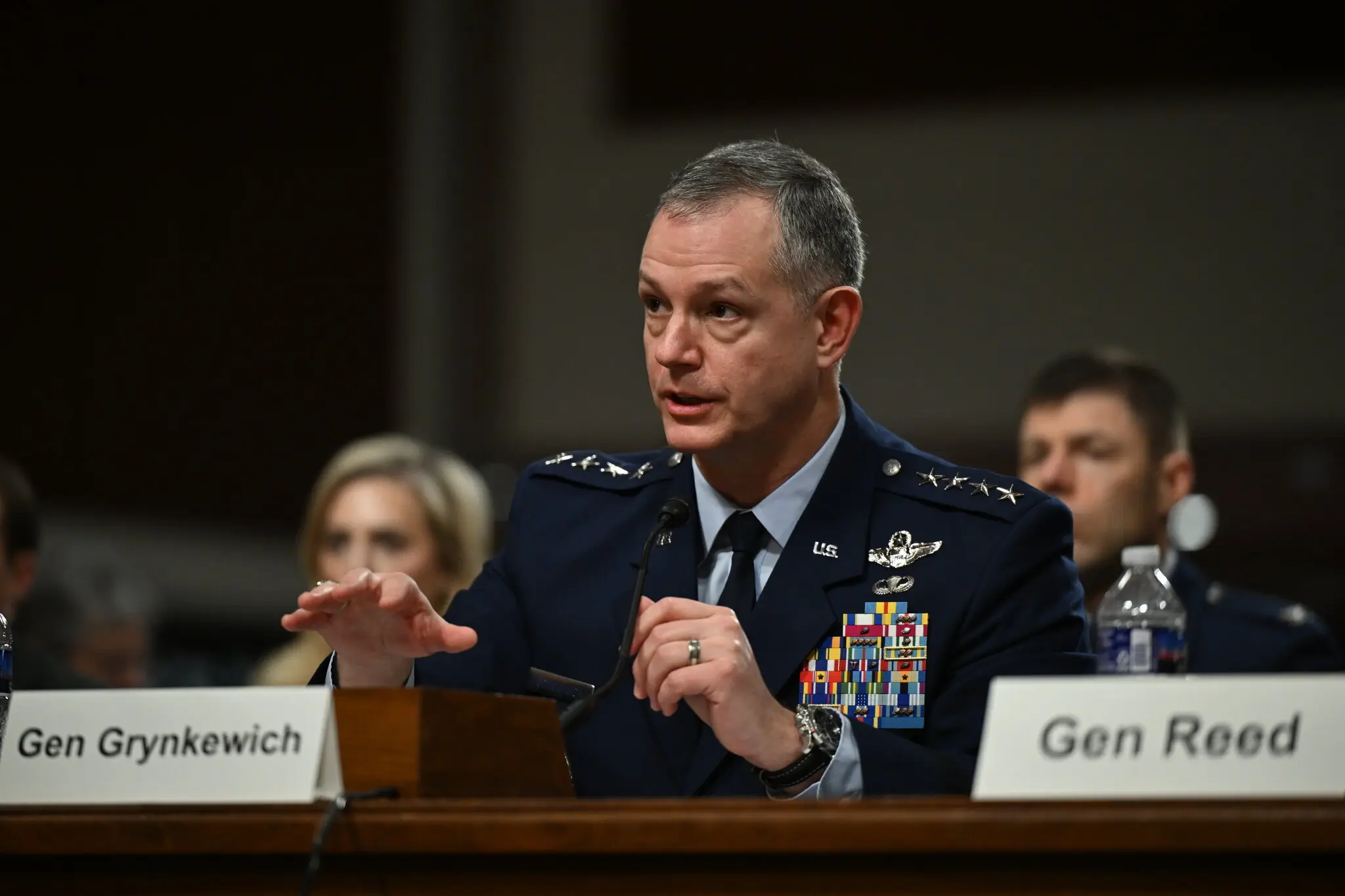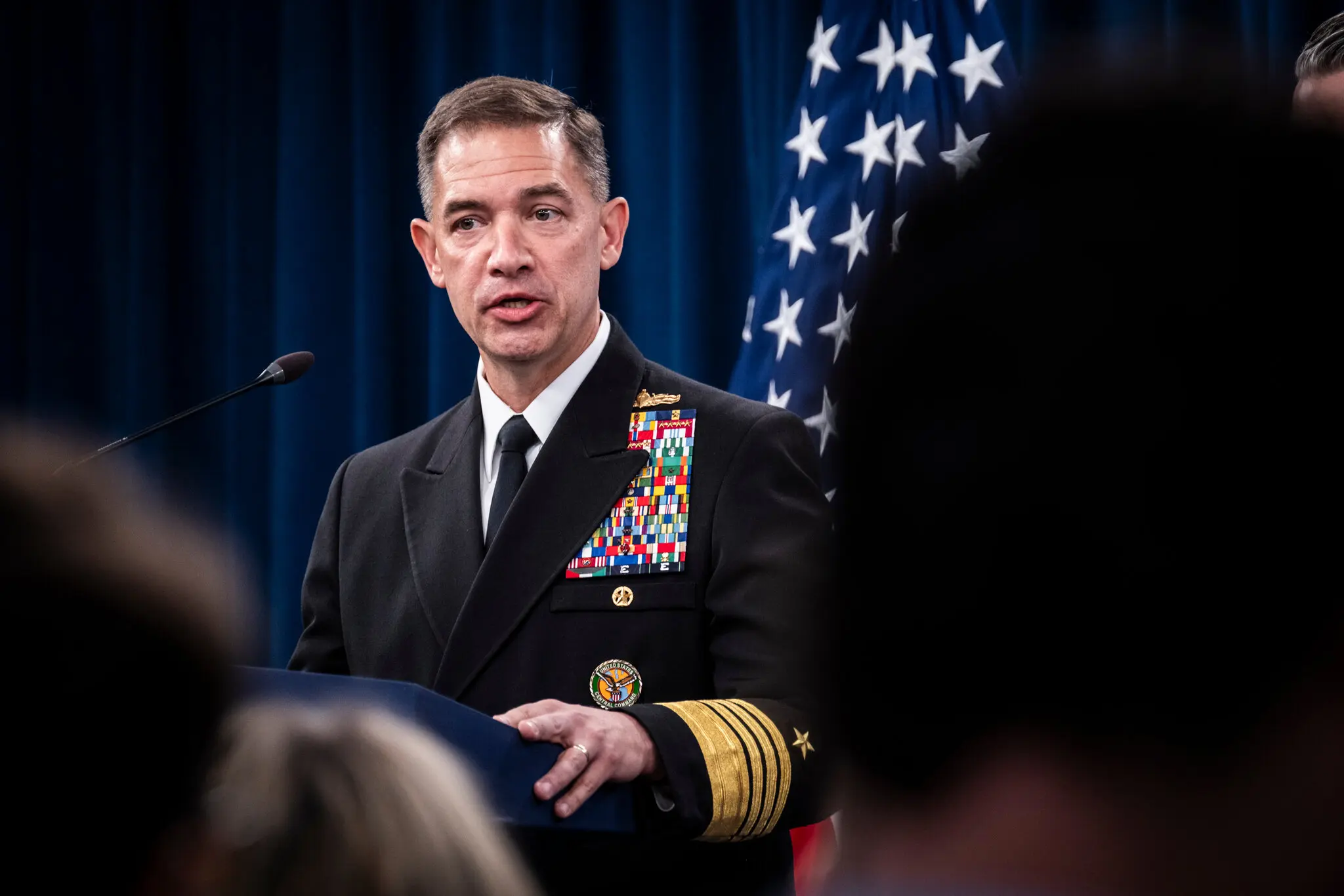
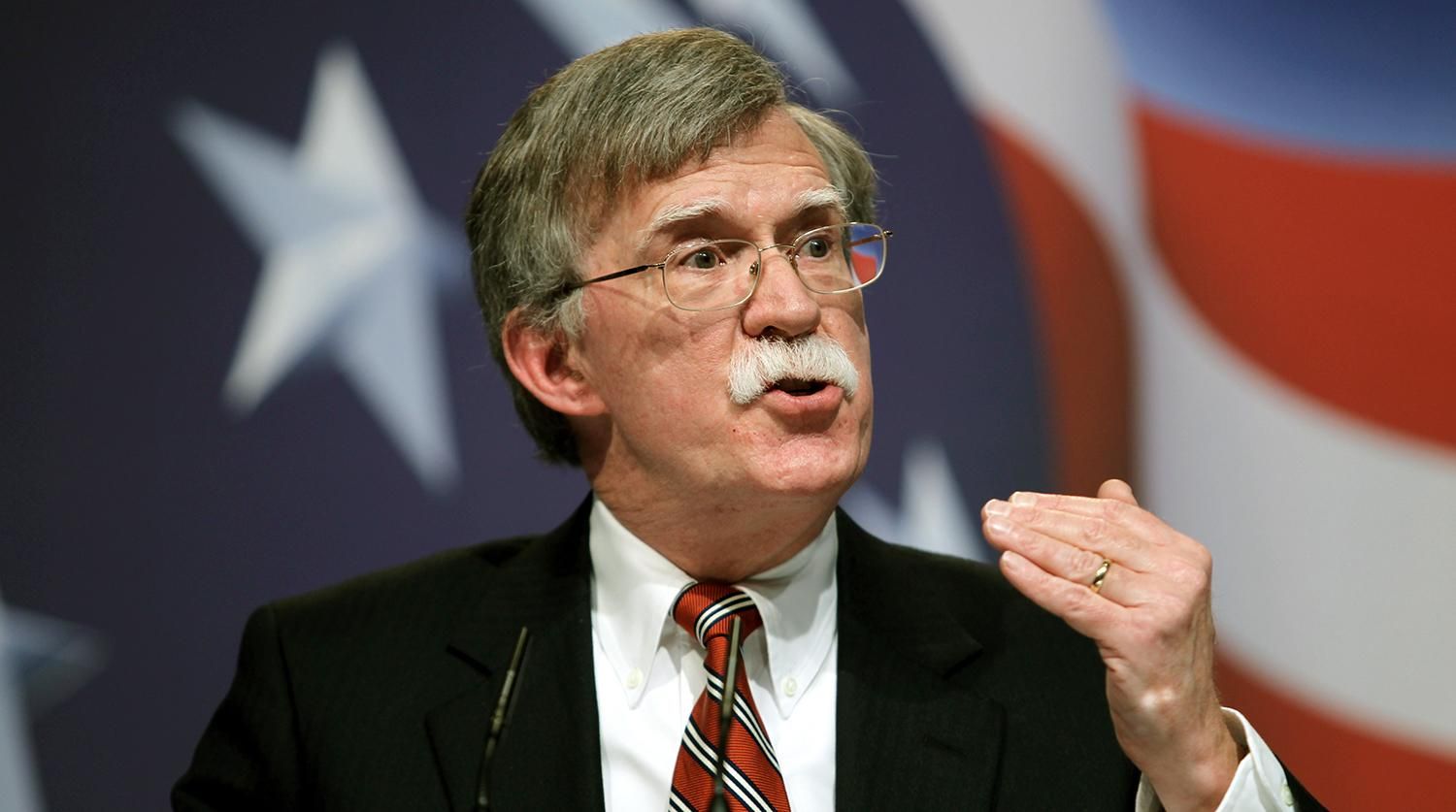



















Pete Hegseth did not come to Brussels for diplomatic politeness. His address to NATO defense ministers was a cold shower for an alliance accustomed to hiding disagreements behind joint communiqués. This time, Washington spoke not in the language of partnership, but in the language of grievance.
The U.S. defense secretary called it “shameful” that some allies had refused to assist American strikes on Iran. The issue was not direct participation in combat, but bases, airspace and access for aircraft and ships. Yet for the Pentagon, that detail became a test of real allied readiness.
European governments saw the war with Iran differently. For many of them, the U.S.-Israeli strikes were not only a military decision, but also a legally and politically risky operation. France, Italy, Spain and Britain acted cautiously, trying not to be drawn into a conflict whose consequences could spread far beyond the Middle East.
For Daycom, the scene at NATO headquarters matters not as another quarrel between Washington and Europe, but as a sign of something deeper: the alliance has entered a phase in which American guarantees increasingly come with political invoices, and European security can no longer rest on the automatic habits of the past.
Hegseth effectively asked allies the question NATO has long avoided answering directly: if Europe wants American protection from Russia, is it ready to support the United States in other theaters, even when those operations collide with its legal, political or domestic constraints?
That is a painful question because NATO was created as a defensive alliance for the Euro-Atlantic space, not as a mechanism for automatic support of every American war. For Europeans, the difference between defending Poland or the Baltic states and striking Iran is fundamental. For the current Washington, that difference is becoming less obvious.
That is why Hegseth’s words sounded like a warning. The United States is launching a six-month review of its military presence in Europe. Formally, this is about aligning forces with America’s global needs. Politically, it is a signal that access to the American shield is no longer an unconditional service.
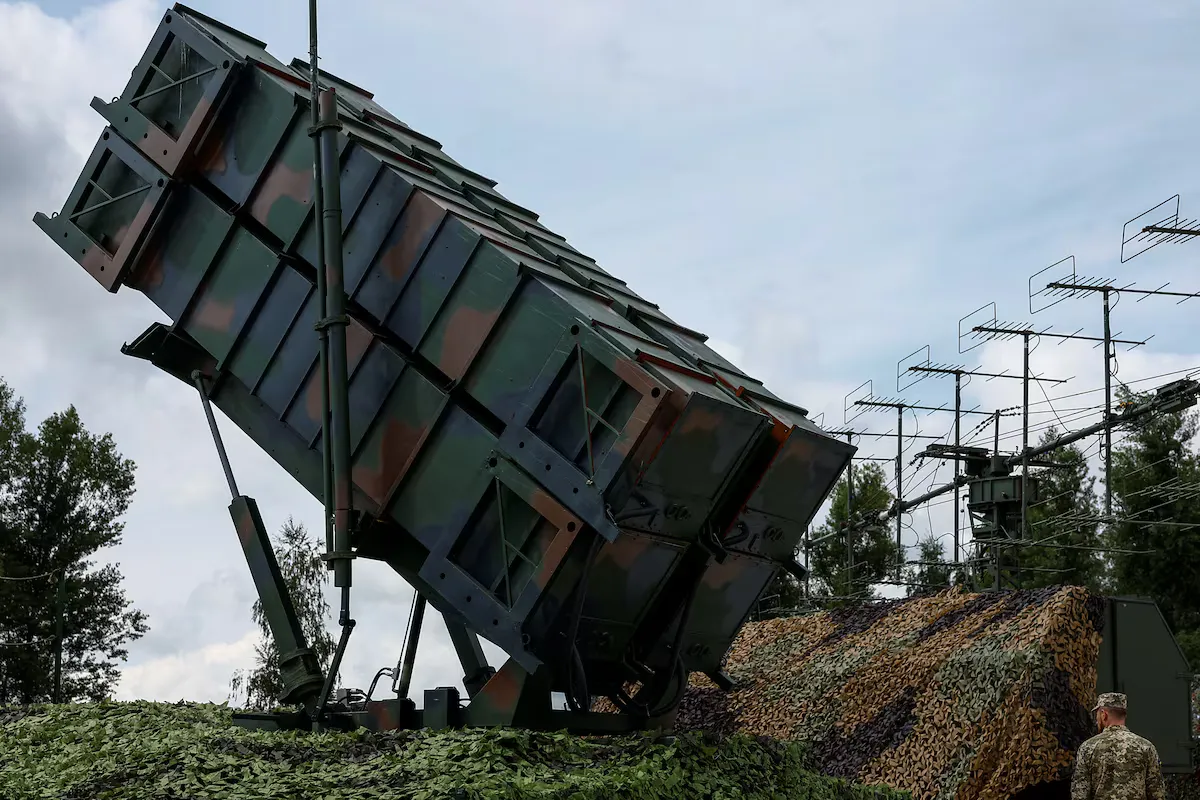
Such a review could have serious consequences. U.S. troops, aircraft, ships, intelligence, anti-submarine capabilities, long-range missiles and logistics hubs remain critical for NATO. If Washington reduces part of its forces or limits participation in European operations, the alliance will quickly feel its vulnerabilities.
This applies especially to deterrence against Russia. Europe speaks often about increasing defense spending, but it still has no full substitute for American capabilities. Monitoring Russian submarines, conducting long-range strikes, strategic transport, satellite intelligence, command and control — these are areas where dependence on the United States remains deep.
Hegseth repeated Trump’s old description of NATO as a “paper tiger.” For Europeans, that is insulting. But worse is the fact that such rhetoric is no longer just campaign noise. It is becoming administrative policy: troop reviews, budget pressure, possible cuts in contributions and demands for access to bases without long legal debates.
The United States is also warning that it could reduce its share of NATO’s administrative costs if other countries do not raise their defense budgets. Formally, Washington pays roughly the same as Germany. But the political meaning of the complaint is broader: America is demanding not accounting equality, but strategic loyalty and greater European military self-reliance at the same time.
This double demand is what makes the crisis so difficult. Washington wants Europeans to spend more, take more risk and argue less with American decisions. Europe wants more autonomy, but does not want to lose American protection. These two logics no longer fit into the old comfortable formula.
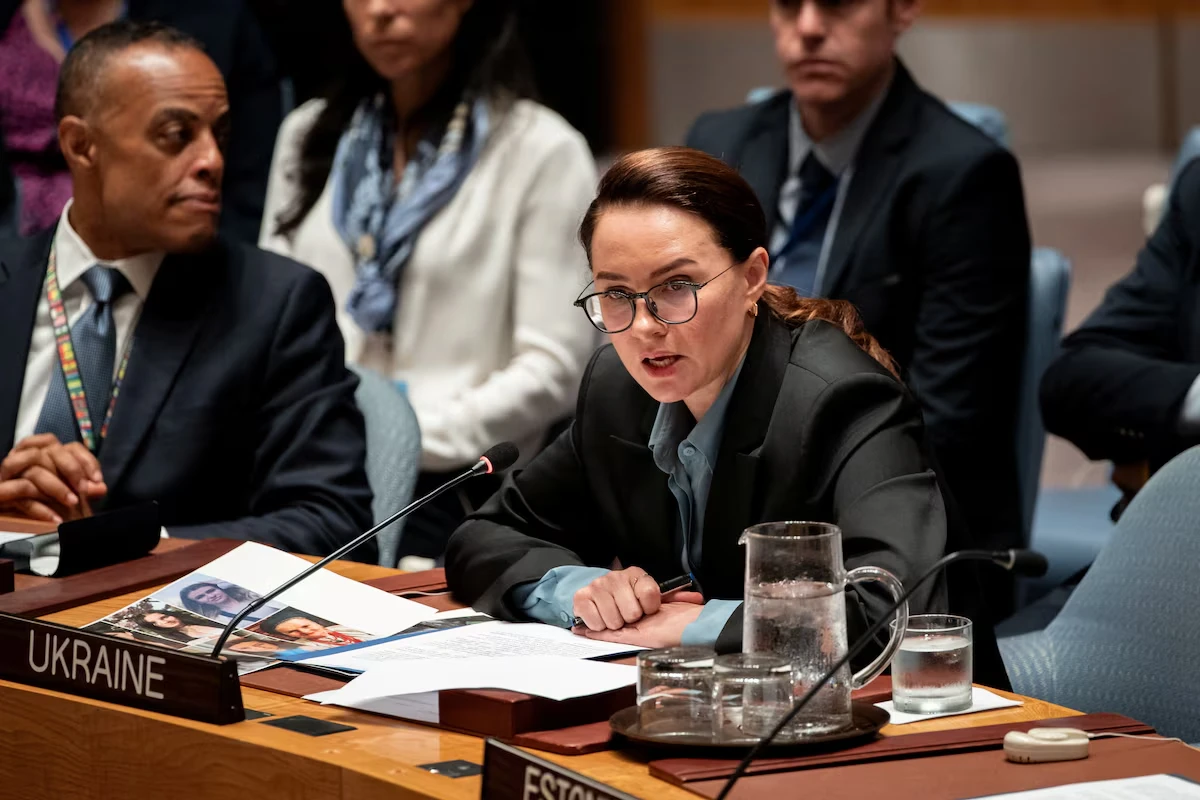
For Ukraine, this has direct significance. Russia’s war has shown how important the American presence in Europe remains. If Washington begins cutting forces or reducing the availability of key systems for NATO, the eastern flank will feel more vulnerable, and Moscow will gain new room for pressure.
At the same time, Ukraine has become proof for Europe that defense dependence on the United States is dangerous. When aid to Kyiv is delayed in Washington, the effect is felt immediately at the front. When an American president changes tone, European capitals nervously review their own warehouses, factories and budgets.
Now the Iranian lesson has been added to the Ukrainian one. Europeans did not want to automatically support American strikes because they saw the risk of major escalation. The United States, in response, treated this not as a sovereign decision by allies, but as a breach of expected loyalty. A new tension is forming inside NATO: between an ally’s right to say no and the alliance leader’s demand to hear only yes.
Mark Rutte, NATO’s secretary general, had to quickly steer the meeting back toward business. But diplomatic correctness can no longer hide the central fact: the next alliance summit will not take place in an atmosphere of calm unity, but under the pressure of America’s ultimatum-driven style.
Trump’s demand that allies raise defense spending to 5 percent of GDP has shifted the boundaries of the debate. Until recently, 2 percent was the political target many countries struggled to meet for years. Now Washington is raising the bar so high that for many governments it would mean not just military reform, but a restructuring of the budgetary state.
The problem is not only money. Even if European countries sharply increase spending, they need factories, skilled workers, contracts, technologies, stockpiles, logistics and public consent. Defense capacity cannot be bought in a single budget year. It takes time to build, and the crisis is already here.
Hegseth’s speech was crude, but it struck a weak point. Europe really did spend decades under the American strategic roof while delaying unpopular defense decisions. Now it objects to the form of American pressure, but it cannot fully reject the substance: without a sharp increase in power, Europe will remain dependent.
At the same time, the United States risks damaging what it helped build after World War II. NATO rests not only on tanks and budgets, but on trust. If allies begin to see American guarantees as a conditional service that can be withdrawn for political disobedience, the alliance may remain formally intact while becoming psychologically weaker.
For Russia, this tension is a gift. The Kremlin has long tried to prove that NATO is unstable, that America is tired of Europe and that European capitals cannot act together. Every public quarrel between Washington and its allies feeds that narrative, even when military cooperation formally continues.
But for Europe, this is also an opportunity. If it reads the signal correctly, the answer should not be resentment toward Hegseth, but acceleration of its own defense transformation: more ammunition, more air defense, more long-range capability, more anti-submarine forces, more strategic mobility and more political capacity to decide without waiting for Washington.
NATO is entering a period in which old rituals no longer work. Smiles for the cameras, group photographs and careful language cannot obscure the main reality: the United States wants less unilateral responsibility, Europe fears a smaller American presence, and Russia, Iran and China are watching the cracks closely.
Hegseth called the allies’ behavior shameful. But the real shame for Europe would not be refusing to support every American operation. The real shame would be receiving this signal and once again postponing its own defense. NATO can still remain a strong alliance. But only if Europe finally learns to be not merely a territory protected by others, but a force others must take seriously.