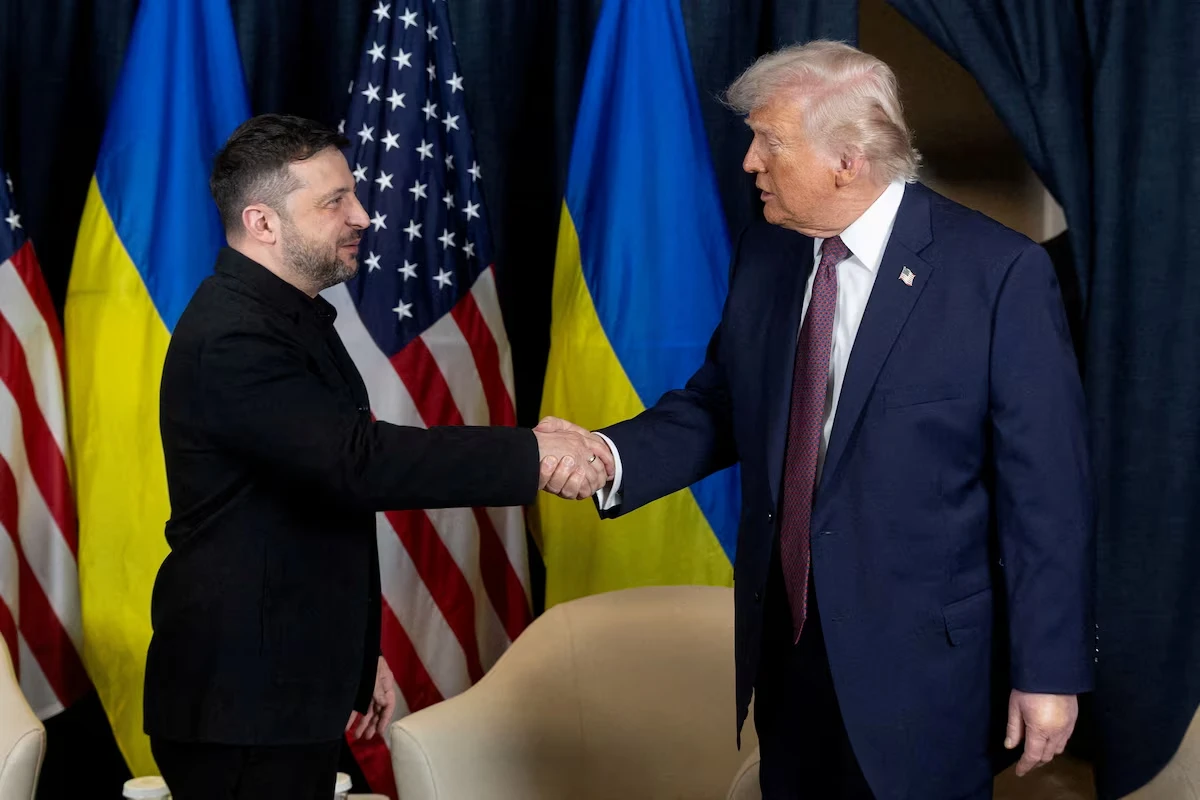





















Pedro Sánchez has built his career on surviving moments that would have ended other political leaders. His current resurgence rests on a familiar paradox: an external confrontation that could have weakened him has instead become a source of strength. His clash with Donald Trump has not damaged him politically. It has helped keep him afloat.
From the outside, the story looks almost heroic. Sánchez has taken hard positions on tariffs, security, and military escalation, presenting himself as a defender of European autonomy and liberal restraint. For parts of the global left, he has come to embody a rare willingness to push back against Washington in blunt and public terms.
Inside Spain, the same picture looks far less idealistic. According to Daycom’s earlier analysis, Sánchez’s international quarrels with Trump have functioned above all as a diversion from mounting domestic troubles that were steadily eroding his authority.
Those troubles are structural rather than episodic. Corruption investigations involving former allies, a weakened parliamentary base, and the political cost of deals with Catalan separatists have all strained trust in his leadership. At the same time, broader pressures — the housing crisis, the fallout from natural disasters, and deepening polarization — have hardened public frustration.
The most damaging pressure has come from his own circle. Men who once symbolized Sánchez’s rise have become liabilities, turning from assets into reminders of the system of loyalties that helped sustain him. He has not been personally implicated in the cases, but politically he cannot escape the burden of having empowered those now under scrutiny.
In that context, confrontation abroad looks less spontaneous than strategic. Public disputes with Trump over trade, international law, and military action create a new frame around Sánchez. Within it, he is no longer merely a leader under pressure at home, but a statesman shaping events rather than reacting to them.
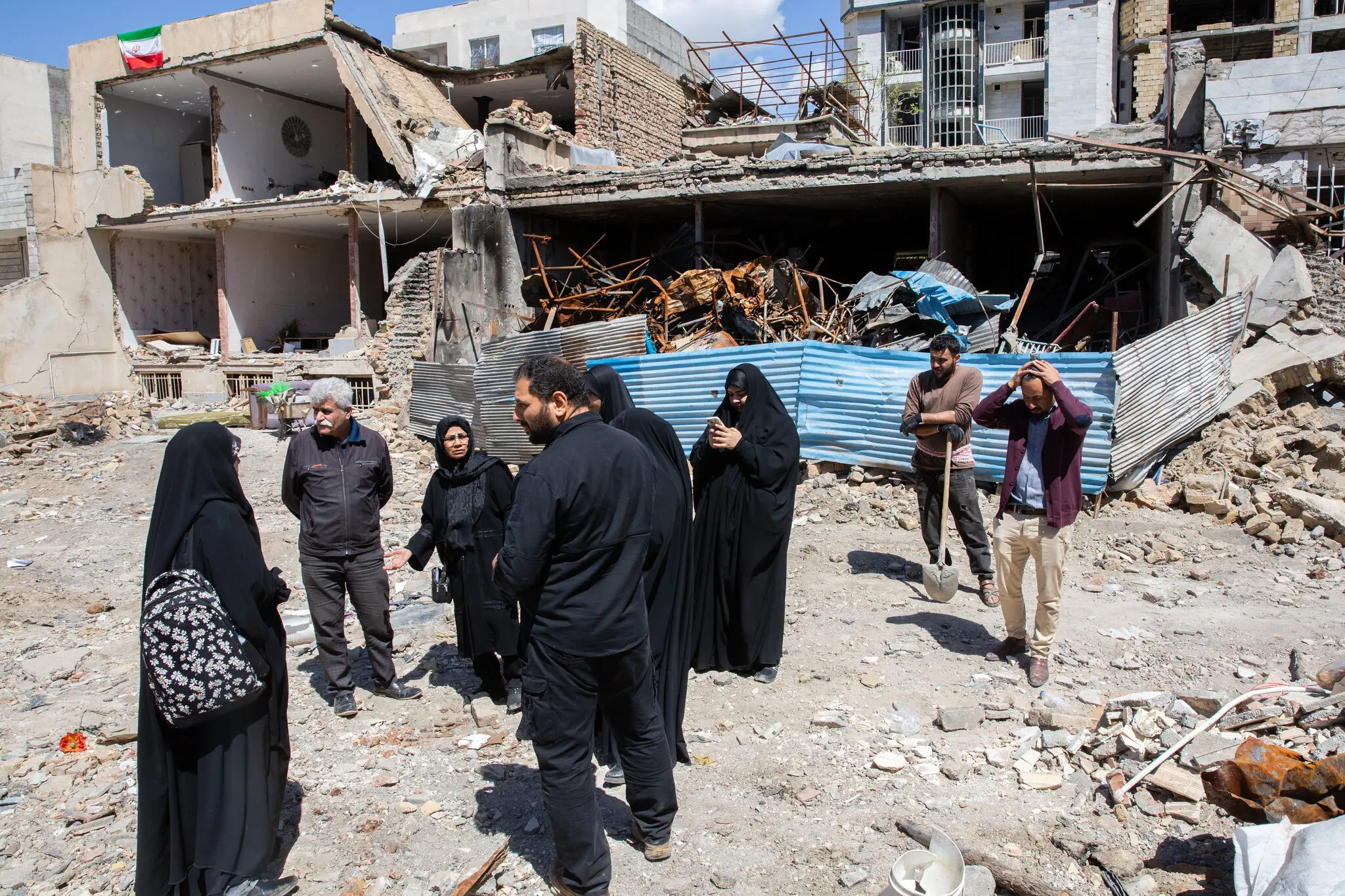
The turning point came with the confrontation over Iran. Sánchez’s sharp criticism of U.S. actions, his refusal to facilitate military operations, and his forceful language allowed him to claim the role of moral opponent rather than defensive incumbent. That helped recover support among voters disillusioned by scandal but still responsive to questions of legitimacy, peace, and sovereignty.
Just as important, the costs of such positioning remain relatively limited. As a member of the European Union, Spain is insulated from the kind of narrowly targeted retaliation that might otherwise make such rhetoric dangerous. Sánchez is therefore able to extract political value from the conflict without bearing its full economic price.
At the same time, he has used the moment to signal a broader geopolitical flexibility, opening space for ties with alternative centers of power and presenting Spain as a country capable of acting independently in a fractured world. That message is aimed not only outward, but inward as well.
Still, this strategy has clear limits. It works only so long as international confrontation continues to overshadow domestic erosion. If internal crises deepen, the benefits of foreign-policy theater may fade quickly. More than that, a politics built on constant polarization eventually reshapes the political field itself, strengthening the extremes it claims to contain.
Sánchez has already shown that he knows how to turn crisis into method. His confrontation with Trump is the latest example of that instinct at work. But the central question remains unresolved: whether permanent tactical maneuver can become a durable model of government, or whether it merely postpones the moment when Spain’s internal contradictions return to the center of the stage.