























Russia’s war is no longer confined to the Ukrainian front. While Vladimir Putin’s army pays a heavy price for slow battlefield gains, the Kremlin is expanding another space of attack — less visible, but dangerous for all of Europe.
This front runs not only through trenches and minefields. It runs through railway lines, communications cables, aviation-navigation systems, energy facilities, cargo aircraft, servers, media ecosystems and the political nerves of Western societies.
The head of Britain’s GCHQ, Anne Keast-Butler, is warning that Russia is scaling up its daily hybrid activity against the United Kingdom and Europe. The threat includes sabotage, assassination attempts, cyberattacks, disinformation and other operations that remain below the formal threshold of war.
According to Daycom’s earlier analysis, the central meaning of this warning lies not in the novelty of Russian tactics, but in their scale. Moscow is no longer merely testing separate tools of pressure. It is building a long-term regime of attrition against the West outside a direct military confrontation with NATO.
The location of the warning is symbolic. Bletchley Park, where British codebreakers deciphered enemy communications during World War II, is once again becoming a stage for a conversation about security. But today’s war is encrypted not only in messages, but in data flows, logistics and digital traces.
GCHQ is responsible for signals and electronic intelligence, which gives its assessment particular weight. This is not parliamentary rhetoric. It is the view of an agency that monitors cyberattacks, intercepts, digital operations and attempts to penetrate critical systems every day.
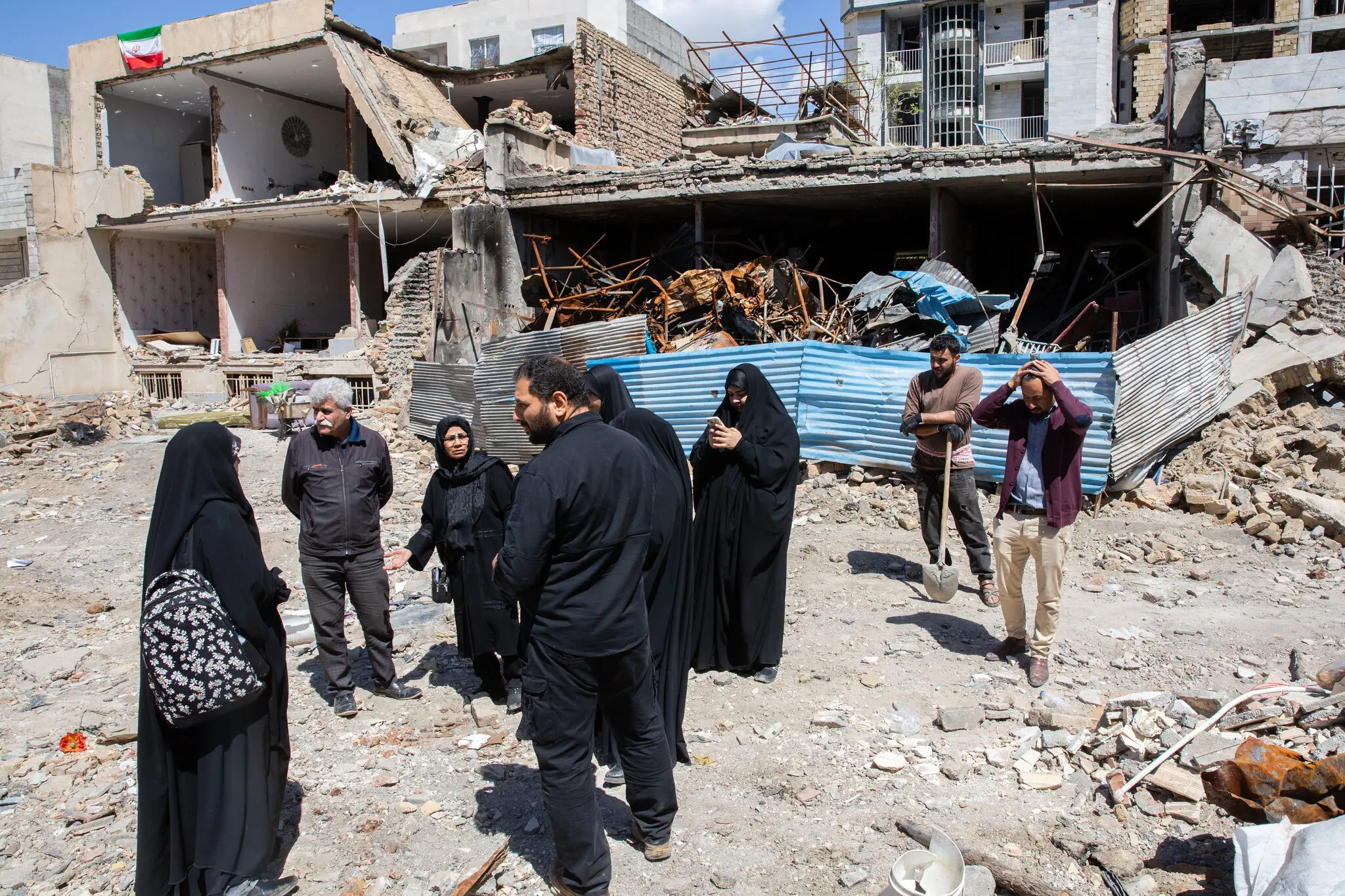
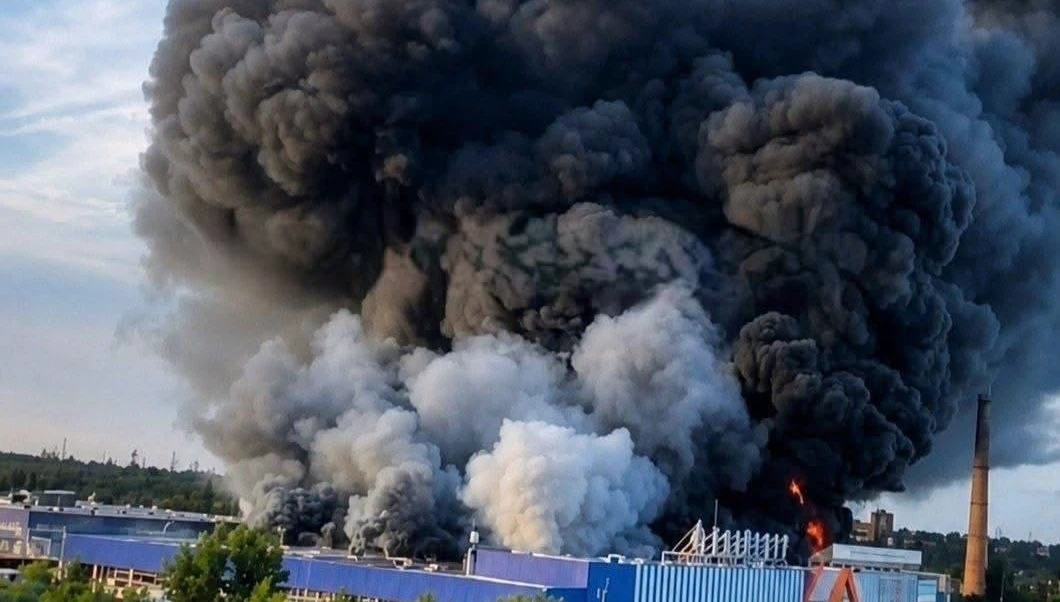
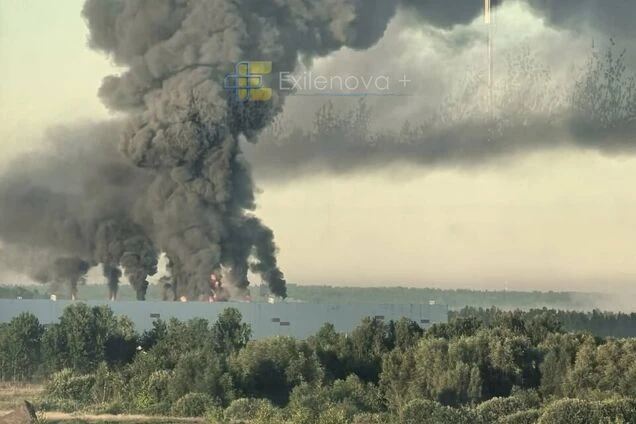
Russia’s strategy in Europe increasingly resembles an undeclared war. Drone incidents, explosives on railway routes, jamming of aviation navigation, hacks of infrastructure targets and plans to set fires in cargo transport all form part of the same pattern.
That pattern is built on deniability. The Kremlin wants to inflict damage, spread fear and still leave enough ambiguity for legal fog. The gray zone has become the preferred space of Russian aggression: dangerous enough to destabilize, but not always clear enough to trigger an immediate military response.
These operations serve several goals. The first is to undermine support for Ukraine by making it costly and dangerous for rear-area countries. The second is to test NATO’s speed of response. The third is to sow internal distrust, forcing societies to question whether the state can protect them from an invisible threat.
Poland is one of the main targets in this picture. It has become a key hub for military aid to Ukraine, taken in millions of Ukrainians, sharply increased defense spending and placed itself on the front line of confrontation with Russia and Belarus. Any strike against Polish logistics therefore matters far beyond Warsaw.
It is against this background that London and Warsaw are preparing a new defense and security treaty. For Britain, this is not simply a bilateral agreement. It is a way to anchor its role in European security after Brexit and respond to Russian pressure in the part of Europe where the risks are most concrete.
For Poland, the treaty with Britain is part of a broader strategy. Warsaw no longer wants to be only NATO’s eastern flank in a geographic sense. It wants to become one of the centers of a new European defense architecture in which the army, industry, intelligence and cybersecurity work together.
Russia is trying to exploit Western fatigue with the war. The fifth year of the full-scale invasion of Ukraine is draining political budgets, military stockpiles and public attention. The Kremlin is counting on a long war to turn solidarity into inertia, and inertia into division.
Yet Europe’s response is moving in another direction. States are increasing defense spending, strengthening intelligence coordination, expanding cyber-defense programs and signing bilateral security agreements. Russia wanted to frighten Europe into weakness. Instead, it is often forcing Europe to recover the language of power.
That recovery, however, remains uneven. NATO is still the central safeguard against a major war, but political uncertainty in the United States is pushing Europeans to prepare for a less predictable transatlantic reality. Europe can no longer afford the luxury of a slow awakening.
This is why the hybrid threat is so dangerous. It does not require Russian tank columns at the border. It only needs to hack a system, halt a transport node, spread a false narrative, recruit operatives for sabotage or strike a target in a way that leaves any response trapped in questions of proof.
Keast-Butler’s warning about Russia’s increasingly brazen behavior belongs in this context. The more Moscow encounters limits on the battlefield in Ukraine, the more actively it searches for ways to compensate by pressuring the West’s rear. Failure or stagnation at the front does not soften the Kremlin. It makes it more willing to take risks.
This logic has historical depth. Putin increasingly thinks of himself not as the administrator of a modern state, but as a ruler restoring imperial space. His comparisons with Peter the Great are not decorative. They show that, for the Kremlin, borders are not a legal reality but a temporary line of ambition.
European intelligence services therefore increasingly reject the idea that Ukraine is the final point of Russian aggression. Ukraine is Moscow’s main battlefield, but not necessarily its final horizon. If the Kremlin sees weakness, division or fear of escalation, the temptation to press further will only grow.
China forms a separate element of this picture. British intelligence views it as a scientific and technological superpower with formidable cyber, military and intelligence capabilities. Beijing and Moscow are not identical players, but their growing alignment creates a more complex strategic challenge for the West.
This is not simply a matter of two capitals drawing closer. It is a broader challenge to the West’s technological advantage. Cyberespionage, attacks on telecommunications networks, control of supply chains, artificial intelligence and military innovation are becoming parts of the same contest. Without technological superiority, security quickly loses depth.
For the United Kingdom, this means acting on several planes at once: supporting Ukraine, deterring Russia, protecting its own critical infrastructure, strengthening its partnership with Poland, adapting NATO to the gray zone and preserving its position in technological competition with China.
For Europe, the conclusion is even broader. The war of the future no longer begins only when a border is crossed. It can begin with a false message, a hacked server, a stopped train, a navigation failure, a warehouse fire or a sequence of events that appear accidental when viewed separately, but together form an attack.
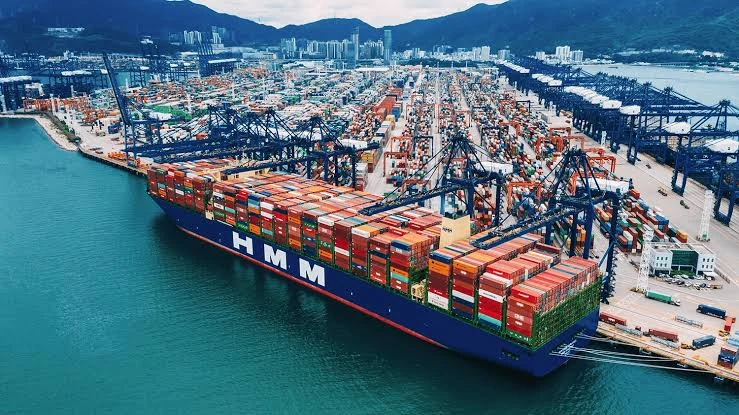
That is why the response cannot be military alone. It requires resilient energy grids, protected ports, cyber reserves, coordination between police and intelligence agencies, rapid data sharing, control of supply chains, media literacy and a public capacity not to panic under the pressure of disinformation.
The GCHQ warning sounds like a signal of a new normal. The Russian threat will not disappear after one summit, one ceasefire or one round of negotiations. It is already embedded in a long struggle over the shape of the European order, and therefore demands not a short mobilization but a lasting defense culture.
Putin’s invisible front is dangerous precisely because it does not always look like a front. Yet its consequences can be highly material: disrupted supply chains, damaged trust, paralyzed institutions, weakened support for Ukraine and open doors for the next act of aggression.
Britain’s warning should be read not as an intelligence alarm, but as a political instruction for Europe. Russia is testing not only Ukrainian defense. It is testing whether the West can protect its own rear in an age when war has learned to be quiet, cheap, distributed and almost daily.