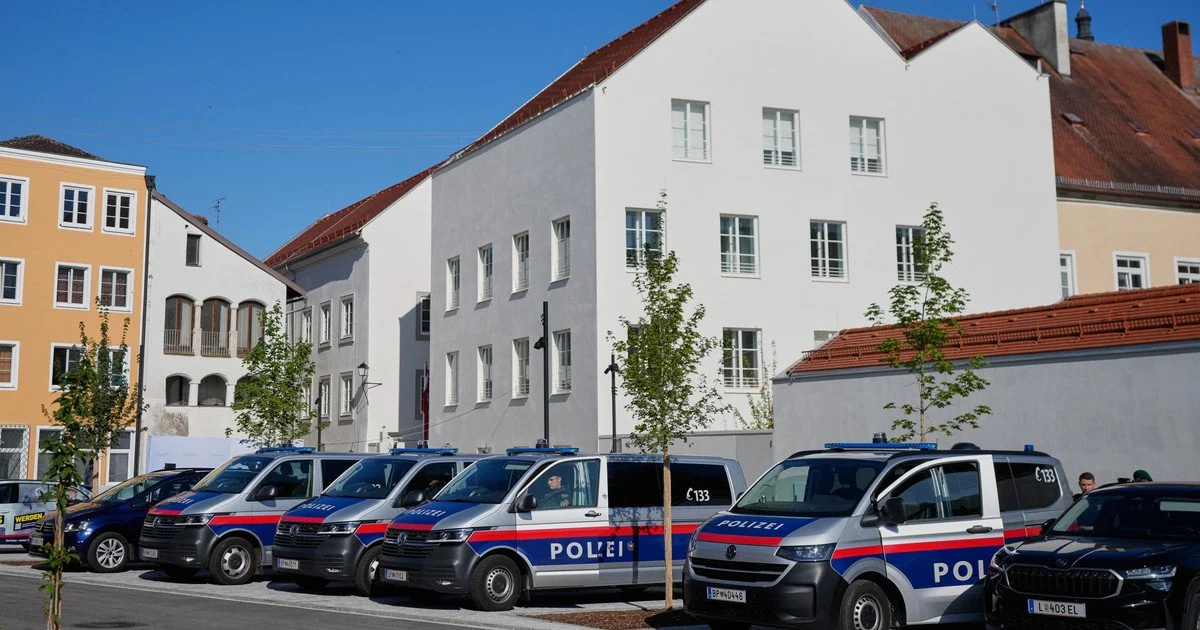



















A French Rafale fighter jet shot down a drone on Monday, June 8, after it entered Latvian airspace from Russia. For NATO, this was not a routine air-policing scramble, but a moment when the risk along the Alliance’s eastern border moved from warning signals to direct military action.
Latvian military officials did not identify who had launched the drone. They linked its appearance to Russian electronic warfare — interference with navigation and control systems that can force an unmanned aircraft off its intended route and into the airspace of neighboring states.
Before the drone was destroyed, authorities warned residents in Latvia’s eastern regions about an air threat and urged them to remain indoors. The alert was lifted after the interception, though another warning was issued later the same day for people living near the eastern border.
According to Daycom’s assessment, the significance of the incident lies not only in the fact that the drone was shot down. More important is the pattern: the Baltic states are increasingly exposed to the unpredictable consequences of a war in which Russian electronic warfare, Ukrainian long-range strikes, civilian safety and NATO procedures now overlap.
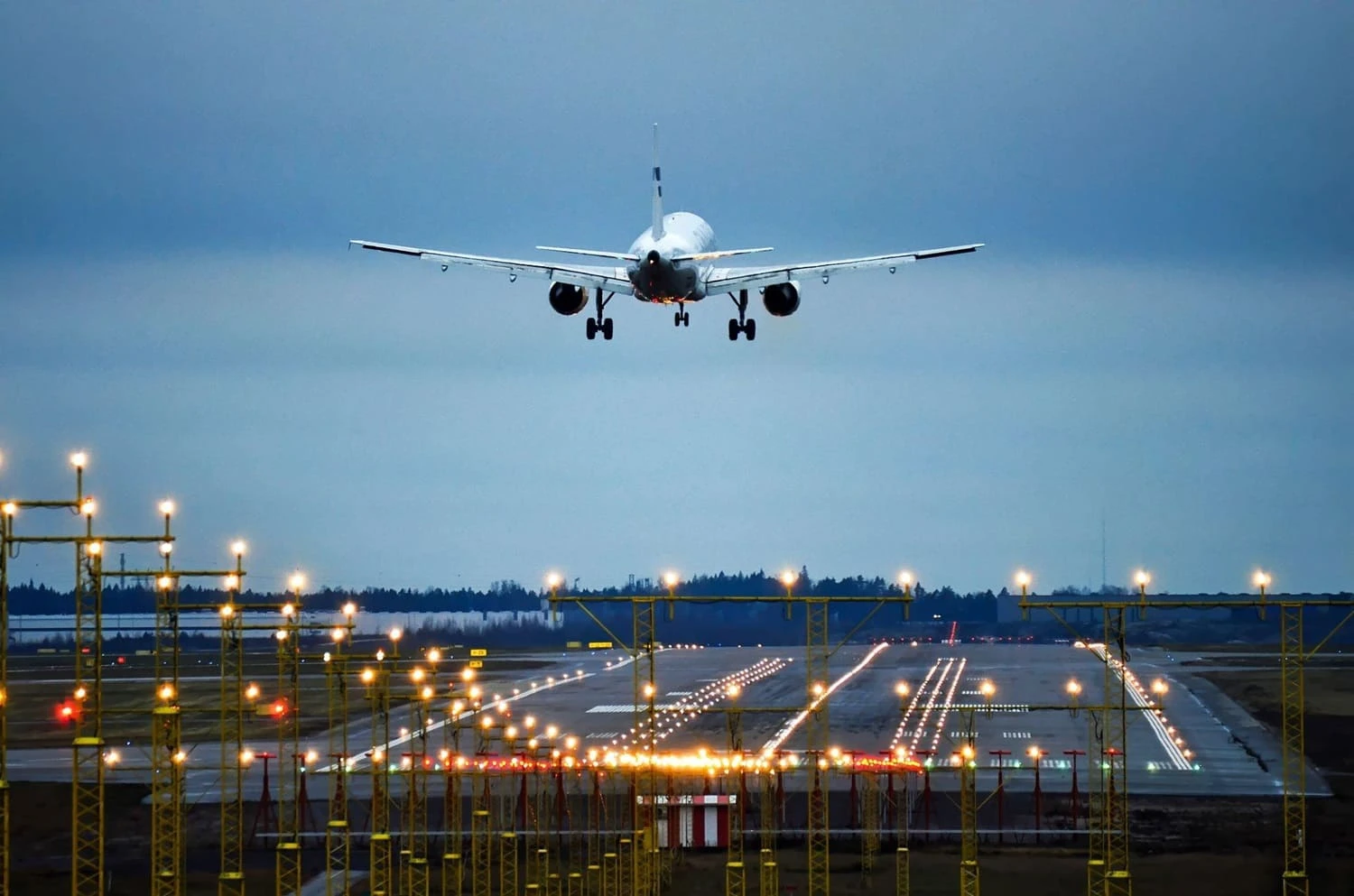
The French Rafale was operating as part of NATO’s Baltic Air Policing mission. Since 2004, that mission has guarded the skies over Latvia, Lithuania and Estonia — three allies that do not maintain a full-scale fighter force for permanent air-defense duty.
The French contingent is based at Šiauliai air base in Lithuania. The mission also includes Romanian F-16 fighter jets in Lithuania and Portuguese F-16s at Ämari air base in Estonia. For the Baltic states, this is not symbolic reassurance. It is the practical architecture of their air security.
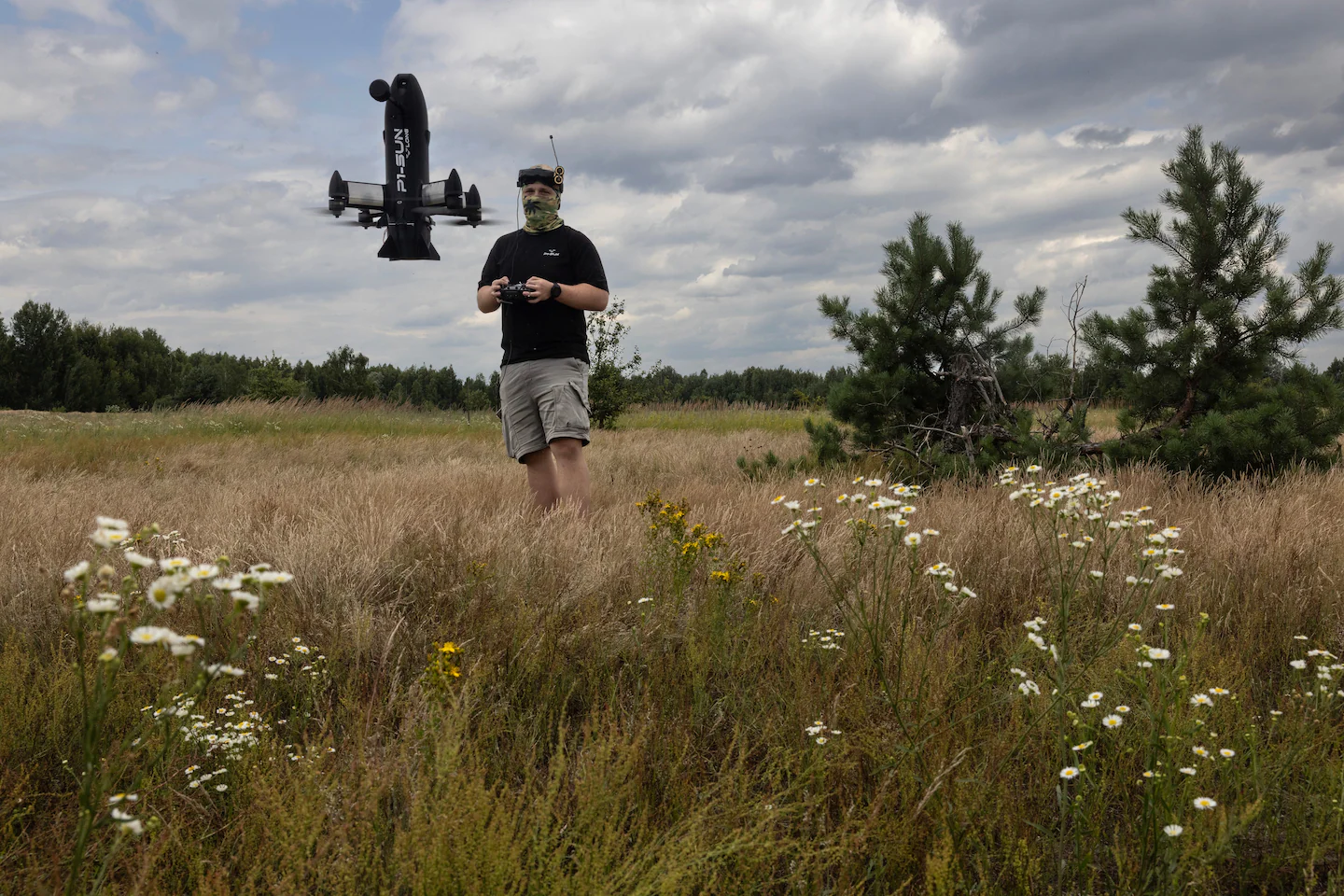
The Latvian incident is part of a wider chain of security episodes along Europe’s northeastern edge. Military drones have increasingly strayed into the airspace of Russia’s neighbors, including Finland, Latvia, Lithuania and Estonia. Some lose their route, some crash, and some require an immediate response from air-defense forces and allied aircraft.
The political difficulty is that responsibility is not always clear in the first minutes of such incidents. A drone may be Ukrainian, aimed at a military target inside Russia, but diverted by GPS jamming or other interference into NATO airspace. At the same time, it is Russia’s war and Russia’s use of electronic warfare that create the conditions for this drift of danger.
This is the new gray zone of European security. A drone is not the same as a missile strike, but its presence over allied territory raises many of the same questions: who is responsible, when should force be used, where will the debris fall, how should civilians be protected, and could a single incident become a political provocation?
For NATO, such episodes make Baltic response rules less theoretical. For years, Baltic Air Policing was largely seen as a mission of deterrence and visible allied presence. It is now becoming a working system for confronting small, cheap and unpredictable aerial threats.
There is a new asymmetry in this kind of war. A Rafale is an advanced and costly combat aircraft built for high-intensity conflict. The drone it intercepts may be slower, cheaper and technically simpler. Yet that drone can force the Alliance to scramble aircraft, close areas, activate warning systems and reassure civilians.
NATO’s eastern flank is no longer living only in the logic of a possible large war. It is also living under the strain of repeated small tests. A single drone does not change the military balance in Europe. But a series of such incidents burdens surveillance systems, tests political nerves and weakens the public sense that the sky is secure.
For Ukraine, the situation is also complicated. Kyiv has expanded long-range drone attacks against Russian military infrastructure, including targets linked to the Baltic region. But every drone that is shot down or loses its route over allied territory creates diplomatic strain and gives Moscow a chance to shift responsibility for the risks onto the victim of its aggression.
Russian electronic warfare, in this sense, is not only a technical tool. It is also a political multiplier of instability. It may not destroy a drone directly, but it can alter its path so that the consequences of an attack move beyond the Ukrainian-Russian theater and into NATO territory.
That is why the Latvian incident cannot be reduced to a simple formula: a French aircraft shot down a drone. The deeper issue is that the boundary between the war in Ukraine and Baltic security is becoming thinner. It has not disappeared, but it no longer looks impermeable.
The Alliance’s response cannot rely only on more fighter patrols. It will require denser systems for detecting small targets, acoustic and radar monitoring, short-range air defense, rapid civilian alerts and clear rules for the use of force. In the Baltic region, this is no longer a question for a future war. It is already part of daily security infrastructure.
The drone destroyed over Latvia sent a signal that NATO is ready to act when the airspace of an ally is violated. But it also showed the limits of that readiness. In a drone war, even a successful interception does not solve the central problem: Russia’s war against Ukraine continues to widen the zone of risk, and NATO’s eastern border is increasingly where that reality appears in the sky.