
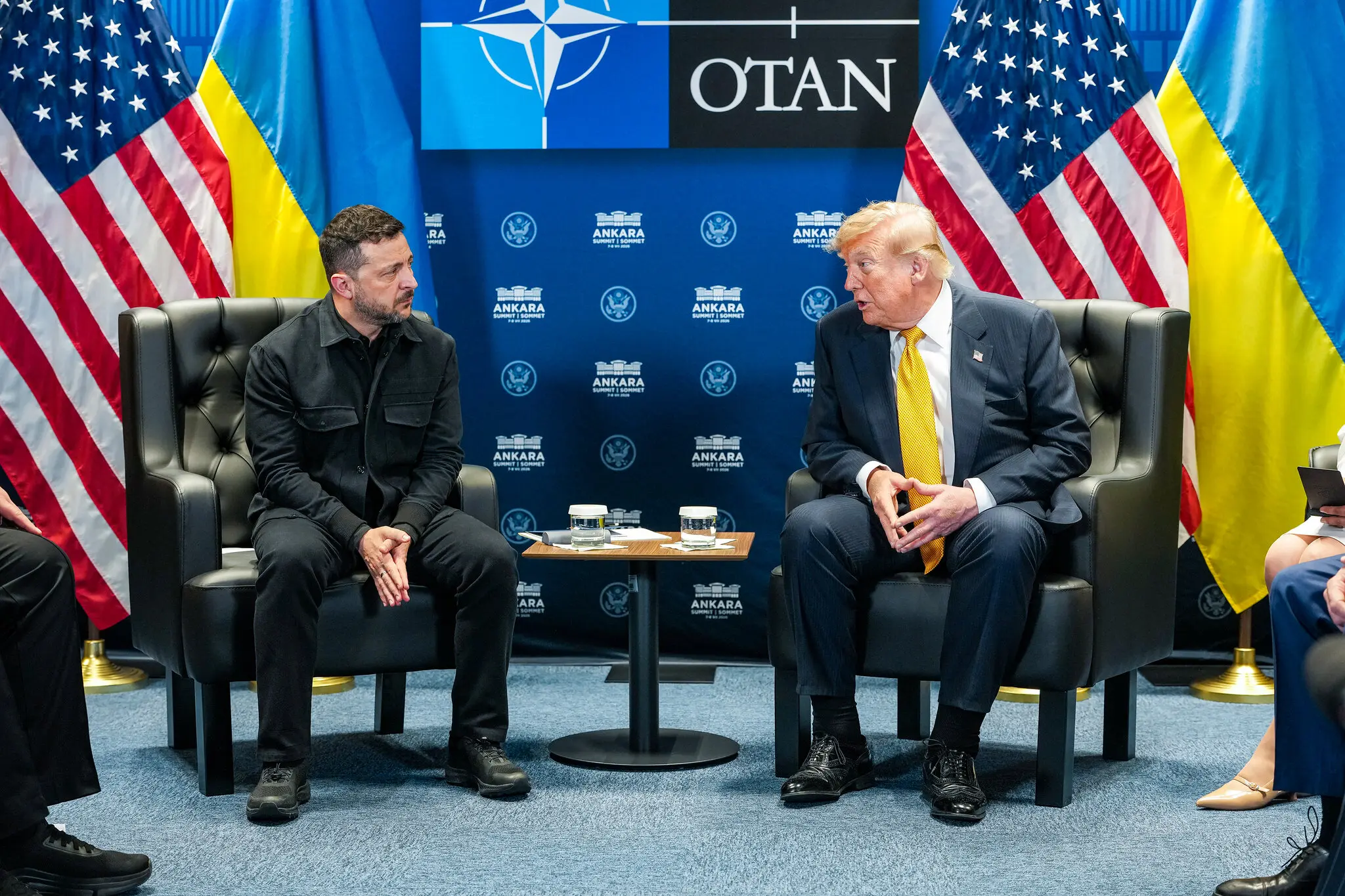






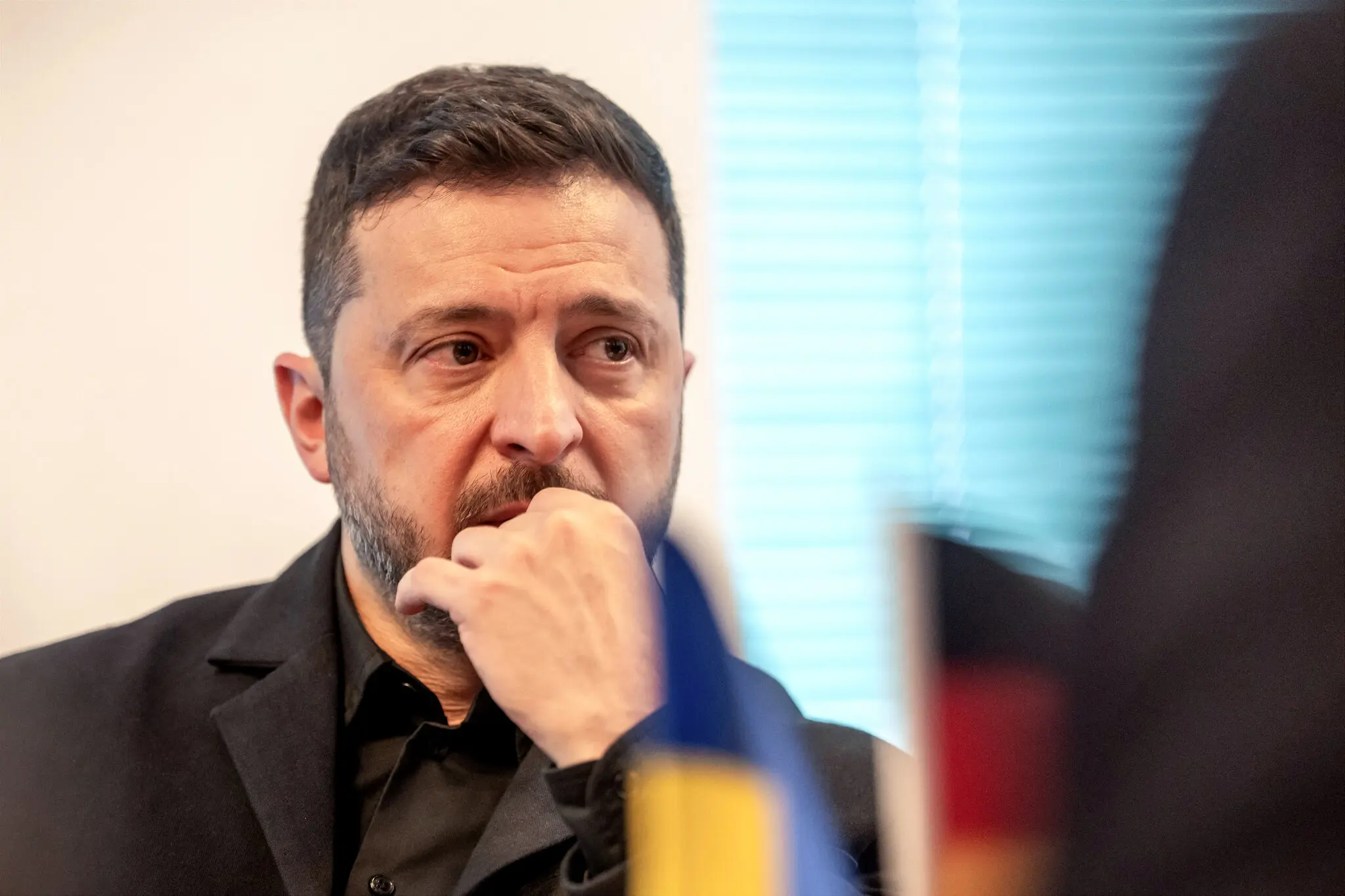












In normal political circumstances, a pipeline repair would be a technical story. In a Europe at war, it becomes a test of the Union’s maturity. When Volodymyr Zelenskyy says Ukraine will complete the repair of the Druzhba pipeline this spring, he is not simply talking about infrastructure. He is describing how a Russian strike on Ukrainian territory has been turned into an argument against Ukraine itself at the center of European politics.
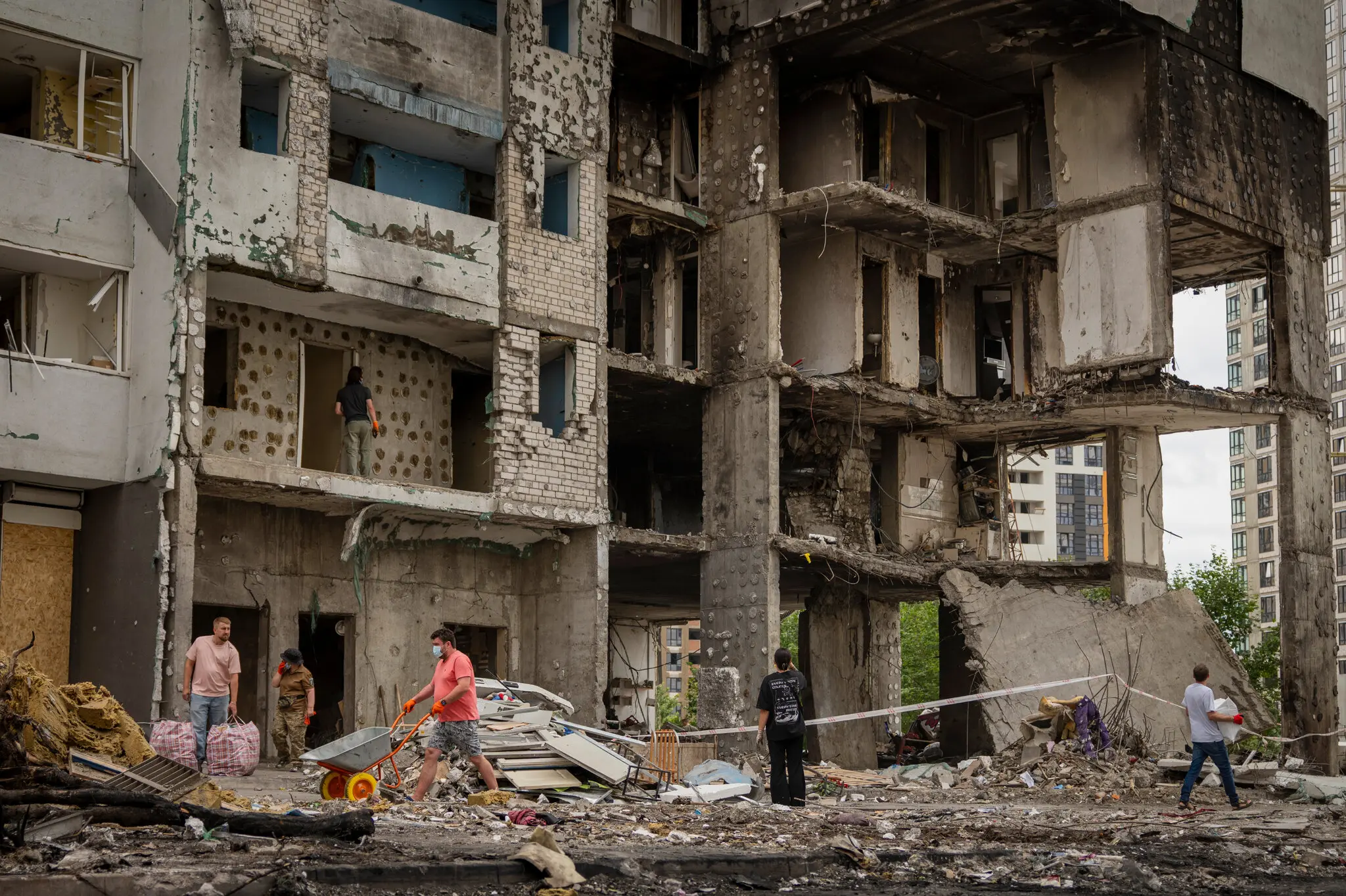
The damaged section of the pipeline has cut Hungary and Slovakia off from Russian oil deliveries since late January. Kyiv insists that repair work is well advanced, while also acknowledging that destroyed storage tanks cannot be restored quickly and that the infrastructure remains vulnerable to further attack. The contradiction is already visible. Ukraine is repairing a route that offers it no strategic advantage, yet it must do so in order to prevent partners from turning an energy disruption into political leverage.
That is why the Druzhba story has long outgrown the boundaries of energy policy. Budapest has linked the restoration of flows to decisions over large-scale European financing for Ukraine, turning a technical disruption into a diplomatic instrument. Formally, the issue is oil. In practice, it is about whether one capital inside the EU can use Ukraine’s wartime vulnerability as a bargaining tool against Kyiv.
As Daycom noted in earlier analysis, the most important point is not that Ukraine is fixing a pipeline. It is that Europe still has not escaped the trap of transitional dependence. Russian oil continues to pass through a country that Russia itself is attacking, while part of the political blame for disruption is being shifted toward the victim of the strike rather than the source of the destruction. That is the clearest sign that Europe’s energy restructuring remains incomplete.
The paradox is especially sharp because Brussels is simultaneously trying to reinforce Ukraine’s fiscal and defense resilience with new financial instruments. At one and the same moment, the European Union is looking for ways to strengthen Kyiv, while individual governments are using the pipeline dispute to narrow that space. A technical question about repair timelines is therefore becoming a larger question about how far conditional solidarity can go inside the EU.
That is what gives the Druzhba repairs their real significance. For Kyiv, this is no longer just a matter of fulfilling an agreement. It is an attempt to remove a blocking tool from Budapest’s hands. Zelenskyy is effectively stating a simple position: Ukraine will complete its part of the technical work, but responsibility for the wider architecture of supply lies with Europe. That marks an important shift in tone. It suggests that Kyiv no longer wants to serve simultaneously as a transit corridor and as the party held responsible for Europe’s lingering energy inertia.
In a broader sense, Europe understands the scale of the problem as well. The issue is no longer merely the restoration of one route, but the construction of an alternative supply configuration in which Ukraine’s security does not depend on preserving the old Russian energy logic. Otherwise, every strike on infrastructure will keep returning as a political crisis inside the European Union itself.
That is the true scale of the story. Druzhba in 2026 is not simply an old Soviet pipeline that still happens to function. It is the last visible remnant of Europe’s previous energy geography, where Russian resources, Ukrainian transit and intra-European blackmail remain tightly connected. As long as that system survives, any strike on infrastructure automatically becomes a strike on European unity.
For Ukraine, the situation is harsher still. It is being forced to spend resources repairing an asset that does not serve its own energy security, but the needs of neighboring states, including governments that have often slowed decisions vital to Kyiv. The result is an almost absurd arrangement: a country under attack must prove its reliability as a transit state for Russian oil in order to preserve access to European financial support for its own survival.
That is why completing the repairs this spring will not resolve the problem. It will only change its shape. If flows resume, Budapest may lose one of its crudest instruments of pressure. But the deeper contradiction will remain. Europe still has not built a system in which Ukraine’s security and the region’s energy stability reinforce rather than undermine each other. Until that changes, any pipeline will remain not merely infrastructure, but a political nerve.
In the end, the repair of Druzhba is not a story about quickly fixing damage. It is a story about the limits of an old order. Ukraine is not just repairing metal and storage capacity. It is sealing yet another breach in a European structure that relied for too long on the assumption that Russian energy could be separated from high politics even during a major war. That assumption is now breaking down faster than any pipeline can be repaired.